What planet has NASA explored the most?
The planet that holds the title of being the most explored by NASA, outside of our own world, is Mars. [1][3] This fact is often asserted in the broader space community, marking the Red Planet as the singular focus of sustained, multi-faceted robotic investigation in the solar system. [1][3] While giants like Jupiter command immense scientific interest and have hosted incredible flyby missions, the sheer volume and variety of craft that have landed, roamed, and orbited Mars cement its leading position in terms of dedicated exploration efforts. [3][4]
# Robotic Footprint
NASA maintains a persistent, hands-on presence at Mars, a level of commitment unseen for any other celestial body besides the Moon. [4] This exploration strategy is characterized by a layered approach involving concurrent orbital and surface assets designed to address key questions about the planet’s history, particularly concerning its potential to have once harbored life. [3][4]
Currently, NASA has several active missions operating at the Red Planet, which is unique because it is the only world in our solar system known to be entirely inhabited by robots. [4] These missions can be broken down by their functional domains:
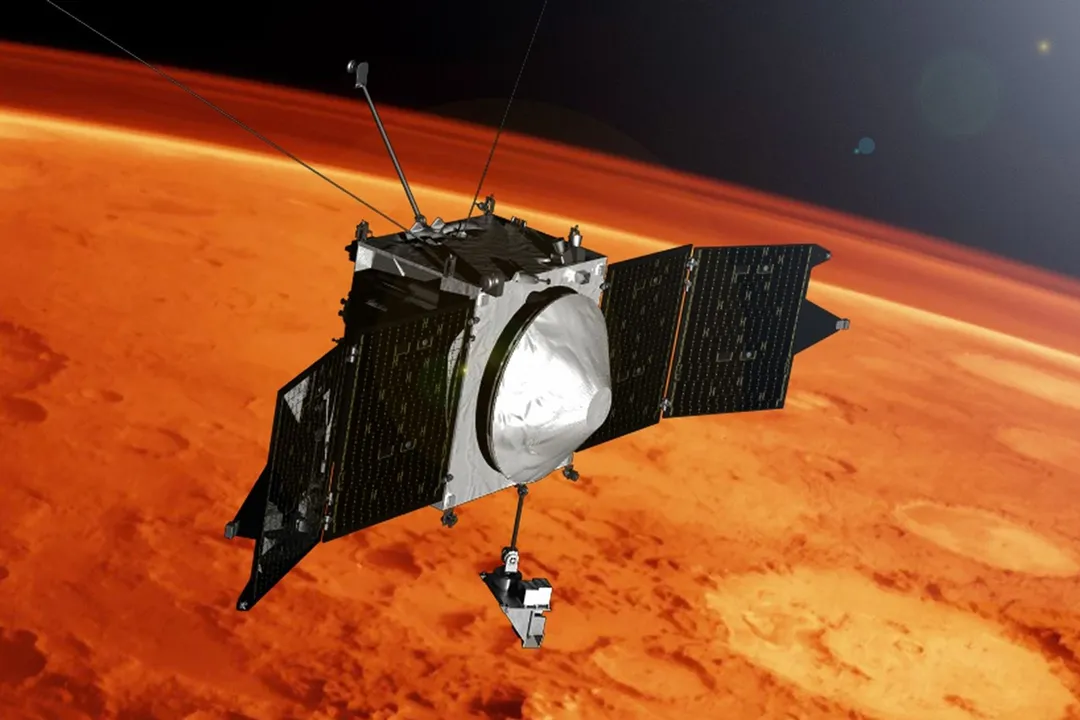
- Orbiters: Craft like the Mars Reconnaissance Orbiter (MRO) and Mars Odyssey search for evidence that water once persisted on the Martian surface over long periods. [4] The Mars Atmosphere and Volatile EvolutioN (MAVEN) mission concentrates specifically on understanding the upper atmosphere. [4] Furthermore, twin satellites comprising the ESCAPADE mission are scheduled to arrive later to study the planet's real-time response to solar wind, offering insight into its climate evolution from a wetter past to its current desert state. [4]
- Surface Operations: The surface exploration is driven by advanced rovers. The Curiosity rover, launched in late 2011, investigates whether microbial life could have once existed there, having landed in August 2012. [4] Following its lead is the Perseverance rover, which landed in February 2021 and is actively seeking signs of ancient life while simultaneously collecting samples of rock and regolith for a future Earth return mission. [4] This proposed Mars Sample Return is described as one of NASA's most ambitious, multi-mission campaigns. [4]
It is worth noting the striking comparison made by some observers: through these dedicated robotic efforts, humanity knows more about the surface of Mars than it does about the bottom of our own oceans, as more than 80 percent of Earth’s seas remain unmapped, unexplored, or unseen by humans. [3] This intense, long-duration focus on the Martian surface—deploying mobile laboratories—is what distinguishes its exploration volume from that of other targets. [3][4]
# The Gas Giant Contrast
To truly appreciate Mars' status, it helps to look at the next most-visited destination: Jupiter. [2] Exploration of the solar system's largest planet has historically involved high-velocity flybys and complex orbital tours, often as part of trajectories aimed at further destinations. [2]
Jupiter’s mission roster is impressive, featuring a series of iconic milestones:
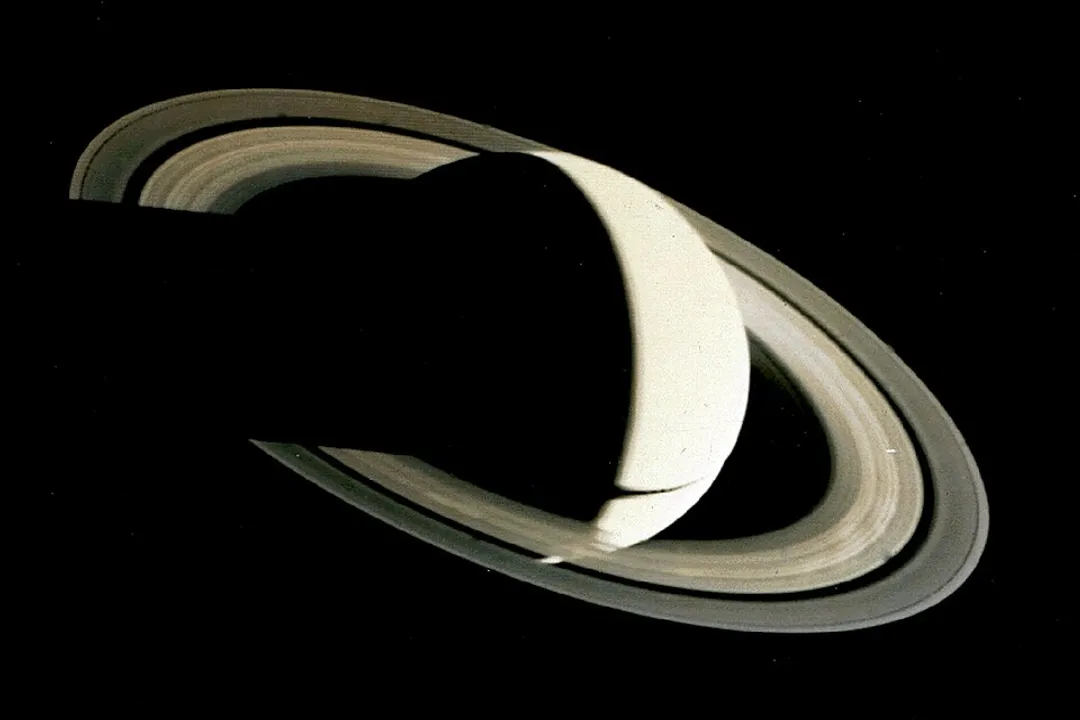
- Pioneers 10 and 11: These were the first NASA spacecraft to visit the outer planets, with Pioneer 10 making its closest approach in December 1973. [2] Pioneer 11 followed in 1974, flying even closer to Jupiter before continuing toward Saturn. [2]
- Voyagers 1 and 2: Both spacecraft performed flybys in 1979, yielding critical discoveries, including the detection of a thin ring system, two new moons, and active volcanoes on Io. [2]
- Galileo: This mission was a significant step, featuring both an orbiter that spent nearly eight years studying the Jovian system and a small probe deliberately plunged into Jupiter’s atmosphere in 2003. [2] The orbiter also provided high-resolution views of the icy moon Europa, leading to the crucial discovery of a possible subsurface ocean. [2]
- Cassini: This mission spent about six months observing Jupiter and its moons between 2000 and 2001, capturing around 26,000 images and creating a very detailed portrait of the planet. [2]
- Juno: The current flagship mission, Juno, has been orbiting Jupiter since 2016, probing beneath the dense clouds to study the planet’s origins and evolution, with operations expected to continue through September 2025. [2]
- Europa Clipper: This mission, launched in late 2024, is set to focus intensely on the icy moon Europa, aiming to determine if conditions beneath the surface could support life. [2]
While Jupiter’s exploration history is rich with major events and powerful orbital science, the nature of the visits differs from Mars. Jupiter exploration has generally been characterized by rendezvous and orbital reconnaissance of the entire system. [2] Mars, conversely, has benefited from missions that stay and move across the surface for over a decade, accumulating mileage and geological data at specific sites. [4] The continuous, ground-based operational phase of a rover like Curiosity or Perseverance represents an ongoing, intensive data collection effort that, over time, surpasses the sheer number of flybys or a single orbital assignment focused on a single giant planet. [3][4]
# The Outer Reaches and Icy Worlds
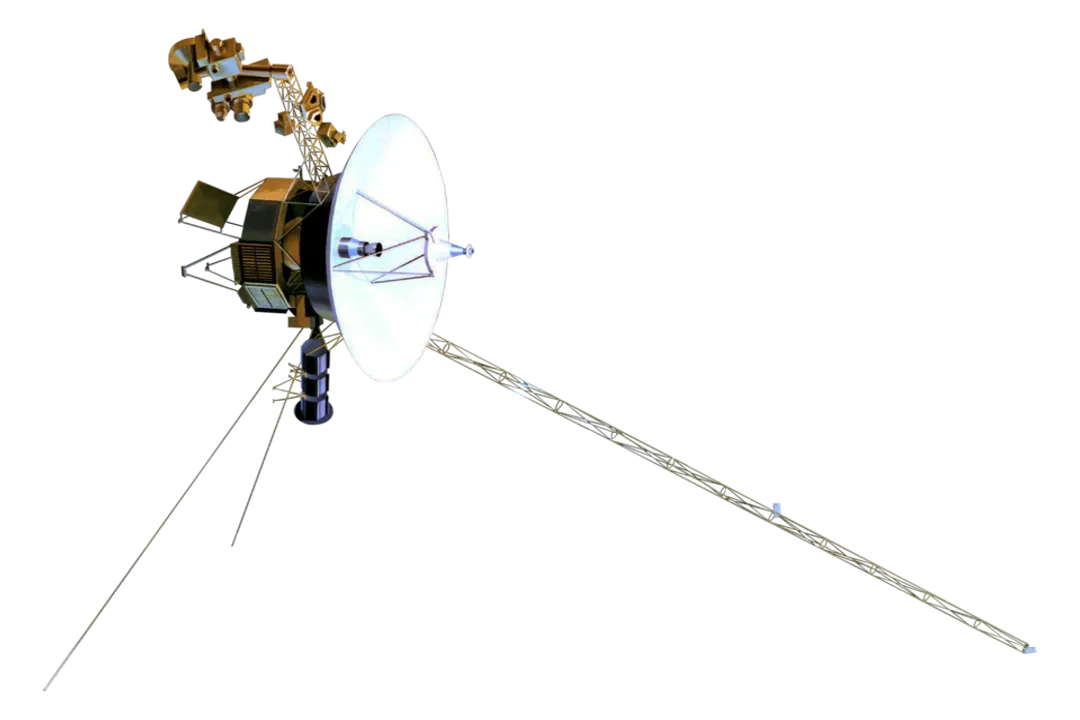
Moving past the inner and gas giant worlds, the exploration volume drops off significantly. For instance, the exploration of Uranus is sparsely documented by direct contact. Only one spacecraft, Voyager 2, has ever visited Uranus, gathering much of its critical data about the rings and moons during a brief six-hour pass in January 1986. Since then, knowledge about Uranus has come primarily from Earth-based telescopes and the Hubble Space Telescope.
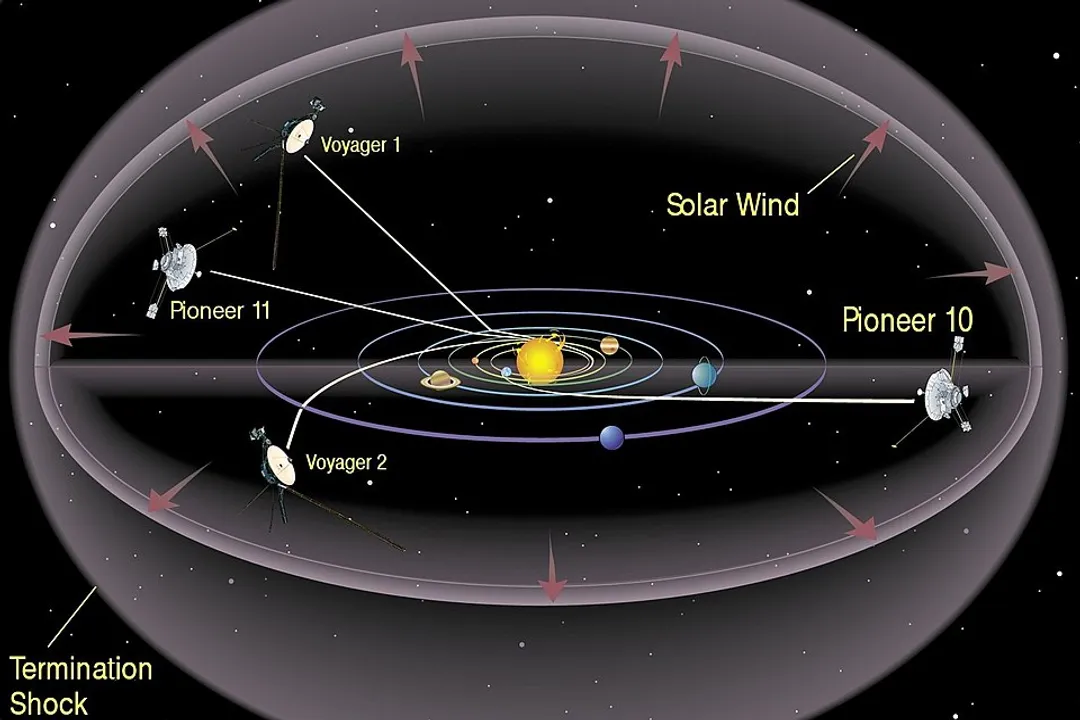
Even the mighty Voyager 1 probe, while achieving the incredible feat of crossing the heliopause and entering interstellar space, primarily executed flybys of Jupiter and Saturn before its trajectory took it out of the plane of the ecliptic. [1][2] Its success in studying the outer solar system and beyond is undeniable, and it continues to return data even decades later, relying on older technology like radioisotope thermoelectric generators (RTGs) for power until at least 2025. [1] Its scientific legacy includes the famous "Pale Blue Dot" image of Earth taken in 1990. [1] Yet, Voyager 1's mission objectives concerning specific planets were limited by its initial trajectory, which prioritized a close look at Saturn's moon Titan over a later visit to Uranus. [1]
# Exploration Motivation
The fundamental reason for this disparity in exploration between Mars and the other targets lies in the primary driver of NASA's planetary science: the search for life and assessing habitability. [3][4] Mars is viewed as the most viable candidate, besides Earth, that might have hosted life at some point in its past, being warmer, wetter, and possessing a thicker atmosphere billions of years ago. [3][4] While Venus is closer, its environment is far too unforgiving to warrant the same level of surface investigation, though some speculation exists about atmospheric layers. [3]
The sustained robotic surface missions on Mars are geared toward finding potential biosignatures in ancient riverbeds, such as the sample collected by Perseverance named "Sapphire Canyon". [4] This directed effort to answer profound astrobiological questions necessitates repeated visits, landing sites, surface movement, and sample collection—a logistical and resource commitment vastly exceeding the concentrated flybys required for the gas giants or the single, distant reconnaissance of an ice giant like Uranus. [2][4]
One can observe that NASA's exploration strategy reflects a hierarchy of accessible possibility. The investment shifts based on perceived reward: Juno must remain in orbit around Jupiter to continue its work, while Voyager 1 performs passive measurements deep in interstellar space. [1][2] In contrast, the robotic explorers on Mars are actively driving across terrain, drilling rock cores, and preparing samples for transport back to Earth, suggesting a qualitative depth of exploration unique to the Red Planet. [4] This difference in mission activity—roving versus orbiting/passing—is the key differentiator showing why Mars receives the most dedicated exploration focus among the non-Earth planets in our solar system. [4]
Related Questions
#Citations
Other than Earth, Mars is the most explored planet in our solar ...
Mars - NASA Science
Voyager 1 - Wikipedia