How does the SpaceX rocket return to Earth?
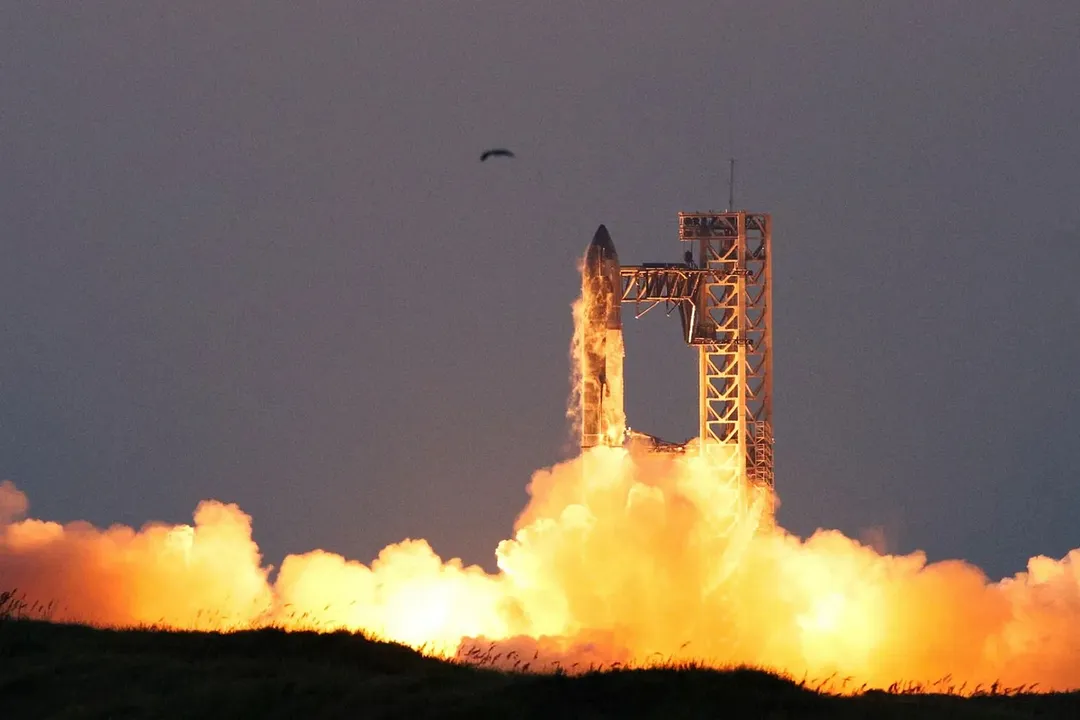
The process by which a massive, first-stage rocket booster from a SpaceX launch vehicle returns to Earth is a marvel of aerospace engineering, transforming what was once expended hardware into a reusable asset. This capability, primarily associated with the Falcon 9 rocket, hinges on a meticulously choreographed series of engine burns, aerodynamic corrections, and precision guidance maneuvers that occur in the minutes following stage separation. [4] The ability to land these boosters, whether on land or at sea, fundamentally changes the economics of space access, drastically cutting costs by allowing the most expensive part of the rocket to be refurbished and flown again. [3]
# Flight Profile
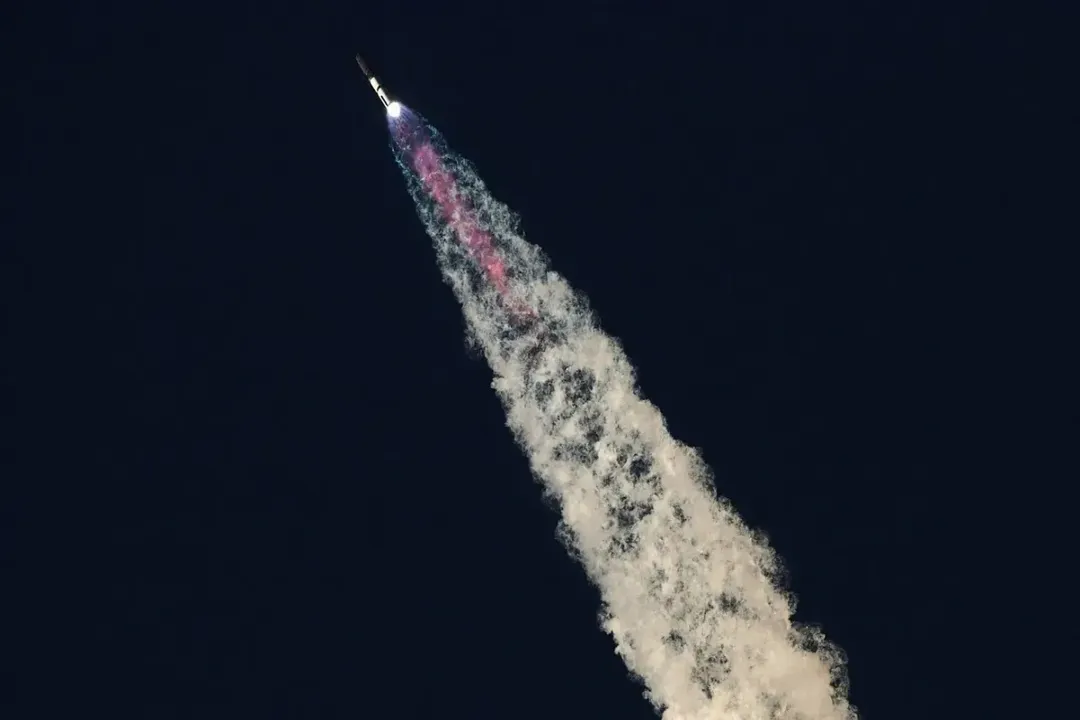
The return sequence begins just a few minutes into the flight, typically around two and a half minutes after liftoff, when the first stage has expended the majority of its propellant and has pushed the second stage toward its orbital objective. [1] At this point, known as Main Engine Cut Off (MECO), the first stage separates from the second stage, which continues its burn to place the payload into orbit or a transfer trajectory. [7] Once separated, the first stage is still traveling at incredible speeds, often exceeding Mach 6 and reaching altitudes of around 60 to 80 kilometers. [9]
The very first action the returning booster takes is to orient itself correctly for its return trajectory. A small number of the rocket’s nine Merlin engines are reignited for a brief period. This initial pulse is called the boost-back burn. [3] The purpose of this burn is two-fold: to slow the booster down enough to ensure it doesn't overshoot the planned landing zone, and, more importantly, to redirect its trajectory back toward the launch site or the designated landing area, which is often hundreds of kilometers downrange. [1][9]
# Descent Phases
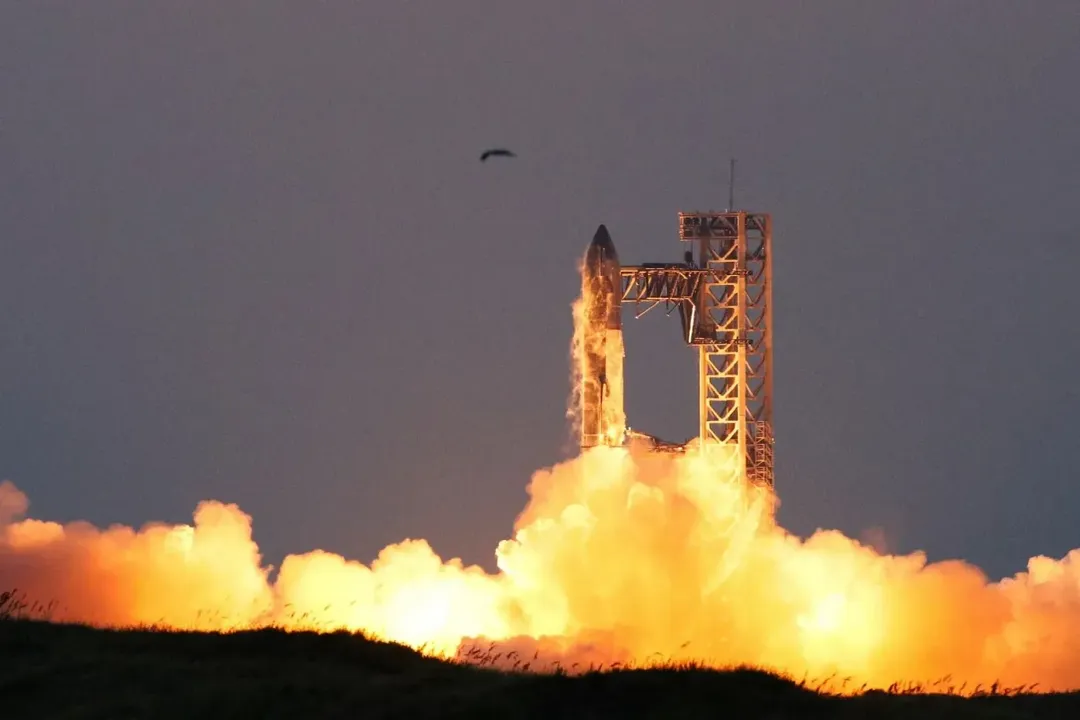
After the boost-back burn has set the correct course, the booster begins its long, unpowered descent through the upper atmosphere, protected by its structure. [9] As it re-enters the denser air at lower altitudes, it needs to manage the extreme aerodynamic forces and heating generated by its supersonic speed.
# Re-entry Burn
To survive this phase, the rocket must perform the re-entry burn. This maneuver utilizes three of the Merlin engines firing for several seconds while the vehicle is still traveling at high supersonic speeds. [3] This burn is crucial because it slows the booster down just enough to prevent aerodynamic breakup during atmospheric entry, managing the intense friction and heat loads. [9] The degree and timing of this burn are carefully calculated based on the initial ascent profile and the final velocity achieved, ensuring the vehicle stays within its structural and thermal limits. [1]
# Landing Burn
Once the worst of the atmospheric braking is over and the booster has deployed its landing legs, the final deceleration phase begins. This is achieved through the landing burn, which typically involves reigniting a single Merlin engine. [4][9] This final, critical firing starts when the booster is only about a kilometer above the surface, ensuring it loses its remaining velocity before touching down. [3] The goal is to bring the vertical descent rate close to zero just as the landing legs make contact with the landing pad or droneship deck. [9]
# Guidance Control
The success of landing a massive object traveling at high speed relies heavily on immediate, precise adjustments, often managed by control surfaces and sophisticated software. [9] As the booster falls, it uses four deployable grid fins located near the top of the stage (the engine section) to steer. [4] These fins, which look somewhat like large latticed wings, are made of titanium and are positioned in an X-pattern. [9]
By differentially angling these fins, the flight computer can adjust the vehicle's center of pressure, effectively allowing it to steer through the atmosphere with precision, much like the fins on a dart. [1] The entire flight profile—from boost-back timing to the precise throttle-down schedule of the landing burn—is governed by the flight computer, which processes telemetry data in real time. [3] Thinking about the required inputs, it is striking how small the final adjustments to the engine thrust must be during the last few seconds of the landing burn to zero out vertical velocity; the system is managing the inertia of the entire booster stage while making changes that equate to minute throttle adjustments to hit a target the size of a parking spot at subsonic speeds. [1][9]
# Landing Sites
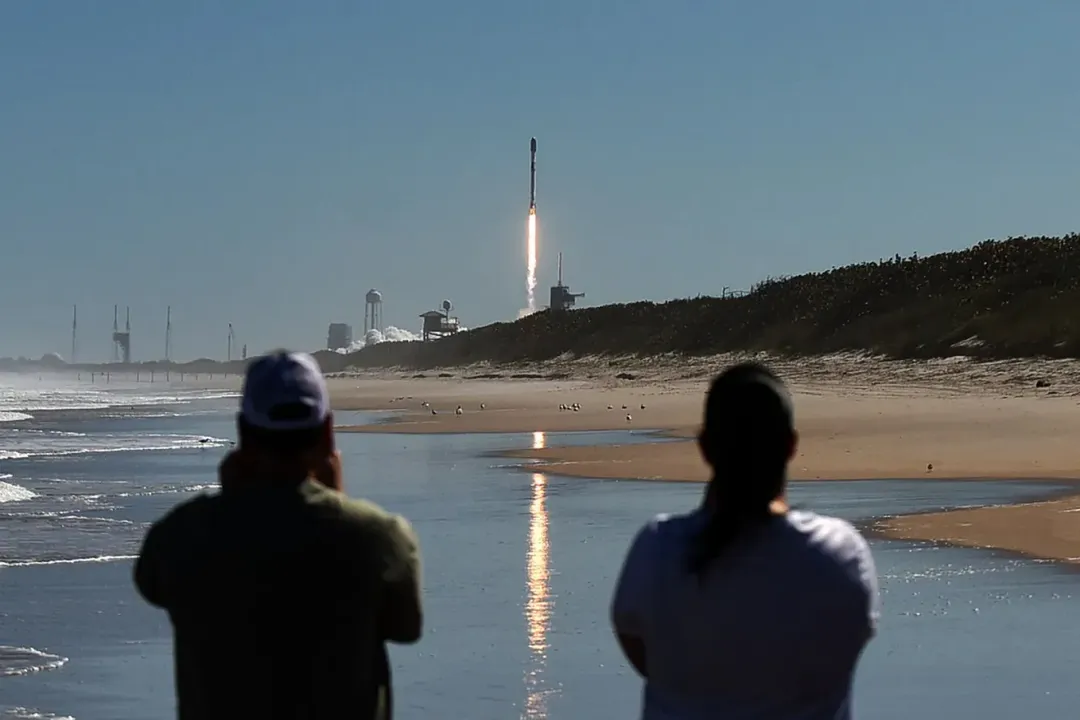
SpaceX has established two primary methods for recovering the Falcon 9 first stage, dictated by the mission profile and the required downrange travel distance. [4]
The first option is landing back at the launch site, often referred to as Landing Zone 1 (LZ-1) or Landing Zone 2 (LZ-2) at Cape Canaveral, Florida. [9] This is generally preferred for missions where the booster does not have to travel far downrange to reach orbit, such as missions launching eastward over the Atlantic, as it simplifies recovery logistics and allows for faster turnaround times. [4]
The second option, utilized for missions requiring higher energy orbits or those launching south from Vandenberg Space Force Base, is landing on an autonomous floating platform known as a droneship. [9] These droneships, such as Just Read the Instructions or Of Course I Still Love You, are positioned hundreds of kilometers out in the ocean. [4] Landing on a droneship is a more technically demanding feat due to the dynamic movement of the platform on the waves, yet it allows the rocket to deliver a heavier payload to orbit because less fuel is needed to fly the booster all the way back to land. [9] The ability to choose between these two destinations represents a calculated trade-off between mission efficiency and recovery complexity. If a mission requires maximum payload to a high-energy orbit, burning the necessary fuel to bring the booster back to land would severely limit the weight sent skyward, making the droneship the necessary compromise, despite the added difficulty of landing on a moving target. [3]
# Crew Return
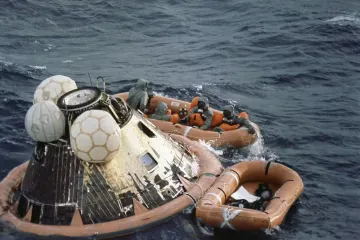
While the Falcon 9 booster returns to land or sea, the Crew Dragon or Cargo Dragon capsule, which carries astronauts or supplies, has a different return procedure. [8] After completing its mission, the Dragon capsule detaches from the second stage and performs a deorbit burn to begin its descent back toward Earth. [2] The capsule relies on its heat shield to endure the fiery re-entry phase before deploying parachutes to slow its descent. [8] Unlike the rocket booster, the Dragon capsule concludes its journey with a splashdown in the ocean, where recovery teams retrieve the crew or cargo. [8] This method ensures a relatively gentle deceleration for human passengers compared to a hard landing. [2]
# Evolving Catches
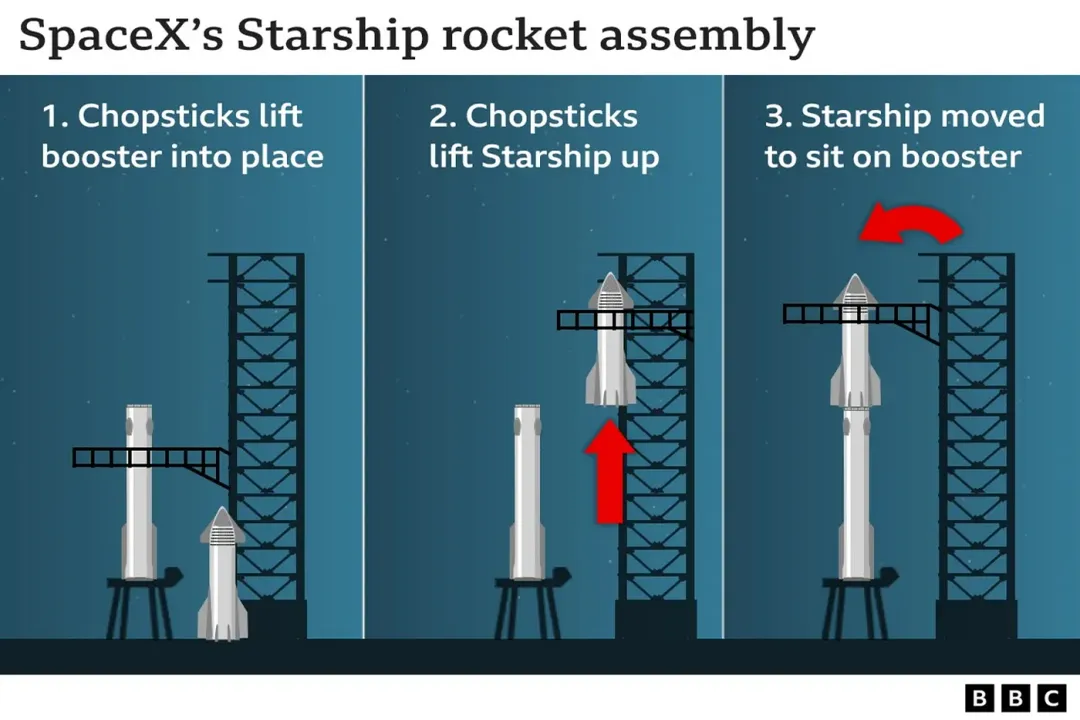
The current standard relies on propulsive landing, where the engines provide the braking force. [9] However, the concept of catching the returning stage mid-air using large mechanical arms mounted on a recovery tower has been developed and tested. [6] This approach, often associated with the larger Starship program, aims to eliminate the need for landing legs and potentially reduce the fuel required for the final landing burn, as the arms could absorb the remaining momentum more efficiently. [6] While the Falcon 9 booster lands itself with precision, this mid-air catch concept represents the next step in minimizing refurbishment time and maximizing the reusability factor by avoiding hard landings altogether, even if it introduces entirely new mechanical challenges related to timing and structural loading during the capture sequence. [6]
#Videos
How SpaceX Rockets Land Back on Earth - YouTube
How Space X Crew 10 Transfer & Return to Earth Works? - YouTube
SpaceX Makes History Catching Rocket on Landing - YouTube
Related Questions
#Citations
How SpaceX Rockets Land Back on Earth - YouTube
How Elon Musk's Rocket Returns to Earth | by Scott Hansen - Medium
Falcon 9 - SpaceX
Falcon 9 Booster Lands Successfully - NASA
SpaceX catches returning rocket in mid-air, turning a fanciful idea ...
NASA's SpaceX Crew-9 Re-Entry and Splashdown - NASA+
How Rockets Land - Five Ways Spacecraft Return To Earth