Why did the SpaceX rocket fail?
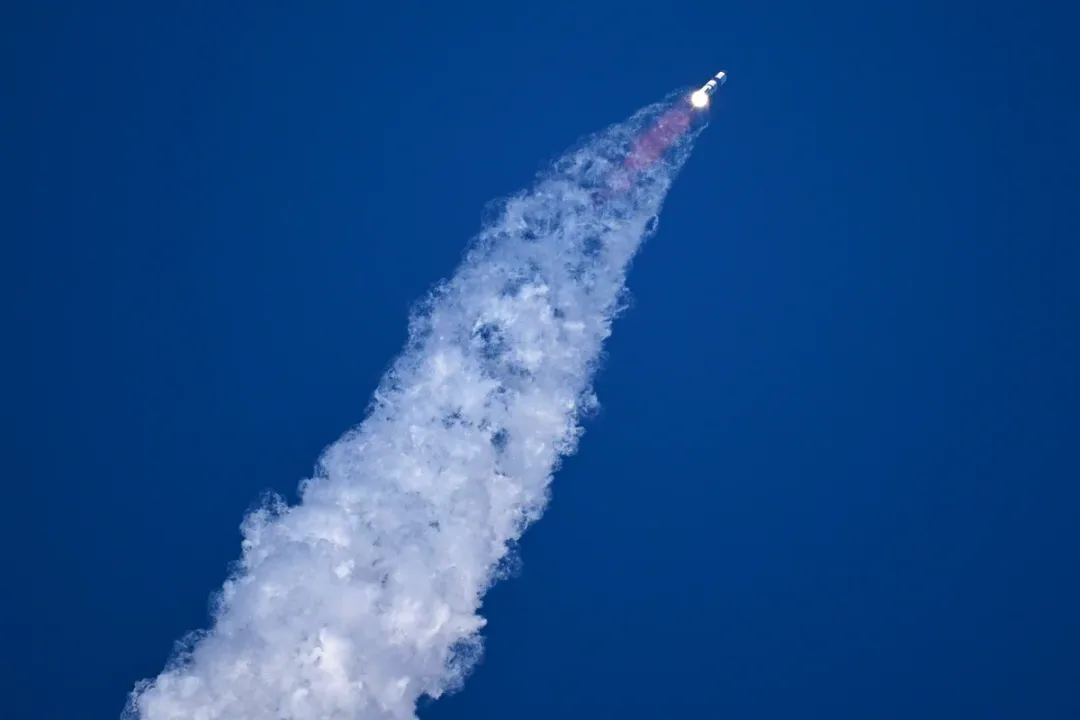
The question of why a SpaceX rocket fails often centers on a fundamental difference in philosophy between the company and established aerospace norms. Rather than treating every launch attempt as a final, high-stakes mission, SpaceX employs an iterative development cycle where early tests of massive systems like Starship are expected to result in anomalies, including a Rapid Unscheduled Disassembly (RUD). [1][5] This approach prioritizes rapid hardware iteration over exhaustive pre-flight analysis conducted in simulators or clean rooms alone. [5]
# Development Speed
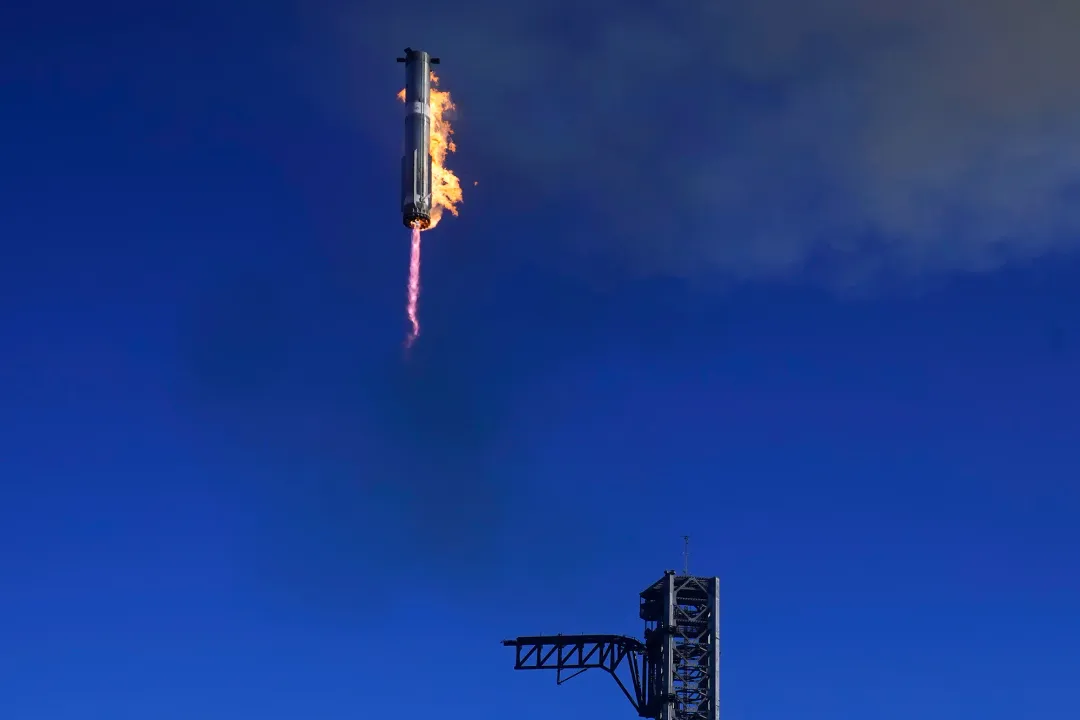
The core driver behind the visible failures is the aggressive pursuit of flight cadence. For a vehicle intended to revolutionize space travel, time on the ground waiting for absolute certification is time wasted in their operational view. [8] This method contrasts sharply with the more measured, incremental approach often seen in government or legacy aerospace programs, where a single test failure can ground a program for months or years while root causes are meticulously dissected. [5] SpaceX embraces the notion that flight data reveals problems that ground tests simply cannot simulate, especially when dealing with the unprecedented scale of the Starship vehicle. [1] This inherently means that publicly visible tests are designed to push the vehicle to its limits, often beyond the expected failure point, to learn precisely where those limits lie. [5]
# Engine Flash
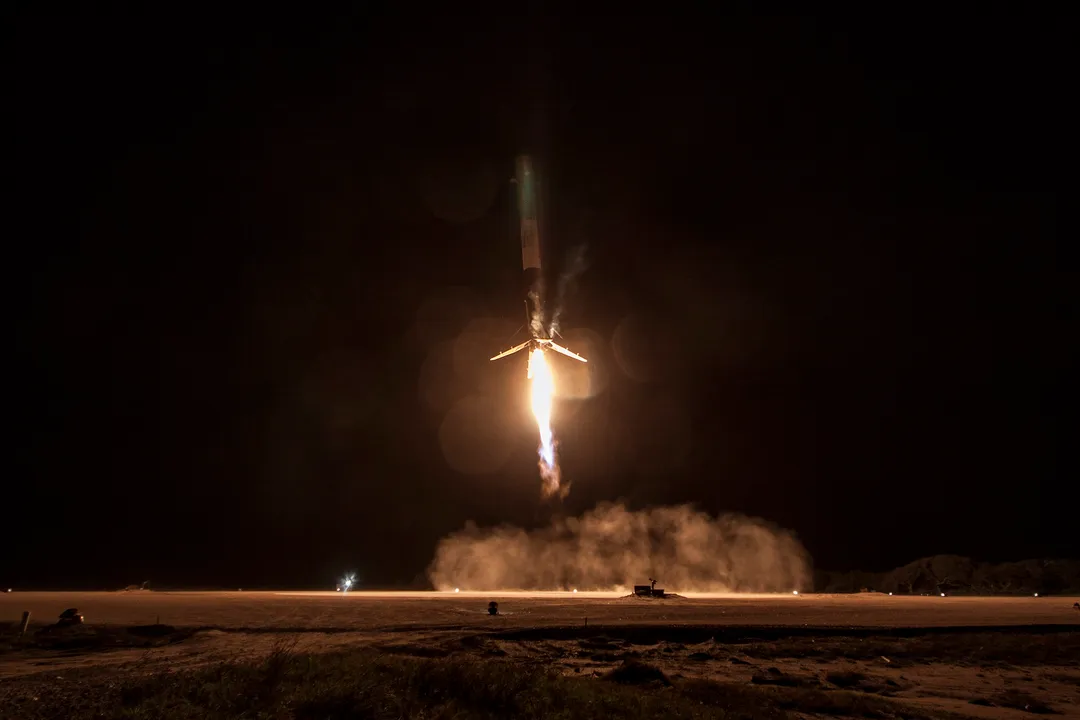
For specific tests, like Starship Flight 8, investigators were able to trace the failure back to a very precise event. In that instance, the issue was identified as a flash that occurred within the rocket engines themselves. [3] This kind of anomaly suggests a problem with the combustion process—perhaps related to the precise mixture of propellant, timing of igniters, or the structural integrity of the engine bell under specific thrust conditions. [3] When a primary system like the Raptor engines experiences an internal anomaly that propagates quickly, it often results in the vehicle breaking apart shortly thereafter, leading to the loss of the vehicle as planned for the test objectives. [1]

# Landing Stress
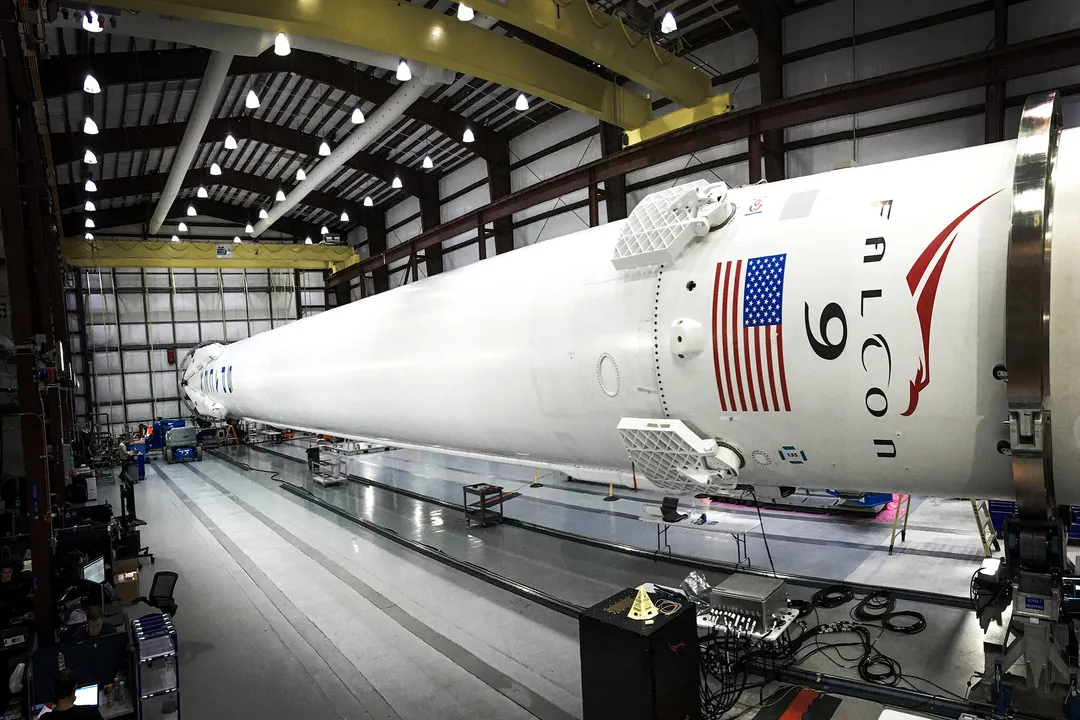
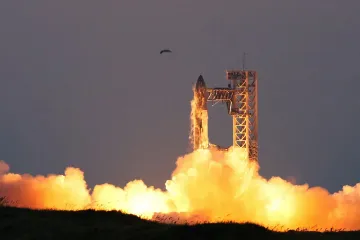
Not all RUDs happen during ascent or atmospheric flight; some failures occur during the final, most complex maneuver: the landing burn. [6] The Starship SN10 prototype, for example, experienced a difficult landing sequence. While it successfully executed a flip maneuver and managed to touch down, the subsequent sequence involved a failure. [6] In cases like this, the failure mode can be attributed to excessive impact force upon touchdown or, critically, the accumulation and subsequent ignition of unspent propellant vaporized by the impact or the final engine firing. [6] This highlights that failure investigation must consider the entire flight profile, not just the main propulsion phase. It’s noteworthy that even after a seemingly successful landing like SN10's, the vehicle still experienced an end-of-mission failure, underscoring the difficulty of controlling the massive stack during deceleration. [6]
# Post-Failure Response
The response to these events is generally swift and transparent, often involving commentary from Elon Musk regarding the lessons learned and immediate next steps. [7] The public record of failures suggests that the company views these setbacks less as true failures and more as data acquisition milestones. [1][5] For instance, a ten-year-old success story involving an earlier Falcon vehicle's controlled landing came only after a history of setbacks, illustrating a recurring pattern where tragedy or unexpected loss precipitates a major design correction that leads to eventual triumph. [8] This historical pattern suggests a confidence that the data gained from the current Starship "explosions" will similarly inform the final, operational design.
# Failure Modes Comparison
It is useful to compare the typical failure modes seen across the various high-altitude tests. While specific causes vary—from engine combustion issues to aerodynamic instability or landing gear impacts—the underlying engineering challenge remains consistent across the program: handling the massive thermal and mechanical stresses associated with a fully integrated vehicle that is significantly larger and heavier than anything previously tested in this manner. [5]
| Test Phase | Common Associated Risk Factor | Primary Learning Objective |
|---|---|---|
| Ascent/Max Q | Aerodynamic loads, initial stage separation stress | Structural integrity under peak dynamic pressure [1] |
| Upper Atmosphere | Thermal management, control surface efficacy | Atmospheric reentry survivability |
| Landing Burn | Propellant settling, engine reignition control | Precision control authority at low velocity [6] |
One interesting aspect of analyzing this continuous testing is recognizing that the very act of flying a vehicle prone to such high-energy events means that any minor subsystem error, which might have been caught in a dedicated subsystem test on a less ambitious program, manifests dramatically during the integrated flight test. [5] The cost of discovering a software flaw in the flight control during a high-altitude hover test is the loss of the prototype, but the benefit is the immediate correction for the next prototype being built concurrently. This trade-off is central to the Starship development pace.
# Isolating Variables
The complexity of the Starship and Super Heavy system presents a unique analytical challenge for the engineering teams. Because the vehicle is so complex—comprising dozens of Raptor engines, intricate plumbing, and advanced avionics—isolating the single point of failure after a high-energy event is a significant task. [5] Each launch essentially tests all systems simultaneously under mission-level loads. Therefore, the value of a failed flight isn't just in that it failed, but in the precise telemetry captured in the final seconds that allows engineers to mathematically exclude other variables. For example, if telemetry shows all engines performing nominally right up until a structural failure signature appears, the investigation immediately pivots away from engine control toward structural loads or propellant mass management within the tanks, even if the engines were the visual indicator of the problem. [3] This methodical process of elimination, driven by hardware destruction, is what SpaceX relies upon to progress.
# Beyond the Anomaly
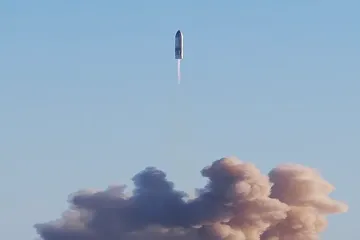
Considering the overall context, SpaceX's public-facing failures often overshadow the successful elements achieved during those same flights. Many of the tests that ended in an explosion still managed to achieve significant milestones—lighting all engines, surviving a transition phase, or achieving the target altitude—that would be considered a successful test for many other companies. [1] The expectation management is crucial for an observer. When looking at a failure, one must simultaneously acknowledge the successful engineering that allowed the vehicle to survive up to that specific point of failure. For instance, if the Flight 8 vehicle only failed due to an engine flash during ascent staging, the preceding minutes of successful powered flight on the Super Heavy booster represent substantial, successful validation of that larger stage's performance profile. [3] The very existence of the next vehicle on the pad, often ready or nearing readiness shortly after a test loss, demonstrates the organization’s ability to rapidly integrate lessons learned into the next physical iteration. [7]
The inherent risk associated with developing hardware intended for Mars missions, which necessitates immense thrust and full reusability, means that these early test campaigns will inevitably be characterized by catastrophic results as the system is refined far past any previous flight heritage.
# Analyzing Programmatic Differences
The expectation gap between industry standards and SpaceX's methods often leads to misinterpretations of intent. Where other programs might aim for a 99% success probability on a test flight, SpaceX appears content with achieving 100% data collection on a test flight, even if the hardware is destroyed in the process. [5] This probabilistic difference dictates how the public perceives "failure." A vehicle that flies halfway to orbit and explodes might be deemed a 50% failure by a traditional standard, but for the Starship program, if it provided high-fidelity data on the upper stage's behavior in the upper atmosphere, it provided 100% of the required data for that specific test objective, thus being a success in terms of program progression. [1] This operational view turns the concept of failure on its head, reframing it as an expected, necessary step toward the final, fully functional system.
#Videos
Why Did SpaceX's Starship Explode? What does it mean ... - YouTube
SpaceX's Starship explodes during test flight: What went wrong?
Related Questions
#Citations
Why does SpaceX's Starship keep exploding? : r/SpaceXLounge
Why Did SpaceX's Starship Explode? What does it mean ... - YouTube
SpaceX reveals why its Starship Flight 8 Ship exploded, failure ...
The SpaceX Explosion That Put Flights in Danger - WSJ
Why Do SpaceX's Starships Keep Exploding? - Scientific American
Why did the SpaceX Starship SN10 explode?
What went wrong with SpaceX's last rocket launch attempt? Did the ...
The inside story of SpaceX's historic rocket landing that changed ...