How many times has Soyuz failed?
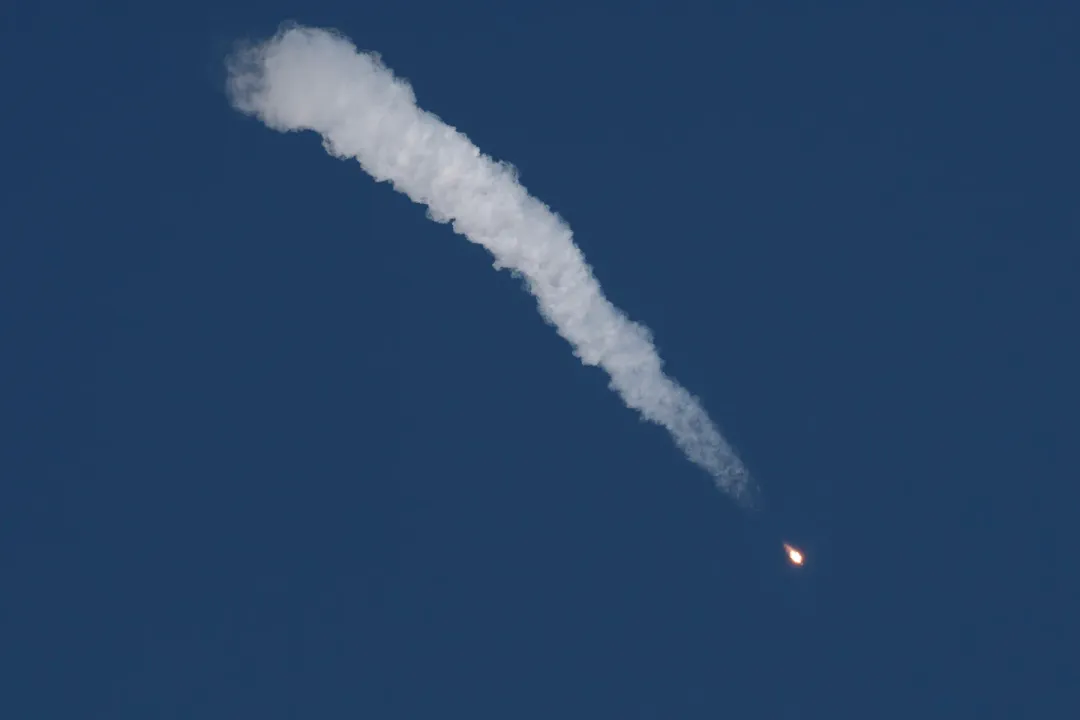
The Soyuz rocket family represents one of the longest-serving and most active launch systems in the history of spaceflight, making any discussion of its failures a matter of context against a backdrop of thousands of successful launches spanning many decades. While the public image often centers on the dependable ferry to the International Space Station (ISS), the historical record, like any complex engineering endeavor, does contain instances where the mission did not go as planned, ranging from minor anomalies to outright catastrophic loss of vehicle and crew. Understanding the number of Soyuz failures requires sifting through various mission eras and defining what constitutes a "failure" in the context of crewed versus uncrewed flights.
# Mission Longevity
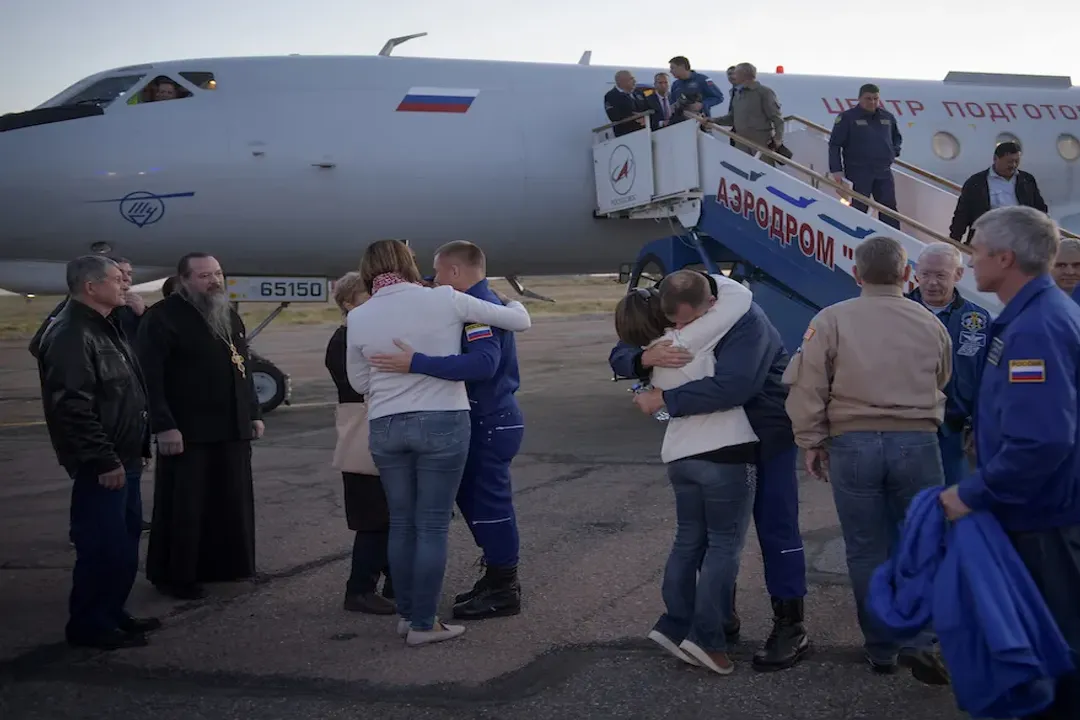
The sheer duration of the Soyuz program provides a foundational understanding of its reliability statistics. The vehicle lineage stretches back to the late 1960s, evolving through numerous iterations—from the original Soyuz and its early development flights to the modern, upgraded versions currently launching crews to orbit. This extended service life allows for a vast statistical pool, which generally drives the overall success rate higher than for newer, less-tested systems. For a vehicle that has seen so many launches, achieving a success rate nearing or exceeding 97% across its entire history is a testament to iterative refinement and dedication to established design principles.
# Quantifying Setbacks
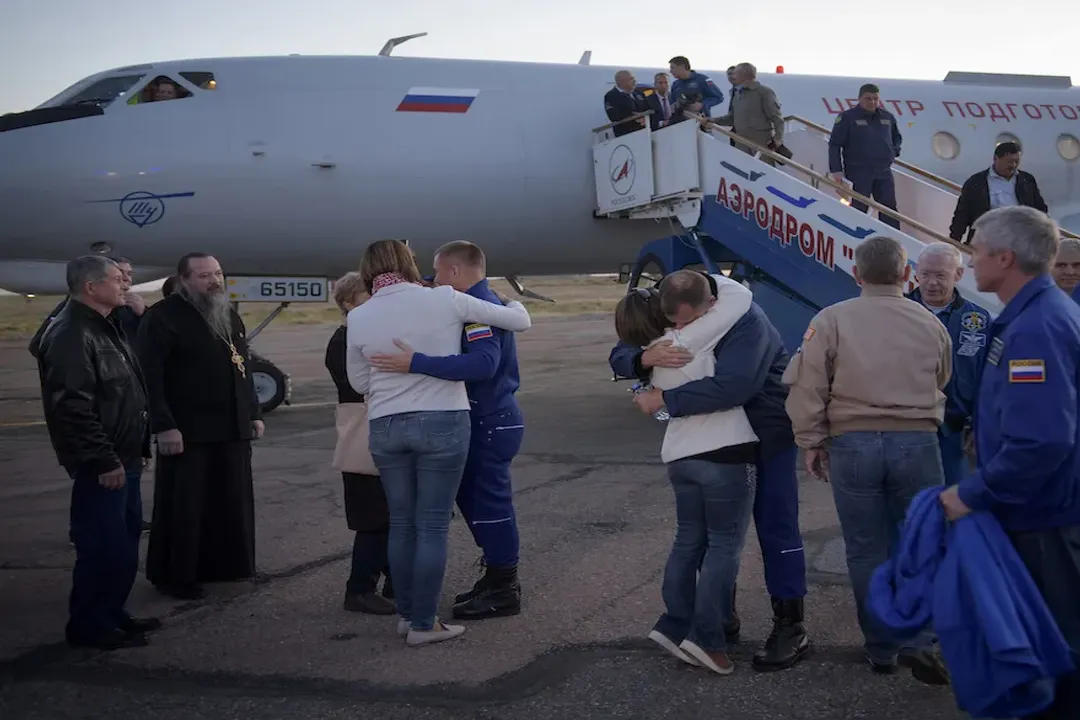
To properly assess the failure rate, one must look at comprehensive mission logs, which detail both orbital successes and groundings or launch scrubs. By reviewing the totality of Soyuz missions, including early uncrewed test flights and the later crewed versions, the total number of launches is substantial, placing it among the most launched rocket types globally. When isolating the true launch failures—those where the rocket did not place its payload into the intended orbit or, in the case of crewed missions, where the crew faced an emergency—the count remains relatively low in proportion to total flights.
For instance, looking specifically at the modern era, records tracking failures since December 2010 show a small number of incidents occurring over roughly a decade, often involving uncrewed cargo resupply or specific types of mission failures. These later failures, though statistically rare, often garner significant international attention because of the ongoing reliance on Soyuz for ISS operations. The definition matters: a scrubbed launch due to a minor technical glitch that is resolved before ignition is fundamentally different from a second-stage engine shutdown mid-ascent.
If we consider the entire catalog of missions listed up to the early 2020s, the accumulated data shows that the overwhelming majority of Soyuz launches have been successful in delivering their intended cargo, be it a satellite or a crew capsule. The actual number of failures leading to a total loss of mission or life hovers in the low double digits across the program's entire lifespan, a figure that benefits from the success of the early, simpler versions of the rocket and the robustness built into the later versions.
# The 2018 Abort
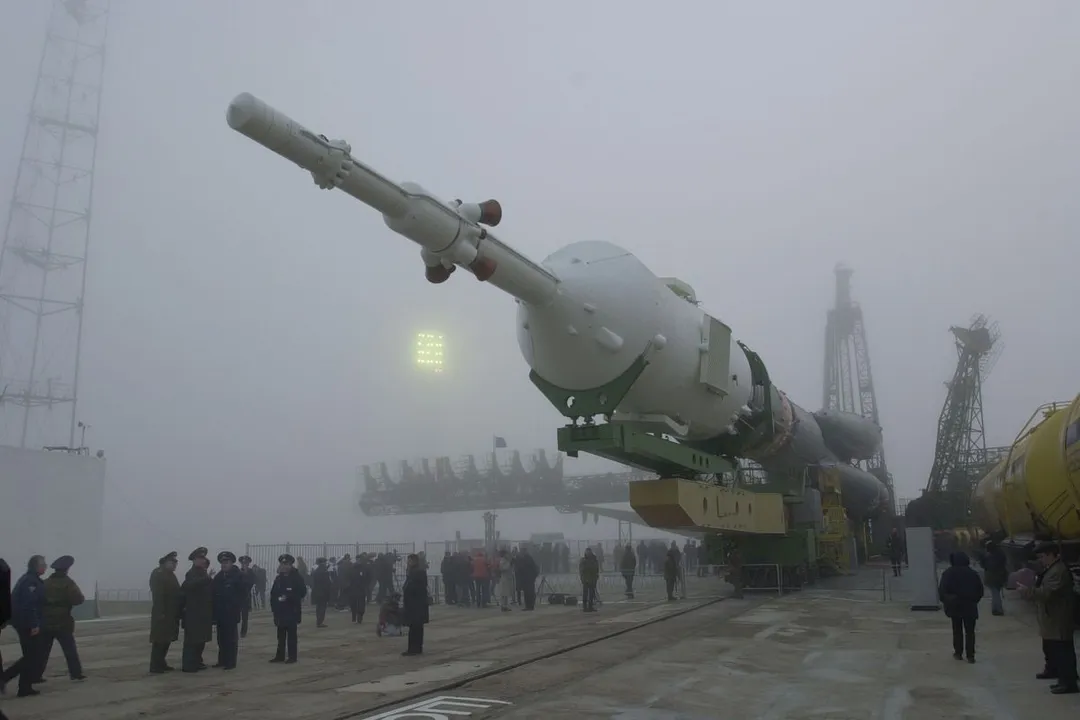
One of the most publicly scrutinized events in recent Soyuz history was the launch abort in October 2018, involving the Soyuz MS-10 mission carrying NASA astronaut Nick Hague and Russian cosmonaut Alexey Ovchinin. This incident provides a critical case study in the system’s safety design, even in failure. The problem manifested shortly after liftoff when a sensor error reportedly caused one of the rocket's four strap-on boosters to fail to separate cleanly from the core stage, leading to a collision between the components.
This collision immediately triggered the Zaslon automated abort sequence, designed specifically for such catastrophic in-flight anomalies. The system successfully separated the Soyuz crew capsule from the malfunctioning booster stack, firing its own escape motors to pull the capsule away from the unstable trajectory. The crew experienced significant G-forces during this emergency descent but survived to land safely in a remote area of Kazakhstan. The fact that the escape system performed its life-saving function perfectly underscores a key design philosophy in the Soyuz program: ensure crew survival even if the primary mission fails. The subsequent grounding of the rocket family to investigate the specific hardware failure demonstrated the necessary post-incident scrutiny.
# Failure Modes and Mechanisms
Soyuz rockets utilize a distinctive cluster of engines at liftoff, including the central core stage and four conical boosters clustered around it, all using kerosene and liquid oxygen. Failures are often traced to the complex choreography of these multiple engines and their separation events. The most critical failure mode for a crewed mission is one that occurs after the launch abort system is no longer effective—usually high in the ascent phase or during orbital insertion—though the early-stage abort capability is designed to cover the most statistically probable points of early failure.
The abort mechanism itself is engineered to be highly effective during the first few minutes of flight. It is an active system that senses severe deviation or engine failure and initiates a rapid separation of the crew module. For the MS-10 event, the sensors detected the anomaly, and the subsequent sequence worked as intended, culminating in a ballistic reentry profile that the crew capsule, which is hardened for such demands, could withstand. This system is a vital layer of defense, and its successful deployment, even though the primary launch failed, is often highlighted when discussing the overall safety envelope of the vehicle.
It is insightful to compare the failure modes across the decades. Early Soviet-era failures were sometimes attributed to simpler manufacturing inconsistencies or less advanced instrumentation. As the rocket matured, especially through the Soyuz-T, TM, and later MS variants, the points of failure shifted toward the increasing complexity of avionics and the delicate choreography required for sensitive cargo or crew transport. Modern failures often stem from subtle hardware deficiencies or software interaction issues, rather than the gross structural failures sometimes seen in earlier rocketry history.

# Modern Reliability Context
Focusing only on recent history reveals a high, though not perfect, level of reliability in the 21st century. While comprehensive statistics covering every sub-variant and every launch are difficult to consolidate in one place, analyses of recent records show that the rate of catastrophic failure remains very low compared to the high launch cadence required by the ISS program. The community tracking space launch successes often uses the Soyuz's performance as a benchmark against newer systems from other nations.
An interesting observation when examining flight statistics across different eras is how mission goals affect perceived reliability. Soyuz rockets launch a variety of payloads—from critical ISS crew capsules to small commercial satellites. A failure of an uncrewed satellite launcher, while a complete mission loss, does not carry the same immediate human consequence as a crewed failure, yet both count against the overall success tally when calculating raw vehicle reliability. If one were to isolate only the crewed missions, the statistical record looks even stronger, as those missions undergo much more stringent pre-flight checks and often use the most modernized hardware stacks.
This leads to an interesting point about engineering philosophy: the Soyuz approach appears to favor proven simplicity for critical systems, even while upgrading subsystems like navigation and telemetry. This conservative approach keeps the core design relatively stable, which arguably contributes to its long operational life and manageable failure rate. In contrast, some newer launch vehicles introduce more radical redesigns more frequently, which can sometimes lead to initial bumps in the failure curve that the Soyuz has largely already navigated decades ago.
# Post-Failure Recovery
The response to an in-flight failure, such as the 2018 event, is as telling as the failure itself. Following the MS-10 abort, an investigative commission was formed to determine the root cause. The subsequent grounding of the fleet allowed engineers to conduct exhaustive tests on the affected components across all ready-to-fly vehicles. This necessary pause, while costing launch opportunities, is an integral part of maintaining the high safety standards demanded by international partners.
The speed of the return to flight after such an event speaks to the institutional knowledge surrounding the vehicle. Once the specific faulty component was identified, rectified, and verified across the ground stock, the Russian space agency could resume launches with a high degree of confidence in the fix. This process of identifying, isolating, fixing, and re-certifying is crucial for sustaining trust in the vehicle's dependability, which is essential when the system is responsible for transporting international crews.
Another facet of recovery is the management of the contingency return vehicle. When a crew is on the ISS, there is always a Soyuz capsule docked, ready to serve as a lifeboat in case the station itself faces an emergency, or in case the next scheduled crew launch fails. This redundancy means that even if a ground launch failure occurs, the crew already in space has a reliable means of return, illustrating another layer of safety baked into the operational procedures surrounding the rocket system.

# Analyzing Risk Thresholds
When looking at the overall picture of success versus failure, one can analyze the acceptable threshold of risk that space agencies are willing to tolerate for access to space. For a system like Soyuz, which has been the sole vehicle for ferrying astronauts to the ISS for nearly a decade following the US Space Shuttle retirement, the operational imperative to launch frequently weighs against the inherent dangers of rocketry. The fact that the Soyuz has had a handful of failures, including one notable crewed loss in the early history (which predates some of the records mentioned here, showing the necessity of looking beyond just the recent records), while continuing to fly successfully thousands of times, suggests that the risk has been systematically driven down to a level deemed acceptable by its operators and international stakeholders.
It is noteworthy that a significant portion of the early failures involved the launch vehicle itself failing to complete its primary mission objective, often due to issues that modern telemetry would catch on the ground, or that the abort system would handle more gracefully. The evolution from the early Vostok-derived systems to the modern Soyuz MS shows a deliberate engineering effort to shift risk from the crew to the hardware, ensuring that the hardware fails in a predictable and survivable manner.
# Final Operational Perspective
Ultimately, assessing "how many times has Soyuz failed" is less about arriving at a single, absolute number—which changes depending on the start date and definition of failure—and more about understanding the context of its operational history. The system has a known, documented history of setbacks, which is common to all launch vehicles. However, the design features, such as the robust abort system, and the mature operational culture allow the program to absorb these failures, investigate them thoroughly, and return to flight with high confidence. The program has shown an ability to learn from every anomaly, from early unmanned tests to recent upper-stage issues, making it a fascinating subject for those interested in long-term aerospace reliability. The record speaks to resilience, born from continuous refinement over half a century of service.: [1] Reddit thread on Soyuz success rates: [2] Space.com article on Soyuz launch aborts: [3] SpacePolicyOnline list of failures since Dec 2010: [4] Astronomy.com article on Soyuz failure analysis: [5] NASA report on Soyuz history/design: [6] Wikipedia list of Soyuz missions: [7] SpaceNews article on Soyuz finesse in flight/failure: [8] Time article on the 2018 Soyuz failure: [9] The Guardian article on the 2018 grounding
Related Questions
#Citations
The success rate of Russian space launches in the last four years ...
A Russian Soyuz Rocket Launch Failed, But Its Abort Safety System ...
[PDF] list of russian space launch failures since dec. 2010
Soyuz rocket failure: What went wrong, and what happens next
[PDF] Estimating the Reliability of a Soyuz Spacecraft Mission
List of Soyuz missions - Wikipedia
Soyuz demonstrates finesse in flight and failure - SpaceNews
The Good News Buried in Thursday's Soyuz Rocket Failure | TIME
Rocket launches to be grounded while mid-air failure is investigated