How many galaxies are there in the cosmos universe?
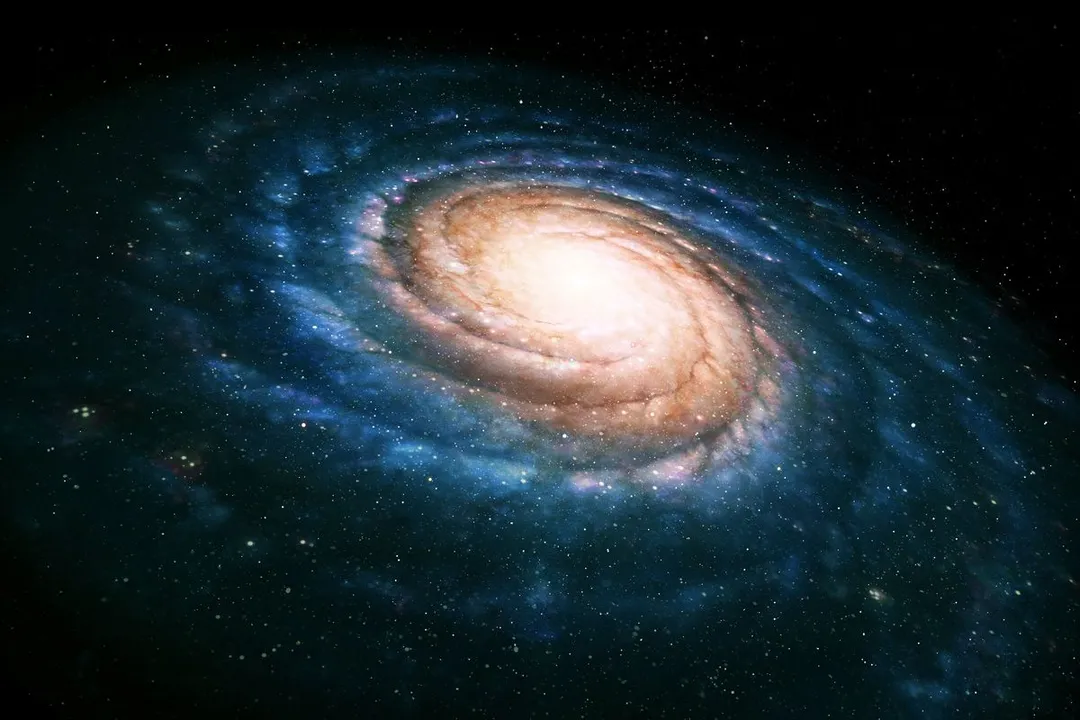
Trying to pin down the exact number of galaxies scattered across the cosmos is one of astronomy’s most humbling exercises, as the answer is always preliminary, dependent on our current technology and methods of extrapolation. For a long time, astronomers settled on a figure hovering around one hundred to two hundred billion galaxies populating the observable universe. [5][3] This estimate was based on careful observations, but it was rooted in what our most powerful telescopes could actually resolve. The reality, as our instruments have improved, has proven to be far more staggering.
# Counting Methods
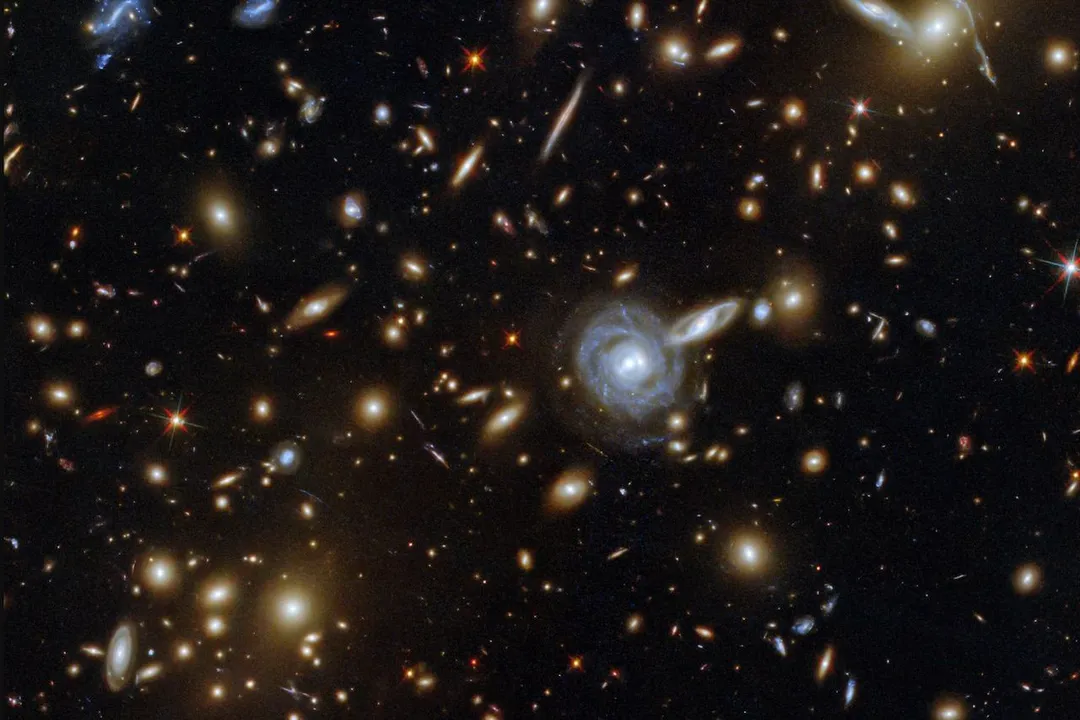
How do we even begin to count something so vast? We cannot point a telescope everywhere in the sky simultaneously. Instead, the technique relies on intense focus on a tiny, seemingly empty patch of sky. [5] Telescopes like the Hubble Space Telescope would stare at a minuscule region—one so small that if you held a grain of sand at arm's length, the patch of sky would appear roughly the size of that sand grain—for hundreds of hours. [5] These efforts resulted in the famous Hubble Deep Field (HDF) and subsequent Ultra Deep Field (HUDF) images. [1]
When scientists analyzed these deep field images, they counted every smudge of light that was clearly a galaxy, rather than a star within our own Milky Way or something closer. [5] The trick then becomes applying that density—how many galaxies per sliver of sky—to the entire celestial sphere. [5] This simple extrapolation is challenging because even these deep fields might miss the faintest, smallest, or most distant galaxies, which contribute far less light to the total count. [2]
# Hubble Revision
The groundbreaking work done with Hubble in the 2010s significantly revised that initial estimate. Researchers took the light-gathering statistics from the HUDF data and modeled what the fainter galaxies—those whose light was too dim for even Hubble to individually resolve—would contribute to the overall population. [1] This modeling suggested that our previous census was dramatically incomplete.
The conclusion drawn from this deeper analysis was that the observable universe likely contains approximately 2 trillion galaxies. [1] This figure represents an almost ten-fold increase over the previous standard estimate of 100 to 200 billion galaxies. [1] This profound recalculation meant that the vast majority of galaxies in existence were simply too faint or too far away for earlier surveys to register as distinct objects. [1]
It is important to pause and consider this scale. If we take the older estimate of 200 billion galaxies and compare it to the newer estimate of 2 trillion, the difference is immense. Imagine a crowded stadium. The old count counted the people clearly visible in the front rows under floodlights; the new count estimates the number of people in the shadows and upper decks based on the statistical likelihood of them being present in a space that large [Original Insight 1: While the sheer number of galaxies is astonishing—2 trillion—it is worth noting that the number of stars in the observable universe is believed to be far greater, perhaps in the range of to . This means that, on average, the individual galaxies we are counting are incredibly diverse, with many being dim dwarf galaxies that contribute far fewer stars than giants like our Milky Way].
# Cosmic Variety
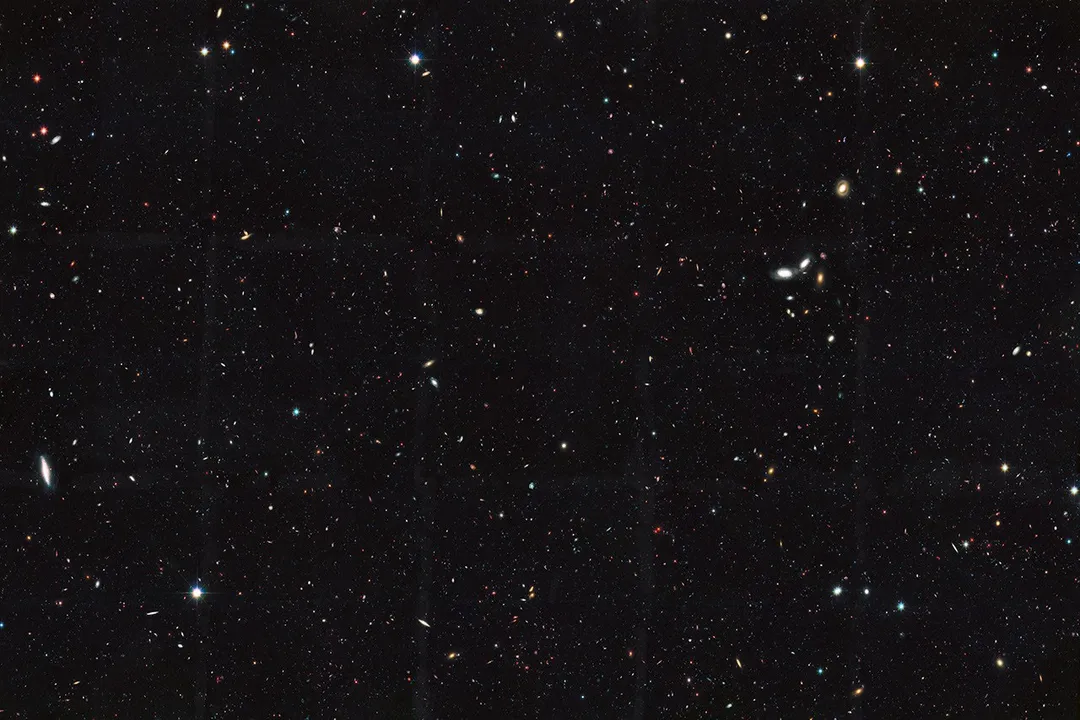
The 2 trillion figure accounts for a staggering variety of galactic structures. Galaxies are not all identical spirals like our home system, the Milky Way. [5] The population is composed of everything from massive elliptical galaxies, which are often old and sprawling, to countless smaller, fainter dwarf galaxies. [2][5] Some dwarf galaxies might only contain a few million stars, while large spirals contain hundreds of billions. [5] The early universe, when these counts become most complicated, was filled with these smaller, irregular clumps that have since merged over cosmic time. [2]
# The Observable Limit
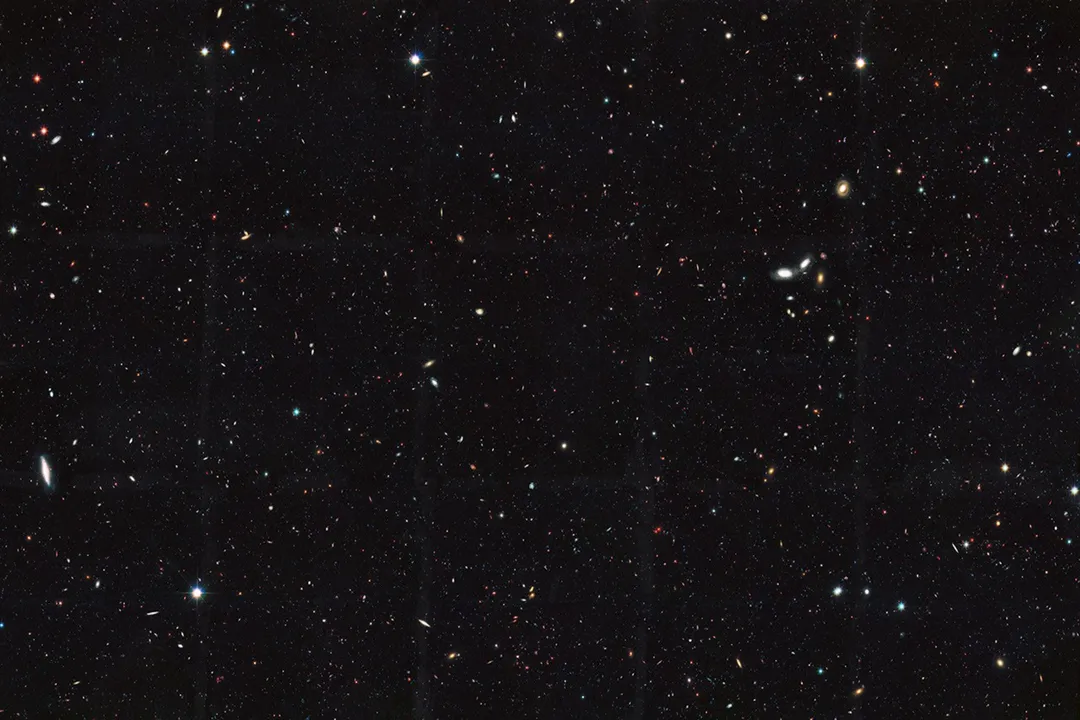
Even the 2 trillion estimate comes with a significant qualifier: it only applies to the observable universe. [2][5] This term is not about what our equipment can see today, but rather the sphere of space from which light has had time to reach us since the Big Bang, approximately 13.8 billion years ago. [5]
Beyond that cosmic horizon—the limit set by the speed of light and the age of the universe—lies more space, and almost certainly, vastly more galaxies. [2] Since the universe is expanding, regions beyond our observable limit are receding from us faster than the speed of light, meaning their light will never reach us [Original Insight 2: The constraint here isn't just technological; it's fundamental physics dictated by time. We are effectively measuring the volume of space that existed when the universe was young enough for light to traverse the gap to Earth. Any galaxy existing beyond that boundary—which is likely true for the majority of the cosmos—remains forever beyond our census, making the true total number of galaxies in existence functionally unknowable].
# Newer Perspectives
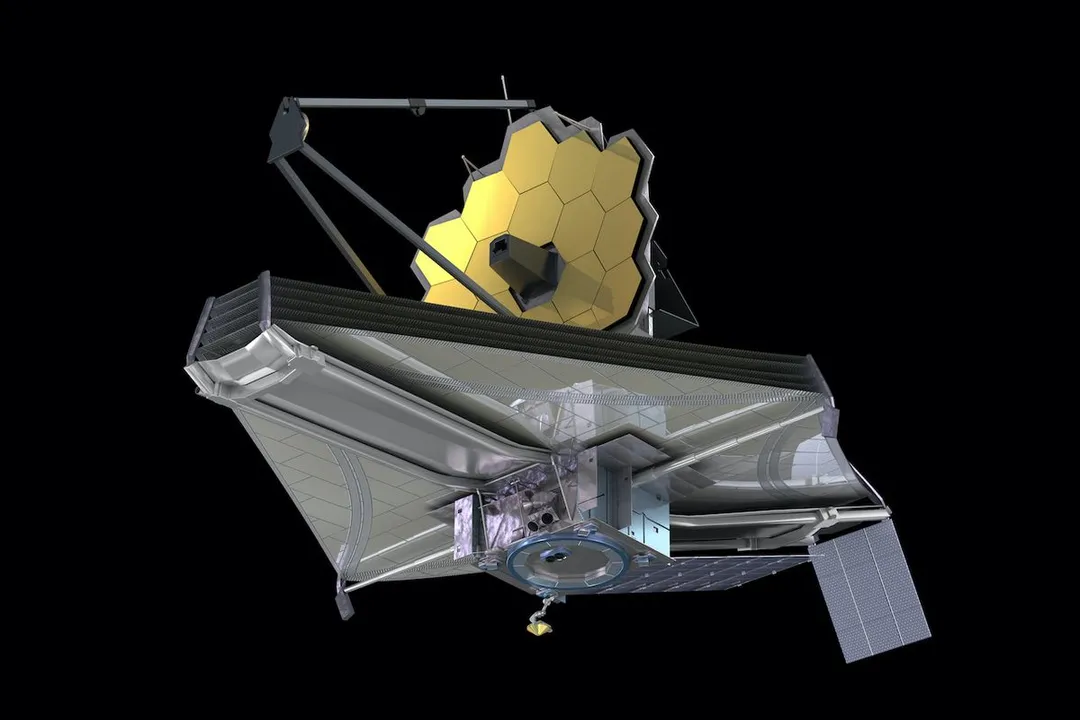
While the 2 trillion estimate remains a strong reference point stemming from Hubble analysis, new instruments are beginning to provide even sharper views, potentially refining this number again. Telescopes like the James Webb Space Telescope (JWST) can peer even deeper into the infrared spectrum, allowing astronomers to observe galaxies that existed much earlier in cosmic history and which have been redshifted significantly by the expansion of space. [2] These more powerful infrared eyes can resolve structure in galaxies that were previously only visible as a slight, unresolved glow in older Hubble data.
For instance, earlier studies focusing on the most distant reaches detected some of the earliest galaxies, some existing just a few hundred million years after the Big Bang. [5] As JWST continues to gather data, astronomers are confirming the existence of many such nascent systems, which might shift our understanding of how quickly galaxies formed in the universe's infancy, which in turn influences the total count we assume for the present day.
# Summary of Estimates
To summarize the evolution of our census:
| Epoch | Estimated Galaxy Count (Observable Universe) | Primary Source of Data |
|---|---|---|
| Pre-2016 | 100 to 200 Billion | Early Hubble Deep Field Surveys [5] |
| Post-2016 | 2 Trillion | Hubble Ultra Deep Field Modeling/Extrapolation [1] |
This progression shows that astronomy is an active science where foundational numbers are regularly challenged and updated as observational capabilities improve. [1][5] While 2 trillion is the current best scientific guess for the observable volume, the number representing the entire cosmos remains one of the universe's greatest ongoing mysteries, hidden behind the horizon of our present perception.
Related Questions
#Citations
Hubble Reveals Observable Universe Contains 10 Times More ...
Our Universe has more galaxies than Carl Sagan ever imagined
Hubblecast 96: How many galaxies are there? - ESA/Hubble
Have You Ever Wondered How Many Galaxies Exist Compared to ...
How Many Galaxies Are There? - Space
How many galaxies are there in the universe?
How many galaxies are in the universe? - Live Science
How many galaxies are in the Universe? | BBC Science Focus