Does Jeff Bezos have a rocket?
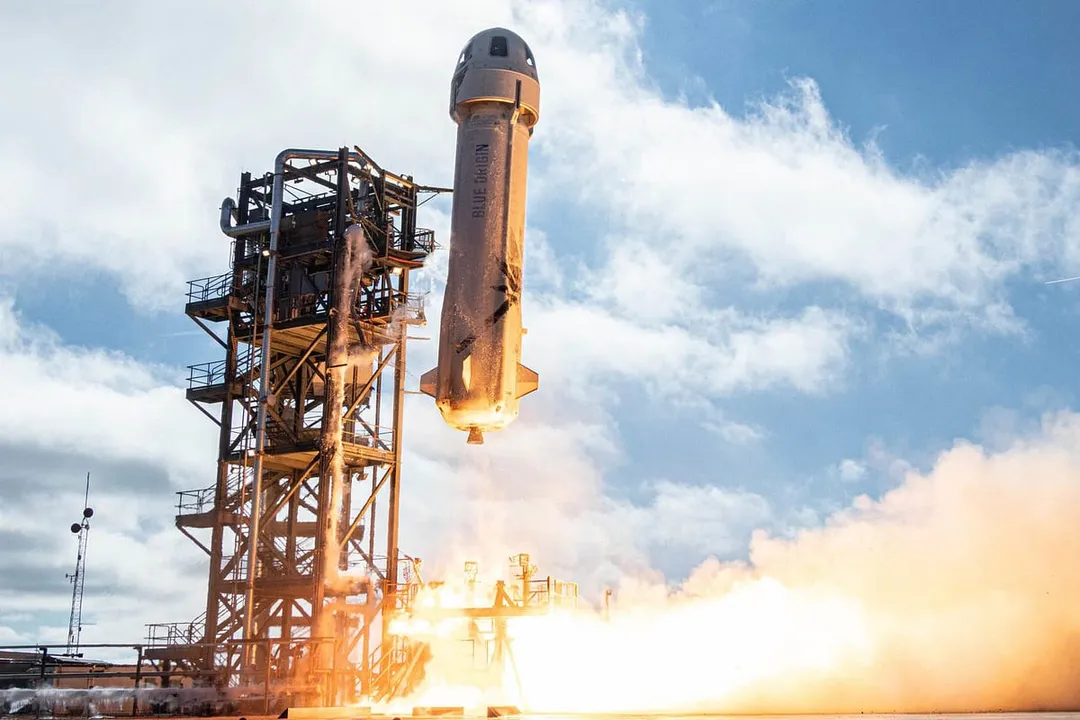
The answer to whether Jeff Bezos possesses a rocket is complex, but fundamentally, yes—through the aerospace company he founded, Blue Origin. [1][4] This venture represents his sustained interest in space exploration and development, distinct from his well-known retail empire. Blue Origin is not just theorizing about spaceflight; it is actively developing and operating launch vehicles designed for different scales of space access. [4] The company operates with the stated goal of enabling millions of people to live and work in space. [4]
# Vehicle Types
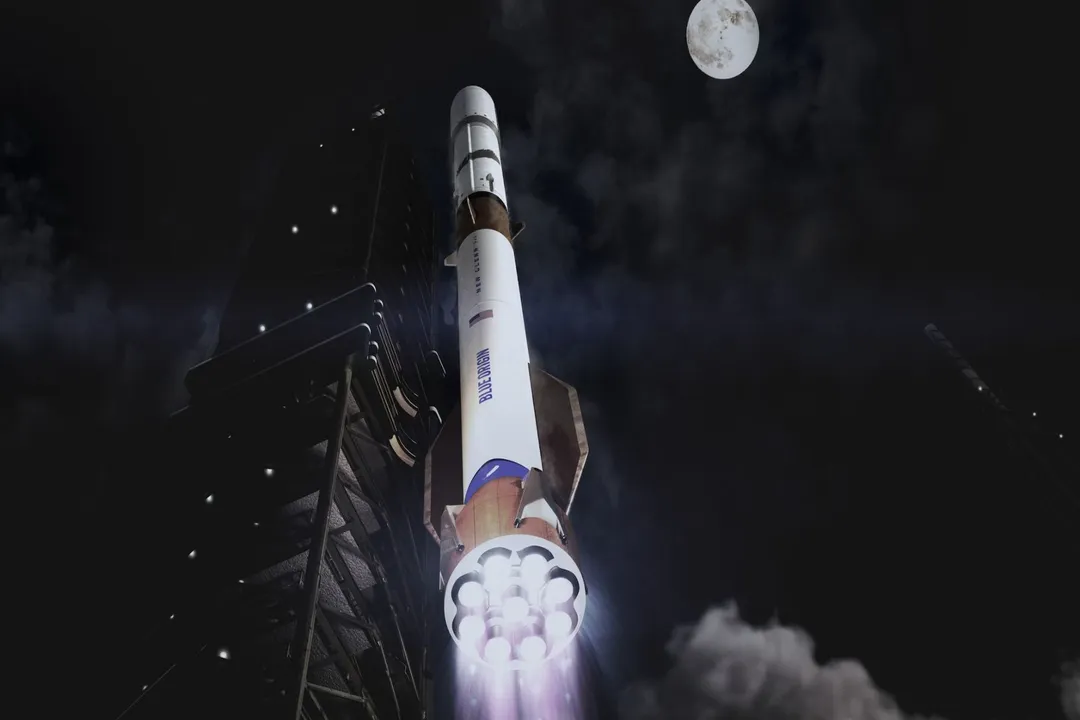
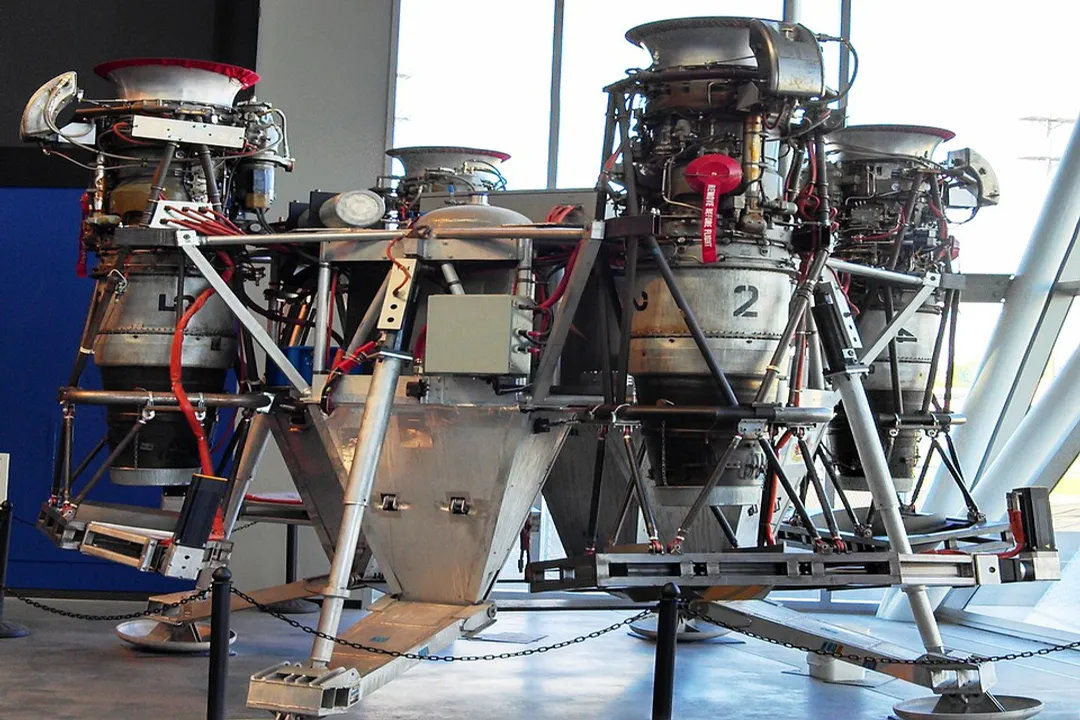
Blue Origin’s portfolio currently centers on two main rocket systems, each serving a distinct purpose in the aerospace ecosystem: the suborbital New Shepard and the much larger, orbital-class New Glenn. [1][4] Understanding the difference between these two is key to understanding Bezos’s overall strategy in the space industry.
# Suborbital Flights
The New Shepard vehicle is designed for up to six crew members to experience a few minutes of weightlessness before returning to Earth. [4] This system is primarily focused on space tourism and suborbital scientific research flights. [1] It is built to be fully reusable, with both the booster and the crew capsule designed to land vertically after ascent. [4] This contrasts with purely expendable systems by significantly reducing the cost per launch cycle through reusability, a core principle shared by several modern private space ventures. [2] While the public often sees images of this vehicle, it stays relatively close to Earth, reaching the edge of space rather than achieving sustained orbit. [1]
# Orbital Lift
The truly heavy-hitting component of Bezos’s space ambitions is the New Glenn rocket. [1][7] This is a super-heavy-lift orbital launch vehicle, meaning it is designed to carry substantial payloads, such as large satellites or components for future space stations, into Earth orbit and beyond. [6][7] New Glenn is designed to be substantially more powerful than New Shepard, necessary for the deep space missions and large infrastructure deployments that characterize orbital work. [1]
The development path for New Glenn also emphasizes reusability, particularly for the massive first stage booster, which is intended to return and land vertically, similar to the New Shepard model, though on a much grander scale. [4] Furthermore, the company has discussed plans to build an even more powerful, super-heavy version of New Glenn to address future heavy-lift needs. [7]
The operational cadence of New Shepard is focused on high-frequency, short-duration experiences, whereas New Glenn represents the capital-intensive, long-term infrastructure play required to build a sustained human presence off-world. [1][4]
This dual focus—short-term revenue and tourism via New Shepard while simultaneously building the heavy-lift capability of New Glenn—is a significant undertaking that requires immense, sustained capital investment, distinguishing it as an enterprise focused on developing foundational space access, not just niche services. [7]
# Design and Aesthetics

The visual appearance of Blue Origin’s rockets often draws comparisons to early American spaceflight hardware, which speaks to a specific design ethos. [2] For instance, the New Shepard rocket’s vertical configuration and overall aesthetic have sometimes been noted for their resemblance to the historic Saturn V rocket, though scaled down. [2] This visual nod connects the modern private space efforts to the legacy of NASA's Apollo program, perhaps subtly suggesting a link to that era's ambitious goals. [2][3]
The medium through which these rockets are often discussed—social media like Reddit—shows a keen public interest in both their functional capability and their appearance. [6] People tracking these developments are often focused on the milestones, such as successful engine tests or the first orbital test flights. [6][8]
If we consider the sheer scale of the enterprise, it’s interesting to observe how these massive engineering projects exist alongside Bezos’s other high-profile endeavors. For example, reports on his real estate acquisitions sometimes use exaggerated comparisons, noting that some of his properties are so vast they are likened to spaceships themselves. [5] This juxtaposition highlights the immense resources that underpin a private space effort, where the cost of developing even one reusable orbital-class rocket represents a multi-billion-dollar commitment. [7]

# Engineering Challenges
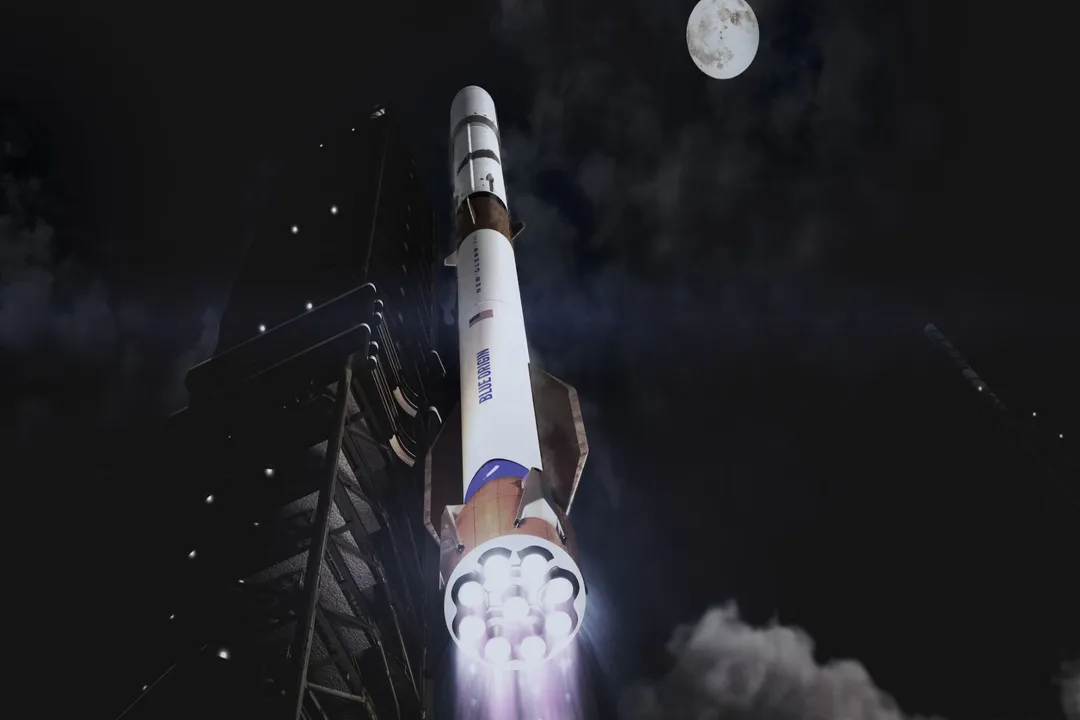
Developing large, reusable rockets like New Glenn presents engineering hurdles far exceeding those of suborbital craft. Achieving reliable, high-reusability for a vehicle designed to haul massive payloads into orbit requires mastering complex reentry, guidance, and landing procedures under extreme stress. [4][7] The fact that Blue Origin is aiming for a super-heavy variant of New Glenn signals a commitment to developing capacities needed for potential future lunar or even Martian infrastructure, tasks that demand capabilities beyond what is needed for simply reaching Low Earth Orbit. [7]
One might observe that while the suborbital New Shepard has seen operational success for tourism and science, the real metric for Blue Origin's long-term success in changing space access will be the reliability and performance of New Glenn in the competitive orbital launch market. [1][8] The orbital market demands rigorous certification and consistent execution, as payload integration costs and mission risks are exponentially higher than for a brief trip to the Kármán line. [4]
The company's progress is tracked closely by the industry, with recent activity confirming ongoing work across their programs. [8] This persistent effort confirms that for Jeff Bezos, through Blue Origin, the goal is not simply to have a rocket, but to establish a durable, reusable pathway to space that supports expansive future human activity off-planet. [4] The tangible result of this effort is a fleet of hardware moving from design and testing phases toward regular service, signifying a significant, tangible asset in the burgeoning commercial space sector. [1][8]
#Videos
Jeff Bezos's Blue Origin launches rocket carrying Nasa spacecraft ...
Related Questions
#Citations
Blue Origin - Wikipedia
Why Jeff Bezos' Rocket Looks Like That | by The Secret Developer
Jeff Bezos's Blue Origin launches rocket carrying Nasa spacecraft ...
Blue Origin: Home
Jeff Bezos and Lauren Sanchez Install Spaceship at Their $165 ...
Jeff Bezos's Blue Origin launches New Glenn rocket with payload ...
Jeff Bezos' Blue Origin will build a 'super heavy' version of ... - Space
Jeff Bezos' New Glenn rocket reaches orbit on first test flight - NPR