Did the FAA change astronaut definition disqualifying Jeff Bezos?
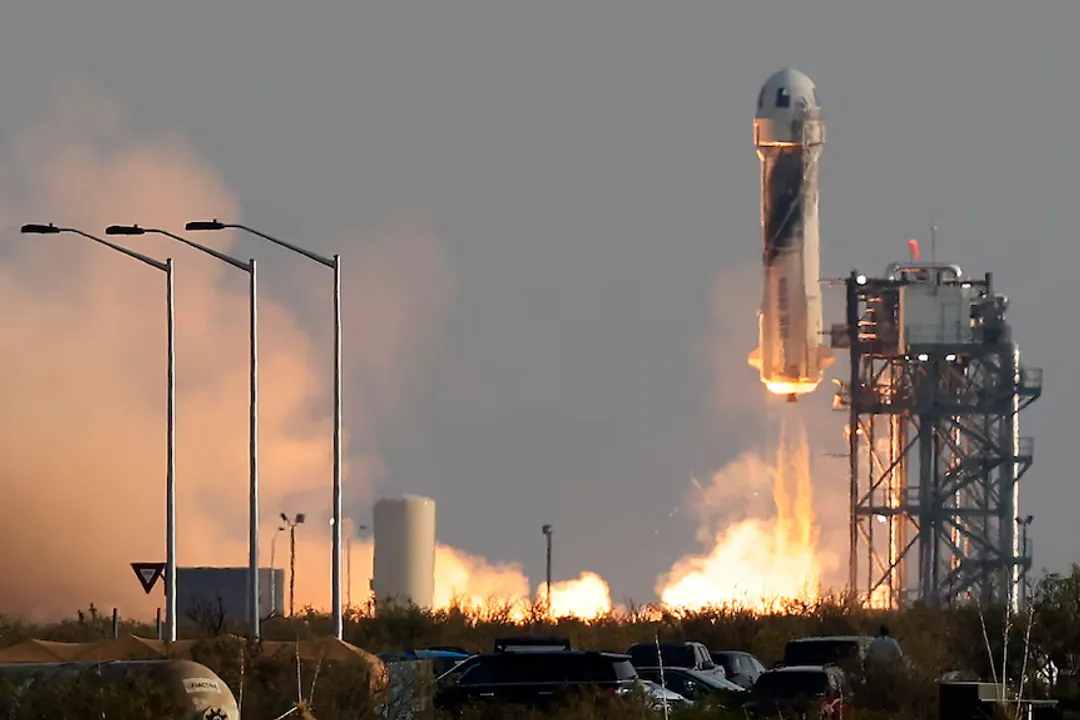
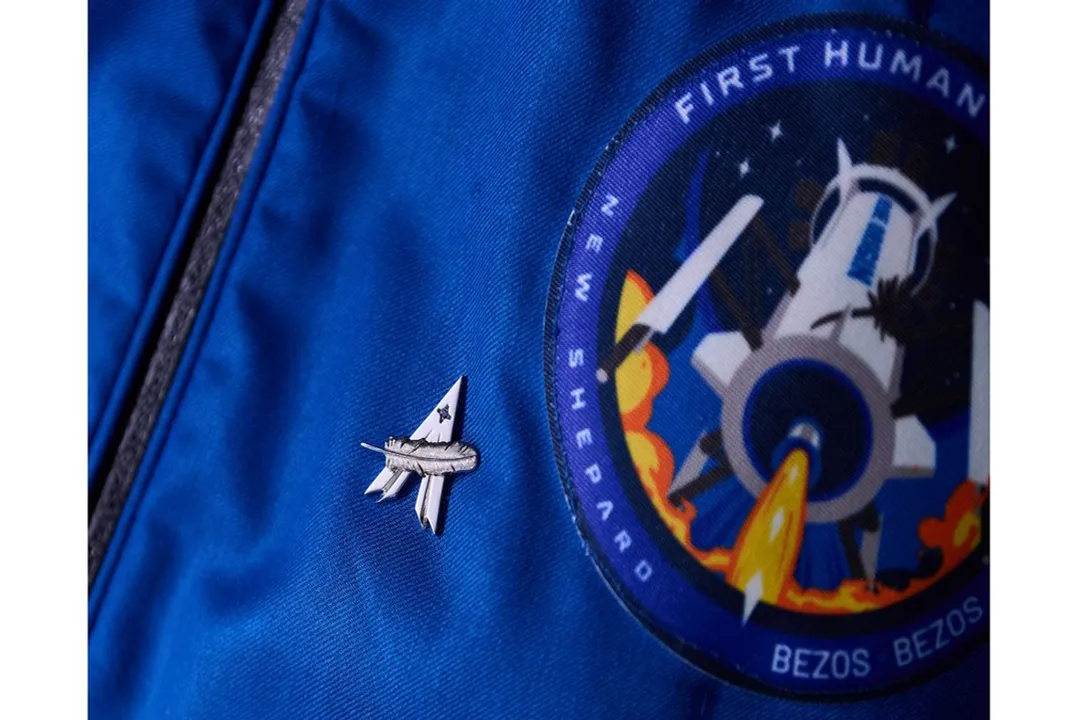
The question of whether the Federal Aviation Administration (FAA) quietly altered its definition of an astronaut specifically to deny Jeff Bezos the recognition he earned aboard his Blue Origin flight has generated significant conversation in the world of commercial spaceflight. [4][6] Shortly after Bezos completed his suborbital trip on July 20, 2021, news circulated that the agency had put its commercial astronaut wings program on hold. This timing naturally led to speculation: was this a retroactive slap in the face to the world’s richest man, or simply bureaucratic housekeeping catching up with a rapidly evolving industry?[1][2] The reality involves a subtle but important distinction between international space standards and the FAA's domestic recognition program. [5]
# Space Boundary
Understanding the context requires looking at where space officially begins. Globally, the most widely accepted boundary is the Kármán line, situated at 100 kilometers (about 62 miles) above sea level. [5] This line is traditionally used by international bodies to denote the point where the atmosphere becomes too thin for conventional aerodynamic flight, thus beginning the realm of space. [5]
Jeff Bezos’s Blue Origin New Shepard capsule crossed this recognized threshold, flying to an altitude of roughly 66 miles. [5] This meant that by the international standard, Bezos was unequivocally an astronaut who had touched space.
However, the FAA’s criteria for awarding its commercial astronaut wings historically set the bar slightly lower, at 50 miles (about 80 kilometers). [2][5] This 50-mile benchmark is often referred to as the U.S. Air Force/NASA definition for spaceflight. Richard Branson, who flew on Virgin Galactic’s VSS Unity nine days prior to Bezos, reached an altitude above 50 miles but below the Kármán line. [7][5]
This discrepancy in altitude standards presents an interesting layer to the discussion, even before the FAA announced its policy review. If the FAA had been strictly applying its historic 50-mile rule, both Bezos (at 66 miles) and Branson (at about 55 miles) would have qualified under the previous domestic standard. [5] The comparison of their respective achievements versus the established domestic benchmark is telling:
| Astronaut | Vehicle | Date | Altitude (Approximate) | International Status (Kármán Line 100 km) | FAA Wing Status (Pre-Pause) |
|---|---|---|---|---|---|
| Richard Branson | VSS Unity | July 11, 2021 | 55 miles (89 km) | Below | Qualified |
| Jeff Bezos | New Shepard | July 20, 2021 | 66 miles (107 km) | Above | Qualified |
This comparison highlights that, on the day of his flight, Bezos exceeded both the 50-mile U.S. benchmark and the 100 km Kármán line, whereas Branson’s flight was slightly short of the international standard but above the domestic one. [5]
# Astronaut Wings
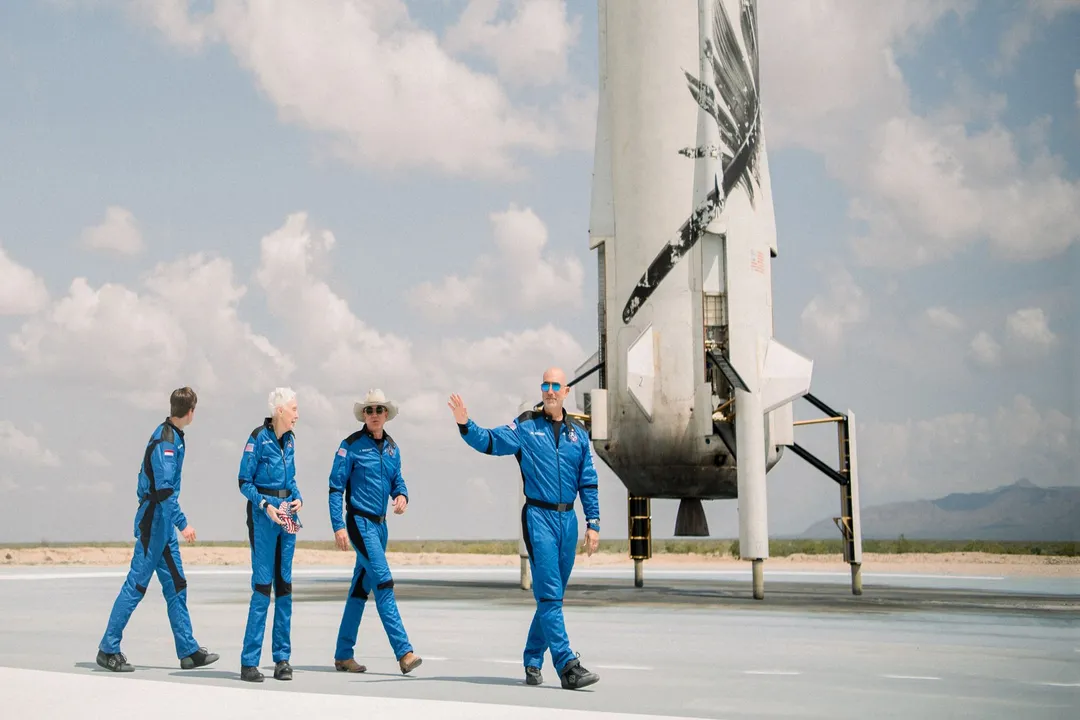
The FAA’s commercial astronaut wing program was established to recognize private individuals who flew on commercial spacecraft above the established 50-mile threshold. [2][5] These wings are meant to acknowledge the pioneering nature of these private flights, serving as a symbol of achievement within the burgeoning commercial space sector. [7]
Richard Branson received his wings shortly after his flight. [7] The expectation was that Jeff Bezos, having flown higher than Branson, would receive his wings soon after his own successful mission. [4] It was in this context—with one wealthy space tourist having received the honor and the next poised to receive it—that the FAA’s announcement caused ripples of suspicion. [6]
# Rule Pause
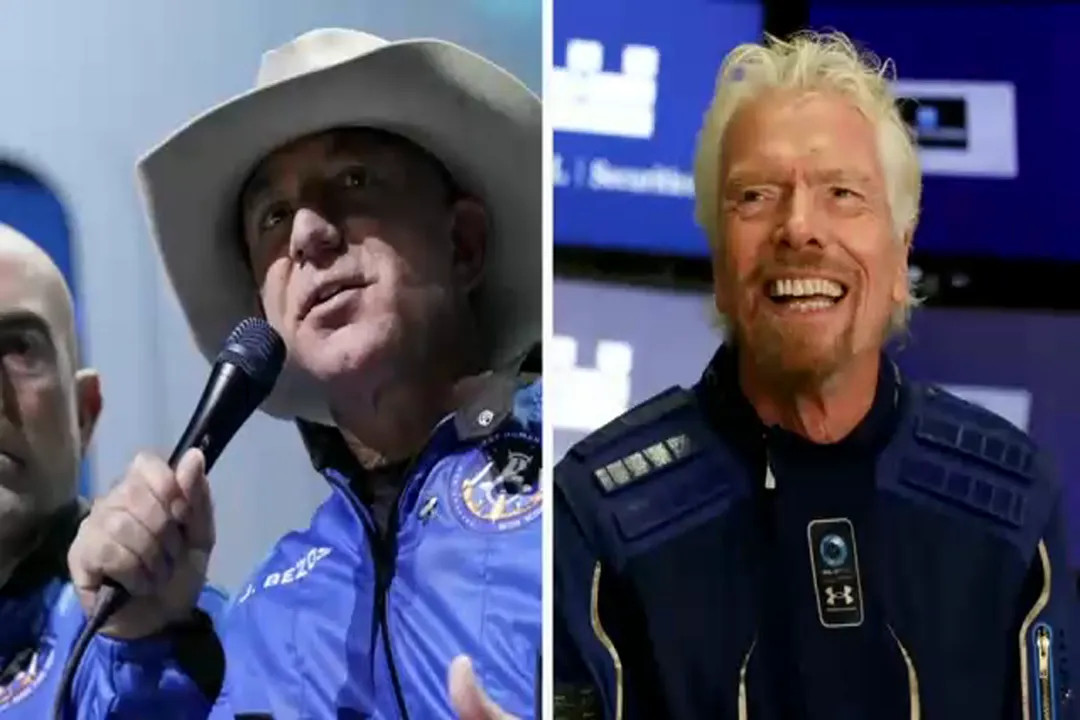
The crucial action taken by the FAA was not a formal amendment to the definition of an astronaut or a retroactive disqualification of Bezos. Instead, the agency announced it was pausing the eligibility requirements for the commercial astronaut wings program. [5][2][1] This pause was implemented just days after Bezos’s flight. [1][6]
The timing made it seem as if the agency pulled back the honor just as Bezos was due to receive it. However, sources indicate that the process of vetting and awarding the wings takes time, meaning Bezos hadn't been formally awarded them yet, even before the pause was announced. [4][1] The program’s suspension meant that no one would receive wings while the review was underway. [5]
Some commentators suggested this pause was a reaction to the high-profile nature of the flights by billionaires like Bezos and Branson, implying a desire to slow down the recognition process until clearer long-term policies could be established. [7][4] This perception fueled the narrative that the FAA was reacting specifically to Bezos, perhaps feeling that simply flying up and back should not automatically confer the honor without further review. [6]
# Criteria Review
The FAA offered a more pragmatic explanation for the temporary halt. The commercial space industry is evolving incredibly quickly, with new suborbital and orbital vehicles entering service. [5] The agency stated the pause was necessary to review and update the criteria for awarding the wings, ensuring the designation remains relevant and meaningful as the industry matures. [5][1]
The FAA clarified that this review was not a commentary on the accomplishments of those who had already flown. They explicitly stated that the pause did not retroactively disqualify anyone who had already flown and received wings prior to the decision. [1] This suggests the review was aimed at setting standards for future flyers, not invalidating past achievements like Branson's. [1]
A significant component of this review likely involves how to handle the growing number of commercial space tourists who are paying for brief trips to the edge of space, as opposed to career astronauts who train for years for orbital missions. [3][7] The term "astronaut" itself carries historical weight tied to NASA and government missions, and the commercial sector is forcing a reassessment of what that title signifies in the 21st century. [3][4] Deciding whether every passenger who crosses 50 or 62 miles gets wings, or if a higher bar (like multi-day orbital flights) is needed for the distinction, is exactly the kind of policy question a review panel would address. [1]
# Bezos Status
So, did the FAA disqualify Jeff Bezos? Based on the official statements, no, they did not retroactively disqualify him. [1] He flew above the U.S. recognized threshold of 50 miles, and any honors already granted stood firm. [1][5]
However, the new rules resulting from the criteria review could affect whether future Blue Origin passengers receive wings. Since the program was paused, Bezos’s formal wing presentation was delayed indefinitely, pending the outcome of the review. [5] Essentially, his flight was recognized as valid, but the administrative process for conferring the physical wings was temporarily suspended for everyone. [1]
This situation shines a light on how quickly technology outpaces regulation. When the original wing criteria were set, commercial spaceflight was largely theoretical; now, it is a reality bringing in billions of dollars. [3] The FAA is now tasked with defining the experience necessary for an honorific title in an era where wealth, not necessarily years of professional training, can buy a ticket to the edge of the atmosphere. [7] The debate isn't just about altitude; it's about the perceived value and exclusivity of the astronaut title itself in a commercial context. [4][3] While Bezos’s achievement is cemented by crossing the Kármán line, the official U.S. governmental recognition for crossing the 50-mile mark was caught in administrative limbo due to the review. [5] The experience of those early commercial space tourists is now shaping the regulatory environment for everyone who follows.
Related Questions
#Citations
FAA changes policy on who qualifies for commercial Astronaut ...
FAA Definition Of 'Astronaut' Officially Changed On Day Of Bezos ...
Amazon's Jeff Bezos, Virgin Galactic's Richard Branson stripped of ...
Is Jeff Bezos Really an Astronaut? - The New York Times
New FAA rules change who qualifies for commercial astronaut wings
The FAA Changed Its Definition of 'Astronaut' on the Same Day Jeff ...
Jeff Bezos, Richard Branson Don't Qualify for Astronaut Wings: FAA
Who gets to be called an astronaut? It's complicated - NBC News
Jeff Bezos unlikely to be considered an astronaut as US tightens ...