When can you be called an astronaut?
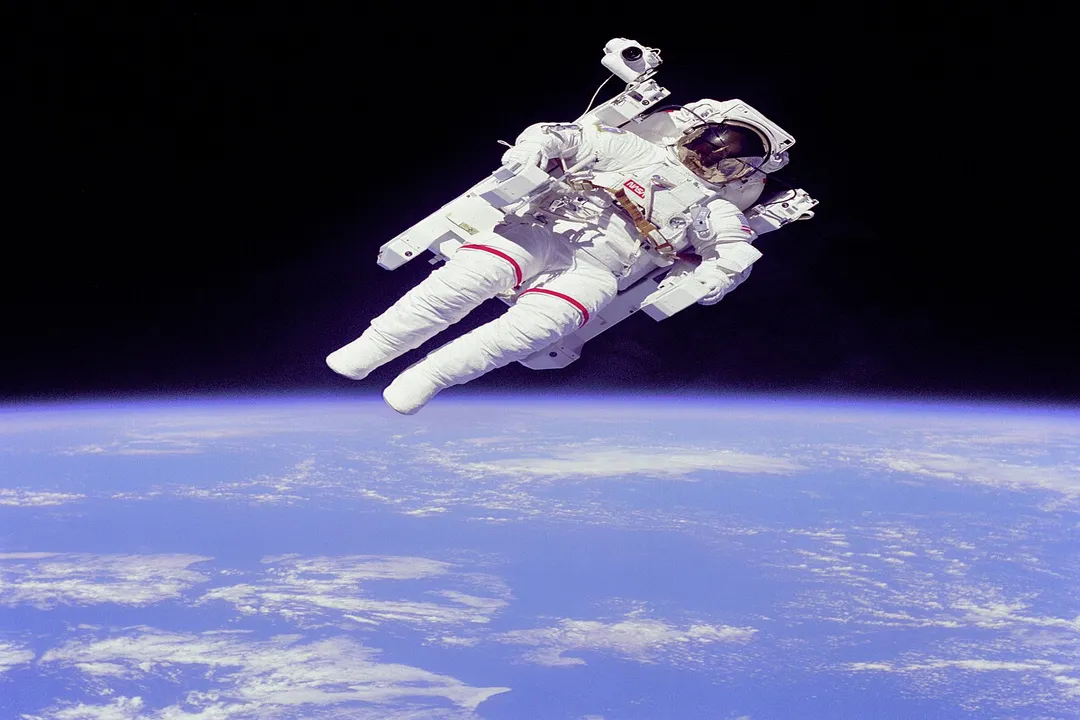
The title of "astronaut" carries immense weight, conjuring images of groundbreaking achievement, scientific dedication, and incredible physical and mental rigor. Yet, the precise definition of who earns the right to use this designation is surprisingly fluid, often depending on geography, historical precedent, or even the organization signing the paycheck. It’s not just about going to space; it’s about how you got there and, crucially, who is doing the defining.
# Altitude Standard

The most basic, physical criterion for earning the title often revolves around altitude. For many decades, different international bodies have used varying benchmarks to signify the boundary between Earth's atmosphere and space. In the United States, both the military and NASA have historically recognized anyone who flies above 50 miles (80 kilometers) in altitude as an astronaut. This standard is rooted in the history of the US space program and its predecessor, the US Air Force.
However, the internationally recognized boundary, often referred to as the Kármán line, sits much higher, at 100 kilometers (about 62 miles) above sea level. This 20-kilometer difference becomes highly relevant when examining recent private spaceflights. An individual who reaches 85 kilometers might meet the US definition but fall short of the international standard. Historically, the Soviet Union and Russia also adopted the 100-kilometer definition, meaning that while the US recognized its own test pilots who flew sub-orbital trajectories reaching 50 miles, European and Russian agencies might not have officially conferred the "cosmonaut" (the Russian equivalent) title upon them unless they crossed the higher threshold.
# Agency Requirements
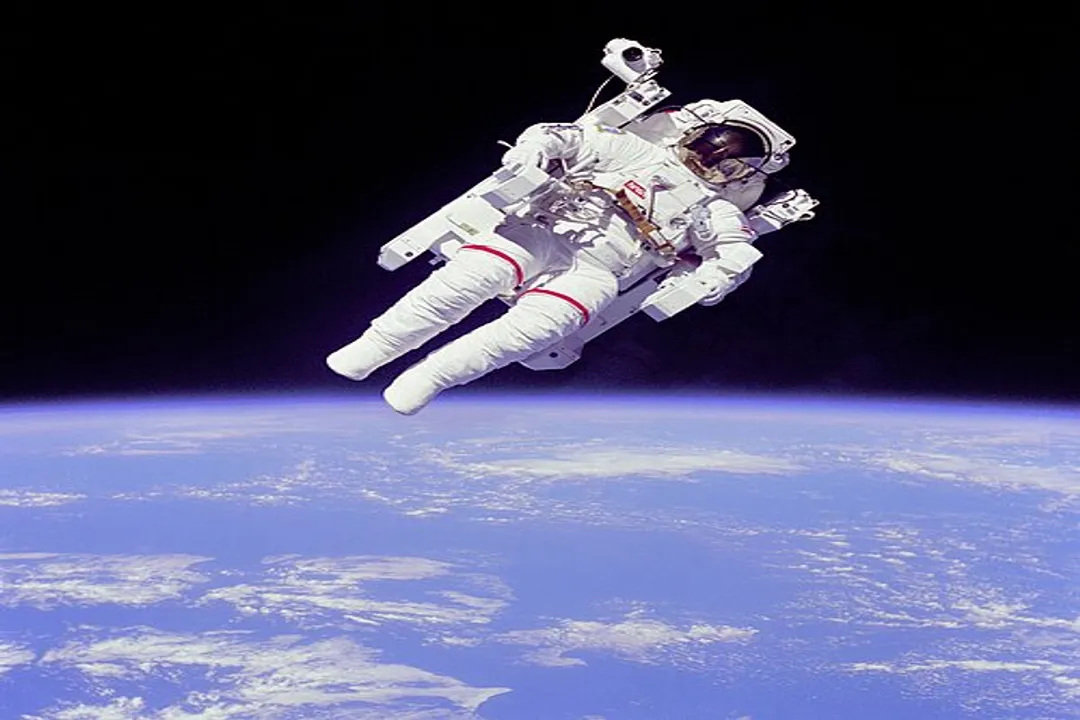
Altitude alone, even at 100 kilometers, doesn't automatically grant the status. For career astronauts selected by major government agencies like NASA, the process involves rigorous selection and years of demanding training. NASA typically selects candidates from a highly qualified pool of applicants who possess advanced degrees in STEM fields, substantial professional experience, or extensive pilot time. These individuals are not just passengers; they are employees undergoing specific astronaut candidate training before they are formally assigned to a flight mission.
NASA maintains a clear distinction: an "astronaut" is someone who has successfully completed formal training and has been assigned to a mission, while a "non-astronaut" is someone who flies in space but has not met the agency's specific training criteria. This implies that one could theoretically fly above 50 miles but still not be officially referred to as a NASA astronaut if they lacked that formal credentialing process. This organizational authority is key; it’s about belonging to the corps.

# Commercial Blur
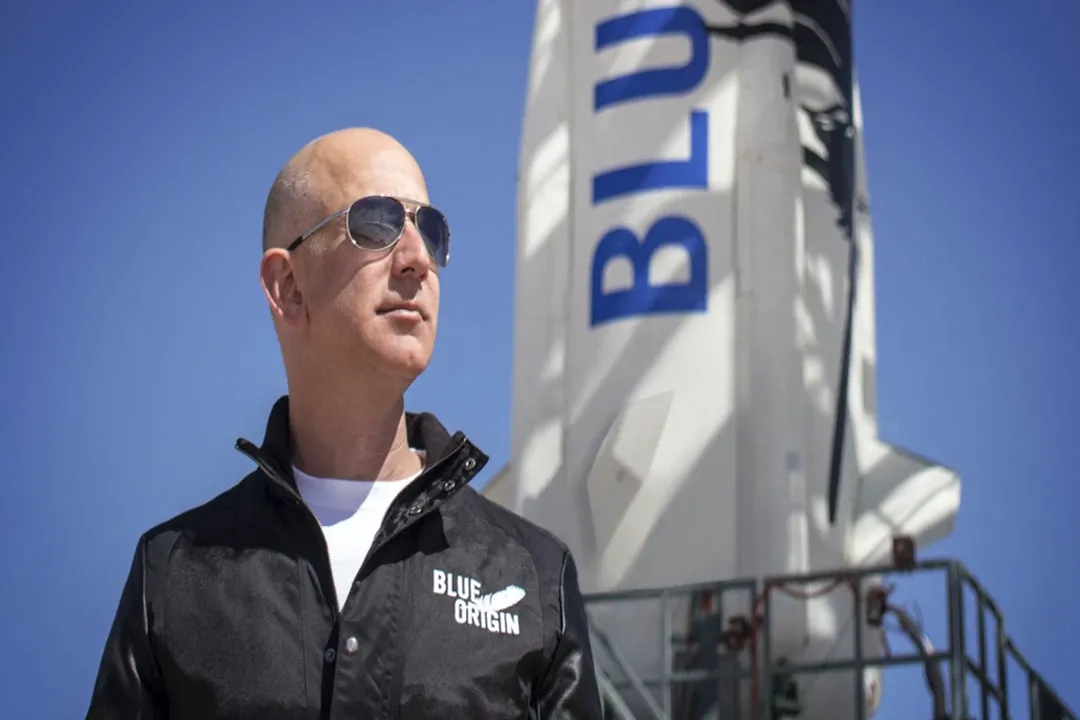
The advent of private spaceflight has dramatically complicated the conversation, moving the designation from being almost exclusively the domain of government service to the realm of wealthy travelers or company employees. Companies like Blue Origin and Virgin Galactic have begun sending individuals to space or the recognized boundary of space.
Virgin Galactic flights, for instance, currently cross the 50-mile mark, which qualifies their crew under the US standard, leading them to officially award astronaut wings to their flyers. Blue Origin’s New Shepard flights, however, consistently cross the 100-kilometer Kármán line, putting their passengers firmly above the international standard. This divergence highlights the core issue: if one agency awards wings based on 50 miles and another requires 100 kilometers, who is truly an astronaut?
Many observers, especially those in the space community, draw a sharp line between a professional, career astronaut—trained for years to operate, repair, and conduct science during long-duration missions aboard craft like the International Space Station—and a spaceflight participant. The former often spends years in training for contingencies and mission objectives; the latter might experience a few minutes of weightlessness as part of a private commercial ticket. The sentiment often expressed is that the title should reflect a profound commitment and a professional role, not merely the ability to afford a ticket.
The difference in preparation is substantial. A career astronaut must master systems across multiple disciplines, from orbital mechanics to medical emergencies. A private flyer, while undoubtedly brave and dedicated to their own journey, has a fundamentally different risk profile and training curriculum focused primarily on safety during ascent and re-entry for a brief trip.
# Ground Crew Status
Another fascinating layer of complexity involves the essential personnel who enable spaceflight but never leave the ground. Mission controllers, spacecraft engineers, and flight surgeons are undeniably expert space professionals, holding immense responsibility for the safety and success of every mission. Could they be called astronauts? In the traditional, flight-focused sense, no.
However, there are exceptions based on historical roles. Certain individuals who flew on early, experimental X-15 rocket plane flights at high altitudes were retroactively given astronaut wings by the FAA because their flights were critical precursors to the space program, even if they didn't meet the later agency standards. This suggests that context and historical precedent can sometimes override strict current altitude rules. If a person’s experience was integral to creating the possibility of future spaceflight, an honorific might be granted.
When considering this professional divide—the space traveler versus the ground controller—it becomes clear that the term "astronaut" is best understood as an official designation conferred by an organization responsible for spaceflight, rather than just a description of an activity. Think of it less like the generalized term "pilot" and more like the specific title "Naval Aviator".
For an individual trying to navigate this evolving landscape, understanding the source of the award is the best measure. If you are working toward a career in space exploration, the goal is typically to achieve the designation given by a national agency or a formal international program like the ESA or JAXA. If you are a wealthy individual taking a brief suborbital trip, the designation you receive, while potentially official within that private company's hierarchy (e.g., Virgin Galactic's wings), may not carry the same historical or professional weight in the broader space community.
# Differentiating Space Roles
To gain clearer insight into where the line truly rests today, it is useful to categorize the different roles associated with getting into space:
| Role Category | Typical Altitude | Primary Agency/Sponsor | Focus of Training | Associated Title/Honorific |
|---|---|---|---|---|
| Career Astronaut | Orbital (>100km) | NASA, ESA, Roscosmos | Long-duration operations, maintenance, science | Astronaut, Cosmonaut |
| US Military/Test Pilot | Suborbital (>=80km) | US Air Force/Navy | High-speed, high-altitude experimental flight | Astronaut (Historical/FAA Wings) |
| Commercial Space Traveler | Suborbital (<100km) | Private Company (e.g., Blue Origin) | Safety briefing, system familiarization | Spaceflight Participant (sometimes awarded wings) |
This distinction shows that while the Career Astronaut remains the gold standard—someone who has met the demanding educational criteria, survived selection, completed specific training, and flown an official orbital or professional mission—the other categories represent edge cases that challenge the neatness of the definition. The fact that the FAA issues wings to those flying above 50 miles, while NASA requires a formal astronaut candidate program, illustrates a bureaucratic split over the same physical boundary.
When looking at the community discussions, there is often a strong emotional argument for reserving the title for those who have dedicated their lives to the profession, viewing the quick commercial flights as exciting but fundamentally different achievements. This view emphasizes expertise and experience over a single flight event.
Ultimately, the most enduring definition hinges on the intent of the authorizing body. If an agency invests years in preparing someone for complex, long-term missions, that person is an astronaut. If a company wants to celebrate a paying customer who briefly experienced weightlessness above 50 miles, they can confer wings, but the historical definition remains tethered to professional qualification and typically, orbital flight. The title is less a permanent scientific label and more a badge of professional honor granted by an established authority, an honor that is currently being re-negotiated by the rapidly advancing commercial sector.
#Videos
What are the qualifications to be called an 'astronaut' ? - YouTube
Related Questions
#Citations
Astronaut - Wikipedia
Astronauts - NASA
Who gets to be called an astronaut? It's complicated - NBC News
Discussion about using the 'Astronaut' title : r/space - Reddit
How does NASA define the terms 'astronauts' and 'non ... - Quora
What are the qualifications to be called an 'astronaut' ? - YouTube
Do You Have What It Takes to Be an Astronaut? - Scientific American
Definition of an Astronaut
What is an astronaut? - by Graham Lau - The Cosmobiologist