What are large gas clouds called?
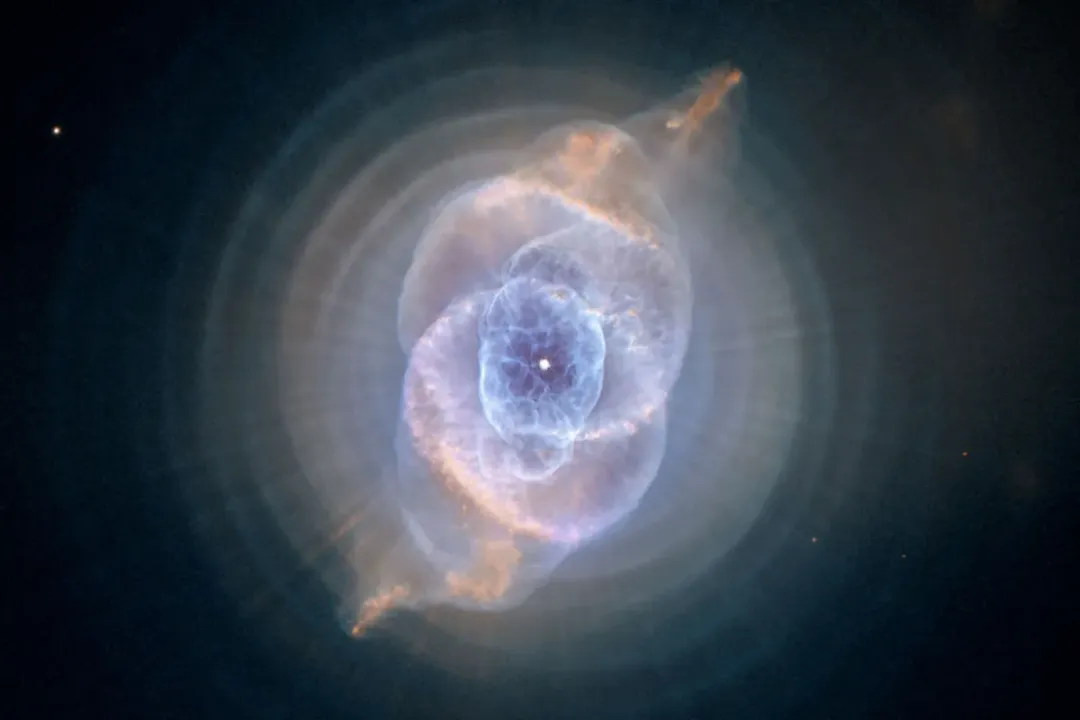
Vast, mysterious regions scattered across the cosmos, these immense concentrations of matter floating in the void between stars are generally referred to as nebulae, which is the plural form of the Latin word nebula, meaning "mist" or "cloud". [2][6] They are not just amorphous smudges; they represent the fundamental building blocks and the eventual debris of stellar life cycles. [1][5] To call them merely gas clouds is accurate, but it only captures a small fraction of their significance, as they are complex mixtures of gas and dust spread across incredible distances. [1][3][7]
# Cloud Makeup
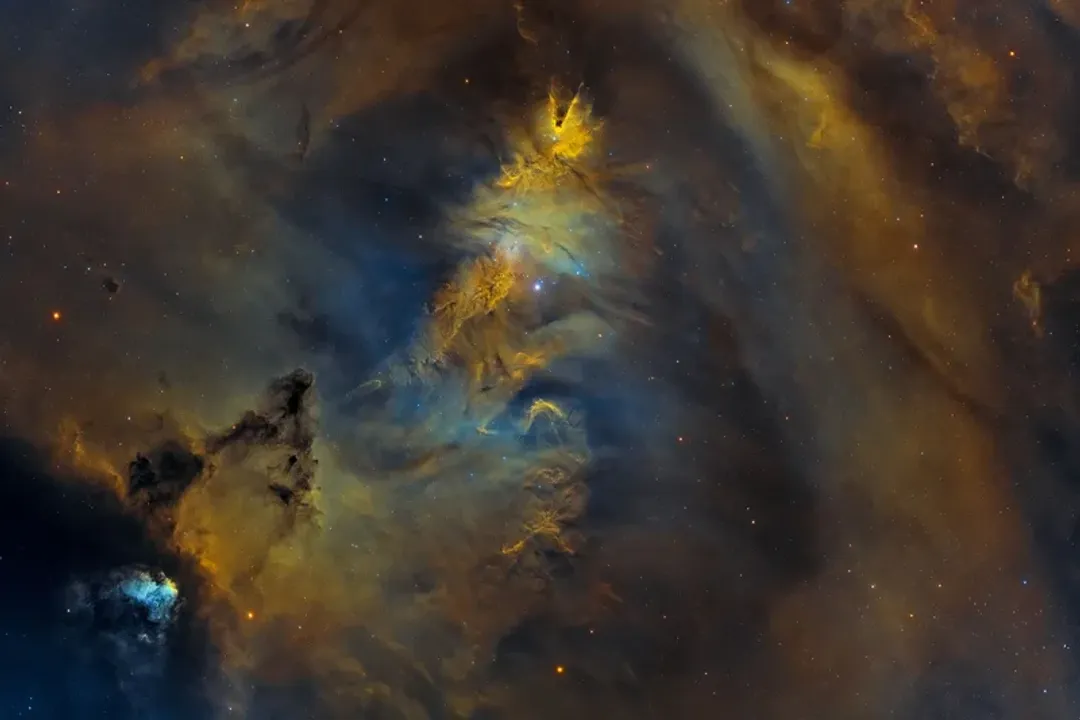
At the most basic level, a nebula is an interstellar cloud composed primarily of hydrogen and helium, the two lightest and most abundant elements in the universe. [1][2][7] However, these clouds are never pure gas. Mixed in with the gaseous components is cosmic dust—tiny solid particles made up of heavier elements like carbon and silicates. [1][7] The sheer scale of these formations is difficult to grasp; they can span light-years across, making them incredibly diffuse compared to anything we experience on Earth. [7] For instance, even in the densest parts of a nebula, the material density is far lower than the best vacuum achievable in human laboratories on our planet. [1] This thinness means that while they hold enough mass to form stars, the pressure and density are minuscule by terrestrial standards. [7]
# Stellar Nurseries
One of the most profound roles of nebulae is acting as the cradle for new stars. These regions are often termed stellar nurseries because the gravitational forces within certain dense knots of gas and dust can overcome the internal pressure, causing the material to collapse inward. [1][3][5] As this massive amount of material contracts, the core heats up until nuclear fusion ignites, marking the birth of a new star. [1] The Eagle Nebula, famous for its "Pillars of Creation," is a prime example of this active star-forming environment, where dense columns of dust and gas are sites of intense stellar gestation. [5]
Conversely, nebulae are also the remnants left behind when stars die, marking the end of a stellar existence. [1][5] Understanding what a cloud is often depends on understanding what state of the stellar cycle it represents. [3]
# Cloud Categories
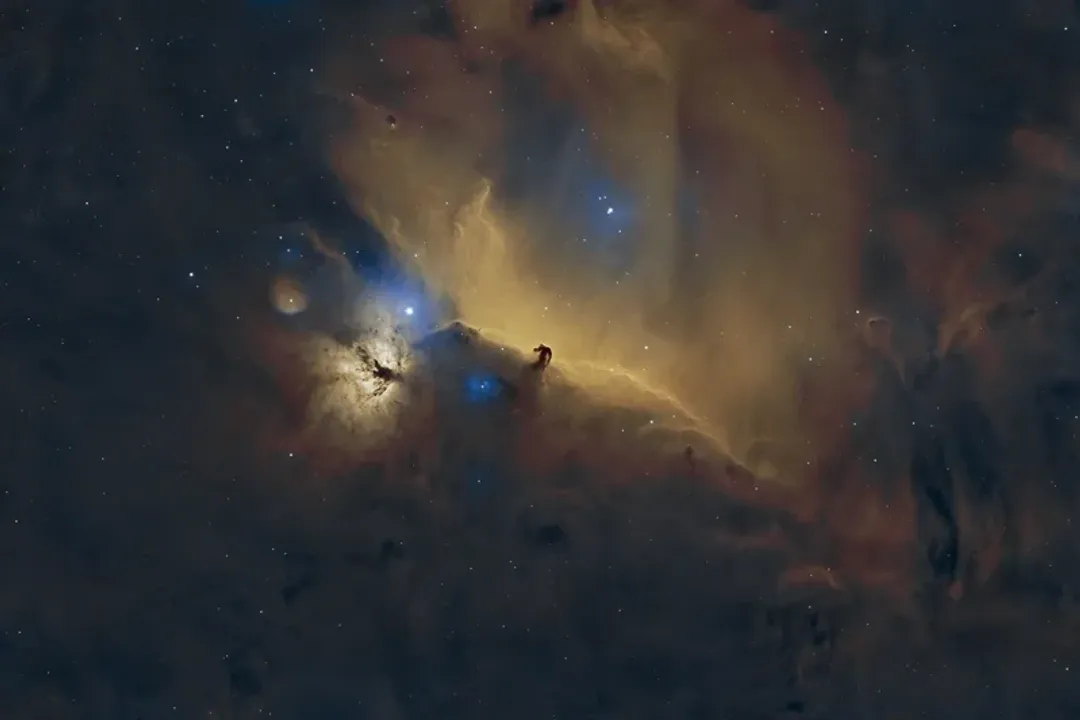
Astronomers classify nebulae into several main categories based on how they interact with light from nearby or embedded stars. [3][5] This categorization helps scientists determine the cloud's composition, age, and relationship to stellar evolution. [7]
# Glow and Scatter
The visible appearance of a nebula is directly tied to its energy source and composition, leading to distinct visual types:
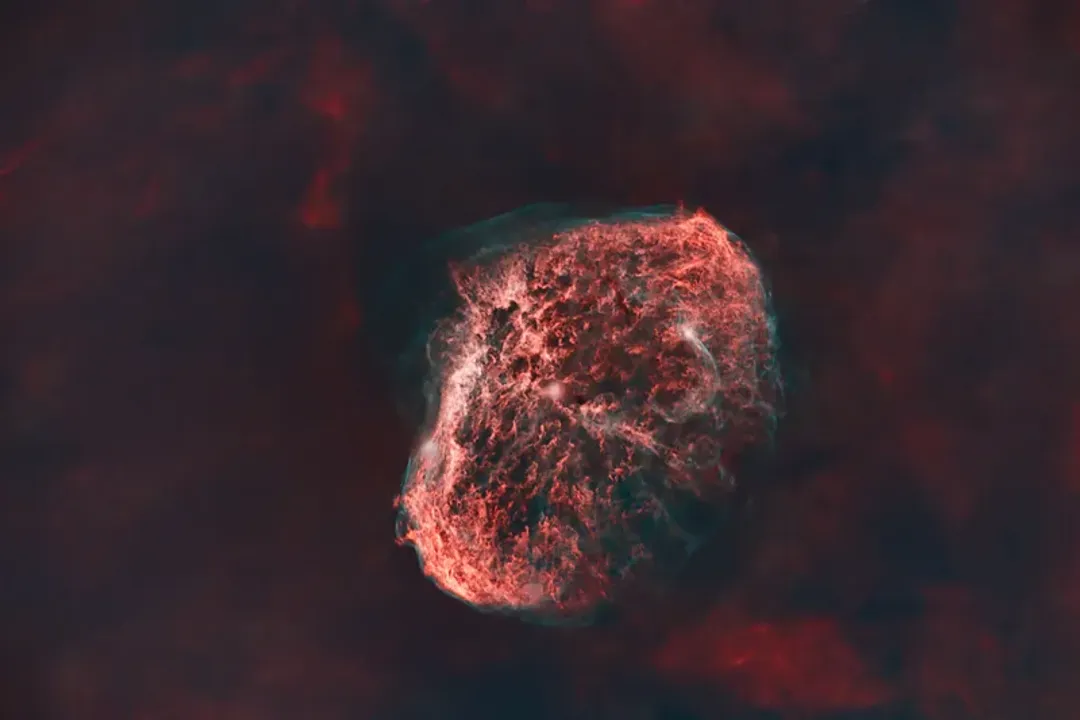
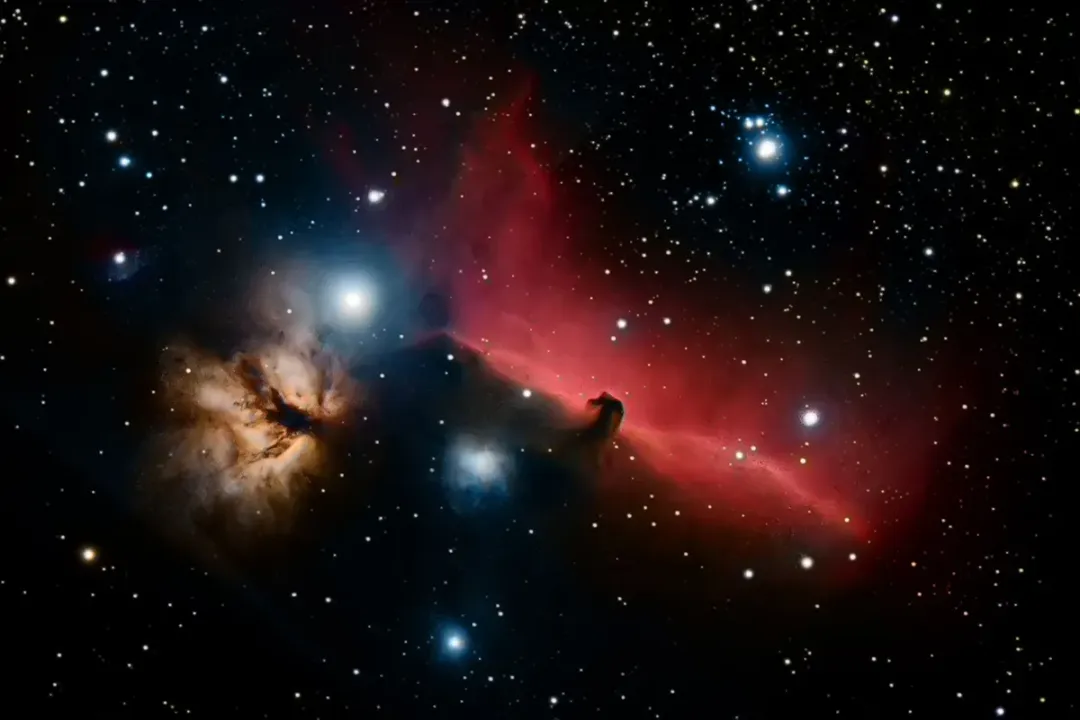
- Emission Nebulae: These clouds glow red or pink because they are energized by intense ultraviolet radiation from very hot, newly formed stars within or near them. [3][5] The radiation strips electrons from the hydrogen atoms—a process called ionization—and when the electrons recombine with the hydrogen nuclei, they emit light, often strongly in the red end of the spectrum. [5]
- Reflection Nebulae: Unlike emission nebulae, these clouds do not emit their own visible light. Instead, they shine by reflecting the light from nearby stars that is not hot enough to cause ionization. [3][5] These often appear blue because the dust particles scatter blue light more efficiently than red light, a phenomenon similar to why Earth's sky appears blue. [5]
- Dark Nebulae: These are perhaps the most visually dramatic, appearing as silhouettes against a brighter background, such as a star field or another, brighter nebula. [3][5] They are cold, dense clouds of dust and gas that block the light from objects situated behind them. [3][6] The dark appearance is purely due to obscuration, not the emission or reflection of light.
It is interesting to note that many astronomical images display vibrant colors that can sometimes be misleading to the casual observer. While the underlying physics dictates that hydrogen emission often yields a reddish hue, the colors seen in professional images are frequently composites created by assigning specific visible colors (like red, green, and blue) to different emission lines detected outside the visible spectrum, such as sulfur or oxygen lines. [7] This technique maximizes the scientific information conveyed in a single visual representation, offering a richer map of elemental abundance than what the human eye could perceive unaided. [7]
# Specific Remnants
Beyond the general classifications based on light interaction, nebulae are also categorized by their origin, tying them specifically to the lifecycle of massive stars. [3]
# Planetary Nebulae
Despite the name, these clouds have absolutely nothing to do with planets. [3][5] They are formed by the outer layers of a dying medium-sized star, like our Sun, which are gently puffed away as the star exhausts its nuclear fuel and shrinks into a white dwarf. [1][3] The ejected gases are illuminated by the incredibly hot, small stellar core remaining at the center, often creating beautiful, symmetrical shells or rings visible to telescopes. [5]
# Supernova Remnants
When a massive star reaches the end of its life, it explodes in a catastrophic event known as a supernova. [1][3] The resulting cloud is the supernova remnant. [3] These remnants expand rapidly, seeding the interstellar medium with heavier elements forged during the star’s life and the explosion itself—elements essential for the formation of future stars, planets, and life. [1][5] The Crab Nebula, the remnant of a supernova observed in 1054 AD, provides a spectacular, albeit slow-moving, example of this cosmic recycling. [5]
# Seeing Fuzz
The ability to study these large gas clouds relies heavily on advanced astronomical technology, as most nebulae are far too distant and faint to be seen clearly with the naked eye. [4] While some of the brightest nebulae are visible through small amateur telescopes, their true beauty and structure are revealed only through long-exposure photography or specialized instruments. [4] When you observe a nebula through a high-powered telescope, you are essentially gathering light over minutes or even hours, allowing faint photons, which have traveled for hundreds or thousands of years, to accumulate on a detector. [4] This is why the images produced by facilities like the Hubble Space Telescope or ground-based observatories show such incredible detail and vibrant color; they are accumulating data far beyond the capability of our biological vision.
If one were to map the distribution of nebulae across the Milky Way galaxy, a fascinating pattern emerges. They are not randomly sprinkled throughout the galactic volume. Instead, they are concentrated within the flat, dusty spiral arms of the galaxy. [1] This spatial correlation reinforces their role in active star formation, as the spiral arms are regions where interstellar material is continuously compressed and churned, making them prime locations for gravitational collapse. [1] Understanding the exact density fluctuations within these clouds remains a major area of research; for instance, while the overall average density is near vacuum, a slight, localized increase in density of even a few particles per cubic centimeter can be the critical trigger for initiating the long process of stellar collapse within a dark cloud complex. This threshold density required for stellar birth acts as a universal physical constant for gravitational instability in these environments.
#Videos
Nebulae: Crash Course Astronomy #36 - YouTube
Related Questions
#Citations
What Is a Nebula? | NASA Space Place – NASA Science for Kids
Nebula - Wikipedia
Nebula: Definition, location and variants - Space
What is a nebula? Cosmic clouds and how to see them
Nebulae: Crash Course Astronomy #36 - YouTube
Nebula | Definition, Types, Size, & Facts - Britannica
Decoding Nebulae - NASA Science
What is a gas cloud in space called? - Quora
NEBULAE - colossal clouds of gas and dust shaped by radiation ...