What are broken pieces of asteroids called?
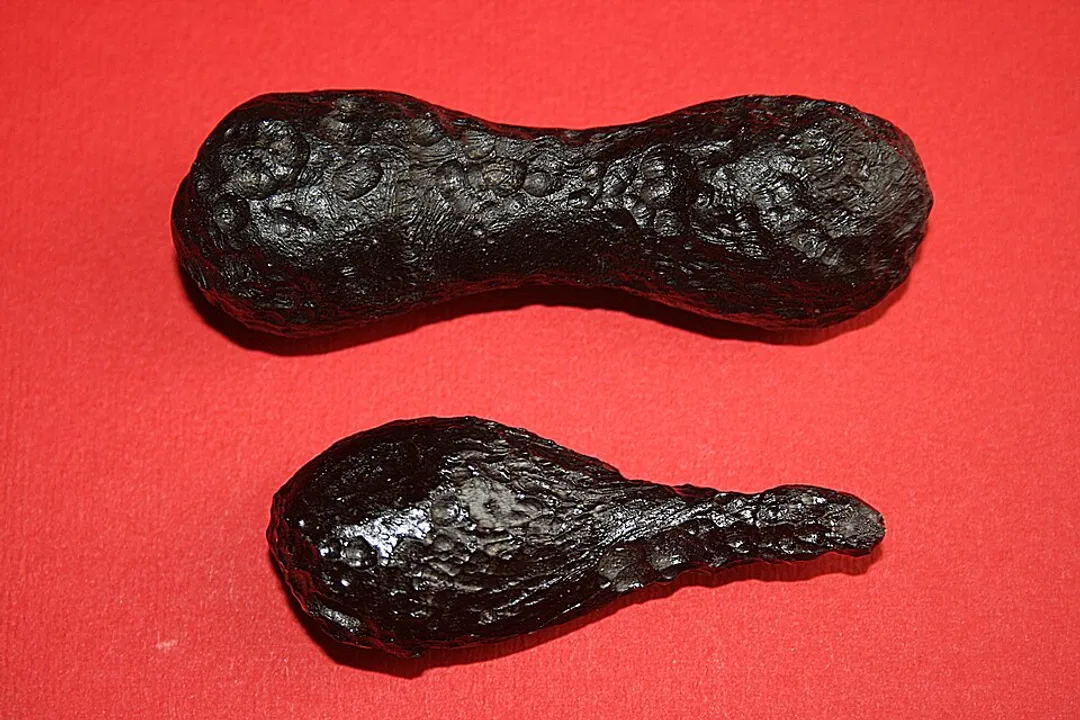
The objects resulting from the fragmentation of larger asteroids undergo a fascinating, three-act renaming process as they interact with Earth. While the parent bodies are indeed asteroids, the debris itself acquires specific terminology based on its location. In the vacuum of space, these smaller fragments are categorized as meteoroids. [5][4] These are essentially rocky or metallic bits floating out there, originating from sources like collisions between asteroids or the debris trail left by comets. [1][2]
# Meteoroid Definition
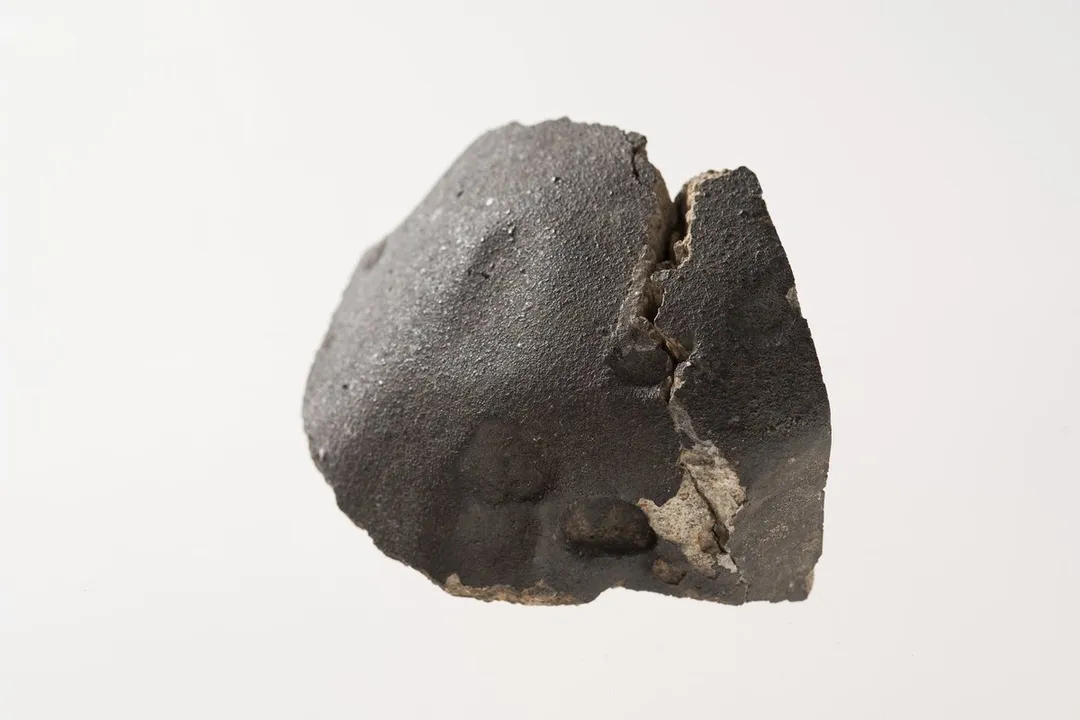
A meteoroid is typically defined by its size, though exact boundaries can vary slightly depending on the scientific context. Generally, a meteoroid is a small body orbiting the Sun, often characterized as being anywhere from the size of a grain of sand up to about one meter across. [5][1] Some definitions extend the upper limit to roughly ten meters. [4] Anything larger than this is usually classified as an asteroid. [5] These chunks of cosmic material are essentially the raw building blocks of the solar system, surviving impacts and gravitational tugs for billions of years. [9]
The composition of these space travelers is crucial to understanding what they are. Since they originate from asteroids, they primarily consist of rock and metal, though the exact mix can differ greatly. They are not mere dust; they represent substantial pieces broken off larger parent bodies, often via impact events in the asteroid belt. [7] Understanding which asteroid a meteoroid came from requires analyzing its composition once it reaches the ground, but in space, it simply remains a meteoroid. [4]
# Atmospheric Entry
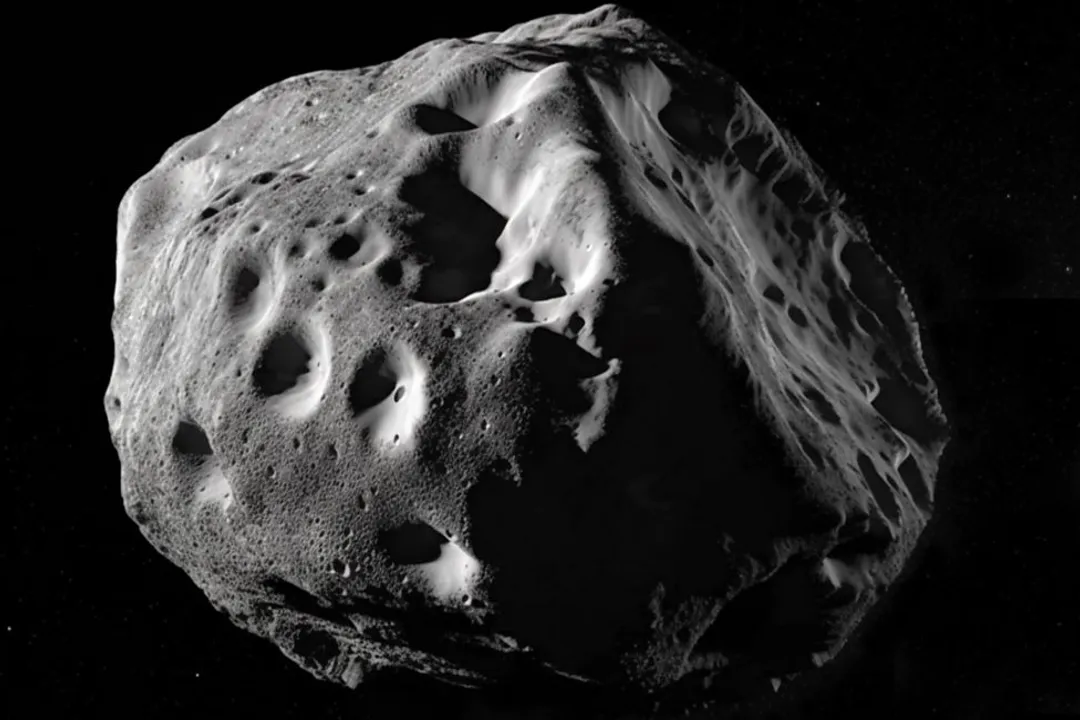
When one of these space travelers, having been a meteoroid, intersects with Earth's path and slams into our atmosphere, the dynamic instantly changes, and so does its name. The intense friction generated as it plows through the air at tremendous speeds causes the object and the surrounding air to heat up drastically. [3][8] This superheated, incandescent trail of gas and vaporized rock is what we observe as a meteor. [1][2]
To the casual observer on the ground, this phenomenon is far more familiar—it's commonly known as a "shooting star". [3][2] It is not a star falling, but rather a small piece of debris burning up high above us. [8] The appearance of the meteor can tell us something about the meteoroid’s original makeup and speed. For instance, a very bright meteor, one that outshines the planet Venus, is often called a fireball. [3] If a fireball explodes in the atmosphere, it earns the dramatic label of a bolide. [3]
It's an ephemeral event; the meteor phase lasts only a few seconds or minutes at most, ending when the object either completely vaporizes or slows down enough for the light show to cease. [6] The majority of meteoroids are small enough that they burn up entirely in this phase, meaning their cosmic journey ends as a brief streak of light in the sky. [1] The speed at which these objects encounter Earth is immense, often tens of thousands of miles per hour, which dictates the intensity of the resulting meteor flash. [8]
# Ground Impact
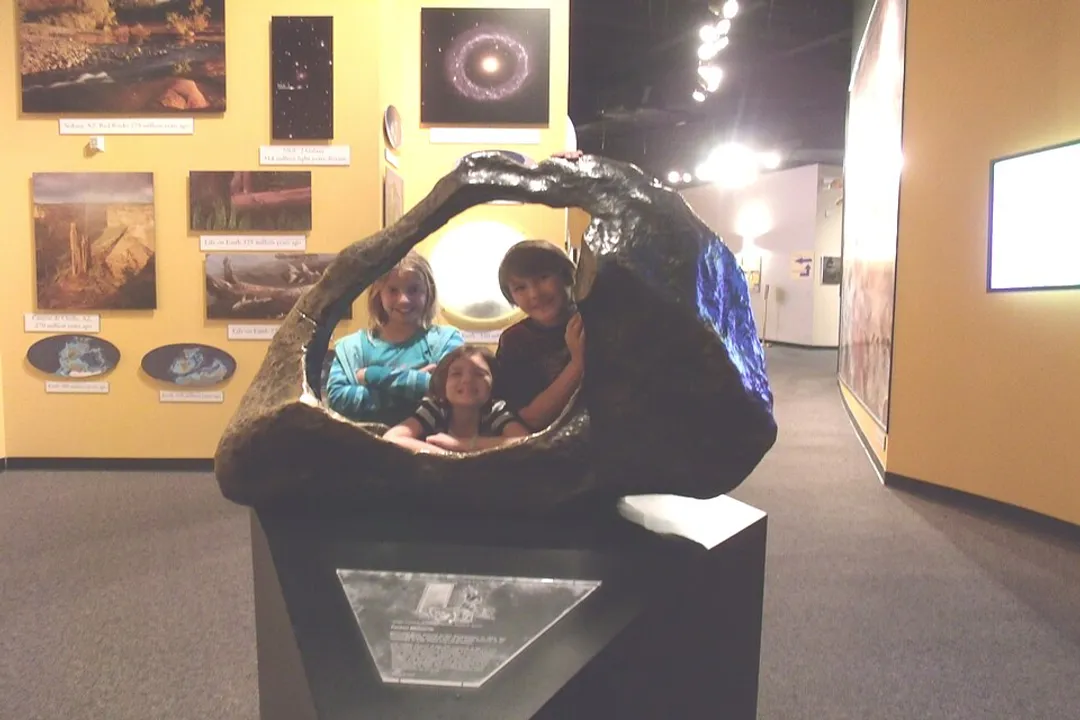
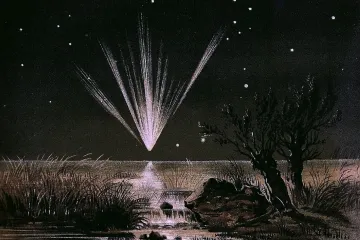
What happens if the space rock is large enough, or dense enough, to survive the violent atmospheric transit? In that case, the remaining fragment that successfully lands on the Earth's surface is finally classified as a meteorite. [1][3][2] This transition from meteoroid in space, to meteor in the air, to meteorite on the ground provides a clear positional distinction for these cosmic arrivals. [6][9]
Meteorites are perhaps the most scientifically valuable pieces of an asteroid because they can be physically collected and analyzed here on Earth. [3] Their internal structure, mineralogy, and even trapped gases offer direct insight into the conditions of the early solar system, as they are pristine samples of extraterrestrial material. [7]
The composition of meteorites is generally broken down into three main categories, reflecting the composition of their asteroid parent bodies: [7]
- Stony meteorites: These are the most common type and are largely composed of silicate minerals, much like Earth rocks. [7]
- Iron meteorites: These are predominantly made up of iron and nickel alloys. [7]
- Stony-iron meteorites: As the name implies, these are a mixture of silicate minerals and metallic iron-nickel. [7]
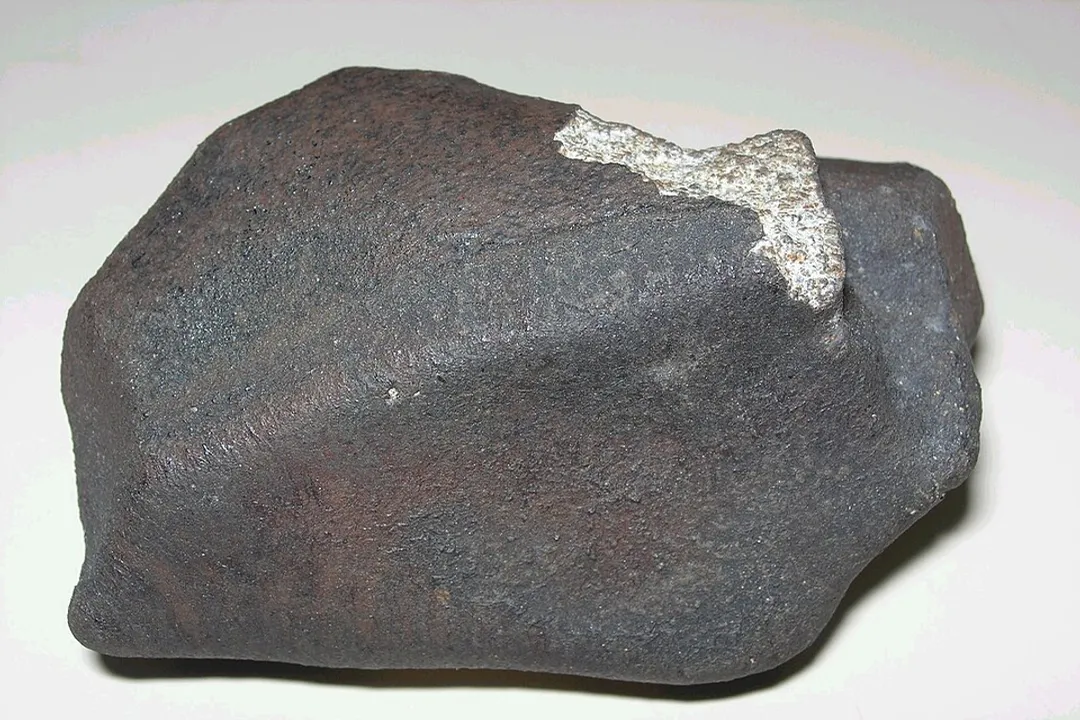
The process of surviving atmospheric entry often leaves distinct markings. A fusion crust, which is a thin, dark, melted outer layer, is a common feature on a freshly fallen meteorite, formed by the intense heat of ablation during its passage as a meteor. [3] Finding a rock on the ground that looks suspiciously metallic, has a dark exterior, or exhibits smooth, thumbprint-like depressions (called regmaglypts) might indicate you have found a genuine meteorite rather than a terrestrial rock, sometimes called a "meteor wrong". [3]
# Terminology Comparison Table
To keep the distinctions clear, which is often the most confusing part for newcomers interested in space rocks, here is a quick look at the positional definitions:
| Object Name | Location | Description |
|---|---|---|
| Meteoroid | Space | A small fragment of an asteroid or comet orbiting the Sun. [1][4] |
| Meteor | Atmosphere | The streak of light seen when a meteoroid burns up upon entering the atmosphere. [3][2] |
| Meteorite | Ground | The solid remnant of a meteoroid that survives atmospheric entry and impacts the Earth’s surface. [1][6] |
When considering how often we see these objects, the sheer volume of space debris is staggering. While a major impact resulting in a large meteorite is rare on human timescales, smaller meteoroids enter the atmosphere constantly. It is estimated that tons of this material enter the atmosphere daily, though most is too small to notice. [8] This constant influx means that the broken pieces of asteroids are continually "raining" down, even if only the larger ones make a lasting impression. [5]
One interesting aspect that often goes unmentioned is the role of orbital dynamics in determining survival. A meteoroid originating from a highly eccentric or steeply inclined orbit might encounter Earth at a much greater relative velocity than one from the main asteroid belt, which tends to orbit more nearly in the plane of the solar system and at slower relative speeds. [1] This velocity difference drastically impacts ablation. A slow-moving, low-velocity impactor might graze the atmosphere and survive as a large meteorite, whereas a high-velocity impactor, even if slightly larger, might experience more intense heating, causing it to fragment into smaller pieces which burn up entirely, leaving behind only a spectacular meteor show. [3] In essence, the path taken matters as much as the size of the original asteroid fragment when predicting whether it becomes a meteor or a meteorite.
The actual size of the original asteroid that shattered to produce the meteoroid is often impossible to know without direct recovery and analysis. However, meteorites themselves range wildly in size after landing—from tiny pebbles that created no visible meteor, to massive stones weighing many tons. [9] The physics of atmospheric breakup means that the larger the object, the higher the probability that a substantial, recoverable meteorite core exists, even if much of the outer mass was lost as vaporized meteor.
# Identification Tips
For the amateur enthusiast who might be walking in a desert or an Antarctic field—areas excellent for finding meteorites because the dark rocks contrast sharply against snow, or because erosion doesn't easily hide them—knowing what to look for is key. Remember, the object must have survived the air to be a meteorite. [3]
Here are a few quick observational checks to move beyond simply finding a "strange rock":
- Magnetism: Due to the iron content common in many meteorites, a simple kitchen magnet will often stick firmly to a suspected specimen. [7] While some terrestrial rocks are magnetic, this is a strong initial indicator for an iron or stony-iron meteorite.
- Density: Meteorites containing significant metal are usually much denser and heavier than a similarly sized piece of common granite or sandstone. [7] Pick up the suspicious rock and then pick up a common, similarly sized rock from the area; the meteorite will feel surprisingly heavy for its volume.
- Fusion Crust: Look for that characteristic dark, thin exterior glaze. [3] If the exterior looks like it was recently burned or has a slightly melted texture, especially if it's chipped to reveal a lighter interior material, it warrants further investigation.
These simple tests, based on the physical characteristics imparted by the atmospheric passage, help distinguish an actual piece of a broken asteroid from terrestrial imposters, which geologists sometimes refer to as "meteor wrongs". [3] The journey from cosmic rubble to terrestrial specimen is marked by these physical changes, making the final product—the meteorite—a relatively unique geological artifact. [9] It represents a direct, tangible link to the history of our solar system's formation, something that cannot be replicated in a lab. [7]
The very existence of meteorites confirms that the process of asteroid breakup leads to objects that cross paths with Earth. While asteroids orbit safely in their belts, collisions, tidal forces near large planets, or orbital perturbations eventually send their broken pieces—the meteoroids—on new trajectories that can intersect our world, completing the cycle from asteroid fragment to scientific treasure on the ground. [4][5]
Related Questions
#Citations
Asteroid or Meteor: What's the Difference? - NASA Space Place
Meteoroid - National Geographic Education
Meteorites and meteor-wrongs - Natural History Museum
Meteoroid - Wikipedia
Meteors and Meteorites - The Australian Museum
Difference Between Meteor And Meteorite - BYJU'S
Meteorites are pieces of debris from celestial bodies - Facebook
What is a meteor and how do you spot a meteor shower? - BBC
Meteor, Meteoroids & Meteorites | Definition, Differences & Facts