What do you call a person who flies a spaceship?
The person who operates a spacecraft doesn't always carry a single, simple title; the name often depends on who trained them, which country they represent, and what their specific duties entail while in orbit or during transit. While the general public frequently defaults to the term astronaut, the reality of spaceflight careers involves a much more nuanced vocabulary, especially as private industry continues to mature. [3][5][7]
For many, the very definition of an astronaut has become a point of discussion. Broadly, an astronaut is defined as a person who is trained to travel in a spacecraft. [4][8] Historically, this term was most commonly associated with government-sponsored space programs, particularly those of the United States and its international partners. However, the line between professional space traveler and private space tourist has blurred the traditional understanding of who earns that designation. [9]
# Core Terminology
The most universally recognized term for a person flying in space, originating primarily from the US programs, is the astronaut. [8] This term derives from the Greek words astron (star) and nautēs (sailor). [4] If we look historically at other major spacefaring nations, we find close equivalents: the Russian term is cosmonaut, and the Chinese term is taikonaut. [1] These terms function almost identically to astronaut within their respective national contexts, simply signifying a space traveler trained by that nation's program. [1]
The distinction, however, is often more about the agency than the job itself. When someone from the European Space Agency (ESA) flies, they are still an astronaut, just as a person flying on a US mission is. The common thread is the training and the mission objective, usually undertaken on behalf of a government entity. [9]
# NASA Roles
Within a structured organization like NASA, the actual job performed by the crew member dictates their formal position title, even if everyone inside and outside the capsule calls them all "astronauts." These titles reflect a clear hierarchy and set of specialized responsibilities, much like on an airliner or naval vessel. [5]
A key distinction exists between the person actually commanding the vehicle and those operating secondary systems or performing scientific work. The crew structure often breaks down into distinct operational roles:
- Commander: This individual holds the highest authority and is responsible for the overall success and safety of the mission and crew. [5]
- Pilot: This role is vital, even if the spacecraft is largely automated. The Pilot is typically the second in command and is responsible for flying the vehicle, especially during critical phases like ascent, rendezvous, and re-entry. [5] The continued use of the title Pilot for non-command crew members stems from historical traditions shared with naval and aviation practices, where the pilot holds a specific, crucial operational position separate from the overall commander. [6]
- Mission Specialist: These crew members usually handle the execution of the mission objectives, such as conducting scientific experiments, operating robotic arms, or performing spacewalks (Extravehicular Activity or EVA). [5]
- Flight Engineer: In some mission architectures, this role is responsible for monitoring and managing the vehicle’s complex internal systems. [5]
- Payload Specialist: This title often applies to individuals who fly primarily to operate specific scientific or commercial equipment they helped develop, rather than serving as career astronauts or pilots. [5]
It is interesting to note how rigidly these positions are often defined, reflecting a deep-seated respect for operational safety and established command structures inherited from aeronautics. Even if a Mission Specialist handles groundbreaking science, their primary operational title during a specific flight might be dictated by their designated seat and duties during a dynamic maneuver, ensuring clarity when seconds count. [6]

# Defining Commercial Participation
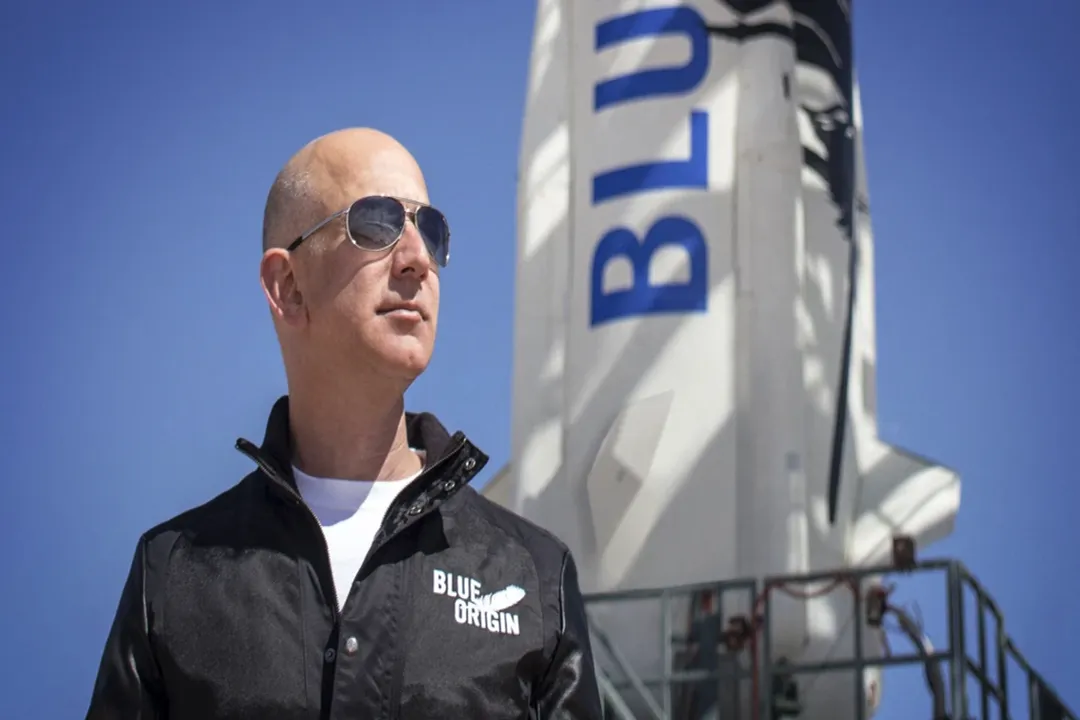
The emergence of commercial spaceflight has introduced a new layer of complexity to nomenclature. Companies like Virgin Galactic are sending private individuals into space, leading to questions about what those paying customers should be called. [2] Are they astronauts? Are they passengers?
When discussing suborbital flights, which briefly cross the boundary of space but do not achieve orbit, the term "astronaut" might be debated depending on the specific altitude reached and the recognizing authority's criteria. [9] For example, the U.S. government has a standard definition that grants astronaut wings to individuals who fly above 50 miles (80 kilometers). [9] However, if a flight reaches the internationally recognized boundary of space (the Kármán line at 100 kilometers), or if the company itself bestows a specific title, the answer changes again. [9]
Some discussions suggest calling those who fly on commercial vehicles Spaceflight Participants or simply Customers until they meet a recognized threshold for astronaut status. [2] The general consensus in some space enthusiast circles is that if you are flying on a government-trained mission, you are an astronaut; if you are a private citizen paying for a ride, you might be called a space tourist or spaceflight participant until you are officially designated otherwise. [1][2] A key differentiator emerging from these dialogues is intent: are you flying as a representative of a government agency or scientific body, or as a private traveler?
# Hierarchy Structure
The ranks for government-trained astronauts are formalized. For instance, NASA astronauts progress through a career path that includes becoming eligible for specific roles on missions. [5] The training pipeline produces individuals qualified to step into the Commander or Pilot seats, roles that inherently imply command over the flight controls when necessary, contrasting with the specialized focus of a Mission Specialist. [5]
When comparing the roles across different space agencies, while the terminology shifts (e.g., cosmonaut ranks), the functional hierarchy often mirrors itself: a single person is responsible for the crew, a second person handles the driving, and others manage the mission objectives and vehicle health. [1] This organizational structure is not arbitrary; it is a direct reflection of the inherent danger and technical complexity involved in leaving Earth's atmosphere. [6] For example, an analysis of mission crew manifests often shows that the person listed first or designated as 'CDR' (Commander) has the final say in emergency protocols, regardless of their primary technical specialty. [5]

# A Consideration of Experience
When considering these titles, it becomes clear that astronaut is often the status of having flown, whereas Commander or Pilot is the role during a specific flight. [5] A veteran astronaut who has flown multiple times might serve as a Mission Specialist on their third flight after having commanded their second. This fluidity suggests that the question of "what do you call them" should perhaps be separated into "what is their career classification" (astronaut) versus "what is their job title for this mission" (Pilot, Commander, etc.). [5][6]
This distinction carries weight, particularly for private citizens. If a civilian flies to the edge of space on a commercial vehicle, they may claim the status of having flown to space, but they lack the rigorous operational training that confers the title of Pilot or Flight Engineer within a traditional agency structure. It’s a status earned by proximity to the boundary, rather than mastery over the vehicle. [2][9]
To provide a clearer idea of how different groups might categorize space travelers, one might look at a rough classification system based on official designation and mission type:
| Mission Type | Common Agency | Primary Title Focus | Potential Informal Label |
|---|---|---|---|
| Orbital Government | NASA, ESA, Roscosmos | Astronaut/Cosmonaut, Commander, Pilot | Professional |
| Suborbital Commercial | Virgin Galactic, Blue Origin | Spaceflight Participant, Customer | Tourist, Passenger |
| Deep Space Exploration | NASA (Future) | Astronaut, Mission Specialist | Explorer |
This table illustrates that the context of the flight—government orbital mission versus private suborbital hop—is as important as the altitude achieved when determining the appropriate label. [2][9] The very act of flying a spaceship, from ignition to landing, requires a designated person to be in charge, whether they are a Commander overseeing a team of career professionals or a Pilot executing a highly automated flight plan for a paying client.
The evolution in space travel means we are moving past a simple dichotomy. Instead of just asking what a person who flies a spaceship is called, we must now consider how they were qualified, who they work for, and where they are going. The traditional astronaut cadre remains the most rigorously trained operational personnel, but the definition is expanding to encompass a wider array of highly specialized, highly compensated, or highly trained individuals crossing the threshold into the cosmos. [9]
Related Questions
#Citations
What is the name of the person who flies a spaceship? - Quora
What should we call those who fly on Virgin Galactic, Blue Origin, or ...
Definition of an Astronaut
Astronaut - Definition, Meaning & Synonyms - Vocabulary.com
Astronaut ranks and positions - Wikipedia
Why does NASA use the position title "Pilot"' for crew members who ...
What should we call people who pay to fly to space
Astronaut | Definition, Facts, & Training | Britannica
Who gets to be called an astronaut? It's complicated - NBC News