Why was it called Apollo instead of Artemis?

The convention of naming major NASA human spaceflight endeavors after figures from classical mythology established a strong cultural precedent long before the current Artemis program was conceived. When the monumental effort to land humans on the Moon was being formalized in the early 1960s, the choice of Apollo was a natural extension of this established naming theme. [6] The name needed to be short, memorable, and carry a certain weight, and the Greek god Apollo fit that description perfectly. [6]
# Mythology Pattern
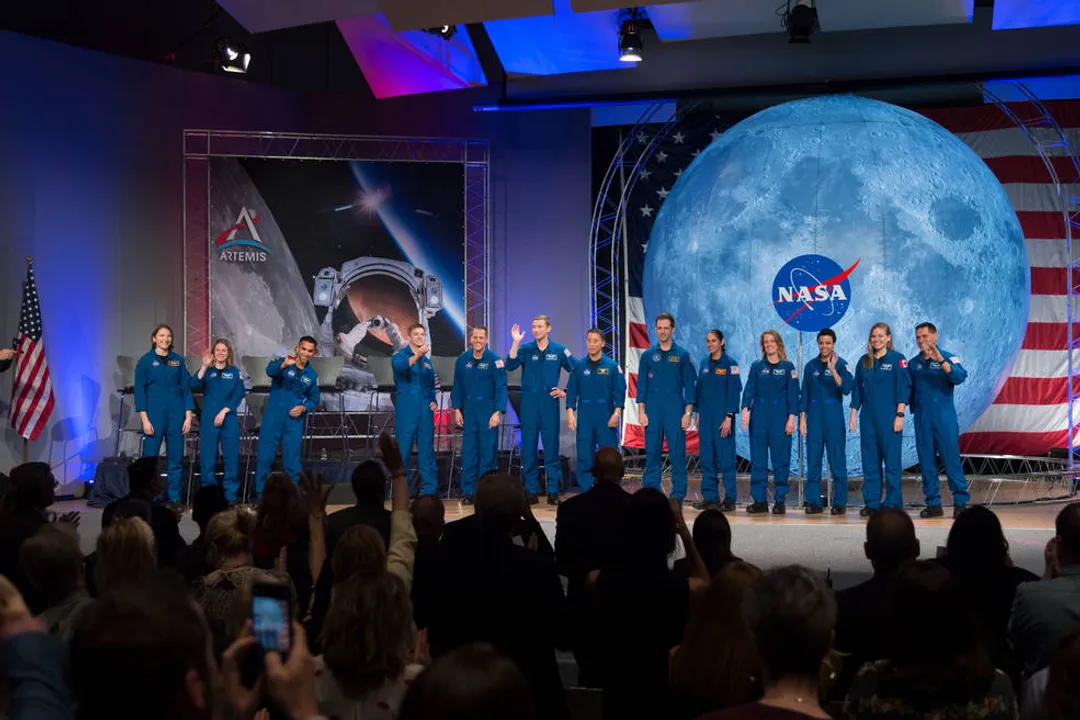
NASA’s early crewed missions followed a recognizable trajectory through Roman and Greek mythologies that often corresponded with the mission's goals or sequence. [6] The first American human spaceflight program was named Project Mercury, after the winged messenger of the gods. [6] This was followed by Project Gemini, which translates to "twins," perfectly encapsulating the dual-pilot nature of those missions designed to bridge the gap between single-astronaut flights and the multi-person Moon missions. [6][1] With the stage set by a messenger and a pair of twins, naming the subsequent, most ambitious goal—landing on the Moon—after the god Apollo made narrative sense. [6]
Apollo, in the Greek pantheon, was the god of many things, including the sun, music, arts, and prophecy. [5] While perhaps not directly related to lunar exploration in the way Mercury related to speed, the name evoked concepts of light, achievement, and perhaps even guiding humanity toward a new future—a beacon of scientific progress. [5] Furthermore, sources indicate that the final selection process for the name of the Moon program favored names that were brief and evocative, which Apollo certainly was. [6]
# Apollo's Selection

The timeline is crucial here: the Apollo program was named and executed to reach the Moon, a goal set in the early 1960s. [2] The Artemis program, conversely, is the contemporary effort designed to return humans to the lunar surface, conceived decades later. [9][4] Therefore, the simplest reason Apollo was chosen instead of Artemis is that Artemis was not yet established as the designation for a human lunar return program when the original missions required a name. [2]
Looking at the mythological relationship, Apollo had a twin sister, Artemis. [5][2] In mythology, Artemis was the goddess of the hunt, the wilderness, wild animals, the Moon, and archery. [5] While she is intrinsically linked to the Moon, the naming decision for the 1960s effort landed on her brother, Apollo. [2] It is possible that the emphasis in the initial push was on the "sun god" aspect, representing the dawning of a new technological age, rather than specifically the Moon goddess, or perhaps the short, sharp sound of "Apollo" simply resonated best with the administration at the time. [6]
When we analyze the historical context, the choice of Apollo can be seen as declaring an inaugural achievement. Apollo was the first attempt to conquer this ultimate destination in this modern space race era. [5] The name signaled a singular, heroic push into the unknown, an image that resonated powerfully with the American public and the political will driving the mission. [6]

# Artemis Follows
The Artemis program only received its designation much later, as NASA began planning its next steps following the Space Shuttle era and the sustained presence on the International Space Station. [9] When NASA decided to re-center its efforts on sending astronauts back to the Moon, the choice of Artemis was deliberate and highly symbolic. [4][9] It wasn't a replacement for Apollo; it was positioned as its intended successor, deliberately invoking the mythological connection. [9]
By selecting Artemis, NASA signaled an explicit link back to the original historical achievement, acknowledging the groundwork laid by the first missions. [4][9] It creates a cohesive narrative spanning over half a century of lunar exploration. It is a direct nod to the past, suggesting that this new chapter is built upon the foundation of the old one, much like a family line continues through siblings. [2]
This later decision also subtly shifts the thematic focus. If Apollo represented the bold, singular, almost mythological conquest of the Moon, Artemis, as the goddess associated with the Moon itself and the hunt, suggests a more sustained, perhaps more measured, and certainly more inclusive presence on and around the lunar surface. [9] Artemis is designed to be a long-term presence, not just a flag-planting expedition. [4]
Consider the cultural weight of the names: Apollo is often associated with masculine heroic action in this context, while Artemis represents a powerful, independent female deity. Naming the modern program Artemis also aligns with NASA’s stated goal of landing the first woman on the Moon, making the namesake a direct reflection of the program's diversity goals. [4][9] This is a significant divergence from the all-male crews of the original Apollo missions.
# Naming Legacy
It is fascinating to observe how the meaning embedded in a name can evolve or be recontextualized by a new mission, even when the original context was different. When the name Apollo was selected in the early sixties, the mythology was used primarily to provide a grand, classical veneer to a very modern, high-stakes technological race. [6] The name had to fit the present ambition.
The name Artemis fits the future ambition. The original missions were bound by the Cold War imperative to win the race, symbolized by Apollo's powerful, singular drive. [6] The contemporary Artemis program, however, is framed around sustainability, international partnership, and stepping stones to Mars. [4][9] The twin sister mythology provides the perfect vehicle for this narrative: Apollo completed the first phase of the quest; Artemis begins the next, more enduring phase. [2]
If we were to create a simple comparison of the intended thematic scope based solely on the mythology invoked, we might see something like this:
| Program Name | Mythological Figure | Primary Associations | Implied Mission Focus (Modern Lens) |
|---|---|---|---|
| Apollo | Sun/Arts God, Twin Brother | New Dawn, Prophecy, Achievement | First Landing, Technological Prowess [5][6] |
| Artemis | Moon Goddess, Twin Sister | Hunt, Moon, Wilderness | Sustained Presence, Lunar Focus, Diversity [4][5][9] |
One insight that emerges from this historical split is the difference in naming strategy. The Apollo naming was an act of creation—naming the very first entity of its kind. The Artemis naming, conversely, is an act of continuation and homage. The decision to use Artemis wasn't about finding a good name from a list of available gods; it was about selecting the one specific god whose identity is inherently tied to the previous program's namesake, thereby ensuring maximum name recognition and narrative coherence for the public. [4] It leverages the already earned cultural capital of the original Apollo program immediately. [9]
The naming choice, whether Apollo then or Artemis now, demonstrates NASA’s understanding that these programs are more than just engineering feats; they are cultural milestones. Assigning a name from classical literature gives the project a timeless quality, positioning the contemporary achievement as one worthy of being remembered alongside figures from ancient stories. [6] The fact that Artemis was chosen only after the entire Apollo saga concluded, serving as the signifier for the return, solidifies that Apollo was reserved for the unique, pioneering event of the first Moon landing, leaving the sister goddess to herald the next great era of lunar activity. [2] The historical preference for Apollo in the first instance, and the strategic choice of Artemis in the second, illustrate a thoughtful progression in how space exploration is framed for the world.
Related Questions
#Citations
Can someone explain why NASA called the various moon ... - Reddit
Why wasn't the Apollo space program named Artemis space ... - Quora
Naming Apollo: Why NASA chooses Greek gods as names
How NASA's Moon missions got their names - Axios
Apollo - Wikipedia
Why was Apollo called Apollo? | The history of spacecraft call signs
Why wasn't the Apollo space program named Artemis space program?
What Is the Artemis Program? (Grades K-4) - NASA
The Artemis Program – The Successor to Apollo - Armagh Planetarium