What was the major failure of Project Apollo?
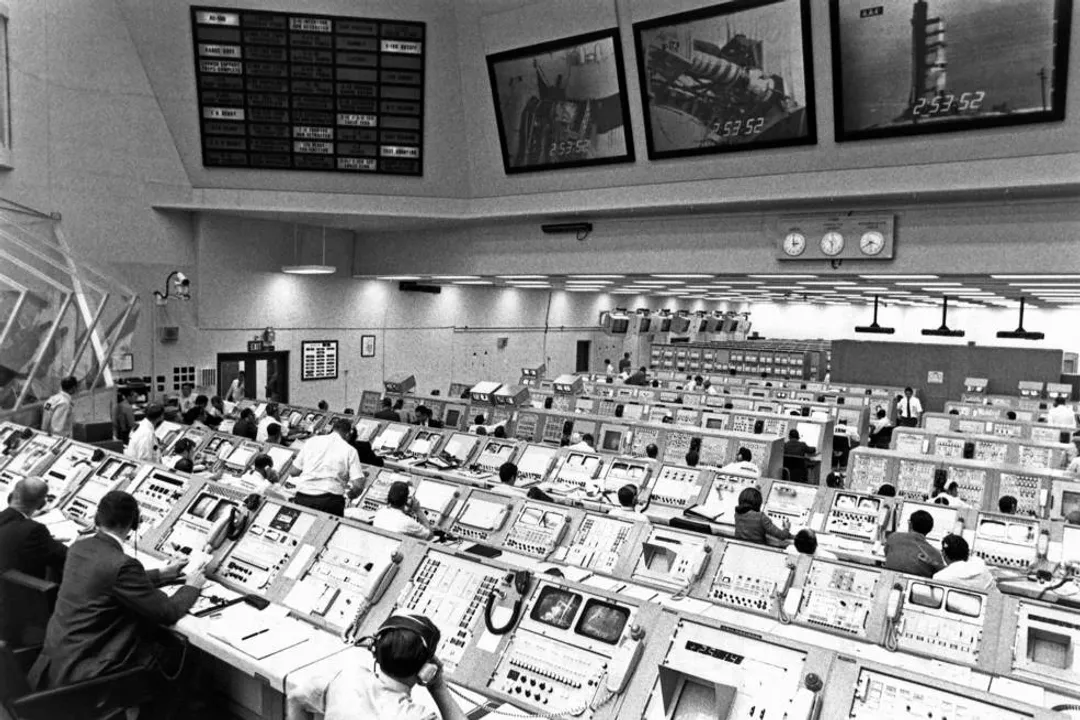
The narrative surrounding Project Apollo often spotlights triumphant achievements—men walking on the Moon, complex orbital mechanics mastered decades ahead of schedule. Yet, to truly understand the program’s gravity, one must examine where it failed. The concept of a single "major failure" is misleading; instead, the history reveals a spectrum of critical incidents, ranging from catastrophic loss of life to near-disaster mid-flight, each exposing vulnerabilities in the most ambitious technological undertaking ever conceived.
# Unspoken Cost
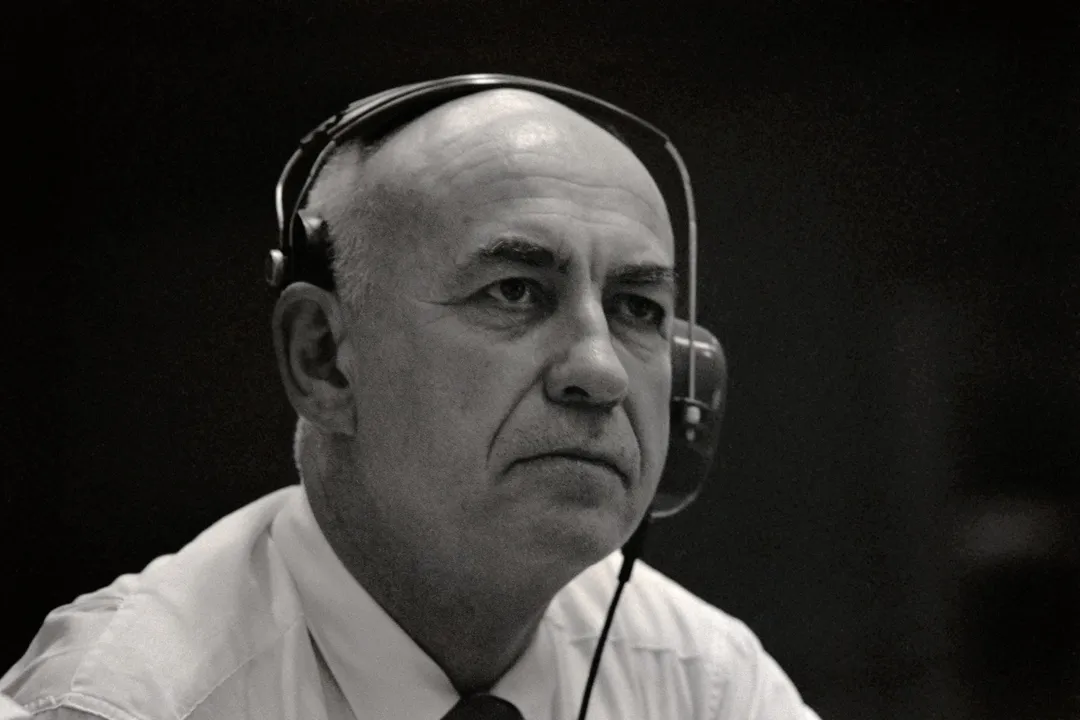
Perhaps the most profound failure, in terms of human cost, occurred before the dream of lunar landings was even fully realized. On January 27, 1967, the Apollo 1 crew—Gus Grissom, Ed White, and Roger Chaffee—perished in a fire during a launch rehearsal test on the launchpad. [9] This event was not a failure of space travel, but a devastating failure of ground testing, safety protocols, and design choices that proved lethal under pressure. [9]
The cabin environment itself was a primary contributor. The spacecraft was pressurized with 100% pure oxygen at a higher pressure than operational conditions to simulate the eventual mission environment. [9] While this choice was later reconsidered, it created an environment where any spark could propagate instantly. Reports highlighted that the interior was furnished with easily flammable materials, including Velcro strips and nylon netting, which provided ample fuel for the blaze. [9] Furthermore, the hatch, designed to open quickly in an emergency, proved incredibly difficult to open manually against the internal pressure, trapping the astronauts as the temperature inside soared. [9]
This disaster forced NASA into a deep, painful introspection. It was a systemic failure that required the complete redesign of the Command Module (CM) to incorporate less flammable materials, install a new, outward-opening hatch mechanism, and alter the atmosphere mixture for ground tests to include nitrogen alongside oxygen. [9] The Apollo 1 fire stands as the program’s most significant operational failure because it resulted in the absolute loss of its pioneers and halted the entire lunar effort for nearly two years while fundamental safety was re-established. [9]
# Mid-flight Crisis
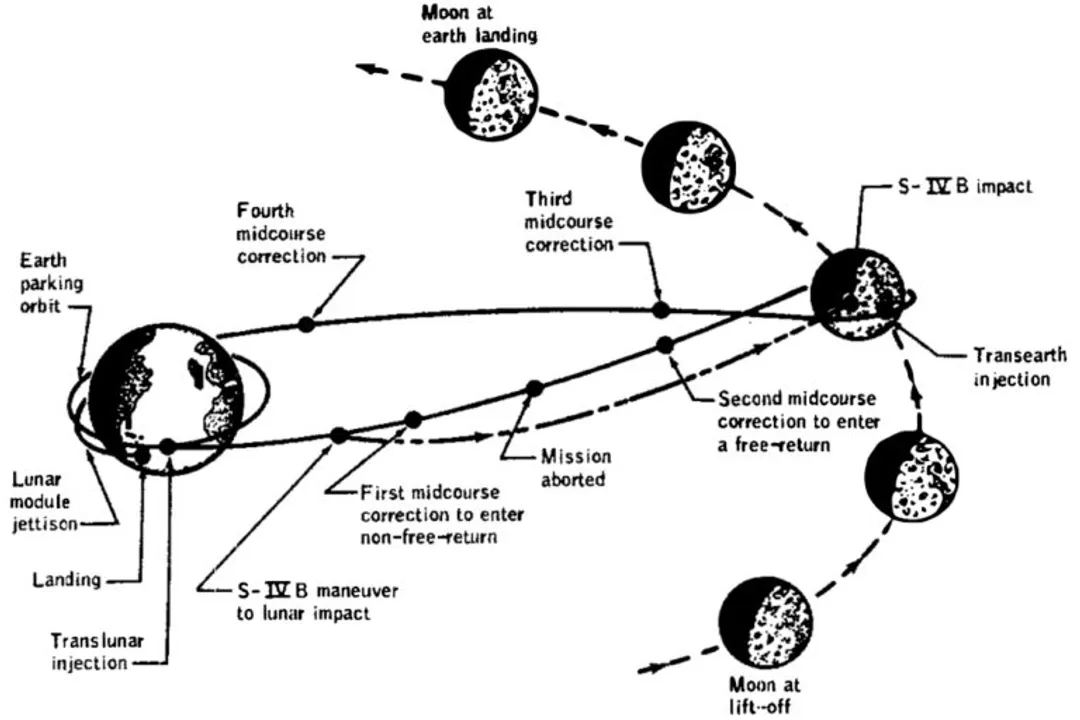
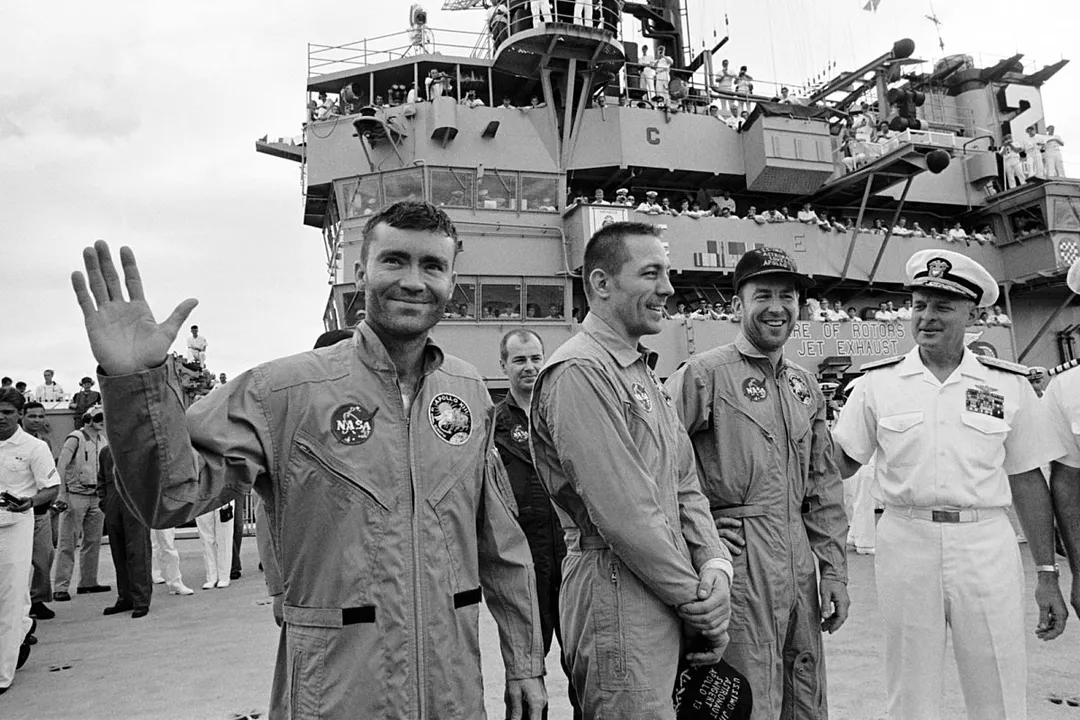
If Apollo 1 was a failure of development and safety culture on Earth, the incident that marred Apollo 13 represented a failure of a specific, critical component while millions of miles from help. On April 13, 1970, approximately 56 hours into the mission, an explosion ripped through the Service Module (SM). [1][2][5] The cause was traced back to an oxygen tank rupture. [1][7]
The crew reported the event with characteristic calm; Jack Swigert famously radioed, "Okay, Houston, we've had a problem here". [7] This single event instantly converted a routine trip to the Moon into a desperate struggle for survival. [5] The explosion crippled the primary power source, venting vital oxygen into space and destroying the systems needed to recharge the batteries for the Command Module's re-entry sequence. [1] The crew, Jim Lovell, Jack Swigert, and Fred Haise, were suddenly forced to rely on the Lunar Module (Aquarius), which was only designed to support two men for two days on the lunar surface, to sustain three men for four days on a complex return trajectory. [1][8]
This situation showcased the ultimate fragility of complex machinery exposed to the deep-space environment. While the CM’s systems failed due to the explosion, the subsequent near-catastrophe—freezing temperatures, dangerously high levels of carbon dioxide, and severe dehydration—was a failure of environmental management imposed by the initial mechanical failure. [1] The recovery, masterminded by teams on the ground at Mission Control, is rightly celebrated, but it was necessitated by a major system failure that nearly ended the mission and the astronauts’ lives. [5][8]
# System Flaws
Comparing the two most famous setbacks reveals different categories of failure inherent in pushing technological boundaries. Apollo 1 was a failure rooted in design conservatism clashing with aggressive deadlines and material science of the era. [9] The components were chosen, tested, and assembled, yet the cumulative effect of the environment (pure oxygen) and flammable materials led to disaster. [9]
Apollo 13, conversely, involved a failure of a specific component—Service Module Oxygen Tank No. 2—that was caused by accumulated damage from pre-flight testing. [7] The tank had been dropped during earlier procedures and then subjected to a vacuum and heat test that exceeded its design limits, damaging the internal wiring insulation. [7] When the crew later activated the tank's stir fans, the damaged wiring sparked, igniting the insulation and causing the explosion. [7] This failure speaks to latent manufacturing defects and the difficulty of non-destructive testing for deep internal damage. [7]
The true measure of the Apollo program’s success isn't the absence of failure, but the speed at which Mission Control could weaponize the remaining functional hardware (the Lunar Module, Aquarius) as a lifeboat, something only possible because of the preceding, fatal lessons learned from Apollo 1. [9] The design team for the life-saving procedures had to invent solutions on the fly, such as jury-rigging the CM’s square lithium hydroxide canisters into the LM’s round fittings using only materials available on board, like duct tape and plastic bags. [8]
# Recurring Issues

It is important to note that failure was practically guaranteed on a mission as unprecedented as Apollo, and the problem did not end with the two most infamous incidents. Evidence suggests that each moon-based Apollo mission experienced a significant, mission-threatening problem that required expert intervention to resolve. [4]
For example, Apollo 12 famously faced two massive lightning strikes less than four minutes after liftoff, which knocked out primary electrical power and telemetry. [4] Mission Control engineers, drawing on experience gained from earlier simulations, were able to diagnose the issue—a power surge that disconnected certain circuits—and instruct the crew on how to manually reset them using procedures developed for just such an unlikely event. [4] Apollo 14 also grappled with issues related to the Lunar Module's guidance and power systems. [4]
If we view the program statistically, the greatest failure isn't the two major incidents, but the sheer improbability that five subsequent missions (10, 11, 12, 14, 15, 16, 17) managed to execute incredibly complex, unprecedented tasks without suffering a mission-ending, non-recoverable failure, suggesting risk tolerance was nearly maxed out on every flight after 13. These near-misses demonstrate that Apollo was operating on an extremely thin margin of error, where success was often determined by the rapid application of engineering knowledge under duress, rather than perfect execution of pre-flight plans. [8]
# Program Evolution
Ultimately, defining the major failure depends on the metric applied: loss of life, or loss of mission capability. Apollo 1 represents the failure to protect the crew during development due to systemic design and safety oversights. [9] Apollo 13 represents the failure of a specific critical component, which almost resulted in the loss of the crew due to the resulting loss of life support and power. [1][7]
What links these seemingly different events is the immense pressure of the Space Race, which prioritized schedule over methodical safety checks in certain phases. [9] The legacy of Apollo is therefore twofold: it stands as a monument to achieving the impossible, but also as a profound case study in how catastrophic failures—both tragic and recoverable—are not simply endpoints, but often the most potent catalysts for engineering expertise and long-term operational maturity in high-stakes endeavors. [8]
Related Questions
#Citations
Apollo 13: The Successful Failure - NASA
Apollo 13 | The Planetary Society
What were some of the biggest risks/failures that happened during ...
Each Moon Based Apollo had a Problem... : r/spaceflight - Reddit
A Successful Failure: A Brief History of the Apollo 13 Mission
Apollo 13 Engine Failure and Mission Risks - Facebook
What Went Wrong on Apollo 13? - History.com
Working Out the Problems of Apollo 13 - College of Engineering
Apollo 1 - Wikipedia