What is the final classification applied to the solid fragment that survives atmospheric transit and impacts the Earth's surface?
Answer
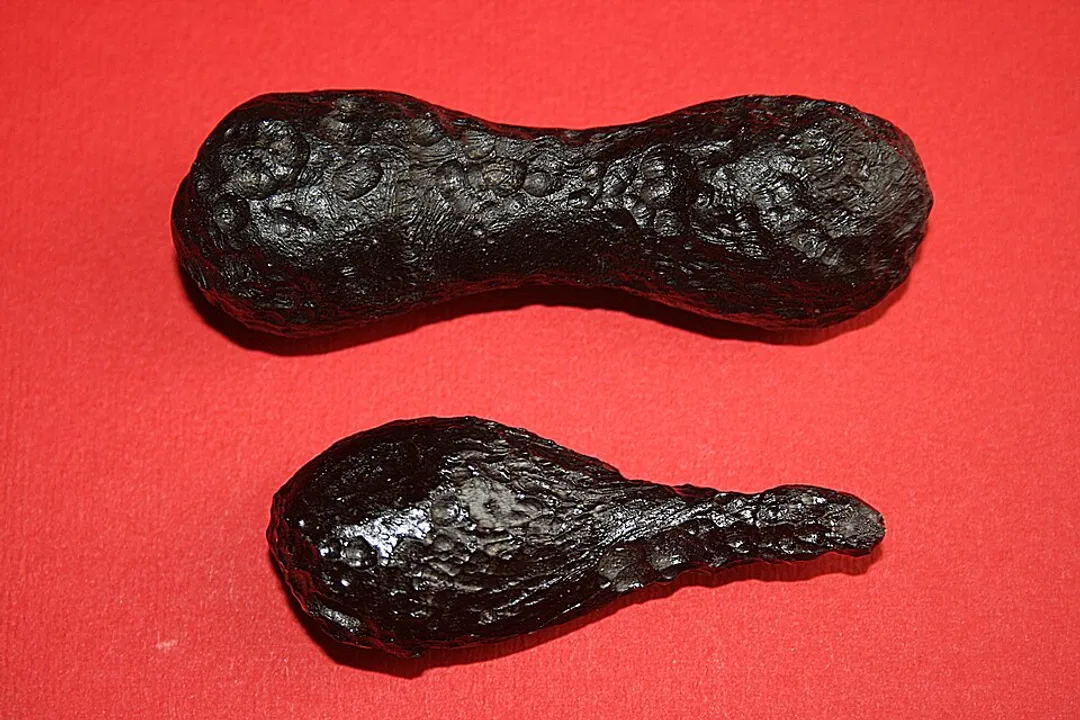
Meteorite
The transition from meteoroid in space, to meteor in the air, results in the surviving fragment that lands on the ground being classified as a meteorite.
Related Questions
What is the specific classification for small rocky or metallic bits originating from asteroids or comets while orbiting the Sun in space?What term describes the superheated, incandescent streak of light observed when a space traveler burns up entering Earth's atmosphere?What is the final classification applied to the solid fragment that survives atmospheric transit and impacts the Earth's surface?If a meteor is exceptionally bright and outshines the planet Venus, what specific label is it often given?What term is applied if a fireball subsequently explodes while still in the atmosphere?Which category of meteorite is characterized by being predominantly composed of iron and nickel alloys?What physical feature found on freshly fallen meteorites is a thin, dark, melted outer layer resulting from ablation during atmospheric passage?What orbital dynamic factor, determined by the object's path relative to Earth, drastically impacts ablation and survival chances?What characteristic, besides magnetism, can make a suspected meteorite feel surprisingly heavy for its volume compared to common terrestrial rocks?What phrase is sometimes used by geologists to refer to terrestrial imposters that look like meteorites but did not originate in space?