What is Jeff Bezos doing with space?

Jeff Bezos’s activities in space are centered around a singular, long-term vision executed through his aerospace company, Blue Origin. [1][8] Rather than focusing solely on short-term commercial launches or tourism, his stated goal is the development of the necessary infrastructure to transition heavy industry off the Earth. [8] This ambition is framed as a means to preserve the planet for future generations by creating new living and working space elsewhere in the solar system. [9][2] Blue Origin was founded with the explicit aim of building a "road to space," suggesting a focus on access and reusability necessary for large-scale industrial migration. [1]
# Name Recognition
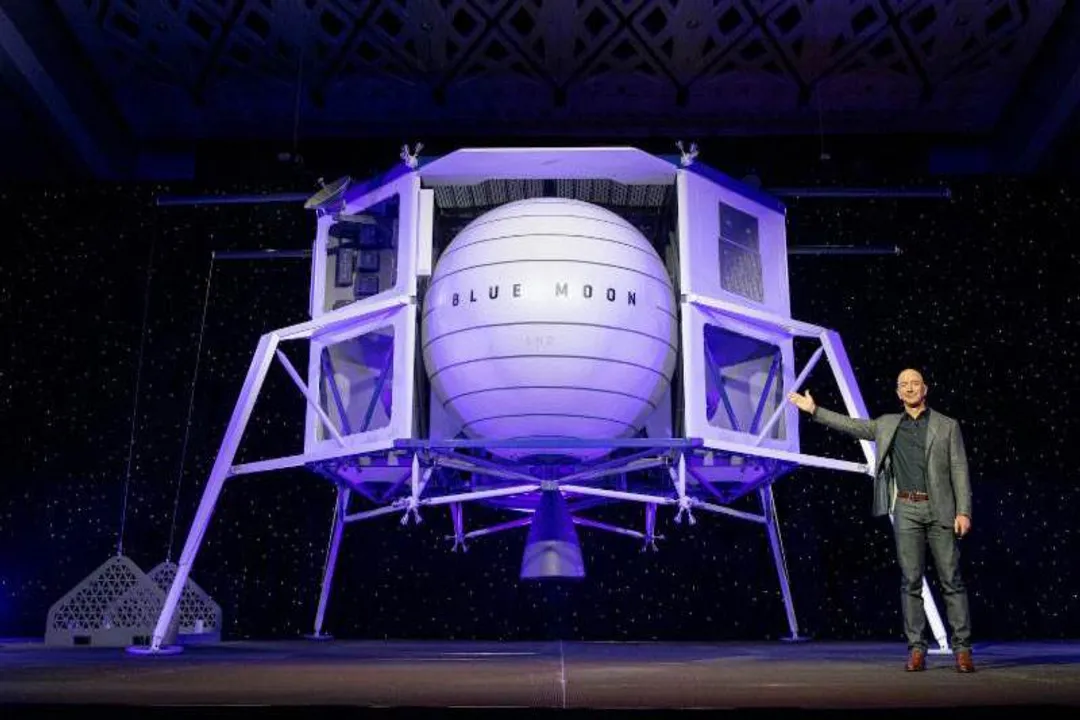
Blue Origin represents a significant component of the modern commercial space sector, often mentioned alongside other major aerospace endeavors. [5] The company’s philosophy, encapsulated in its "Day One" mentality, suggests an approach dedicated to acting with the urgency of a startup, despite the immense capital backing its projects. [5] This approach is necessary when tackling challenges related to heavy-lift capability and long-duration space infrastructure development. [1] Bezos’s commitment has anchored Blue Origin’s work across several critical domains of space access and utilization. [1]
# Off-Earth Industry

The primary driver behind Bezos’s investment appears to be environmental and economic sustainability for Earth. By envisioning the relocation of energy-intensive and polluting industries to orbital or extraterrestrial locations, he aims to mitigate the impact on the terrestrial environment. [8] This shift allows Earth to potentially become a residential and light-industry zone, while the resource-heavy manufacturing moves where energy is abundant—in space. [8] The National Space Society views this pathway as critical for humanity's long-term positive future, supporting the idea that access to space is not just about exploration, but about expanding human civilization's operational base. [9]
# Millions in Orbit
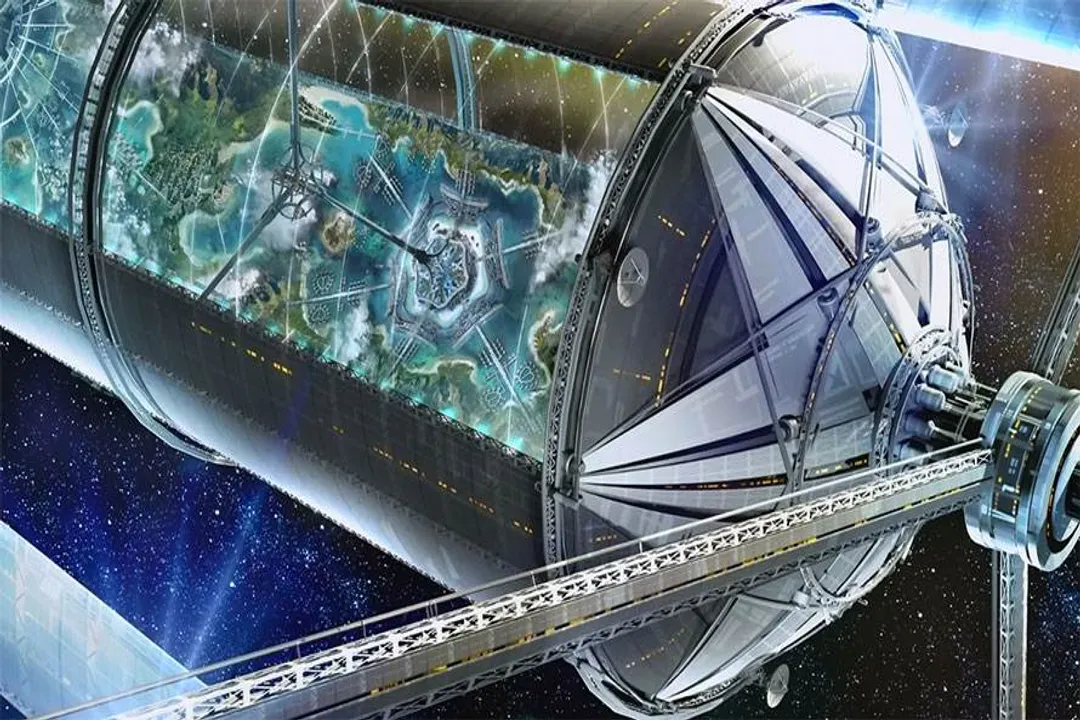
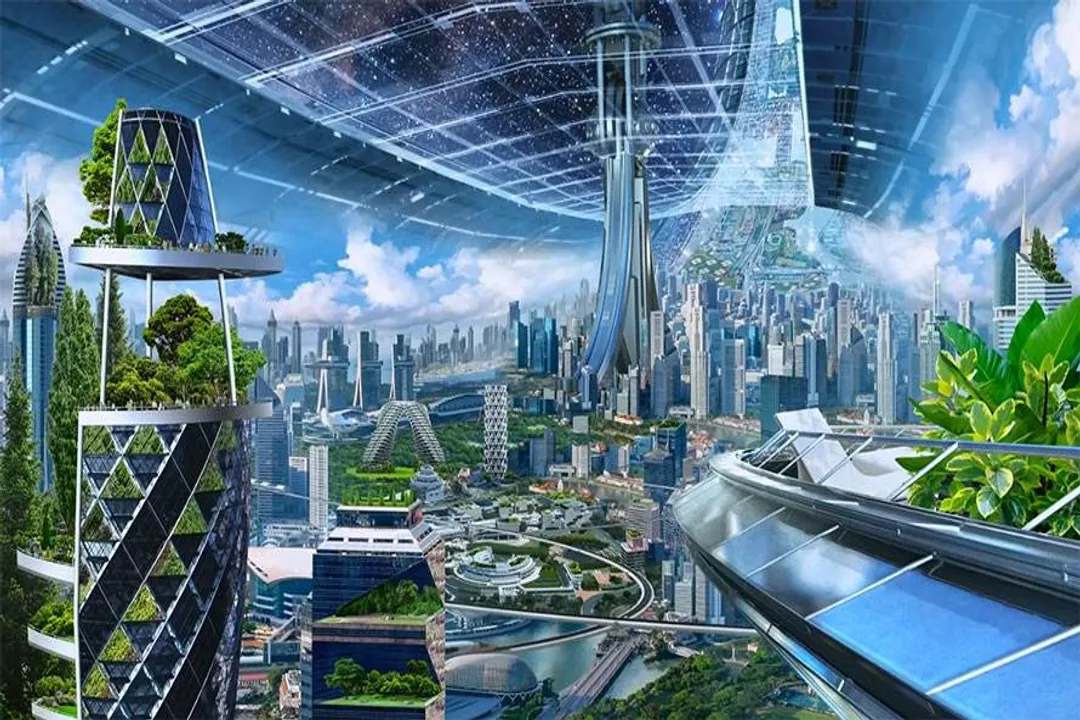
Bezos has articulated a bold population goal that defines the scale of the undertaking. He has stated that his vision includes having millions of people living and working in space. [2] This number moves the conversation well past the current astronaut corps or even small-scale orbital habitats. Achieving a population in the millions necessitates launch systems capable of transporting mass and people with a frequency and cost drastically different from what is currently available. [1] For context, moving even a small percentage of Earth’s current population into orbit would require sustained, high-cadence launches over decades. This implies that the development of fully reusable heavy-lift rockets, like Blue Origin's New Glenn, is not merely a business goal but a fundamental prerequisite for realizing this demographic ambition. [1] The very pace at which the space economy needs to grow to support millions of residents dictates that rocketry must become routine, almost logistical, rather than purely exploratory.
# Rocketry Focus
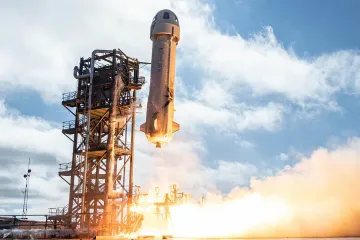
To facilitate this massive expansion, Blue Origin is working on core transportation elements. The New Glenn orbital launch vehicle is central to this, designed to provide the necessary heavy-lift capacity to transport infrastructure components, supplies, and eventually, people to orbit. [1] Complementing this is the Blue Moon lander, which is focused on establishing a routine presence on the Moon, a critical first step toward broader solar system settlement and resource gathering. [1] These are the physical tools required to build the proverbial "road" to space. [1]

# Data Center Orbit
A more immediate and concrete application of Bezos’s space efforts involves high-technology infrastructure, specifically the placement of data centers in orbit. [3][7] This concept positions computational infrastructure in space, a step considered to follow the successful deployment of orbital access vehicles. [3] The drive to move data centers off-planet is generating competition, notably involving Elon Musk, as companies race to secure orbital real estate and regulatory approval from bodies like the FAA for these large-scale structures. [7]
Placing massive computing facilities in space presents unique engineering and logistical challenges, but also offers distinct advantages. The ability to deploy these centers is contingent upon reliable heavy-lift vehicles like New Glenn. [3] It is insightful to consider that this move might be addressing terrestrial limitations head-on. While the eventual goal is industry relocation, establishing orbital data centers first allows companies to circumvent the increasing strain on Earth's power grids. Data computation is immensely energy-intensive, and by placing these facilities in orbit, operators could potentially harness continuous, uninterrupted solar energy, bypassing the geographical and environmental limits of terrestrial power sourcing. [3] This offers a pathway to scalable cloud computing that isn't bound by the political or geographical constraints of Earth-based power generation.
# Market Rivalry
The landscape Bezos is navigating is highly competitive. The race to build space infrastructure, whether it involves orbital habitats or the computational backbone like data centers, involves direct competition with figures like Elon Musk. [7] This dynamic—a rivalry between highly capitalized entities focused on opening up space access—drives rapid innovation and investment in reusable launch technology and orbital mechanics. [7] The presence of this competitive pressure tends to accelerate the timelines for milestones that might otherwise take decades, shifting the industry toward a quicker realization of bold ambitions. [5]
# Future Trajectory
Jeff Bezos's strategy appears layered: establish cheap, reusable access to orbit first, then build foundational infrastructure like data centers, which in turn supports the long-term vision of mass habitation and industrial relocation. [1][8] The immediate steps focus on rocketry and near-term high-value orbital assets, while the ultimate goal remains an expanded human presence throughout the solar system, relieving pressure on our home world. [2][9] This approach blends visionary, almost science-fiction goals with pragmatic, capital-intensive engineering projects designed to create an entirely new economic sphere away from the planet. [1][8]
#Videos
Jeff Bezos Wants AI Data Centers in Space Too - YouTube
Related Questions
#Citations
Blue Origin: Home
Amazon founder Jeff Bezos says 'millions of people' will be living in ...
Jeff Bezos says data centers are the 'next step' for space ventures
Jeff Bezos Wants AI Data Centers in Space Too - YouTube
Jeff Bezos: Day One in the Space Industry - Via Satellite
Jeff Bezos and Lauren Sanchez Install Spaceship at Their $165 ...
Bezos and Musk Race to Bring Data Centers to Space
Jeff Bezos Outlines Blue Origin's Future and Vision for Space Living
Jeff Bezos' Inspiring Pathway to Humanity's Better Future – NSS