What happens to a rocket after launching a satellite?
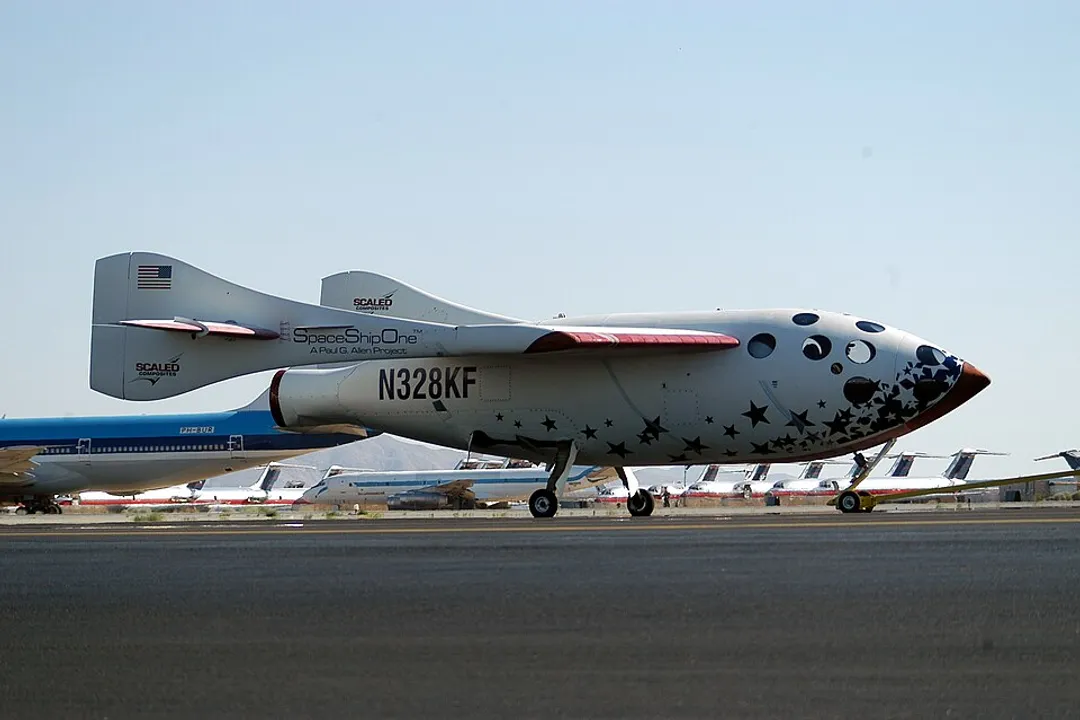
The moment a satellite successfully reaches its intended orbit marks only the halfway point of the overall launch narrative; the true aftermath involves tracking, disposing of, or recovering the massive machine that got it there. A launch vehicle, or rocket, is a complex, multi-part system designed to overcome Earth's gravity and atmospheric drag, requiring a series of spectacular, controlled abandonments to achieve its goal. What happens next depends entirely on the rocket's design philosophy—whether its components are intended for a single use or are built for expensive return and refurbishment.
# Staging Sequence
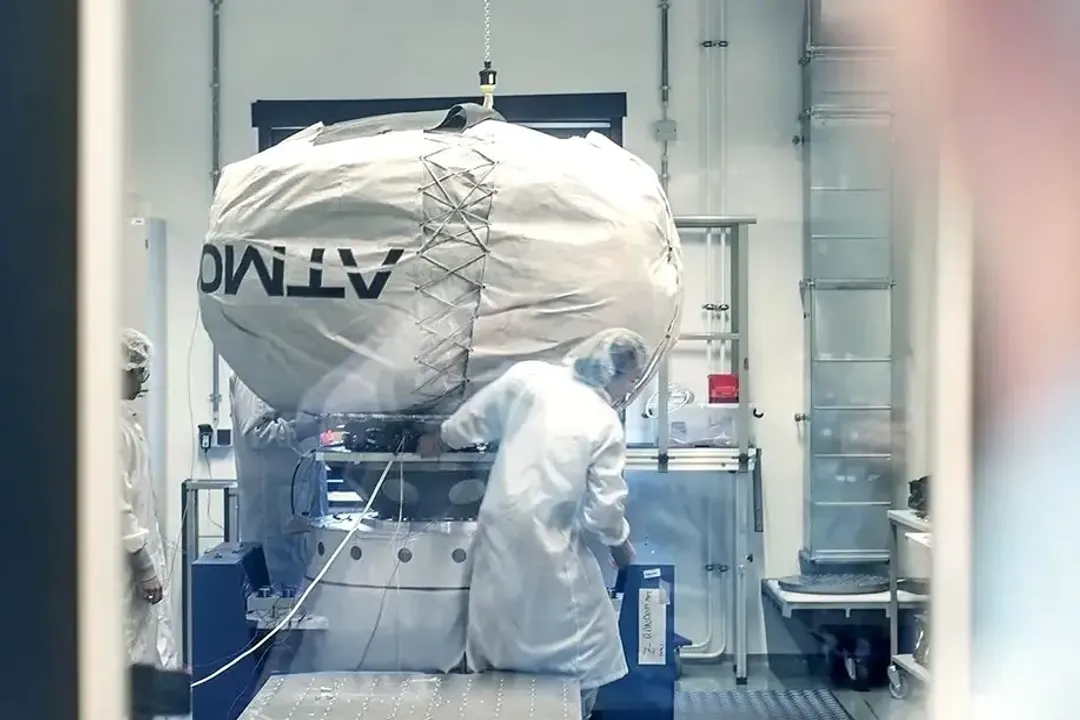
A typical launch vehicle does not remain intact for the entire ascent. To maximize efficiency, rockets shed mass as they climb higher, a process known as staging. This shedding of empty fuel tanks and spent engines is necessary because carrying dead weight into orbit is incredibly inefficient.
The process generally involves at least two distinct stages, though some vehicles employ three or more. The first stage is the largest, containing the bulk of the propellant needed to push the rocket through the thickest parts of the atmosphere. Once this stage burns through its fuel, it separates from the rest of the vehicle, often high above the Earth. This separation is a carefully choreographed event, sometimes involving small separation motors or pyrotechnics to ensure the stages move away from each other safely.
After the first stage separates, the second stage ignites, often while still moving at thousands of miles per hour. This stage is engineered to operate in the near-vacuum of space and typically burns until the satellite reaches the necessary velocity and altitude—the required orbital insertion. In some missions, a small third stage or an integrated propulsion module handles the final maneuvers, circularizing the orbit or placing the satellite into a precise transfer orbit.
# Payload Separation
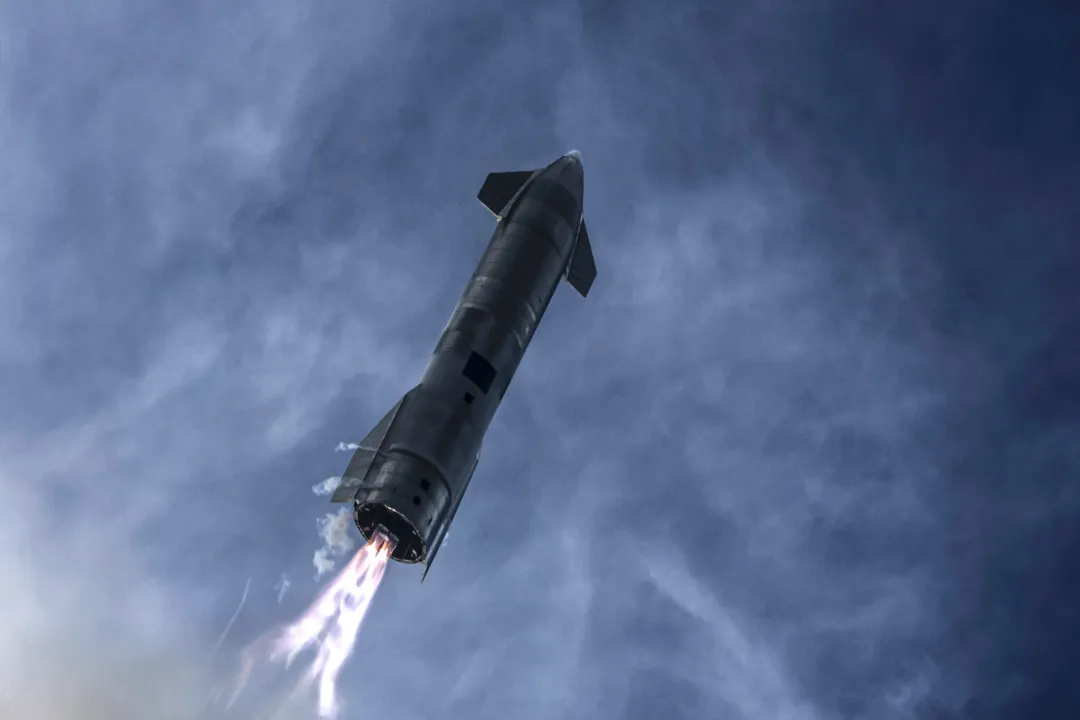
Once the final stage motor shuts down, the rocket has delivered its primary cargo: the satellite, payload adapter, or crew capsule. This is the moment of "spacecraft separation". The payload is typically encased in a protective nose cone, or fairing, during atmospheric ascent to shield it from aerodynamic stress and heat. Once the vehicle is safely above the atmosphere, the fairing splits open and falls away, exposing the satellite to the vacuum of space for the very first time.
Following fairing separation, the satellite is gently pushed away from the spent upper stage using small springs or thrusters. This gentle nudge is critical; the satellite must gain enough separation distance to avoid collision with the discarded rocket hardware.
For the satellite itself, the mission has just begun. As soon as it separates, its own internal systems power up. The first critical steps involve deploying solar arrays to begin generating power and checking the health of all major subsystems. This immediate post-separation phase, sometimes called the "checkout phase," is crucial for mission success, as ground controllers need to confirm that the satellite survived the violent launch environment unscathed.

# Spent Stage Fate
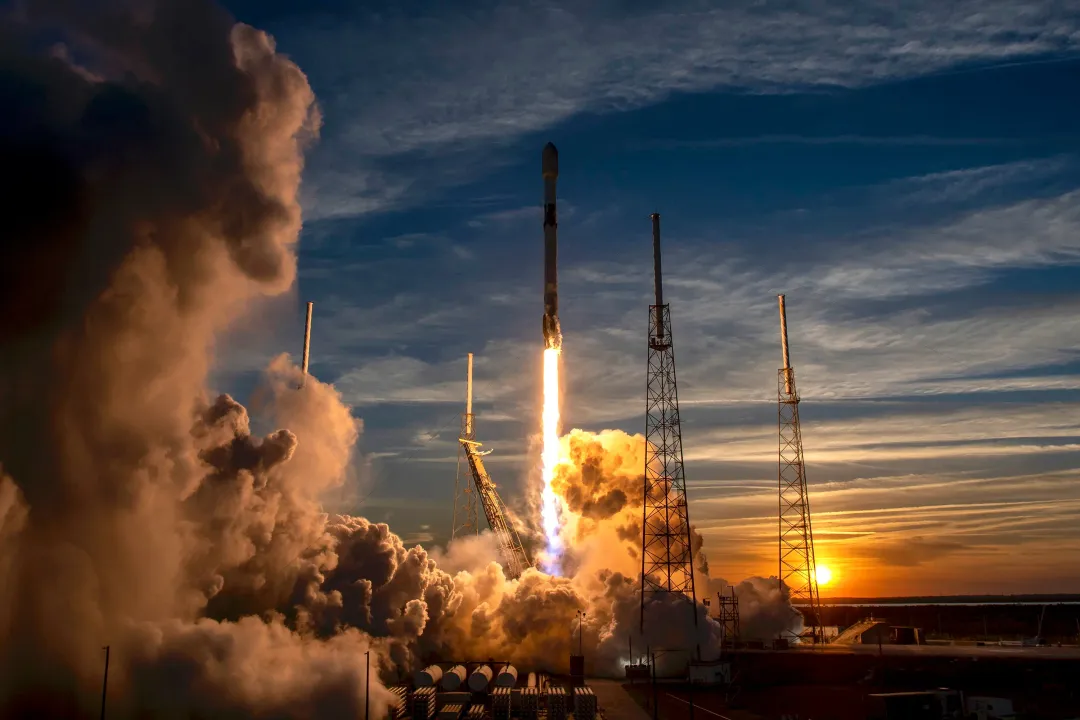
The most significant question regarding the rocket stages after payload delivery revolves around disposal or recovery. This bifurcation in engineering philosophy directly impacts mission cost and the orbital environment.
# Disposal Trajectories
For many decades, and still for many expendable launch systems, the spent upper stage and any remaining components are considered debris. If the final stage was tasked only with reaching a low-Earth orbit (LEO), it is often commanded to perform a deorbit burn. This controlled burn slows the vehicle down just enough for atmospheric drag to eventually pull it back to Earth. Generally, these stages are targeted to impact an unpopulated area in the ocean, often called a "spacecraft cemetery". Even if the stages are designed to burn up on re-entry, small, dense components might survive and reach the surface.
If the rocket placed a payload into a high orbit, such as Geosynchronous Transfer Orbit (GTO) or Geostationary Orbit (GEO), deorbiting is impractical due to the immense fuel penalty required to slow down from such a high velocity. In these cases, the final stage is often commanded to propel itself into a graveyard orbit, a higher, stable orbit where it poses minimal collision risk to operational satellites.
# Recovery Efforts
The paradigm has shifted dramatically with the advent of reusable launch systems, particularly for the first stage. Rockets like SpaceX's Falcon 9 are specifically designed so that the massive first stage, having completed its primary burn, executes a complex series of maneuvers to return to Earth.
This recovery process is an engineering marvel, requiring precise attitude control, re-entry burns to manage heat and trajectory, and, finally, propulsive landings—either on land or on autonomous droneships at sea. The ability to land and reuse the most expensive component of the rocket has radically altered the economics of access to space.
When comparing a modern recoverable system to a traditional expendable vehicle, the difference lies in the payload penalty. A reusable first stage must carry extra fuel specifically for the landing maneuvers, meaning it can lift slightly less mass to orbit compared to an identical stage designed to be discarded. This trade-off is accepted because the cost savings from reuse vastly outweigh the small reduction in payload capacity.
Here is a comparison of the common fates for a spent launch vehicle stage:
| Stage Component | Common Trajectory | Primary Goal | Source |
|---|---|---|---|
| First Stage (Reusable) | Controlled propulsive landing (land/sea) | Cost reduction via refurbishment | |
| First Stage (Expendable) | Uncontrolled atmospheric re-entry/Ocean impact | Mission completion | |
| Upper Stage (LEO Mission) | Controlled deorbit burn | Debris mitigation | |
| Upper Stage (GEO Mission) | Propelled to a graveyard orbit | Collision avoidance |
# Environmental Context
While the physical fate of the hardware is important, the launch itself has an immediate environmental footprint. The massive quantity of propellant burned during ascent results in significant emissions being released high into the atmosphere. These exhaust plumes, composed of water vapor, carbon dioxide, and trace amounts of nitrogen oxides and other compounds, are injected directly into the stratosphere and mesosphere.
The difference between the immediate atmospheric impact and the long-term orbital fate is one of timescale and altitude. The atmospheric pollutants are dispersed relatively quickly by global air currents, though their near-term effect on ozone chemistry at those altitudes is an active area of study. In contrast, an upper stage left in a high orbit can remain space debris for hundreds or even thousands of years, posing a persistent collision threat to active satellites. Thinking about the rocket’s life cycle requires considering both the few minutes of intense atmospheric pollution and the centuries of orbital residence for any hardware that remains aloft.

# Satellite Operations
After separation and successful health checks, the satellite transitions into its operational phase. This is the actual mission for which the launch vehicle was contracted. The satellite will use its own small propulsion system, often called a station-keeping engine, to slowly maneuver itself into its final, precise operational slot if the upper stage did not deliver it there exactly.
This final positioning is crucial, particularly for communications or Earth observation satellites that must maintain specific relative positions to the Earth or other assets. A satellite’s primary job involves collecting data, relaying communications, or providing navigation signals, all while managing power from its solar arrays and controlling its temperature in the harsh vacuum of space. Unlike the rocket stages, which are discarded after a few hours or days, the satellite is designed to operate for years, sometimes decades, until its fuel runs out or its components fail.
#Videos
Here's what happens when rockets launch into space - YouTube
What Happens To Discarded Rocket Boosters And Old Satellites?
Related Questions
#Citations
What happens to rockets after they are launched into space? Do ...
Here's what happens when rockets launch into space - YouTube
Launch & Deployment - NASA Space Operations Learning Center
What Happens to Rockets After They Launch? Stages, Recovery ...
Scientists Warn of Emissions Risks from the Surge in Satellites
Space launch - Wikipedia
How a launch vehicle works | Britannica
So You Launched a Satellite, Now What? | NESDIS