Why does NASA use water when launching rockets?
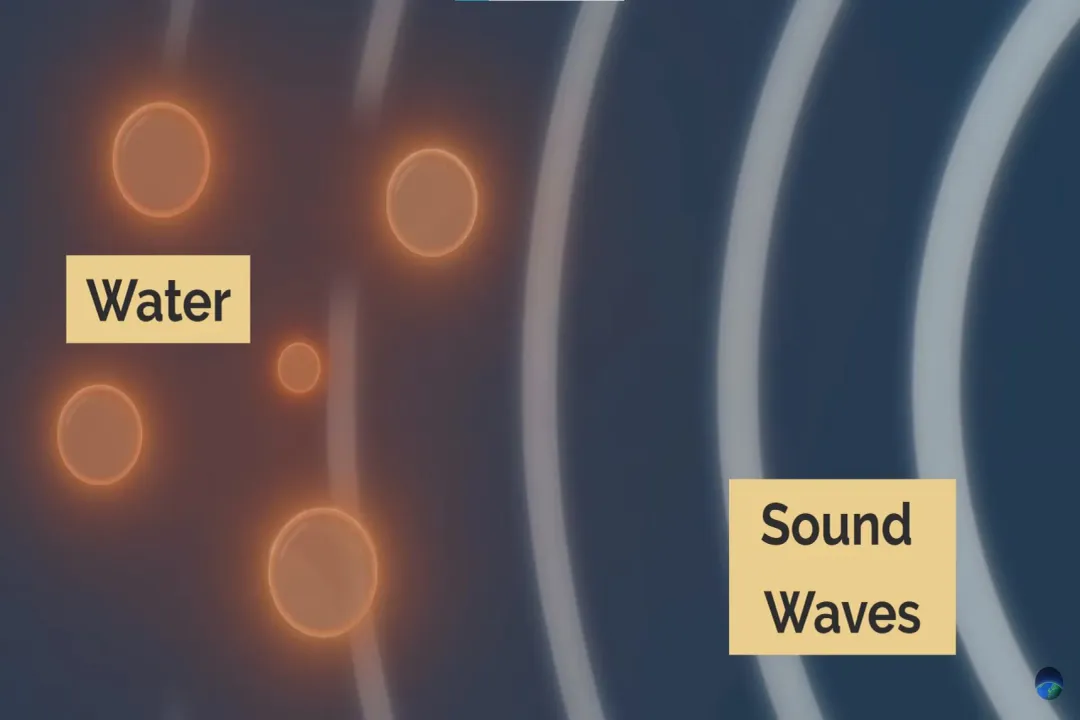
The sight of massive geysers erupting from the launch pad just moments before a giant rocket clears the tower often confuses onlookers. It looks almost like the rocket needs a colossal shower, but the reality involves managing one of the most destructive forces generated during a space launch: sound. [1][5] This practice, utilizing half a million gallons of water or more for a major launch, is not for cooling the engines themselves, but rather for acoustic energy management, an essential safeguard for the vehicle and its delicate cargo. [2][5]
# Sound Threat
A rocket engine generates incredible thrust by rapidly expelling hot gases, which inevitably creates immense noise. [6] This noise isn't just loud in the way a rock concert is loud; it is a destructive wave of acoustic pressure. [1] The sound pressure levels generated right beneath a powerful engine bell can reach over 170 decibels. [6] To put that into perspective, a standard jet engine might reach 140 dB, and standing near a human-made explosion can push past 160 dB. [1] When comparing the acoustic energy released by a large rocket during liftoff to a seismic event, the sheer energy involved becomes clearer; the acoustic energy can rival that of a moderate earthquake concentrated at the launch site. [1]
The most immediate danger from this sound energy is not to the people in the viewing stands, but to the rocket itself. [5] When the exhaust plume exits the engine bell, it slams into the flame trench—the concrete structure designed to redirect the exhaust sideways and away from the vehicle’s base. [1] This collision sends powerful sound waves bouncing upward, directed right back toward the rocket structure, the sensitive electronics, and the payload housed near the top. [1][6] These reflected pressure waves can vibrate the vehicle severely, potentially causing structural failure or damaging sensitive instrumentation. [6]
# Steam Barrier
The solution NASA and other space agencies employ is known as a Sound Suppression System (SSS). [4] This system works by flooding the area beneath the rocket engines with vast quantities of water precisely at the moment of ignition. [9] As the superheated exhaust gases meet this liquid, the water instantly vaporizes, turning into steam. [1][5]
This rapid phase change—from liquid water to steam—is the key mechanism. [1] The resultant cloud of steam is dense and acts as a physical, albeit transient, barrier. [5] Instead of the raw acoustic energy reflecting off the hard surfaces of the flame trench and slamming back into the rocket structure, the sound waves encounter the steam cloud, which absorbs and attenuates the energy. [1][6] The steam cloud effectively diffuses, dissipates, or reflects the destructive sound waves away from the vulnerable hardware. [5] It's an engineering solution that uses the massive heat energy of the launch to create an atmospheric buffer zone. [1]
The amount of water required is staggering. For a large launch vehicle, estimates often hover around half a million gallons, sometimes more, depending on the thrust rating of the engines being used. [5] Considering that one Olympic-sized swimming pool holds about 660,000 gallons, a single major launch consumes the equivalent of nearly an entire Olympic pool volume just to manage the noise—a testament to the raw power involved. [5]
# System Scale
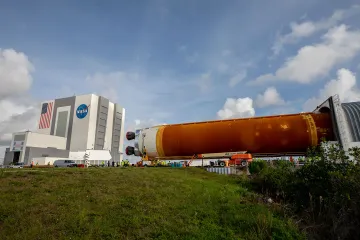
The engineering behind getting that water exactly where it needs to be, with perfect timing, presents its own significant challenges separate from the propulsion system itself. [7] It is one thing to store a half-million gallons of water; it is another entirely to release it in targeted jets or deluges within milliseconds of engine ignition. [4]
The Sound Suppression System involves massive piping, high-volume pumps, and specialized nozzles designed to atomize the water into a fine spray that maximizes steam generation upon contact with the exhaust. [1] NASA has continuously worked on upgrading these critical support systems, recognizing that as rockets like the Space Launch System (SLS) grow in power, the demands on the water system increase proportionally. [7] For example, upgrades to the water delivery mechanisms are crucial steps in ensuring future heavy-lift vehicles can launch safely from existing infrastructure. [7]
The distribution pattern is also highly specific. While the massive deluge targets the flame trench area, some older or specific configurations might involve water being sprayed directly through nozzles positioned near or under the engine bells themselves. [6] This targeted approach aims to mitigate the acoustic shock right at the source before it even interacts fully with the larger ground structures. [6]
# Hardware Defense
The primary function remains the protection of the vehicle. Imagine the rocket structure, which must be simultaneously incredibly strong to withstand the G-forces of ascent and light enough to escape Earth's gravity. This results in a structure that is very stiff but can be sensitive to specific vibrational frequencies. [1]
If the acoustic reflections were allowed to hit the base of the rocket unimpeded, the sustained, high-amplitude vibrations could cause:
- Structural Cracks: Micro-fractures or stress fatigue in fuel tanks or structural ribs. [1]
- Component Failure: Damage to sensitive electronic components, sensors, or cabling running along the rocket's exterior. [6]
- Payload Degradation: Even the cargo—be it a satellite or crew capsule—is sensitive to excessive vibration throughout the ascent phase. [5]
By creating this massive, temporary steam cushion, engineers ensure that the energy waves encountered by the vehicle are significantly damped down to levels the structure and its contents can easily withstand. It is a necessary, if counterintuitive, step in preparing a multi-million-pound machine for flight. The system must be ready to operate flawlessly even if other systems have minor issues; failure of the SSS means risking the entire mission right at . [7]
# Testing Systems
Because the consequences of system failure are so high, the water delivery hardware itself undergoes rigorous testing separate from the actual launch campaigns. [4] This involves pressurizing the tanks and ensuring the valves open correctly and the spray pattern is established before the vehicle ever rolls out to the pad. The sheer volume of water required also means that launch sites must have substantial reservoirs available, or efficient ways to pump high volumes of water rapidly, which is a logistical undertaking in itself. [9] Furthermore, there is an engineering nuance often overlooked: ensuring the water supply itself is robust enough not to cause its own issues, such as icing in colder conditions if the launch schedule shifts, although the primary operational window is usually when temperatures allow for immediate vaporization. [1][5] The reliability of the ground support equipment, which manages these fluid dynamics, must match the reliability targeted for the flight hardware.
Related Questions
#Citations
Why do we "spray" lots of water during a rocket launch?
Why do rockets dump so much water on the landing pad of ... - Reddit
Why Do We Flood Rocket Launch Pads? - YouTube
Sound suppression system - Wikipedia
Why NASA Uses Half a Million Gallons of Water to Launch a Rocket
What is the purpose of the jets of water often under rocket engines ...
NASA Water System Project Upgrades Critical SLS Support System
Why do we throw water at the bottom of the rocket before it takes off?