What year did the NASA rocket explode?
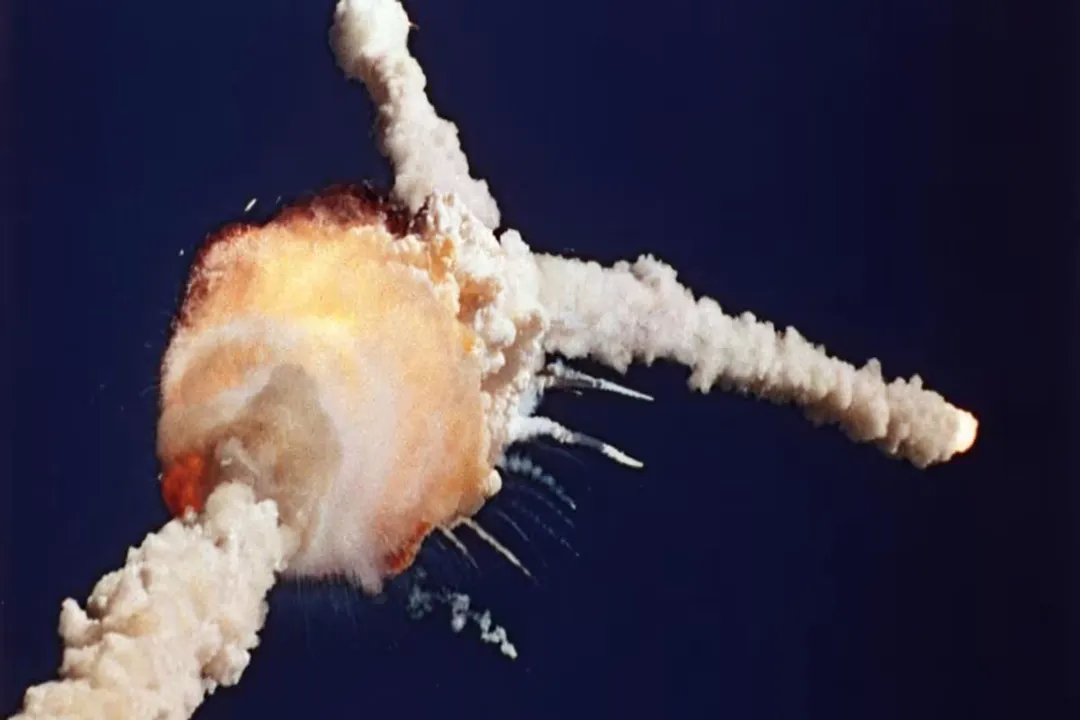
The explosion of a NASA rocket, specifically the Space Shuttle Challenger, occurred in the year 1986. This catastrophic event unfolded on a clear but unusually cold Tuesday morning, January 28th, as millions around the globe watched live television broadcasts, expecting to witness history being made by the inclusion of the first teacher traveling to space. The vehicle, designated mission STS-51L, broke apart just 73 seconds after lifting off from Cape Canaveral, Florida.
# Mission Significance
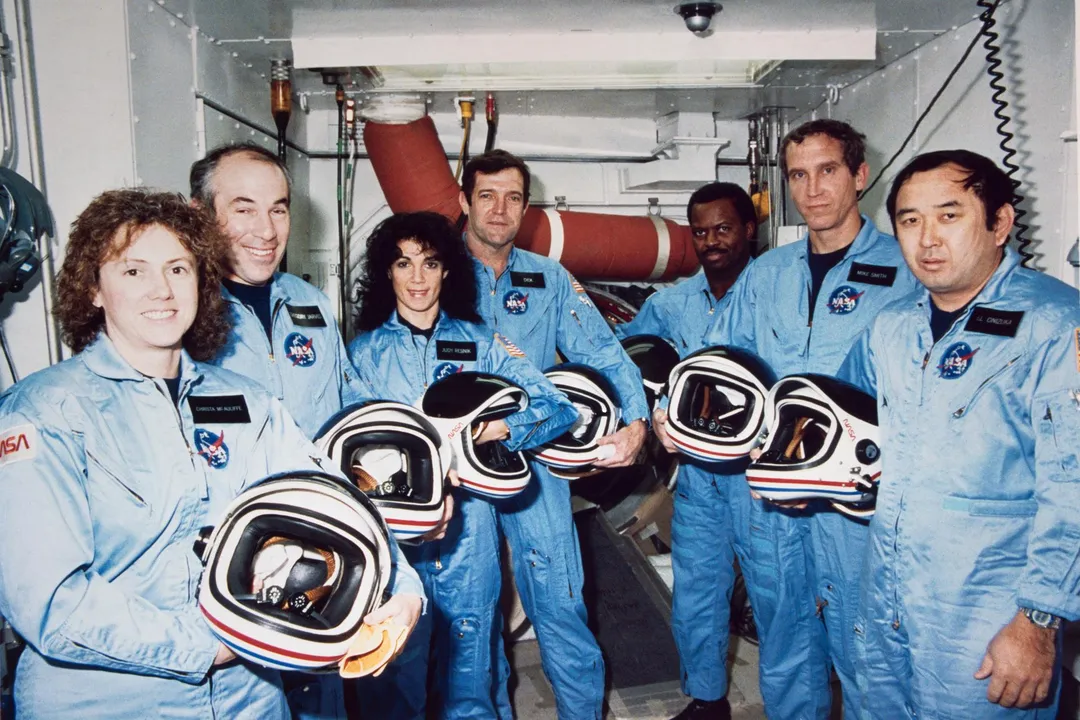
The STS-51L mission was highly anticipated, largely because it carried Christa Corrigan McAuliffe, a 37-year-old social studies teacher from New Hampshire. McAuliffe was the winner of NASA’s "Teacher in Space Project," an initiative designed to connect the public with the space program by having an ordinary citizen conduct educational activities from orbit. This aspiration tragically ended just over a minute into the ascent.
The launch itself had been subject to delays. Beginning on January 23rd, the countdown had been postponed for six days due to a mix of adverse weather and technical issues. When the final launch attempt proceeded on January 28th, central Florida had experienced a severe cold wave, coating the launch complex in thick ice the night before. Despite warnings from some engineers regarding the risks associated with launching in such low temperatures, the decision was made to proceed with the liftoff at 11:38 a.m. EST.
# The Ascent
The initial moments of flight appeared normal, with the shuttle ascending vertically like a conventional rocket, utilizing its two solid-fuel rocket boosters (SRBs) alongside its three main engines. The vehicle passed the period of maximum aerodynamic pressure, often called "Max-Q," and Mission Control issued the command, "Challenger, go with throttle up". Within seconds of this command, the vehicle vanished in a plume of smoke and fire.
The disaster occurred at an altitude of approximately 14,000 meters (46,000 feet). The investigation later determined that the immediate cause was the failure of two crucial rubber O-rings located in a joint between the lower segments of the right-hand SRB.
The severe cold on the morning of the launch critically reduced the elasticity and sealing capability of these O-rings. Under normal operation, the main engines' ignition sequence would cause the vehicle to pitch slightly, and the SRBs would center themselves; the O-rings were designed to seal the joint during this process. However, the cold prevented the rings from properly sealing the joint, creating a pathway for hot exhaust gas to escape the booster during ascent.
Puffs of black smoke were first seen on the far side of the booster, an area obscured from many ground cameras. As the vehicle climbed, this leak intensified, developing into a visible stream of flame, roughly 8 feet long, that emerged from the breach after about 59 seconds. This flame stream gradually grew to about 40 feet, eventually eroding one of the three struts that tethered the booster base to the main external fuel tank that supplied propellant to the orbiter’s engines. When this strut failed, the base of the SRB swiveled outward, forcing the nose of the booster into the top of the external tank. This impact caused the massive fuel tank to collapse and explode, resulting in the disintegration of the entire stack.
# Crew Fate and Recovery
The destruction of the orbiter was swift and complete at the 73-second mark. Debris rained down into the Atlantic Ocean for over an hour. It is believed that while the crew cabin section was severed relatively intact, continuing upward briefly before plummeting, the seven crew members likely did not survive the initial breakup. Because they were not wearing pressure suits for this phase of flight, loss of cabin pressure likely rendered them unconscious within seconds, leading to death by oxygen deprivation before impact with the ocean.
A massive salvage operation followed to recover wreckage and the remains of the crew. The seven astronauts who perished were:
- Francis R. "Dick" Scobee (Commander)
- Michael J. Smith (Pilot)
- Judith A. Resnik (Mission Specialist)
- Ellison S. Onizuka (Mission Specialist)
- Ronald E. McNair (Mission Specialist)
- Gregory B. Jarvis (Payload Specialist, Hughes Aircraft engineer)
- Sharon Christa McAuliffe (Payload Specialist, "Teacher in Space Project")
It is worth noting that the solid rocket boosters themselves survived the initial fireball and even continued flying briefly before being intentionally detonated by range safety officers to prevent them from overflying land.
# Organizational Flaws
The ensuing investigation, conducted by the Presidential Commission on the Space Shuttle Challenger Accident, often referred to as the Rogers Commission, delivered its report in June 1986. Chaired by former Secretary of State William Rogers, the commission included esteemed figures such as astronauts Neil Armstrong and Sally Ride, and test pilot Chuck Yeager.
The Commission's findings did not stop at engineering failure; they uncovered what was described as an appalling pattern of organizational decision-making that prioritized schedule over safety. Engineers from the contractor Morton Thiokol, Inc., who manufactured the booster motors, had expressed severe concerns about the O-ring reliability for at least two years and had explicitly warned their superiors about a potential failure the night before the launch.
The investigation placed blame on NASA as a whole, specifically citing poor engineering and management at the Marshall Space Flight Center (responsible for boosters) and the contractor, Morton Thiokol. A core issue identified was the intense pressure within NASA to meet an ambitious flight schedule—the stated goal was 24 missions per year—which strained personnel and spare parts inventories, leading to an overworking of technicians. This suggested that the program was operating with insufficient resources to maintain such a demanding pace safely. The commission strongly recommended tightening the communication lines between management and the working engineers to prevent such a "flawed" launch decision from recurring.
One illustrative moment during the investigation involved physicist Richard Feynman, a commission member, who publicly demonstrated the loss of O-ring resiliency by simply submerging one in a glass of ice water. This tangible display helped clarify the direct link between the cold weather and the technical failure.
# A Program Reset
In the immediate aftermath, President Ronald Reagan addressed the nation in a somber speech on February 3, 1986. The shuttle program was immediately grounded, halting all missions for more than two years while NASA worked on redesigned solid boosters and implemented significant administrative changes, including a new NASA safety office and a shuttle safety advisory panel.
The decision to replace the destroyed orbiter Challenger was announced by President Reagan in mid-August 1986, and the new vehicle, named Endeavour, would begin construction shortly after. When spaceflight resumed in September 1988 with the successful launch of Discovery, the mandate for the shuttle fleet had subtly shifted. It would no longer be utilized for launching commercial satellites, as the market pressure that contributed to the accident had created an opportunity for private companies to step forward and operate commercial versions of expendable launchers like the Delta and Titan rockets. This signaled a move toward a "mixed fleet" strategy, lessening the reliance on the single shuttle system for all space access needs.
The Challenger accident remains a watershed moment in the history of space exploration, serving as a harsh lesson on the costs of organizational culture overriding technical caution. The shuttle program continued for decades, culminating in significant achievements like servicing the Hubble Space Telescope and constructing the International Space Station. However, the specter of catastrophic failure remained, reappearing over seventeen years later when the orbiter Columbia broke apart upon reentry on February 1, 2003, due to damage sustained during launch.
The Challenger disaster, which occurred in 1986, fundamentally altered NASA's approach to risk assessment and management in crewed flight, emphasizing that human factors and management structure are as integral to mission success as the engineering of the hardware itself. The physical location of the disaster, 73 seconds into the flight, represents a critical boundary—the point where the primary thrust phase ended and the complex interaction between the orbiter and its boosters proved fatal. The legacy of the seven crew members, especially Christa McAuliffe, serves as an annual reminder for NASA's Day of Remembrance. Thinking about the event from a management perspective, it illustrates how an aggressive pursuit of capability—the goal of a reusable, frequent flyer vehicle—can inadvertently create systemic organizational flaws when paired with insufficient financial backing or personnel for maintenance and refurbishment. The decision to build Endeavour was a tangible commitment to restore the fleet, but the policy shift toward reviving expendable launch vehicles showed a practical acceptance that system redundancy and operational independence were necessary safeguards for the nation's continued access to space.
Related Questions
#Citations
Challenger STS-51L Accident - NASA
Challenger disaster | Summary, Date, Cause, & Facts - Britannica
The space shuttle Challenger explodes after liftoff | January 28, 1986