What is NASA's main job?
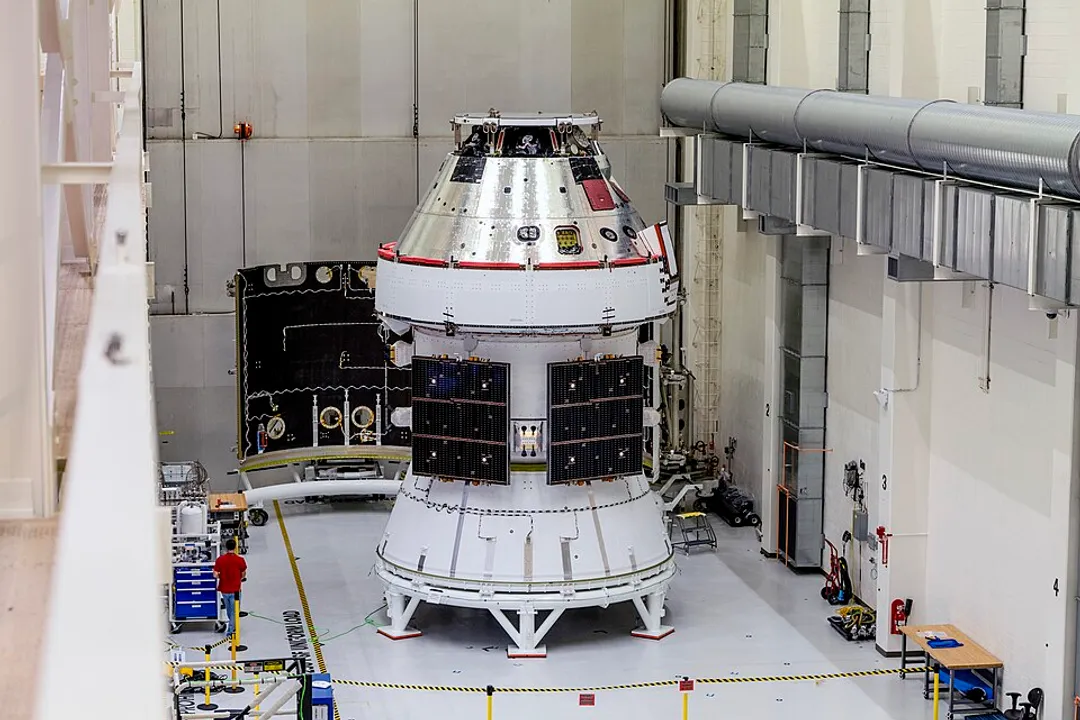
The National Aeronautics and Space Administration (NASA) operates as the premier civilian agency of the United States government dedicated to space exploration and aeronautics research. Its fundamental mandate centers on pioneering the future in air and space for all Americans and, by extension, for humankind. Established in 1958, the agency’s work is specifically directed toward the peaceful or scientific purposes of these endeavors.
# Core Purpose
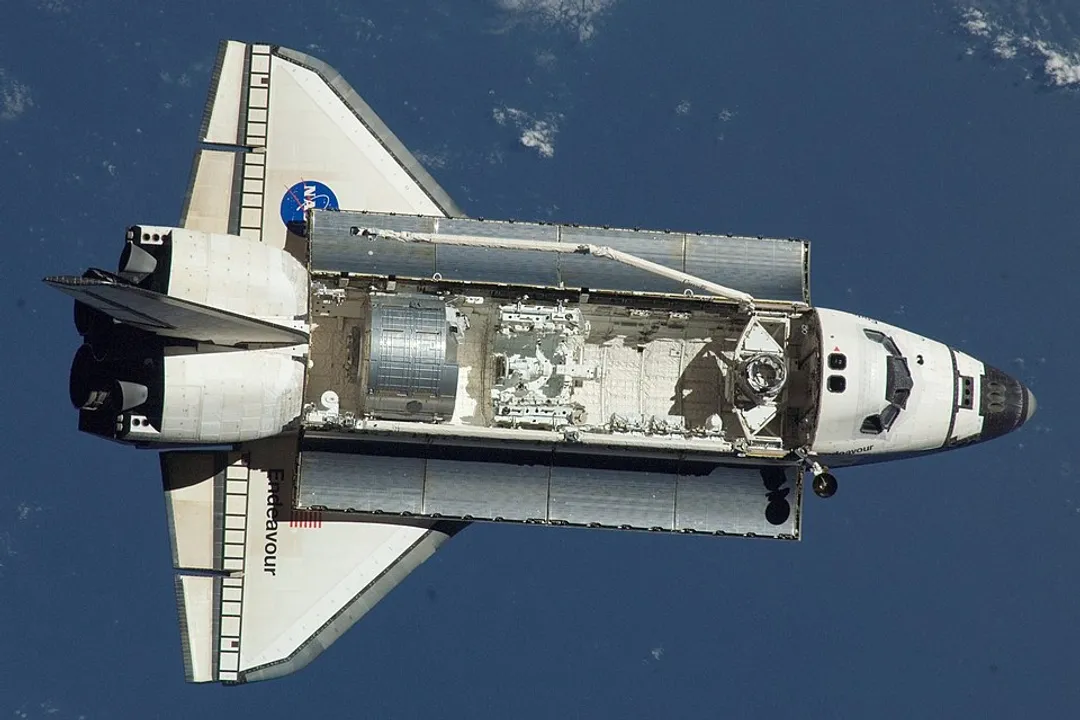
To understand NASA’s main job, one must look past the iconic images of rockets and astronauts and focus on its chartered mission pillars. While the public often associates the agency solely with crewed missions to the Moon or Mars, the official scope is much broader. The agency is tasked with pushing the boundaries of scientific discovery across several interconnected fields.
This purpose divides naturally into four main areas of scientific inquiry and action:
- Earth Science: Studying our home planet from orbit to understand climate, weather, and environmental changes.
- Solar System: Conducting robotic and crewed missions to explore the planets, moons, asteroids, and comets within our solar neighborhood.
- The Universe: Developing instruments and missions, like the James Webb Space Telescope, to gaze into deep space, studying stars, galaxies, and the origins of the cosmos.
- Human Space Exploration: Developing the technology and managing the operations required to send humans into space safely and sustainably, including work on the International Space Station (ISS) and future deep-space missions.
This scientific pursuit requires significant institutional capability, which is why the other half of the primary job description involves aeronautics—the study and advancement of flight technology. This branch of the work focuses on improving how things fly within Earth’s atmosphere, which benefits commercial aviation and national security interests alike, even if the final launch vehicle is destined for orbit.
# Science Pillars
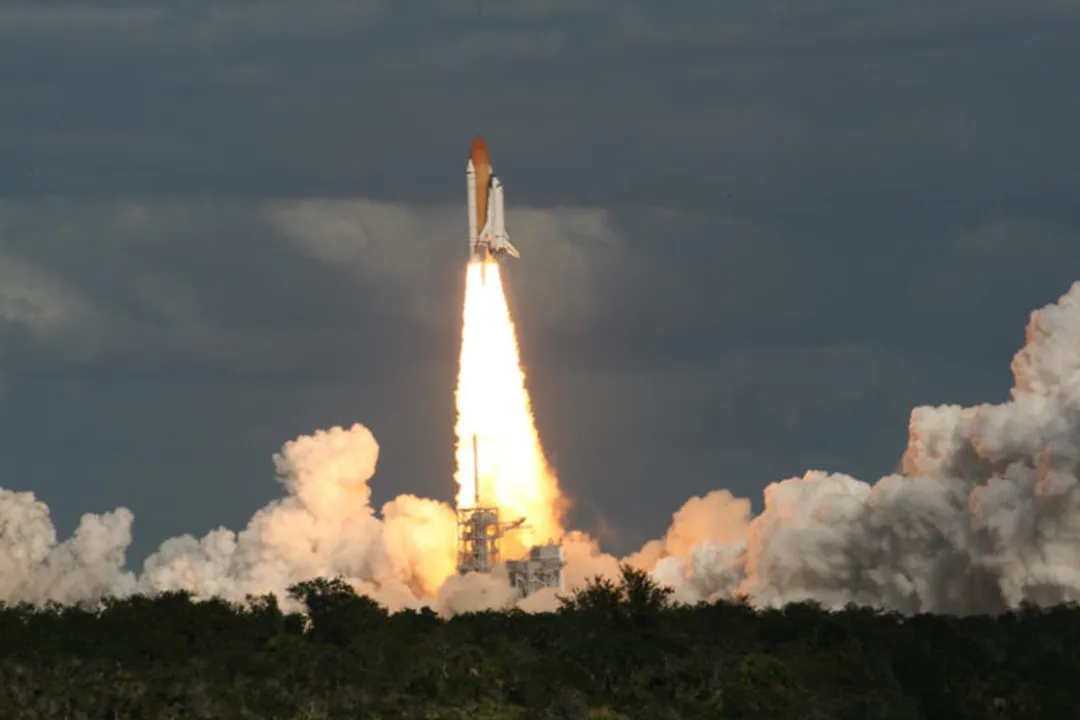
The execution of these four major pillars necessitates a highly specialized workforce capable of handling projects that span decades and involve engineering challenges unlike almost any other sector. The exploration of the solar system, for instance, relies heavily on specialized centers like the Jet Propulsion Laboratory (JPL), which manages many of the agency's robotic missions. JPL, managed by the California Institute of Technology for NASA, specializes in designing and operating these sophisticated spacecraft that travel to distant worlds.
When comparing the goals, the mandate for Earth Science often stands in quiet contrast to the high-profile missions to other planets. While Mars rovers capture headlines, the continuous stream of data from Earth-observing satellites provides critical, actionable context for policymakers and researchers dealing with terrestrial issues. A key insight into the agency’s function is realizing that the same technological expertise used to map the surface of Titan is simultaneously applied to track water vapor dynamics over the Amazon basin. The main job isn't just going elsewhere; it is about seeing everywhere, both near and far, through the lens of advanced technology.

# Workforce Structure
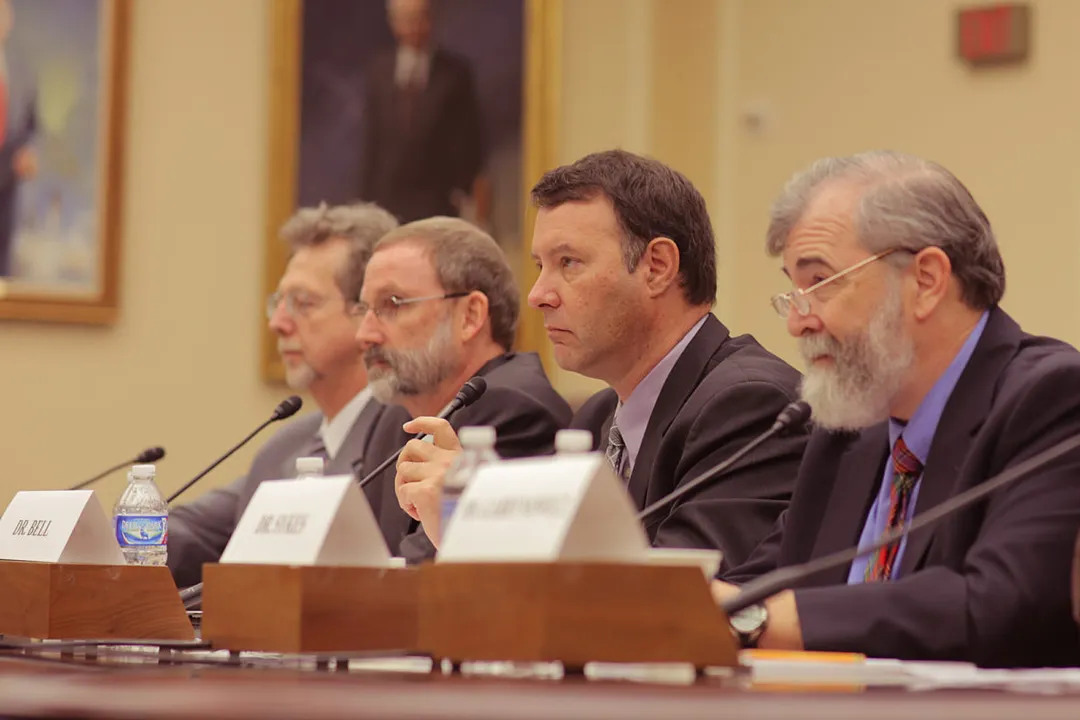
The sheer scope of pioneering air and space requires a highly diverse set of skills far removed from just piloting spacecraft or building rocket engines. The agency's main job—achieving its mission objectives—is entirely dependent on the variety of professionals it employs. While engineers and scientists form the visible core, they require an extensive network of support.
The required roles span the spectrum of professional endeavor:
- Engineers: From aerospace and mechanical to electrical and software engineers, they design, build, and test hardware.
- Scientists: Physicists, geologists, astronomers, and biologists who formulate the research questions and interpret the resulting data.
- IT Professionals: Essential for managing the massive data sets generated by missions and maintaining the critical infrastructure.
- Administrative and Support Staff: Roles encompassing everything from legal counsel and human resources to procurement and public affairs.
The diversity of necessary expertise means that a successful application to NASA could be for a specialized budget analyst just as much as for an astrophysics Ph.D.. An interesting aspect of how NASA translates its main job into daily operations is seen in the internal specialization required to maintain compliance and continuity. For every team developing a new propulsion system, there is an equally critical team ensuring adherence to federal procurement laws or managing complex international partnerships required for projects like the ISS. The main job is therefore not just the creation of space technology but the management of a complex, federally funded, cutting-edge research institution.
# Program Execution
NASA's execution of its mission often involves the use of specialized centers, each with distinct, though overlapping, areas of expertise. While the agency headquarters sets the overall strategic direction, specific centers or facilities become centers of excellence for particular types of work. For example, the Johnson Space Center is heavily focused on human spaceflight operations and training, whereas JPL excels in robotic planetary missions.
This organizational specialization is a direct reflection of the main job requirement: high-stakes reliability. When dealing with multi-billion dollar assets, sending humans across vast distances, or operating instruments millions of miles away, there is virtually no margin for error. This necessitates rigorous testing protocols, extensive quality control, and a culture deeply committed to safety and precision, which impacts every department, from the fabrication floor to the accounting office.

# Looking Ahead
The definition of NASA's main job is not static; it evolves with technological capability and geopolitical context. While the initial focus in the mid-20th century was driven by the competition to reach the Moon, the contemporary goal is framed around sustained presence in space and answering fundamental questions about life elsewhere.
If we consider the next few decades, the "main job" centers on establishing a sustainable presence on the Moon through the Artemis program as a stepping stone toward crewed missions to Mars. This represents a shift from purely exploratory flybys to long-duration human habitation in deep space. This future work is deeply connected to the agency’s founding mandate: using aeronautics and space research to benefit humankind. The development of closed-loop life support systems or advanced radiation shielding for a Mars transit, for instance, generates terrestrial knowledge that can inform sustainable living environments here on Earth—a clear example of the dual benefit required by its civilian charter.
Ultimately, NASA's main job is to act as the nation's steward of civil space exploration and aeronautical advancement, balancing the immediate needs of understanding our own planet with the long-term, ambitious quest to understand our place in the wider cosmos, all achieved through the disciplined application of science and engineering by a deeply varied team of public servants.
Related Questions
#Citations
Careers - NASA
NASA - Wikipedia
NASA | Performance.gov
40 Types of Jobs at NASA (With Salaries and Job Duties) | Indeed.com
The National Aeronautics and Space Administration (NASA)
NASA Jobs: What They Are and How to Get One - Coursera
What jobs are there at NASA that don't require much math or science?
NASA - National Aeronautics and Space Administration - LinkedIn
NASA Jet Propulsion Laboratory (JPL) - Robotic Space Exploration ...