What type of rocket does NASA use?
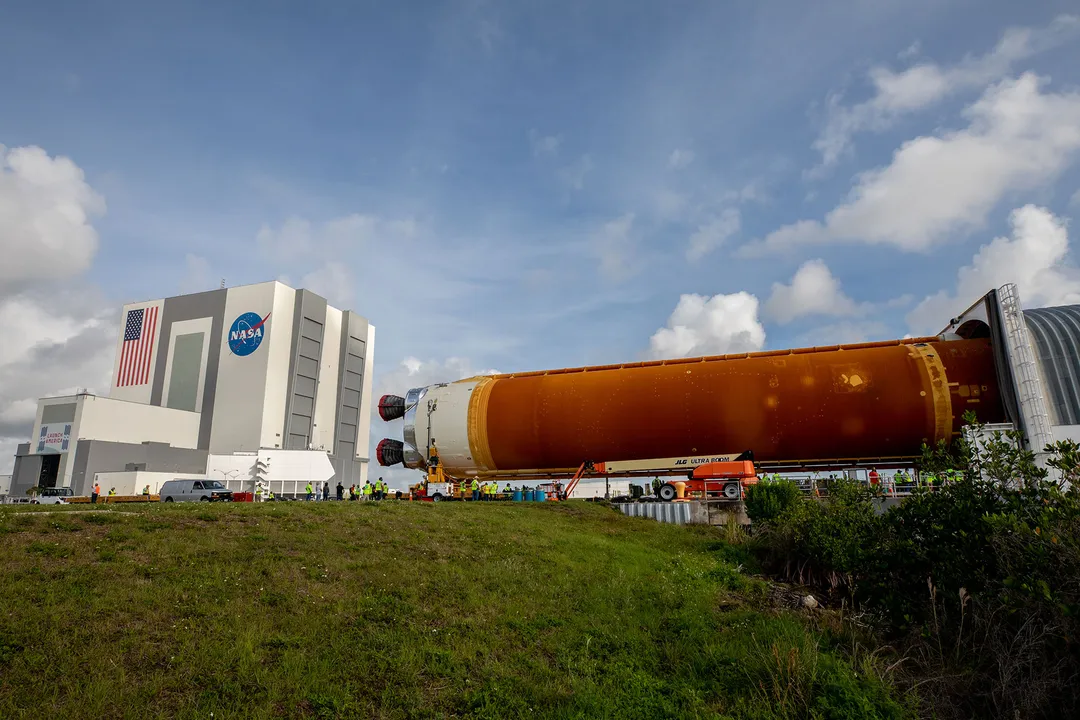
The vehicles NASA employs to fling humans and hardware away from Earth’s gravity are a direct reflection of the agency’s ambitions at any given time, spanning from the colossal feats of the Cold War to the current push back toward the Moon and onward to Mars. A rocket is fundamentally a device that generates immense thrust to overcome Earth’s gravitational pull, allowing payloads—whether robotic probes or human crews inside capsules like Orion—to reach orbit or escape Earth entirely. [1][9] The types of rockets NASA relies on today are not a single monolithic design; instead, they represent a fascinating blend of heritage hardware, brand-new super heavy-lift systems, and increasingly, powerful launch vehicles built and operated by commercial partners. [5][9]
# Saturn Past
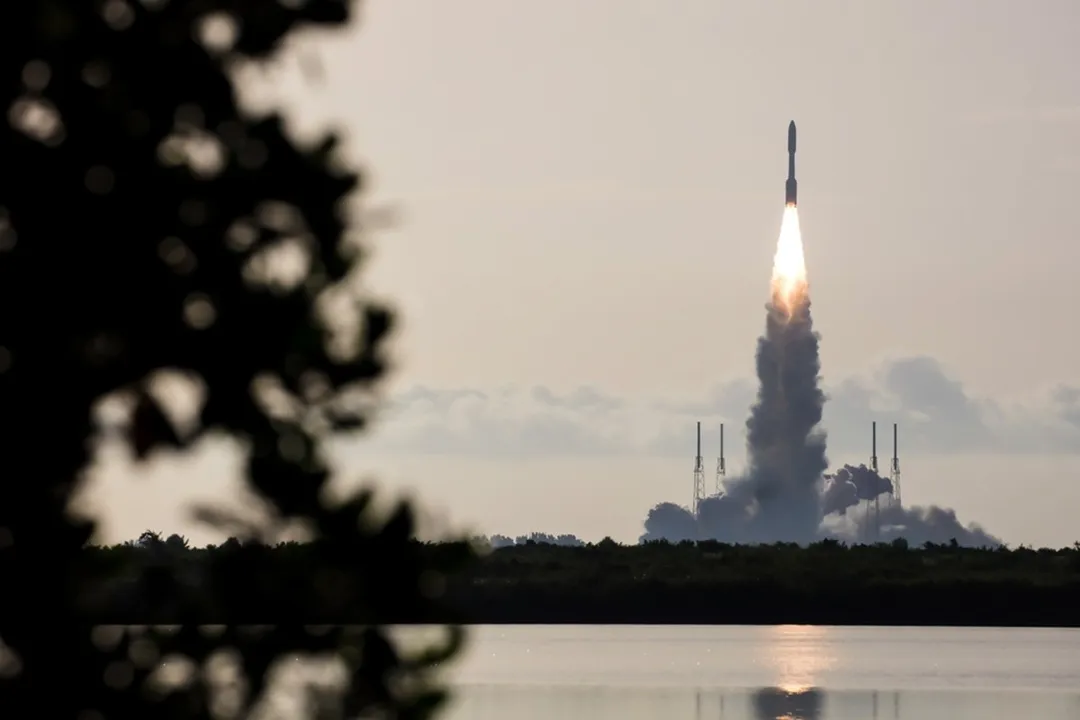
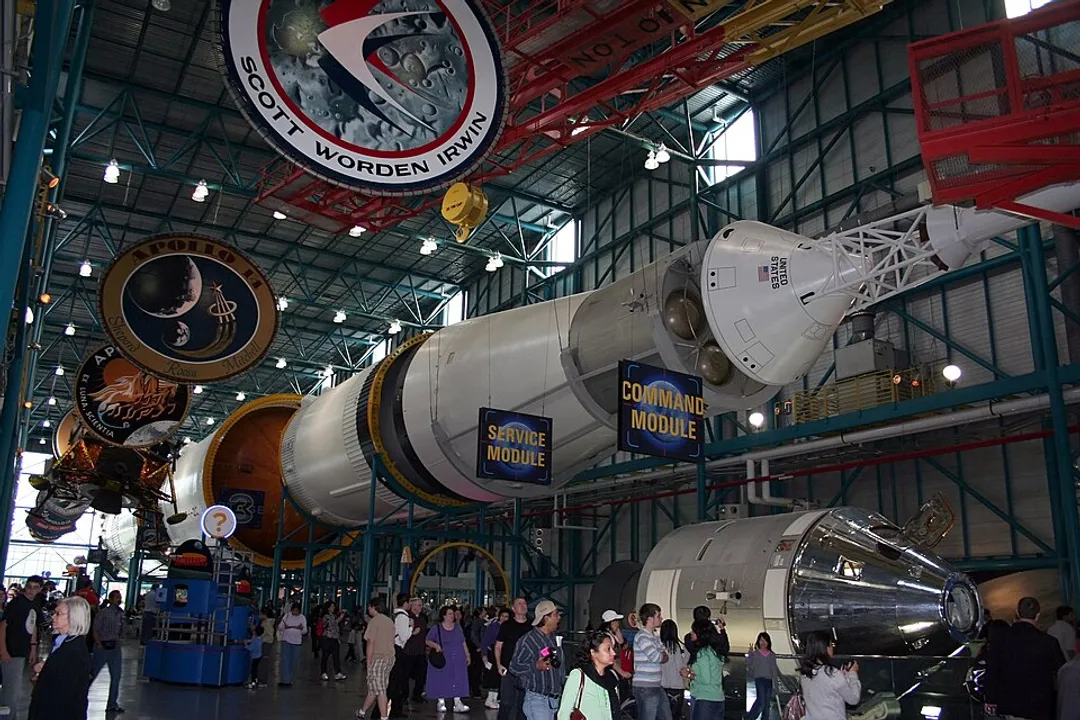
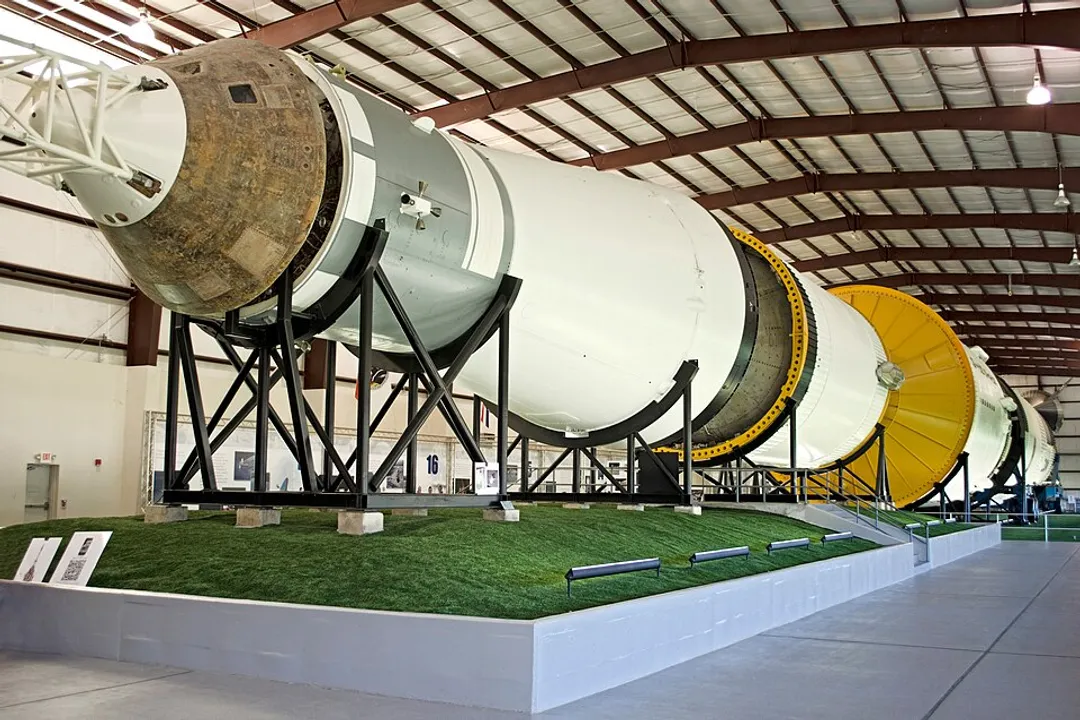
The undisputed king of American rocketry for decades was the Saturn V. [4][9] This incredible machine was the powerhouse behind the Apollo program, successfully sending astronauts to the lunar surface, and later served as the launch vehicle for the Skylab space station. [4] It remains, to this day, the only rocket family ever to transport humans beyond low Earth orbit. [4]
The Saturn V was designed with sheer brute force in mind, a necessary tool for a singular, politically charged goal: reaching the Moon. [4] It was a multi-stage vehicle, typically featuring three distinct stages that fired sequentially, dropping empty mass as they completed their portion of the ascent. [4] The scale of this vehicle was monumental; it was an engineering statement crafted entirely within the government sphere, representing an era where the highest aspirations of spaceflight required government design, construction, and operation from the ground up.
Although retired, the technological DNA of the Saturn V still echoes in modern designs. Its success proved the viability of massive, multi-stage liquid-fueled rockets for deep space travel, establishing benchmarks for thrust and reliability that subsequent generations would either meet or attempt to surpass. [4][9] When contemplating NASA’s current hardware, understanding the Saturn V’s role as the ultimate expression of governmental, dedicated heavy-lift architecture provides crucial context for evaluating today’s more diversified approach. [4]
# Shuttle Echoes
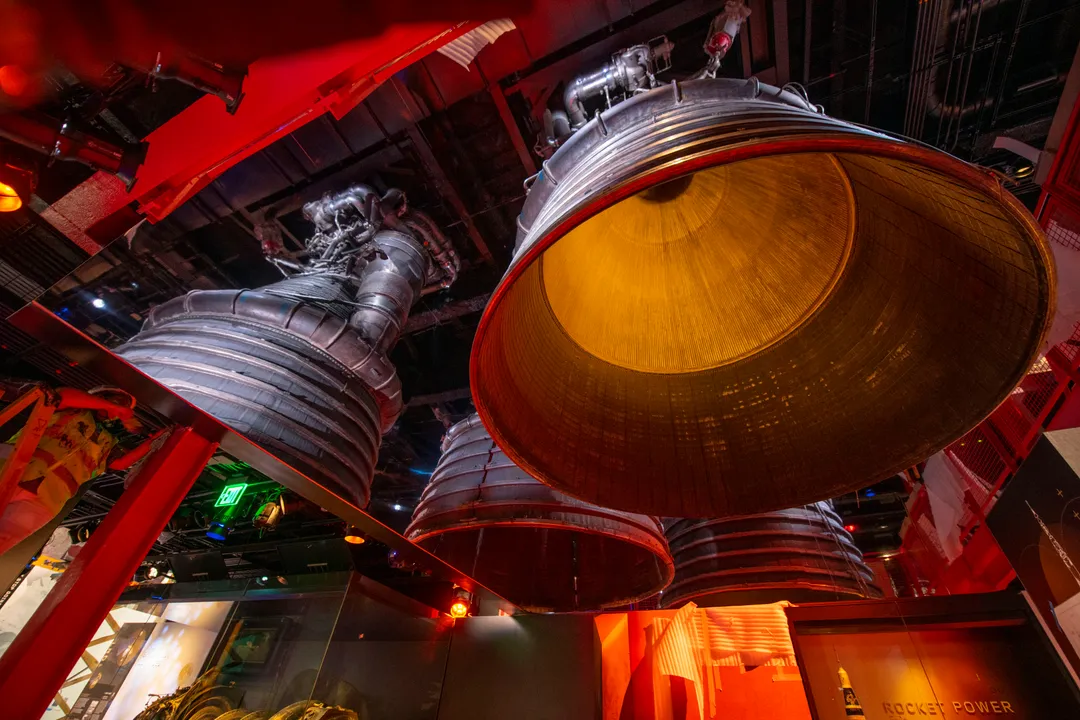
A transitional vehicle, the Space Shuttle—though technically a reusable spaceplane system rather than a traditional expendable rocket—contributed vital components that made NASA’s newest heavy-lift vehicle possible. [5] The core technologies involved in the Shuttle program proved invaluable for subsequent deep-space initiatives. [2]
Specifically, the design of the modern Space Launch System (SLS) heavily reuses proven elements from the Shuttle era. This connection is immediately apparent in the rocket’s massive Solid Rocket Boosters (SRBs) and the powerful RS-25 main engines. [2] By adapting existing, flight-proven hardware, NASA sought to reduce development time and cost for its next-generation super heavy-lift booster, while still achieving performance levels required for lunar and Martian objectives. [2][6] This choice represents an engineering strategy of heritage adaptation—making new systems powerful while leaning on decades of operational experience with established components. [2]

# SLS Artemis
The current workhorse designed by NASA for deep space human exploration is the Space Launch System (SLS). [2][6] This vehicle is the foundation of the Artemis program, which aims to return humans to the Moon and establish a sustainable presence there, paving the way for missions to Mars. [2][6] The SLS is explicitly positioned as NASA’s super heavy-lift launch vehicle for sending the Orion crew capsule and associated hardware on trajectories beyond low Earth orbit. [2]
The SLS is built for power. It is frequently cited as the most powerful rocket ever built for deep space missions. [6] Its capability is measured in the mass it can deliver: it is designed to launch more than 95 metric tons to the Moon’s orbit on initial configurations. [6] This immense capacity is what distinguishes it from vehicles designed only for LEO missions.
The basic configuration of the SLS relies on the five RS-25 engines at its core, supplemented by two massive Solid Rocket Boosters (SRBs). [2] These SRBs are direct descendants of the hardware used on the Space Shuttle program, offering a massive initial boost of thrust. [2] Boeing, a prime contractor, emphasizes the SLS's critical role in delivering the necessary capability to send large, complex components like the Orion capsule safely on its journey to the lunar vicinity. [3]
The philosophy underpinning the SLS is one of dedicated, expendable power for highly complex, high-risk exploration goals. Unlike the commercial vehicles which often prioritize reusability to drive down recurring costs, the SLS is designed around achieving specific performance targets for the Artemis missions, utilizing a conventional, expendable architecture for the core stages. [2][6] This results in a vehicle optimized for raw performance on a per-launch basis, tailored specifically for NASA’s deep-space human exploration roadmap.
| Component | Heritage/Origin | Primary Role |
|---|---|---|
| RS-25 Engines | Space Shuttle Program | Core upper-stage thrust |
| Solid Rocket Boosters | Space Shuttle Program | Initial high-thrust boost |
| Core Stage | New Development | Main structure and liquid propellant storage |
| Orion Capsule | New Development | Crew transportation for deep space |
| [2][3][6] |
# Commercial Access
While the SLS handles the heaviest lifting for the Moon and beyond, NASA’s strategy for accessing Low Earth Orbit (LEO), particularly for routine cargo and crew transport to the International Space Station (ISS), has undergone a significant shift. [5][9] Instead of developing, owning, and operating every rocket internally, NASA now relies heavily on contracting services from commercial aerospace companies. [5][9]
This commercial model provides NASA with greater flexibility and allows the agency to focus its own monumental engineering resources, like those dedicated to the SLS, on deep space endeavors. [5] Several key vehicles currently in use by NASA, though not owned by NASA in the same manner as the Saturn V or SLS, are essential parts of the spaceflight ecosystem:
- Falcon 9: Developed by SpaceX, this is perhaps the most frequently contracted vehicle for ISS resupply and crew rotation missions. [5][8] Its success has validated the commercial partnership model for routine access to LEO. [5]
- Atlas V: This vehicle is built by United Launch Alliance (ULA) and has a long history of launching numerous high-value NASA science and exploration missions. [5]
- Delta IV Heavy: Also a ULA product, this rocket offers significant payload capacity, though it is often reserved for missions requiring extremely precise orbits or specialized government payloads. [5]
- Antares: Built by Northrop Grumman, this rocket has been critical for delivering cargo to the ISS under specific contracts. [5]
The reliance on these commercial providers for LEO access offers a fascinating contrast to the government-led monoliths of the past. The government is paying for a service—getting a payload to orbit—rather than owning the entire capital asset, which is a notable strategic pivot in how NASA manages its launch portfolio. [9]

# Future Starship
Looking toward the future, the landscape is poised for another massive transformation with the advent of Starship. [8] While developed by SpaceX, this vehicle represents a potential future component of NASA’s deep space architecture, especially as it is being developed with objectives that align with future lunar and Martian landings. [8]
Starship is fundamentally different from both the Saturn V and the SLS because it is designed to be a fully reusable two-stage system. [8] It pairs the massive Super Heavy booster with the Starship upper stage. [8] Reusability aims to drastically lower the cost-per-kilogram to orbit by recovering and reusing the most expensive parts of the rocket system, an economic driver absent in the expendable designs of previous eras. [8]
This design philosophy—full, rapid reusability—is the primary differentiator from the SLS approach. Where the SLS is optimized for sending a massive, one-time payload to the Moon, Starship is optimized for volume, rapid turnaround, and sustained deep space presence. [8] NASA is clearly interested in this technology, indicating that the line between NASA-owned and commercially-operated systems for all destinations, even the Moon, is rapidly blurring. [5][8]
The integration of commercial heavy-lift vehicles like Starship into NASA's future operations suggests an evolution where the agency may eventually rely on powerful, reusable systems for deep space, potentially complementing or even superseding the current need for single-use super heavy-lift rockets like the SLS after its initial Artemis objectives are met. [8]
# Evolving Architecture
The roster of rockets NASA uses today clearly illustrates a dual-track approach to spaceflight, born from both historical precedent and economic reality. On one track is the imperative of human deep space exploration, currently secured by the dedicated, extremely high-performance SLS. [6] This vehicle represents the commitment to achieving high-energy missions that require the known capability of a non-reusable, massive core. [2] On the other track is the practical, cost-effective access to LEO, managed through contracts with companies flying vehicles like the Falcon 9 and Atlas V. [5]
This architectural split creates an interesting dynamic. Historically, an agency needed to build a dedicated rocket for every new class of mission, like the Saturn V for the Moon or the Shuttle for LEO/near-Earth servicing. [4][9] Today, a powerful case can be made that NASA’s strategic advantage lies in its decoupling of routine LEO access costs from its high-priority deep space funding. By purchasing transportation services for ISS crew and cargo from commercial entities, NASA is effectively reallocating capital and engineering bandwidth towards the Artemis goals that only the SLS can currently guarantee. [5]
Furthermore, the emergence of fully reusable concepts like Starship suggests that the very definition of a "NASA rocket" is changing. In the future, "NASA's rocket" might mean a vehicle that NASA contracts to carry its crew and cargo, rather than one where NASA owns the blueprints, factory, and launch pad. [8] This shift towards commercial service provision, established for LEO, hints at the direction future deep space contracts might take, potentially favoring providers who can drive down the recurring cost of access through hardware reuse, a capability SLS currently lacks. [8] The contrast between the expendable, single-purpose power of the Saturn V and SLS versus the ambitious, full-reusability goal of Starship highlights the most significant philosophical divergence in heavy-lift rocketry over the last half-century: raw, government-driven power versus commercially-driven efficiency and sustainability. [4][8]
# Key Vehicle Comparison
To better visualize the distinct roles these machines play in NASA’s current and near-future operations, a closer look at their operational scope is helpful:
| Vehicle Family | Primary Operator | Key NASA Program Association | Operational Status (as of latest info) | Reusability Model |
|---|---|---|---|---|
| Saturn V | NASA (Retired) | Apollo, Skylab | Retired [4] | Expendable |
| Space Launch System (SLS) | NASA | Artemis | Active/In development [2][6] | Expendable (Core Stages) |
| Falcon 9 | SpaceX | ISS Crew/Cargo | Active [5] | Partially Reusable (Booster/Fairing) |
| Atlas V / Delta IV Heavy | ULA | Various Science/Exploration | Active [5] | Expendable |
| Starship | SpaceX | Potential future Artemis/Mars | In development [8] | Fully Reusable (Goal) |
| [2][4][5][6][8] |
Ultimately, NASA uses a portfolio of rockets tailored to the mission profile. For the heavy lifting required to send humans toward the Moon and Mars, the agency currently relies on the brute strength of the government-developed SLS. [6] For nearly everything else—routine ISS access, numerous science probes—the agency acts as a customer, relying on the innovative, and often reusable, hardware provided by companies like SpaceX and ULA. [5][9] This hybrid approach, balancing unparalleled governmental capability for the most ambitious human goals with commercial efficiency for everything else, defines the current state of American space launch vehicles. [5][9]
#Videos
NASA's Space Launch System (SLS) Rocket on the ... - YouTube
Related Questions
#Citations
Spaceships and Rockets - NASA
Space Launch System - Wikipedia
Space Launch System - Boeing
7 of NASA's Aerospace Launch Vehicles Currently in Use
NASA's Space Launch System (SLS) Rocket on the ... - YouTube
Starship - SpaceX
All About Rockets | National Air and Space Museum