What was the last thing NASA launched?
The final ascent was not just another launch; it was the closing chapter of a three-decade-long era in human spaceflight. The last object propelled into orbit by NASA's iconic Space Shuttle was the Orbiter Atlantis, marking the end of the Space Shuttle Program with Mission STS-135. This monumental event occurred on July 8, 2011, bringing to a close the program that had served as the backbone of American crewed space operations since 1981.
# An Era Ends
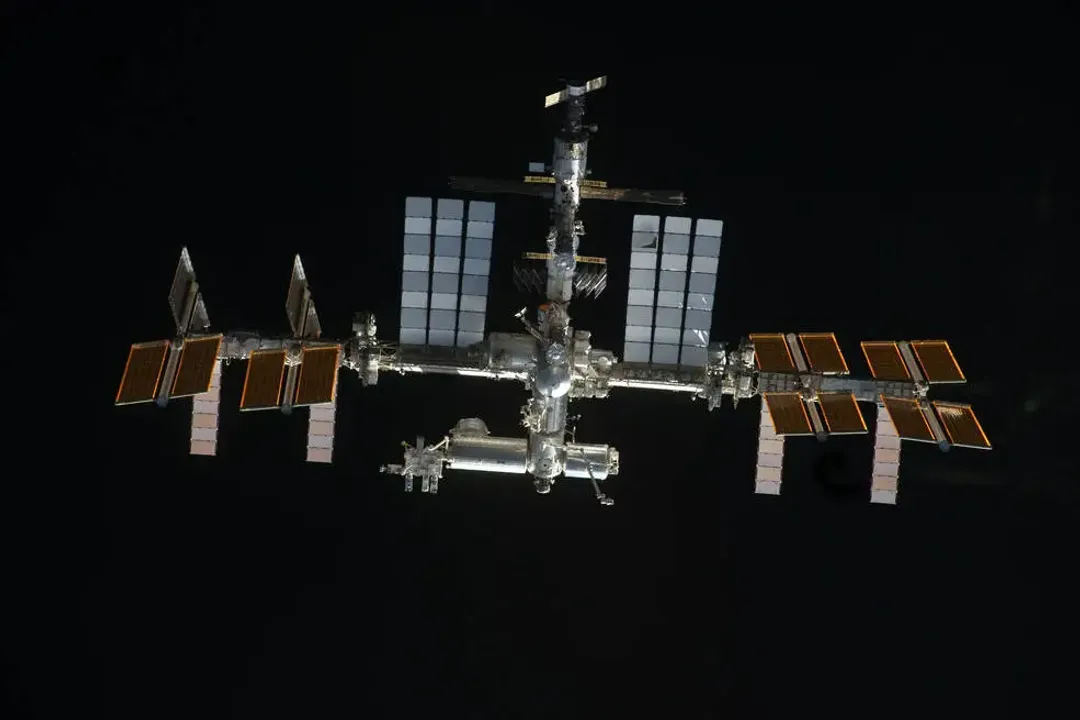
The decision to retire the Space Shuttle fleet, which included Atlantis, Discovery, and Endeavour (with Challenger and Columbia having been lost tragically), was rooted in a combination of age, operational costs, and a strategic pivot toward deep-space exploration goals outlined by the agency. STS-135 was an encore flight, added specifically to maximize the cargo delivered to the International Space Station (ISS) before the fleet was grounded permanently. It wasn't initially planned; it was a unique opportunity made possible by the discovery of an extra flight slot in the schedule, effectively granting the shuttle program one last hurrah.
The launch itself carried an almost unbearable weight of anticipation and finality. Crowds gathered near the Kennedy Space Center, aware they were witnessing history—the last time the colossal Space Shuttle stack, consisting of the Orbiter, the External Tank, and the two Solid Rocket Boosters, would thunder off Launch Pad 39A. Even for seasoned space observers, the feeling was profoundly unique.
# Launch Day Details
The mission began with the countdown proceeding smoothly, punctuated by the sheer power required to lift the nearly 4.5-million-pound vehicle off the pad. The liftoff, captured across countless cameras and streamed live globally, represented the culmination of thousands of engineers' and technicians' work spanning years. The actual launch date was Saturday, July 8, 2011. For many watching in real time, perhaps the most striking element was the sound—that deep, chest-rattling rumble that is unlike any other rocket launch, a signature of the Space Shuttle's massive solid rocket motors igniting.
The atmosphere among the ground crews and the flight controllers must have been electric, a strange mixture of intense focus required for any crewed mission and the melancholy understanding that this was the last time this specific vehicle architecture would perform this function. The moment the Solid Rocket Boosters separated, moments after clearing the tower, was a familiar ballet, yet performed for the final time as part of an active operational mission.
# Atlantis Crew Focus
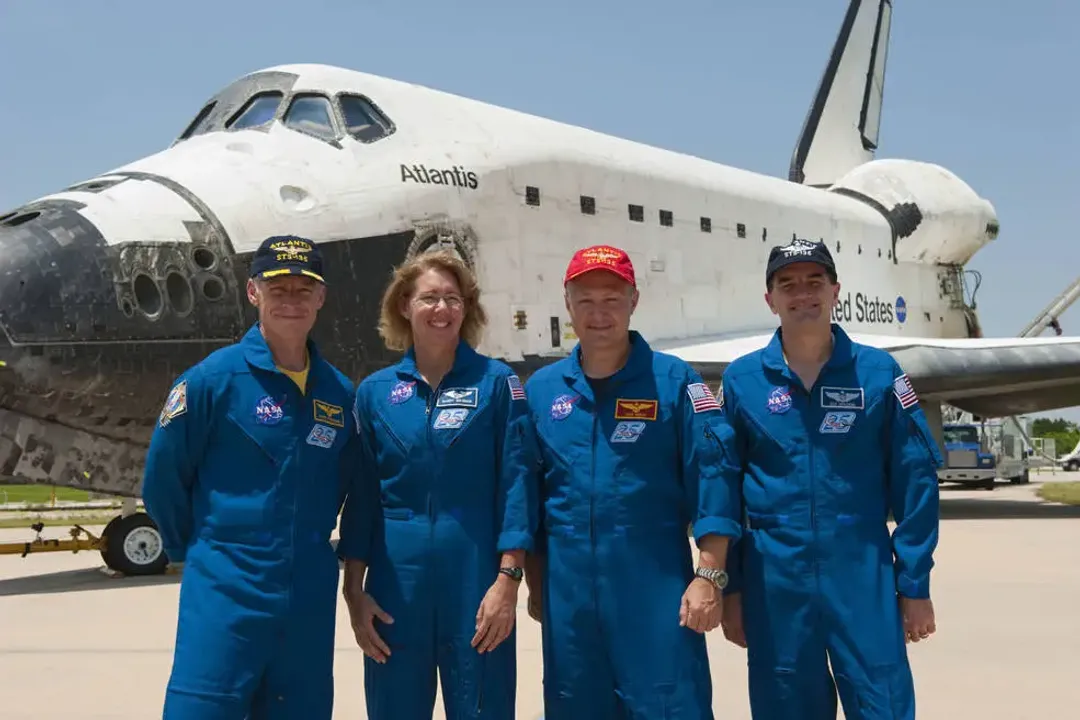
Space Shuttle Atlantis was the vehicle selected for this significant final flight. A critical aspect of STS-135 was its crew size. Typically, shuttle crews were limited to seven astronauts, but for this final mission, NASA made a slightly unusual decision to fly with a crew of four. This specific crew configuration was not arbitrary; it was a deliberate contingency measure.
Because this was the final planned flight with no backup Orbiter ready for a "return to launch site" rescue scenario (the usual procedure if a returning Orbiter had a serious problem), the crew included two astronauts who were designated as the potential rescue crew for a future, hypothetical mission, should one have been authorized. However, for STS-135 itself, flying four crew members allowed for the necessary expertise while keeping the Orbiter's mass lower, which was beneficial given the additional cargo load. The crew was composed of Commander Chris Ferguson, Pilot Doug Hurley, and Mission Specialists Sandra Magnus and Rex Walheim. Having an experienced crew manage this historic flight was paramount to ensuring mission success and safe return.
# Cargo and Destination
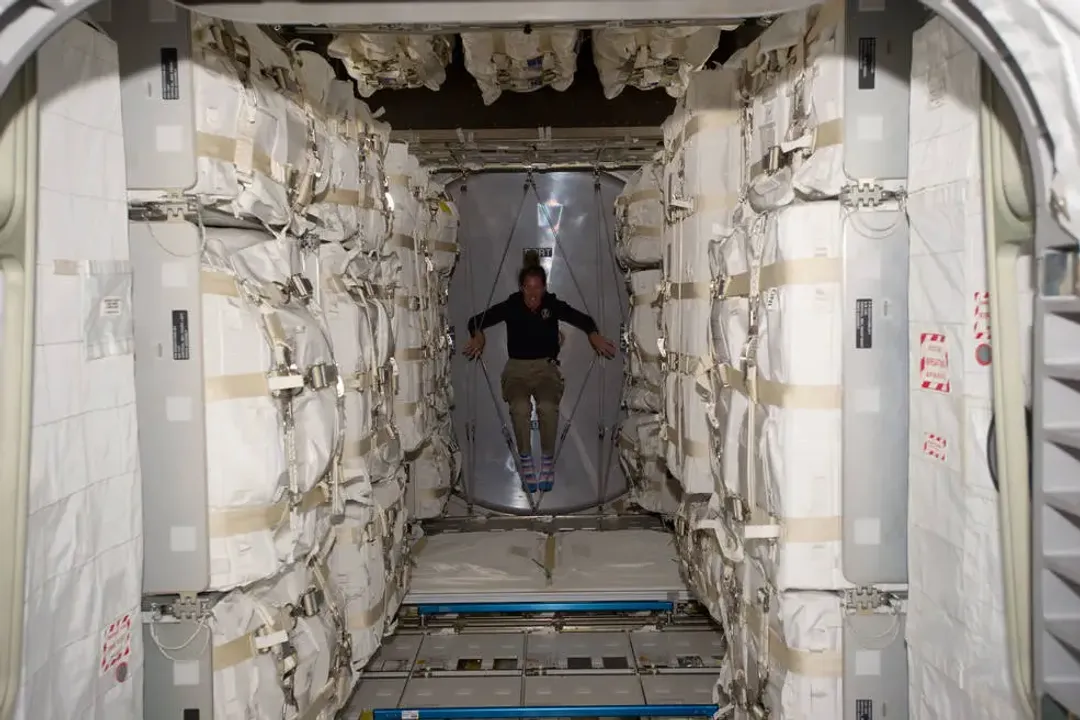
The primary destination for Atlantis was, as it had been for nearly a decade of shuttle flights, the International Space Station (ISS). The entire purpose of this final flight was to maximize the ISS's inventory before the shuttle's unique heavy-lift capability was retired. To achieve this, Atlantis was outfitted to fly in what was essentially a "disposition" configuration, meaning it carried the most cargo possible, utilizing the Payload Gear Bay like a massive trunk.
The mission delivered vital supplies, including the Multi-Purpose Logistics Module (MPLM) Raffaello, packed full of experiments, food, clothing, and spare parts. It also carried the Robotics Refueling Mission (RRM) hardware to the station, which was designed to test techniques for on-orbit satellite refueling, a key technology for the future of robotic servicing in space. Furthermore, Atlantis carried the European Robotic Arm (ERA), an important external component for the Russian segment of the ISS, though its installation was planned for a later date.
The logistics of packing this final flight were fascinating. Engineers had to balance the need to deliver supplies with the necessity of having enough room for the crew to return and for the Orbiter to perform its de-orbit burn safely. Every square inch of available volume was scrutinized to squeeze in just a little more science or a few more weeks of provisions for the station inhabitants.
# Weight Management Insight
One interesting aspect of preparing Atlantis for its final journey relates to the sheer complexity of its takeoff performance. The lift-off mass for STS-135 was considerably higher than standard missions due to the extra supplies carried in the MPLMs. This meant the flight profile—the exact thrust levels, the steering profile, and the duration of the SRB burn—had to be calculated with extreme precision to ensure the shuttle achieved the correct trajectory and velocity for orbital insertion, all while carrying a heavier constitutional mass than the original design might have optimally favored for a long operational life. It underscores the incredible engineering margin built into the system that it could handle a near-maximum performance launch after decades of service.
# The Final Docking and Undocking
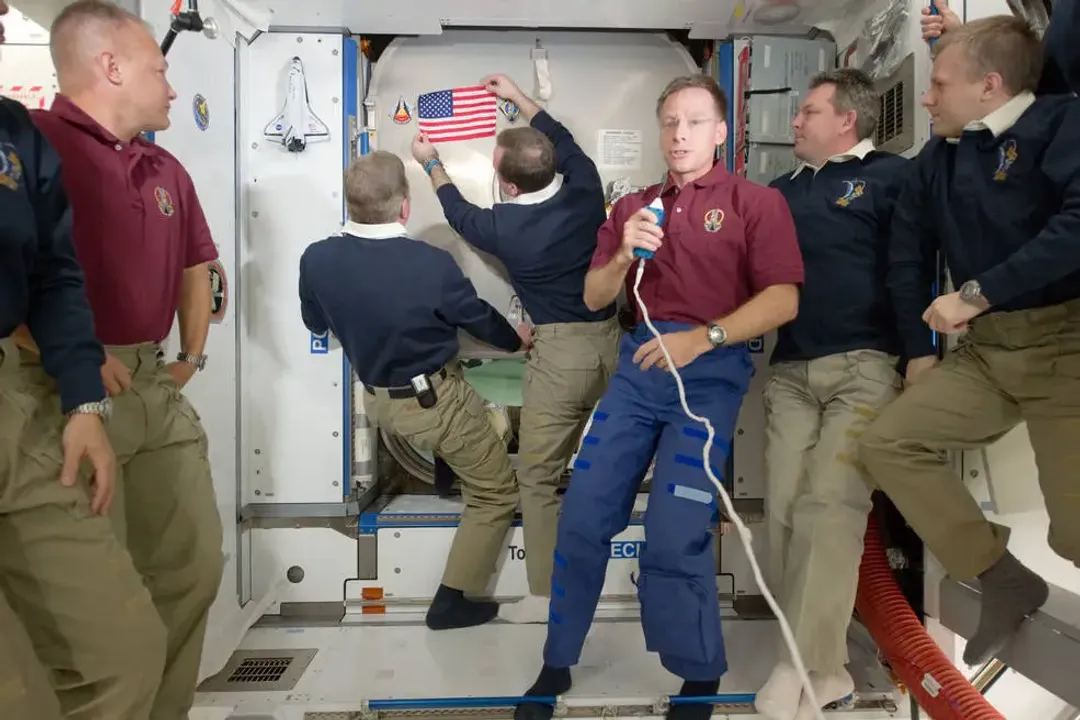
Upon arrival at the ISS, Atlantis and its crew docked, extending the time they spent attached to the station by several days compared to a standard shuttle visit. This extended stay allowed the crew to conduct more spacewalks, although the primary focus was on unloading and loading the station's supplies efficiently. The crew spent their time transferring hundreds of pounds of equipment, returning old hardware, and performing maintenance tasks alongside the resident Expedition crew.
The culmination of the on-orbit work was the final undocking. When Atlantis finally pulled away from the Harmony module for the last time, it symbolized the severing of the direct, reusable link between the United States and routine access to the ISS that the shuttle had provided for so long.
# Re-entry and Landing
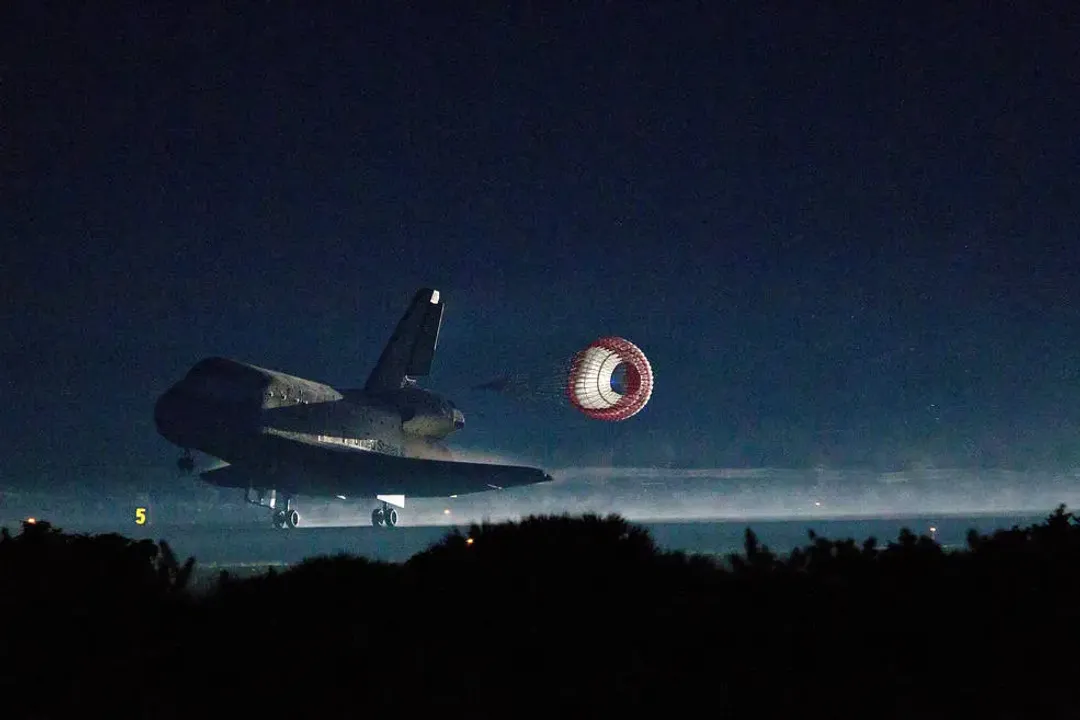
The return was executed with the same high standards of safety and precision expected of the program. Commander Ferguson guided Atlantis through its de-orbit burn, bringing the craft out of orbit for its final approach to the Kennedy Space Center Shuttle Landing Facility (SLF). The landing itself, a long, unpowered glide from orbit, is perhaps the most demanding maneuver in aviation.
On July 21, 2011, Atlantis touched down, completing its 33rd flight. That final roll to a stop on the runway signaled the program's official end. The sight of the vehicle, so familiar yet now silent on the ground for the last time as an active spacecraft, was the definitive full stop to the program.
# Long-Term Policy Shift Analysis
The retirement of the Space Shuttle fleet in 2011 left a significant gap in American human spaceflight capability for nearly a decade. This situation—where the US was entirely reliant on Russia's Soyuz spacecraft to send its astronauts to the ISS—was an unprecedented vulnerability for a space-faring nation. Looking back, the decision to retire the shuttles catalyzed the Commercial Crew Program, fundamentally changing how NASA procures access to Low Earth Orbit. While the immediate aftermath was challenging—relying on international partners—the long-term effect was the maturation of commercial space companies like SpaceX and Boeing, which are now providing routine, domestic crew transport. STS-135, therefore, was not just an ending, but a necessary precondition for the next evolutionary phase of space transportation architecture.
# The Legacy of Atlantis
Atlantis flew a total of 33 missions over its operational life, spending 307 days in space, circling the Earth 4,848 times, and carrying 195 people to orbit. The mission manifest of STS-135 itself represented a final gift to the ISS, but the greater legacy is the construction and maintenance of that orbiting laboratory over the preceding decade. The shuttle was the heavy lifter that assembled the station piece by piece, and STS-135 was the final delivery truck closing the door on that construction phase.
The shuttle program was incredibly complex, expensive, and inherently risky, as tragic losses proved. Yet, it also demonstrated an unmatched capability for on-orbit repair and the delivery of massive components. The knowledge gained from flying such a complex, partially reusable vehicle continues to inform future designs, even those vastly different from the Orbiter design. The fact that this last mission, STS-135, was essentially a highly optimized resupply run speaks to the flexibility that the shuttle, despite its age, could still offer right up to the very end.
Now, Atlantis rests permanently at the Kennedy Space Center Visitor Complex, transitioned from an active vehicle to a historical artifact. It remains a tangible link to the last time NASA launched its own complex, winged spacecraft from American soil. That day in July 2011 was a moment where the nation paused to watch the machine that defined an era make its final, graceful exit from the operational stage.
#Videos
NASA's Final Space Shuttle Launch 10th Anniversary Replay
Related Questions
#Citations
10 Years Ago: STS-135, the Space Shuttle's Grand Finale - NASA
Final mission of the Space Shuttle launches on July 8 2011. The last ...
NASA's Final Space Shuttle Launch 10th Anniversary Replay
STS-135 - Final Launch of a Space Shuttle - Facebook
STS-135: Final Launch of the Space Shuttle Program - NASA+
NASA launches space shuttle on historic final mission
Space Shuttle Atlantis - Wikipedia