When was the last NASA explosion?
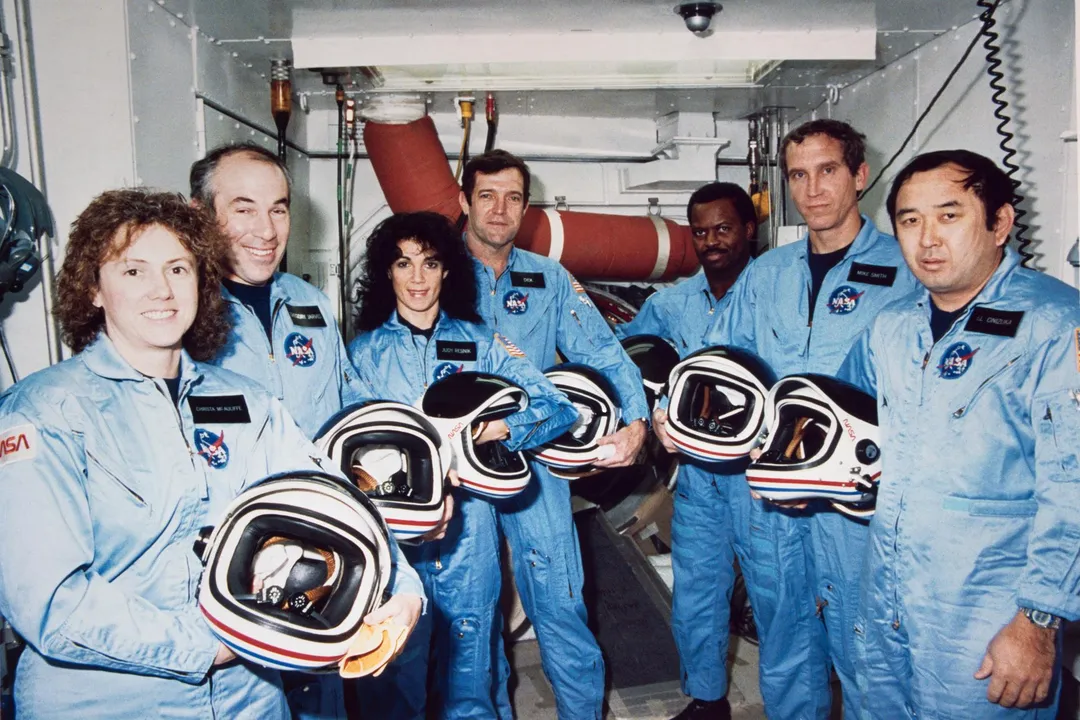
The history of space exploration, while overwhelmingly a story of scientific triumph and human ingenuity, is marked by moments of profound loss that serve as stark reminders of the extreme environment beyond Earth’s atmosphere. When considering the term "explosion" in the context of NASA's major manned spaceflight incidents, the focus invariably turns to the two Space Shuttle tragedies that claimed the lives of fourteen astronauts: the loss of Challenger in 1986 and Columbia in 2003. [1][3] These events represent the most catastrophic in-flight failures of the US human spaceflight program, and based on the available historical records detailing these specific disasters, these are the most recent instances of a complete vehicle breakup involving an apparent catastrophic structural failure during a mission phase.
# Challenger Loss
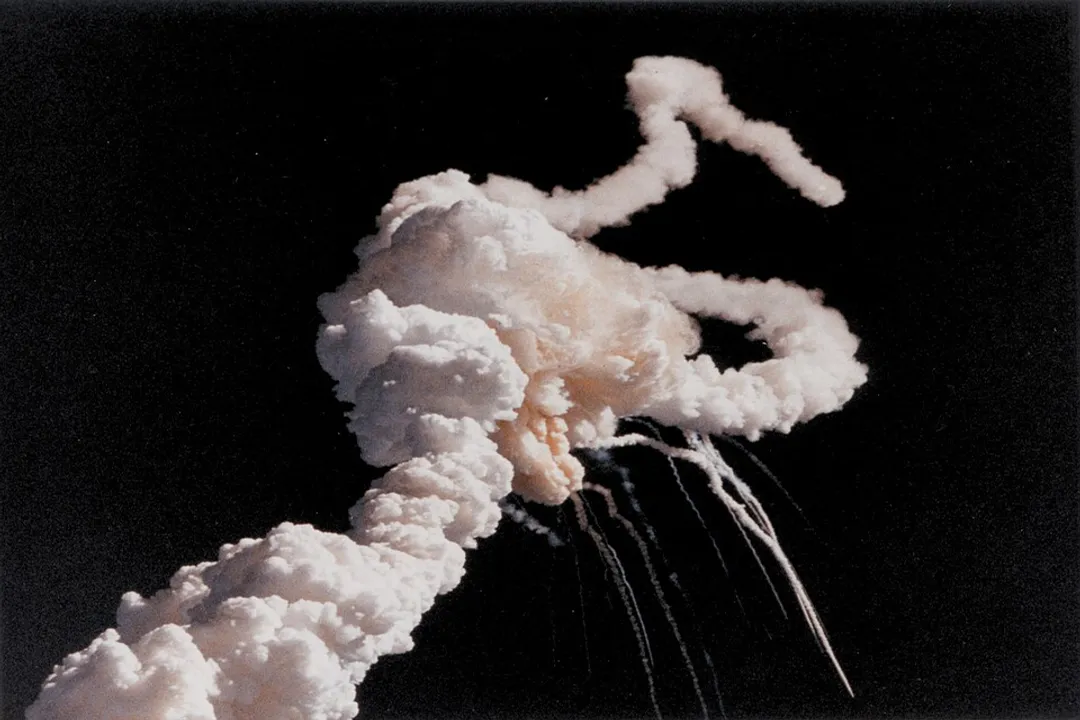
The Space Shuttle Challenger, mission STS-51L, met with disaster on the morning of January 28, 1986. [1][5] The launch occurred from Kennedy Space Center in Florida. [2] The incident took place a mere 73 seconds after liftoff. [4][5]
The immediate visual result of the failure was a massive plume and explosion in the sky. [4] The cause, determined after an extensive investigation, was traced back to a technical anomaly involving one of the Solid Rocket Boosters (SRBs). [1] Specifically, the failure was attributed to the O-ring seals within the right SRB. [1]
The O-rings, which were designed to seal joints in the SRB segments and prevent hot gases from escaping, failed due to the unusually cold launch-day temperatures. [1] This failure allowed superheated combustion gases to escape, burning through the external fuel tank and subsequently causing the structural breakup of the entire vehicle. [1] All seven crew members aboard perished in the accident. [2] The investigation established that the structural failure began long before the visible breakup, stemming from that initial breach in the solid rocket motor casing just over a minute into the flight. [1]
# Columbia Disaster
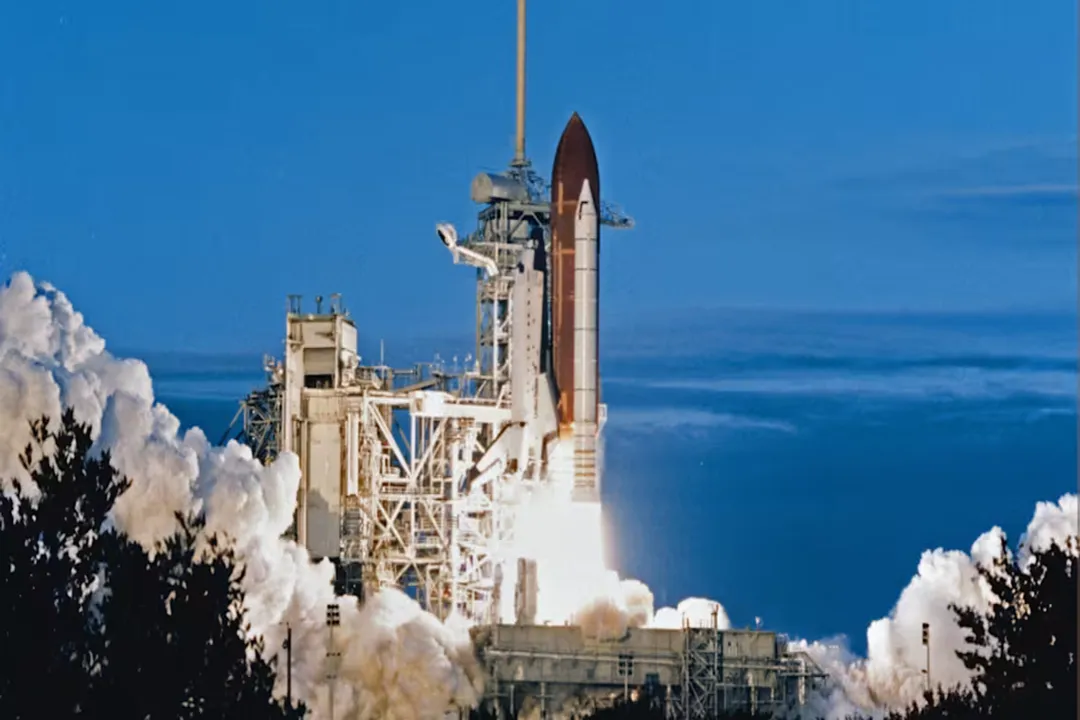
More than seventeen years later, NASA experienced another devastating loss with the Space Shuttle Columbia, mission STS-107, on February 1, 2003. [3][7] Unlike Challenger, which broke apart during ascent, Columbia was lost during the most dynamic phase of its return: atmospheric re-entry. [7]
The root cause of the Columbia accident was determined to be damage sustained shortly after launch, ironically also involving the external fuel tank. [3] During liftoff, a piece of foam insulation separated from the external tank and struck the leading edge of the left wing. [3] This impact created a breach in the thermal protection system (TPS) of the wing. [3]
This breach went unnoticed or inadequately assessed during the on-orbit portion of the mission. [3] As the shuttle slammed back into the atmosphere at extremely high speeds, superheated plasma began penetrating the damaged section of the wing. [3] This allowed hot gas to enter the interior structure, leading to aerodynamic heating, disintegration, and the breakup of the vehicle over Texas. [3][7] All seven crew members on board were lost. [3]
# Comparing Breakup Scenarios
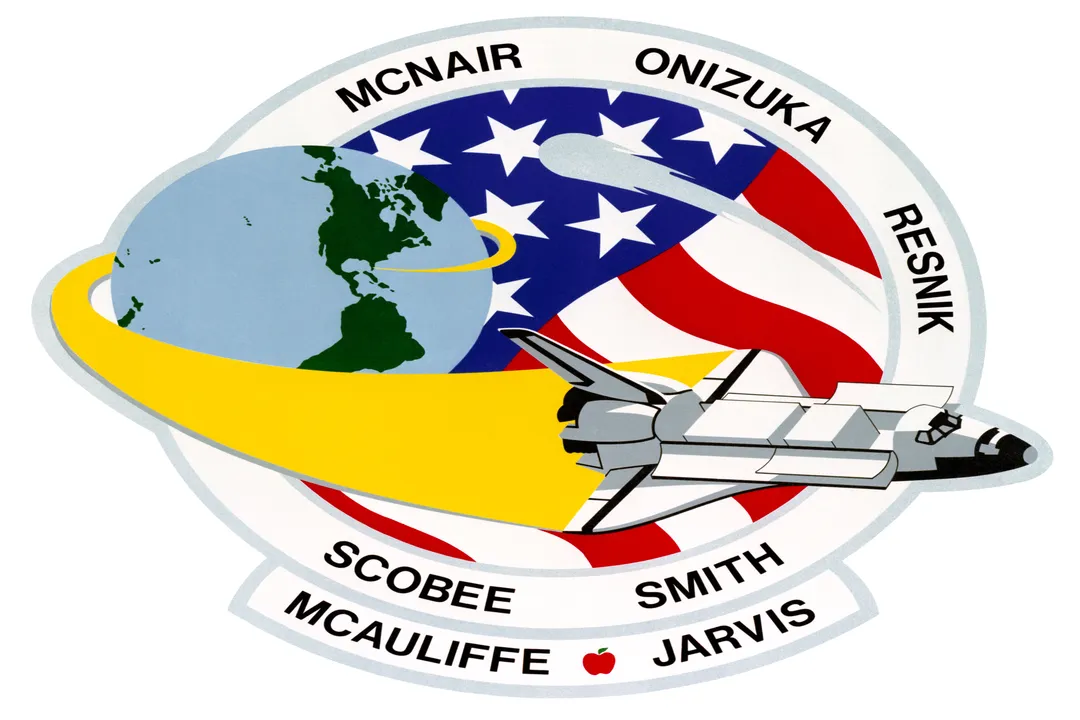
Examining these two critical events side-by-side reveals a tragic pattern involving failures in non-primary systems leading to catastrophic structural failure, yet the physics and timing were vastly different. [1][3]
| Feature | Space Shuttle Challenger (STS-51L) | Space Shuttle Columbia (STS-107) |
|---|---|---|
| Date | January 28, 1986 [1][5] | February 1, 2003 [7] |
| Failure Point | Ascent (Solid Rocket Booster) [1] | Re-entry (Wing leading edge/TPS) [3] |
| Time of Breakup | ~73 seconds post-launch [4][5] | During atmospheric re-entry [7] |
| Primary Cause | O-ring seal failure due to cold temperatures [1] | Foam strike from External Tank during ascent [3] |
A key point of contrast lies in the time elapsed before the catastrophic breakup. With Challenger, the structural compromise began almost immediately after clearing the tower, leading to a rapid, violent breakup while still under the immense thrust of the rockets. [1][4] This rapid event was captured visually, creating an indelible, immediate image of disaster. [4][5] Columbia, however, completed its orbital mission successfully. The damage, though critical, was latent until the intense thermal and aerodynamic stress of re-entry began to act upon the compromised wing structure. [3][7] This makes Columbia's loss a delayed failure, where the seeds of destruction were sown minutes into the mission, but the visible end came nearly two weeks later. [3][7]
When one reviews the sequence of events for Challenger, the speed at which the failure propagated is astonishing. The loss of seal integrity in the SRB led directly to the breach of the external tank wall, a breach that caused the vehicle to be essentially torn apart by the combined forces of internal pressure and external aerodynamic stress within seconds of the initial leak. [1] It is fascinating to consider that if the Challenger crew had somehow survived the initial structural failure due to, say, an anomaly in external tank venting, the astronauts would have faced an almost certain, though different, fatality scenario shortly after, given the immense forces involved in the breakup phase. [1]
# Procedural Echoes
Both disasters resulted in profound changes to NASA's engineering and management culture, highlighting systemic vulnerabilities in how technical risks were assessed and communicated. [1][3] For Challenger, the investigation brought intense scrutiny to the decision-making process surrounding the launch despite known technical warnings from engineers about the O-rings in cold weather. [1] This revealed a breakdown between technical expertise and management imperatives.
With Columbia, the finding of the foam strike pointed to an issue that had occurred on nearly every preceding flight, yet it was never deemed serious enough to warrant a mission scrub or a redesign until it caused catastrophic failure on the final flight. [3] This suggests a normalization of deviance—a situation where a known, small deviation from ideal performance becomes accepted practice over time. [3] For NASA, the period between these two events, spanning nearly two decades, represented an attempt to operate under a new paradigm, yet the Columbia outcome demonstrated that even with prior hard lessons learned, the persistent, subtle engineering risks inherent in complex, partially reusable systems like the Shuttle could still resurface in unexpected ways. [3]
One might observe that the critical component failure in both cases involved sealing or protection against superheated gases: the SRB joint seals in 1986 and the wing’s thermal barrier in 2003. [1][3] This recurring theme underscores a universal challenge in rocketry and high-speed atmospheric flight: maintaining physical integrity against extreme thermal loads, whether from internal combustion or external friction. It provides a valuable, if somber, lesson for future aerospace design: focus an inordinate amount of attention on the integrity of components meant to withstand high temperatures under stress, as these are often the single points of failure.
# Defining Spaceflight Risk
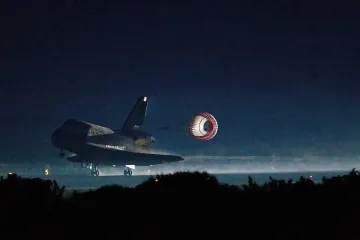
While these two events are the most dramatic examples of in-flight explosions or breakups, it is essential to maintain perspective on the overall risk profile of space exploration as demonstrated by the sources provided. The records highlight that the Challenger and Columbia losses were aberrations in an otherwise successful operational history of the Space Shuttle Program, which involved numerous missions, including the later successful missions that followed the post-Challenger redesigns. [1][2][3] The question of the "last" explosion, therefore, becomes less about finding the most recent isolated incident and more about acknowledging the bookends of the Space Shuttle era's greatest challenges. Given that the Columbia disaster occurred in 2003 and the provided sources do not document any subsequent, equivalent in-flight catastrophic breakup, that event stands as the most recent major loss of this nature detailed in these historical accounts. [3][7]
The enduring legacy of these events is not simply the dates they occurred, but the institutional memory they created. They forced a reckoning with the inherent danger involved in launching objects powered by massive amounts of controlled explosive energy into the edge of space and bringing them back through the atmosphere. The fact that NASA continued its human spaceflight programs, moving from the Shuttle to new vehicles, shows a commitment to proceeding despite knowing the potential for disaster, informed by the very real losses of Challenger and Columbia. [2][3]
#Videos
NASA observes anniversary of Challenger shuttle explosion
What Caused the Space Shuttle Challenger Explosion? - YouTube
Related Questions
#Citations
Space Shuttle Challenger disaster - Wikipedia
Challenger STS-51L Accident - NASA
Columbia disaster | History & Crew - Britannica
Space Shuttle Challenger Explosion - Facebook
NASA observes anniversary of Challenger shuttle explosion
Columbia Space Shuttle mission ends in disaster | February 1, 2003
NASA Challenger explosion remembered 39 years later - KGW