When was the last nova explosion?
The astronomical community has recently been gripped by an almost tangible sense of anticipation, waiting for a cosmic event that has been decades, even centuries, in the making. The search for the last or next major stellar explosion—specifically a nova—has put several binary star systems under intense scrutiny. When astronomers talk about a nova, they are generally referring to the sudden, dramatic brightening of a white dwarf star in a close binary system, a process that can repeat over time. This differs significantly from a supernova, which marks the true death of a massive star or a runaway thermonuclear detonation of a white dwarf that has exceeded its mass limit.
# Recurrent Outbursts
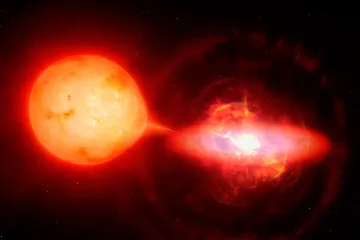
The mechanism behind a typical nova involves a white dwarf siphoning hydrogen-rich material from its companion star. As this material piles up on the white dwarf's surface, the pressure and temperature eventually trigger a runaway thermonuclear fusion reaction. This sudden surge of energy causes the outer layers of accumulated gas to be violently ejected, resulting in the bright flash we observe as a nova. Because the white dwarf itself survives the blast, this process can happen again, making these systems recurrent novae. The ability to witness an actual, predictable nova eruption has drawn comparisons to historical events that shaped early astronomical understanding.
# T Coronae Borealis Watch
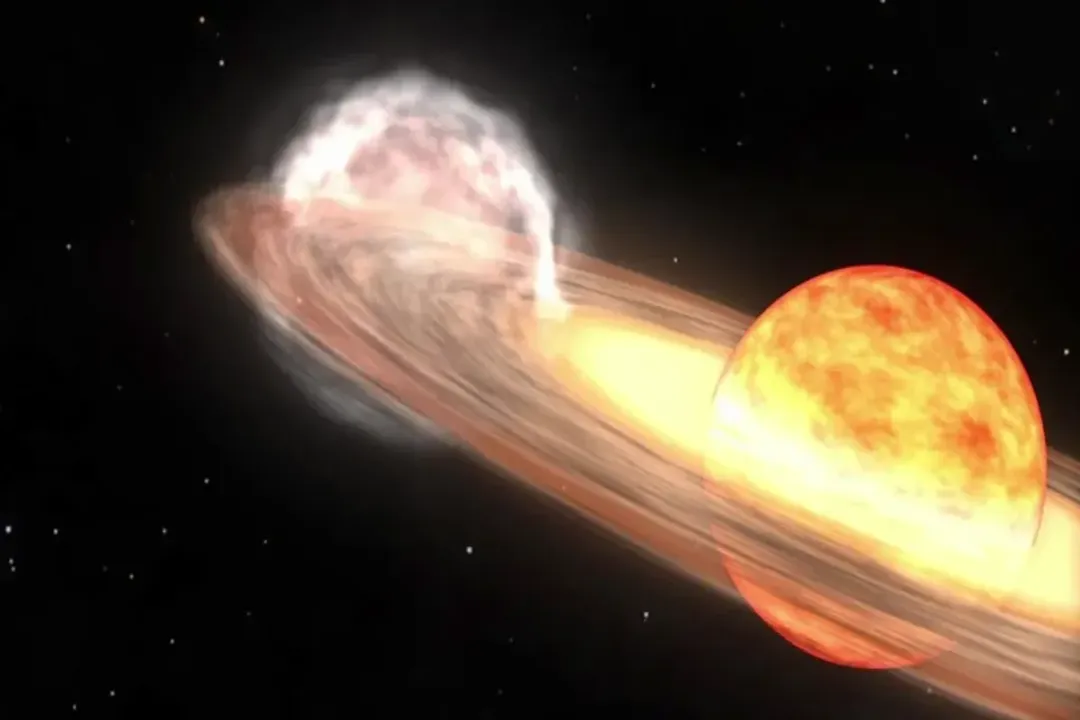
The star system that currently commands the most attention in the context of a forthcoming nova is T Coronae Borealis (T CrB). This object is famous precisely because it is a known recurrent nova, and astronomers have been eagerly monitoring its behavior, expecting an eruption sometime recently or in the very near future. When T CrB does erupt, it is expected to brighten significantly, reaching an apparent magnitude of around 3. To put that into perspective, a magnitude 3 star is easily visible to the unaided eye under dark skies, meaning this event will be a spectacular, naked-eye occurrence for sky-watchers around the globe. Some observers expressed hope that the event had already occurred in 2024, indicating a high level of expectation surrounding the system. Monitoring T CrB offers a rare opportunity for modern astronomers and citizen scientists alike; it allows us to see a star system behaving exactly as theoretical models predict for a recurrent nova, effectively letting us study stellar evolution in fast-forward compared to the deep history of the universe. While there was widespread anticipation for an eruption in the 2024 timeframe, the confirmation of the last nova explosion will ultimately rest on official telescopic confirmation following the visual event.
# Historical Supernova Mark
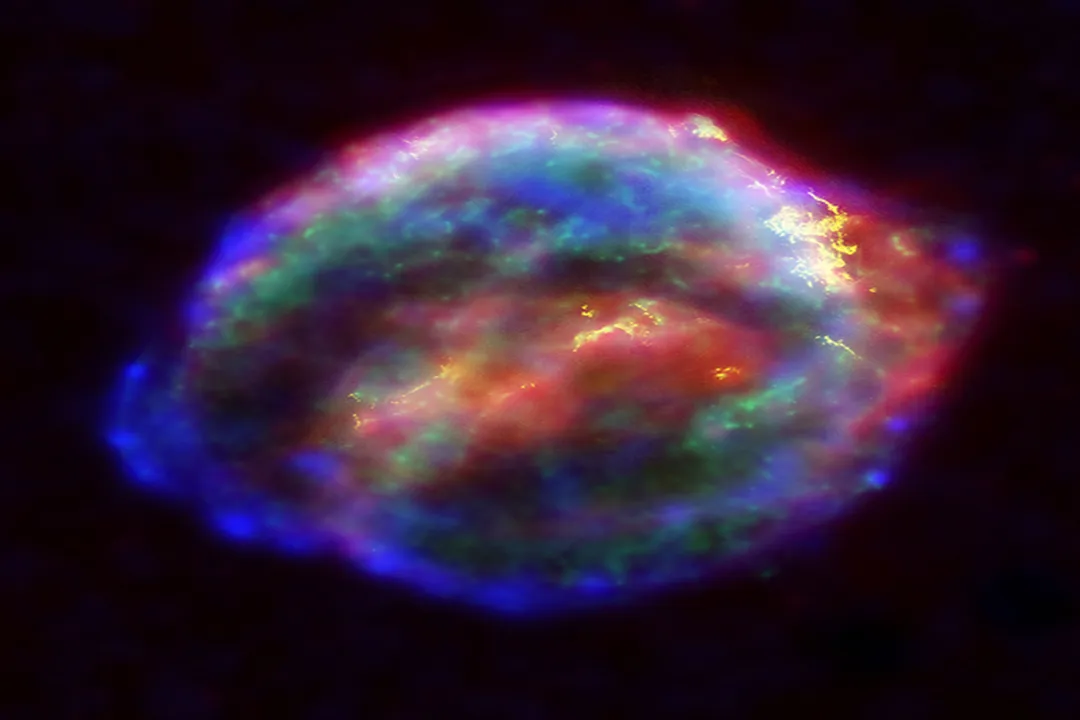
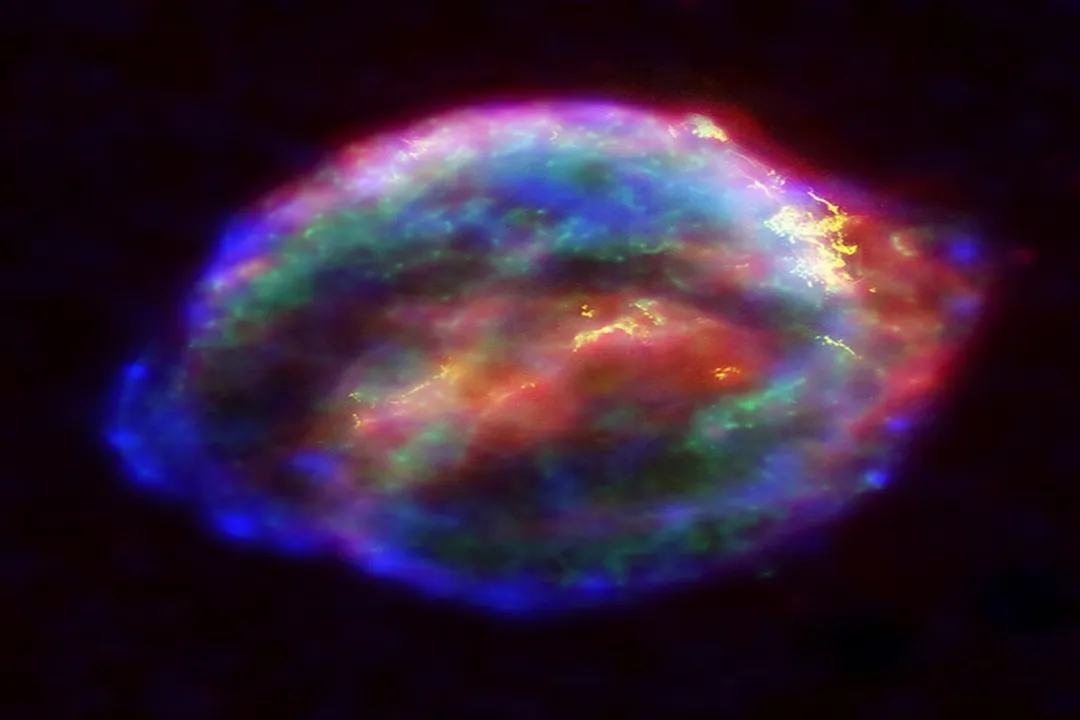
To fully appreciate the scale of even a bright nova like the expected T CrB event, it helps to look back at a historical supernova that was visible for an extended period. One such historical benchmark is Kepler's Supernova, designated SN 1604. This event was the last confirmed supernova observed in our own Milky Way galaxy. Unlike a typical nova, a supernova is vastly more energetic; while T CrB might reach magnitude 3, SN 1604 was bright enough to be clearly seen during the daytime for several weeks. The remnants of this massive explosion are still studied today, illustrating the destructive, yet creative, power of stellar death—a power far exceeding a standard nova outburst. Comparing the expected visible magnitude of T CrB (around 3) with the extreme brightness of Kepler's explosion highlights the fundamental difference between a surface flash and a star's total annihilation.
# An Unprecedented Cosmic Blast
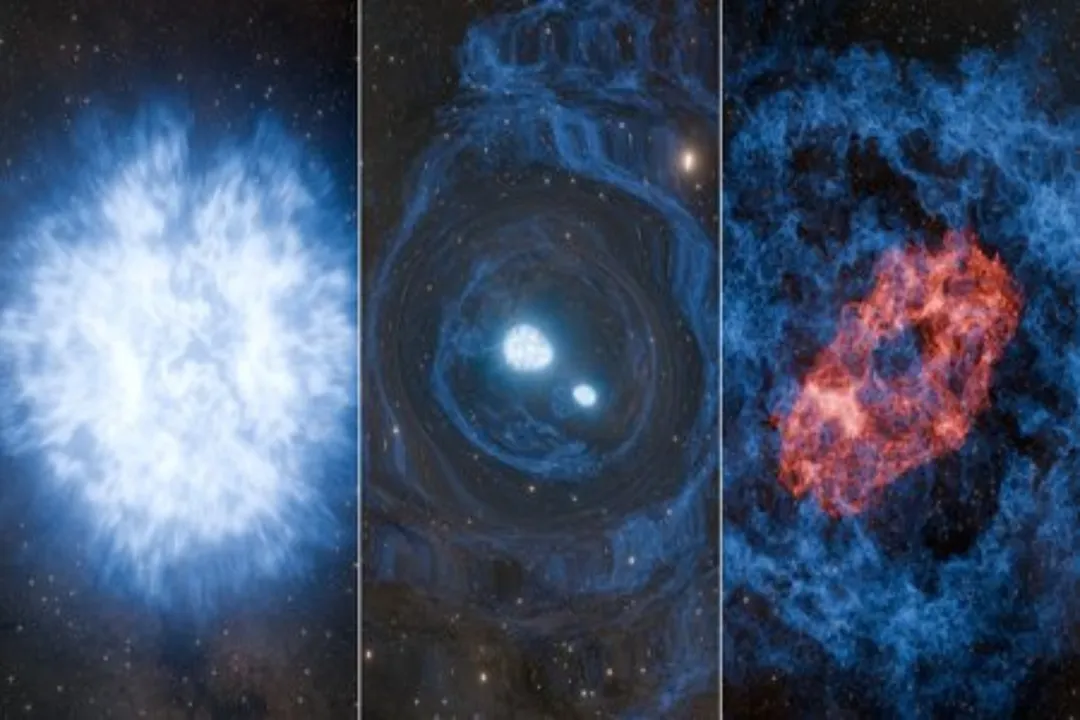
Beyond the known recurrent nova systems, recent astronomical observations have pointed toward other, perhaps even rarer, explosive events that blur the lines between stellar explosions. In 2024, astronomers reported observing what might be the first known superkilonova involving a double-star explosion. This event, if confirmed to be this specific type of phenomenon, would represent a different, arguably more extreme, category of stellar cataclysm than either a typical nova or a standard supernova. Reports suggest this event involved two stars exploding, not just once, but possibly twice in quick succession. Such an event challenges current classifications and underscores how much there remains to learn about the final moments of binary star systems. Observing this event in real-time, through new images and data streams, provides scientists with an invaluable, fresh case study on extreme stellar physics.
# Real-Time Celestial Fireworks
The thrill associated with these events stems from the fact that we can watch them unfold as they happen. Modern instruments allow astronomers to track these changes minute by minute. The public excitement surrounding T CrB and the unexpected detection of potential superkilonovae mean that thousands of eyes, both professional and amateur, are effectively focused on small patches of the sky. This collective monitoring effort often means that the confirmation of a transient event happens within hours or days, rather than the centuries it took to fully understand historical events like Kepler's Supernova. For someone interested in witnessing the next confirmed, bright nova explosion—distinct from the superkilonova candidate—the best course of action is to regularly check the status updates for T CrB. Since its expected brightness is well-documented to be easily visible, an observer merely needs clear skies and perhaps a simple star map centered on the Corona Borealis constellation once the official alert is sounded. The sheer number of dedicated instruments watching these systems increases the certainty that the next confirmed nova will be recorded across the globe almost instantly.
Related Questions
#Citations
Kepler's Supernova - Wikipedia
NASA, Global Astronomers Await Rare Nova Explosion
Astronomers may have spotted the 1st known 'superkilonova' double ...
Possible "Superkilonova" Exploded Not Once But Twice - Caltech
What happened to the 2024 nova explosion that should ... - Reddit
A rare nova will erupt anytime now. Here's how to find it in the night sky
Nova Explosions
Will T Coronae Borealis nova create 'new star' over Ohio? NASA is ...
Astronomers capture new images of star explosions in real time