What happens to the rocket after it releases the satellite?
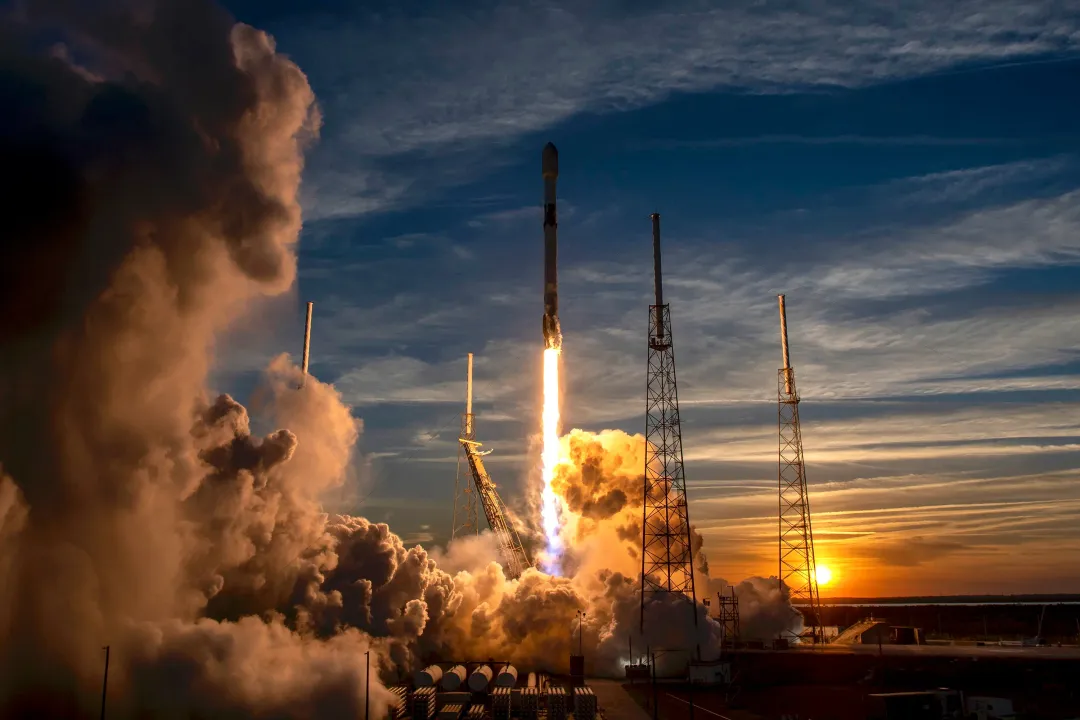
The moment a satellite separates from its launch vehicle marks the culmination of years of engineering, yet it’s merely the transition point for the rocket itself. After that critical deployment, the rocket stages that delivered the payload have distinct and often diverging futures, depending heavily on the design philosophy of the specific mission architecture—whether the vehicle is purely expendable or partially reusable. [1][4] The journey of the spent hardware is far from over; it becomes a complex problem of orbital mechanics, atmospheric physics, and increasingly, economic strategy. [6]
# Stage Firing
The process begins with the main engine cutoff (MECO) of the first stage, or booster. This happens when the massive lower section has expended most of its propellant, having carried the rocket through the thickest parts of the atmosphere and achieved a significant fraction of orbital velocity. [2] Following MECO, separation occurs, often assisted by small explosive bolts or springs to ensure a clean break between the stages. [4]
For older or simpler expendable rockets, the first stage simply falls away, either aimed toward an uninhabited patch of ocean or allowed to follow a ballistic trajectory back to Earth, where it burns up upon high-speed atmospheric re-entry. [1][9]
However, in modern, partially reusable systems, the separation is the beginning of the booster's second mission. Once clear of the upper stage and payload, the now-inert first stage must execute a series of precise engine burns. These burns, which may include a boost-back burn towards the launch site or an entry burn to manage atmospheric interface, are necessary to steer the massive hardware for a controlled descent. [4] This maneuver demands careful calculation because the vehicle must retain enough propellant to perform the final powered landing, a complex trade-off against the mass of the satellite it can carry to orbit [Original Insight 1]. If the booster is not intended for reuse—for instance, if it's targeting a high-energy transfer orbit that would make recovery too costly in fuel—it is usually commanded to de-orbit quickly over remote areas or simply allowed to coast until natural atmospheric drag or eventual re-entry takes its toll. [1][6]
# Booster Return
The fate of the first stage is currently the most visible aspect of post-launch rocketry, primarily due to the rise of propulsive landing systems pioneered by companies like SpaceX. [4][9] When a booster is targeting recovery, usually on land or on an autonomous droneship at sea, the complexity skyrockets. After separation, the stage flips around, relights its engines for a re-entry burn to slow down and protect its structure from excessive aerodynamic stress, and then performs the final landing burn just meters above the surface. [4]
The success of these return maneuvers means that the most powerful and expensive component of the launch system—the engine cluster and the structure housing them—survives the ascent. Compare this to earlier rockets where that hardware was instantly converted into spent material falling into the ocean or burning high in the atmosphere. [9] This recovery effort drastically alters the economics of access to space, turning an expenditure into a refurbishment cost. [4]
If the mission profile dictates a polar orbit or another trajectory far from the primary recovery zones, the booster might still perform a controlled de-orbit into the ocean away from shipping lanes, avoiding the long-term debris issues associated with stages left in low orbit, even if propulsive recovery isn't practical for that specific flight. [9]
# Upper Stage
While the first stage manages the violent initial ascent through the dense lower atmosphere, the second (or upper) stage is the precision instrument. It ignites after staging, often performing the "burn to orbit". [2] Once it achieves the required velocity and altitude, it coasts to the designated deployment point. The upper stage’s mission is completed only when the satellite or spacecraft is safely released into its intended orbit or transfer trajectory. [6]
Unlike the massive booster, the upper stage is much smaller and generally does not attempt a powered landing due to the high velocities it reaches and the complexity of steering it back precisely from orbital altitudes. Its fate is determined by the final orbit it places the payload into. [1]
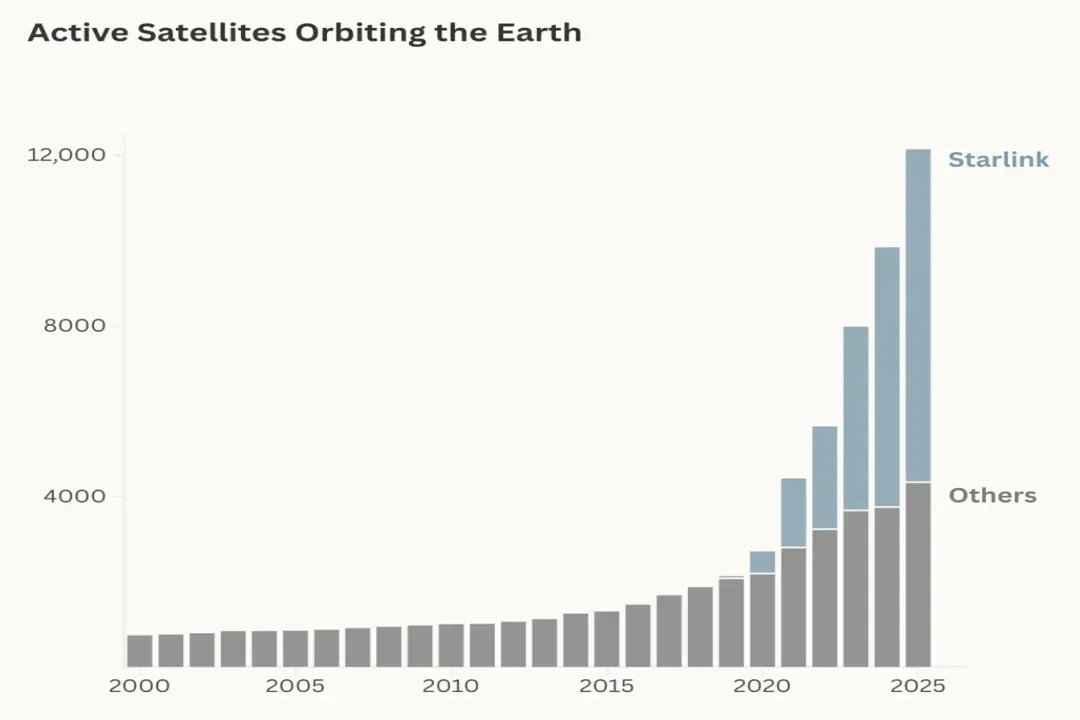
If the deployment is into a very Low Earth Orbit (LEO), atmospheric drag will slowly pull the upper stage down, causing it to re-enter and burn up within months or a few years, depending on the specific altitude and solar activity. [6] For missions heading to higher, more stable orbits, such as geostationary orbit (GEO), the upper stage is usually commanded to perform a final "disposal burn." This maneuver increases its orbital altitude significantly, pushing it into a graveyard orbit where it poses no collision risk to operational satellites for centuries. [1] Leaving the stage in a lower, stable orbit is strongly discouraged due to the increasing risk of creating space debris that could endanger active assets. [6]
# Orbital Fate
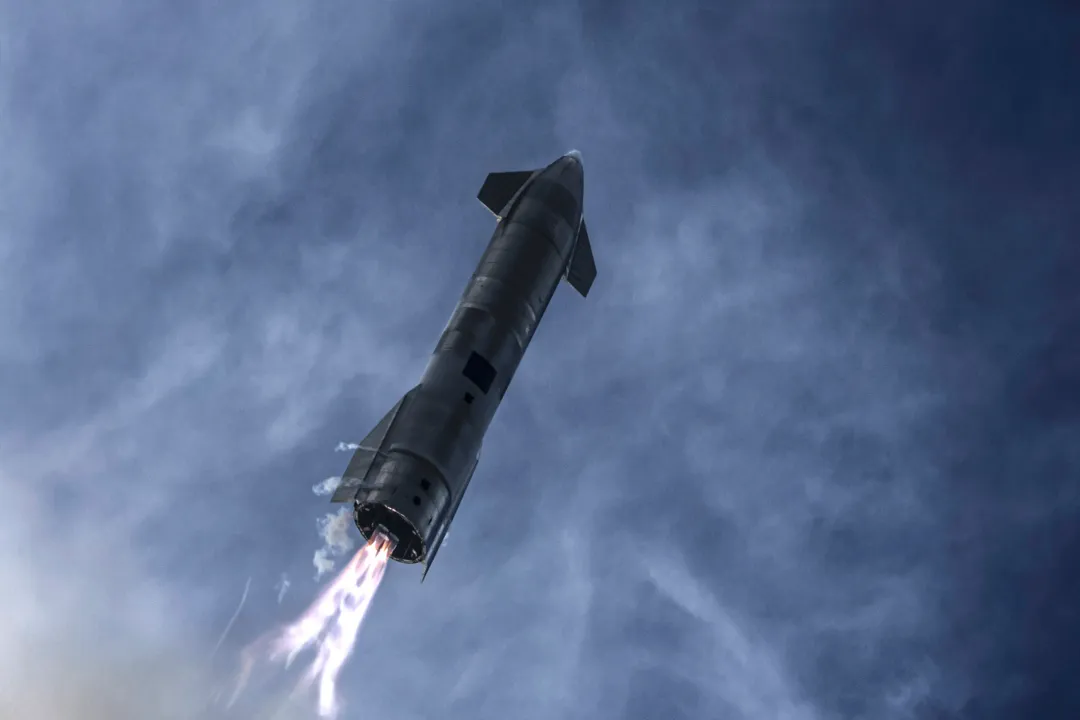
The resulting state of the spent hardware—whether it’s a booster re-entering intentionally, a first stage falling uncontrollably, or an upper stage coasting—has implications for the orbital environment. [1] The primary concern is space debris. Every piece of hardware left in orbit that is not designed to decay poses a statistical risk of collision, which can trigger cascading fragmentation events known as the Kessler Syndrome. [6]
Interestingly, even the atmospheric effects of the launch itself are drawing scrutiny beyond the debris issue. While the hardware falling back is one concern, the act of launching contributes materials to the upper atmosphere that are not normally deposited there in such concentrated bursts. [5] For example, soot particles (black carbon) injected into the stratosphere and mesosphere from rocket exhaust can absorb solar radiation, potentially leading to localized heating effects, an environmental consideration that applies to every component that burns up during re-entry, whether intentional or not. [5]
We can consider the temporal cost of orbital mechanics. A defunct upper stage left in a marginally stable LEO might take ten years to decay naturally. While ten years sounds short compared to the lifetime of a GEO satellite, that decade represents a significant operational window where that piece of metal is a high-velocity projectile, creating an unnecessary risk budget for every satellite launched during that period [Original Insight 2]. This is why mandated disposal maneuvers, even those that sacrifice a small amount of final payload performance, are considered critical for orbital sustainability. [1][6]

# Reuse Economics
The decision of what happens to the rocket components is increasingly driven by dollars and cents, not just orbital mechanics. [4] When comparing a fully expendable system to a partially reusable one, the former requires building and launching an entirely new first stage for every flight, a massive recurrent expense. [9] The shift toward recovery means that instead of viewing the booster as a single-use failure mode that must be mitigated, it is treated as the first step in the next launch cycle. [4]
This economic driver dictates post-separation behavior. A mission designer analyzing propellant budgets must weigh the cost savings from recovering a booster—which might be hundreds of thousands or even millions of dollars—against the mass penalty incurred by saving enough fuel for the return burns [Original Insight 1]. If the mission payload is exceptionally heavy and critical, the slight reduction in payload capacity due to recovery fuel might make a fully expendable mission cheaper overall, or necessitate a different trajectory altogether.
Ultimately, the post-deployment life of a rocket stage is a direct reflection of the philosophy guiding the launch provider. It is a spectrum ranging from total loss (expendable hardware falling into the sea) to highly engineered recycling, all while attempting to maintain the safety and integrity of the orbital highways we rely upon. [1][4][9]
#Videos
Here's what happens when rockets launch into space - YouTube
What Happens To Discarded Rocket Boosters And Old Satellites?
Related Questions
#Citations
What happens to rockets after they are launched into space? Do ...
Here's what happens when rockets launch into space - YouTube
Launch & Deployment - NASA Space Operations Learning Center
What Happens to Rockets After They Launch? Stages, Recovery ...
Scientists Warn of Emissions Risks from the Surge in Satellites
ELI5: What happens to all the parts of rockets that fall off as it's going ...
Space launch - Wikipedia
Here's What Happens to Rocket Boosters After They Blast Off