What primary factor currently dictates the decision of what happens to rocket components post-separation?
Answer
Economic strategy and dollar-and-cents analysis.
The decision regarding the post-deployment life of rocket stages is increasingly driven by economic considerations. Mission designers must analyze the cost savings associated with recovery versus the mass penalty required to save return propellant.
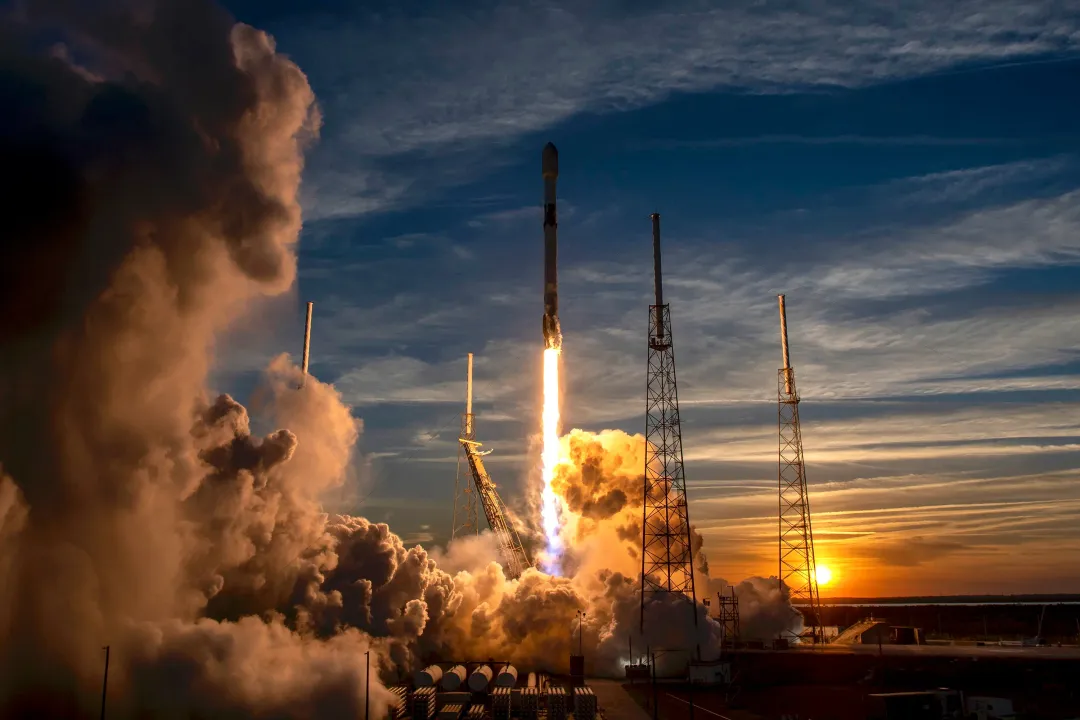
#Videos
Here's what happens when rockets launch into space - YouTube
What Happens To Discarded Rocket Boosters And Old Satellites?
Related Questions
What follows the Main Engine Cutoff (MECO) of the first stage?What is the primary purpose of the re-entry burn executed by a reusable booster?For older or simpler expendable rockets, what is the typical fate of the spent first stage?Which stage is characterized as the 'precision instrument' responsible for achieving orbital velocity?What maneuver must an upper stage typically perform when placing a payload into Geostationary Orbit (GEO)?What environmental concern is associated with soot particles injected into the upper atmosphere by rocket exhaust?What is the economic benefit realized by using partially reusable launch systems?Why is leaving a defunct upper stage in a marginally stable Low Earth Orbit (LEO) considered a significant operational risk?If a booster is not intended for reuse, when might it still be commanded to de-orbit quickly rather than coasting?What primary factor currently dictates the decision of what happens to rocket components post-separation?