What distinguishes a controlled deorbit burn from an uncontrolled satellite failure regarding disposal location?
Answer
Controlled burns direct reentry to a remote area, while failure disperses fragments chaotically across latitudes
A controlled deorbit uses remaining propulsion to aim the descent toward a remote area, such as the South Pacific Ocean Uninhabited Area (SPOUA). Conversely, an uncontrolled breakup disperses fragments across many degrees of longitude and latitude, creating a chaotic spatial distribution.
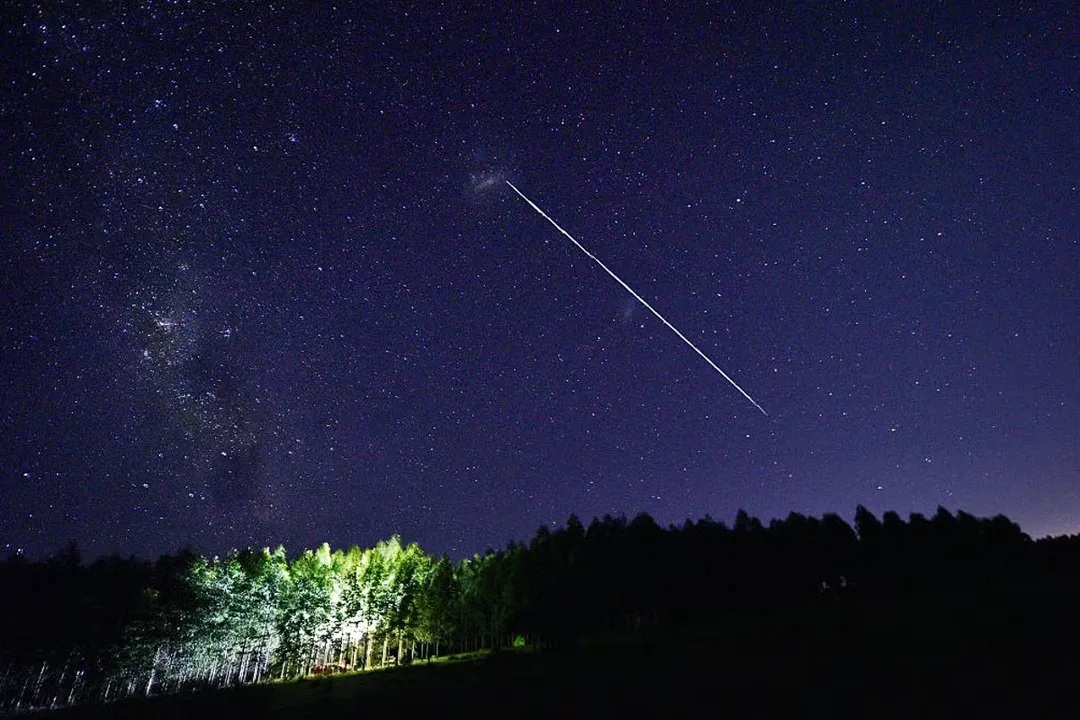
#Videos
Nearly 1000 Starlink Satellites Destroyed - YouTube
Related Questions
What distinguishes a controlled deorbit burn from an uncontrolled satellite failure regarding disposal location?Under international space law, which entity is ultimately responsible for damage caused by its space object after an in-orbit malfunction?What capability did the recent Starlink satellite lose after the anomaly on December 17th, leading to its descent?What is the primary force that dictates the timeline for a tumbling, uncontrolled satellite to fall back toward Earth?What is the required procedure for managing debris fragments created by an uncontrolled breakup?In comparison to operational satellites, what is the primary risk posed by small fragments (under a certain mass threshold) upon atmospheric reentry?What is the critical engineering trade-off reflected in the decision to use fuel for an early controlled deorbit maneuver?What is the primary objective of a controlled, end-of-life deorbit burn for a Starlink satellite?How does the public perception of a falling satellite failure compare to the statistical risk to individuals on the ground?What is the primary impact of an uncontrolled mid-orbit breakup on space traffic management efficiency?