What is the typical minimum size threshold for space objects to be included in detailed orbital catalogs?
Answer
Objects larger than 10 centimeters
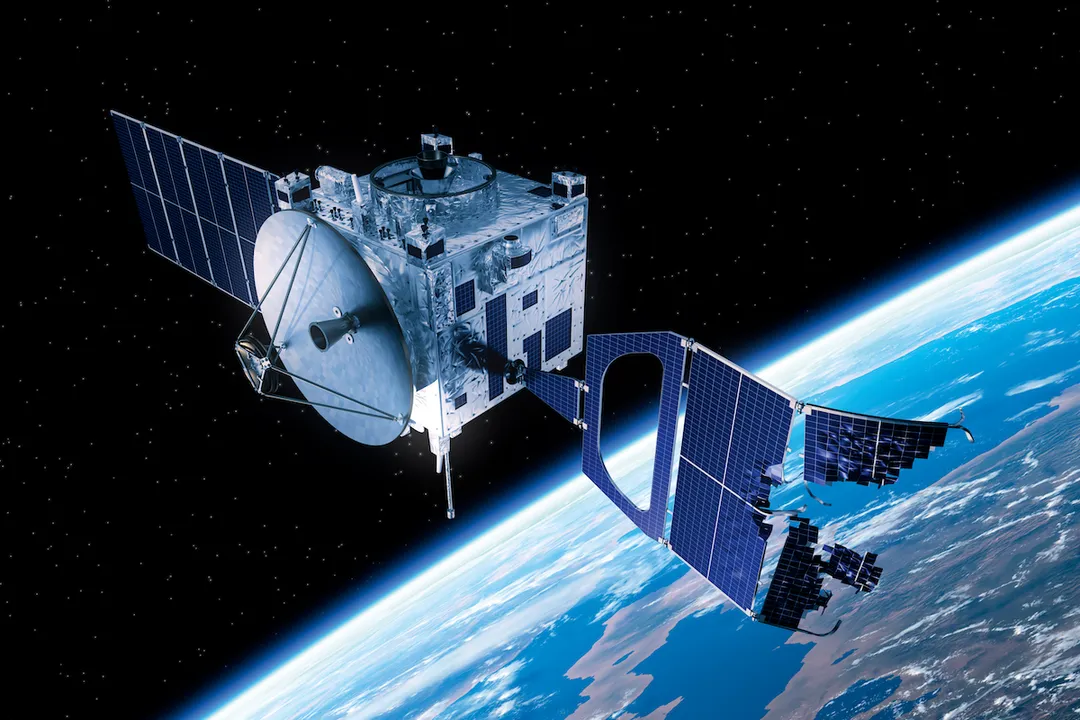
The foundation of collision avoidance relies on accurate tracking and cataloging of potential hazards. Space agencies and defense organizations focus monitoring efforts on objects that pose a substantial physical threat upon impact. This threshold is generally set for pieces larger than 10 centimeters. While smaller fragments, even those undetectable by current tracking methods, still present a risk, cataloging objects above this size provides the baseline data necessary for calculating conjunction probabilities and issuing formal warnings to active satellite operators regarding credible threats.
#Videos
How Satellites Don't Collide in Space - YouTube
How Do Satellites NOT Crash. And How Can We Keep It That Way?
Related Questions
What physical phenomenon causes orbits in Low Earth Orbit (LEO) to slowly decay?Under what condition do two orbits that physically cross at a point avoid a collision?What is the typical minimum size threshold for space objects to be included in detailed orbital catalogs?What type of formal warning is generated when the predicted closest approach between cataloged objects is under one kilometer?What crucial resource usage necessitates a cost-benefit analysis before executing a Collision Avoidance Maneuver (CAM)?Which orbital regime is significantly less susceptible to orbital decay caused by atmospheric friction?What external variable, stemming from solar activity, can unexpectedly increase atmospheric drag on LEO satellites?What term describes the exponential increase in future collision risk following a collision between two large, defunct objects?Why are Collision Avoidance Maneuvers (CAMs) usually executed days prior to the predicted Time of Closest Approach (TCA)?What two primary physical factors dictate whether a satellite successfully maintains its required orbit?During rocket launches into congested LEO bands, what must trajectory planners coordinate to ensure safety during initial ascent?