Why are Collision Avoidance Maneuvers (CAMs) usually executed days prior to the predicted Time of Closest Approach (TCA)?
To allow the new trajectory to stabilize and confirm safety post-burn
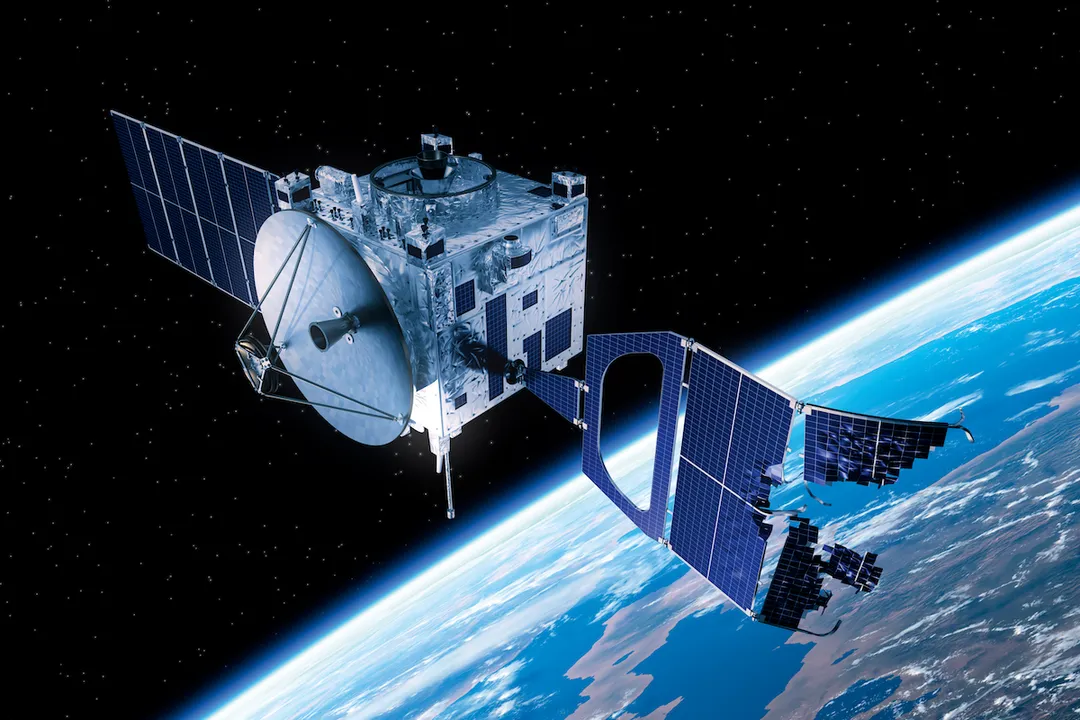
The execution of a maneuver is not the final step in collision avoidance; confirmation is equally important. When thrusters are fired to alter a satellite's velocity vector, the new path must be verified. Performing the CAM several days in advance ensures that the satellite settles into its new, safe orbit and that subsequent tracking passes can confirm the success of the adjustment. If the maneuver were executed too close to the TCA, there might not be adequate time to confirm the trajectory is clear before the predicted point of danger, leaving the operator uncertain about the effectiveness of the avoidance action.
#Videos
How Satellites Don't Collide in Space - YouTube
How Do Satellites NOT Crash. And How Can We Keep It That Way?