Did they recover the bodies from Columbia?
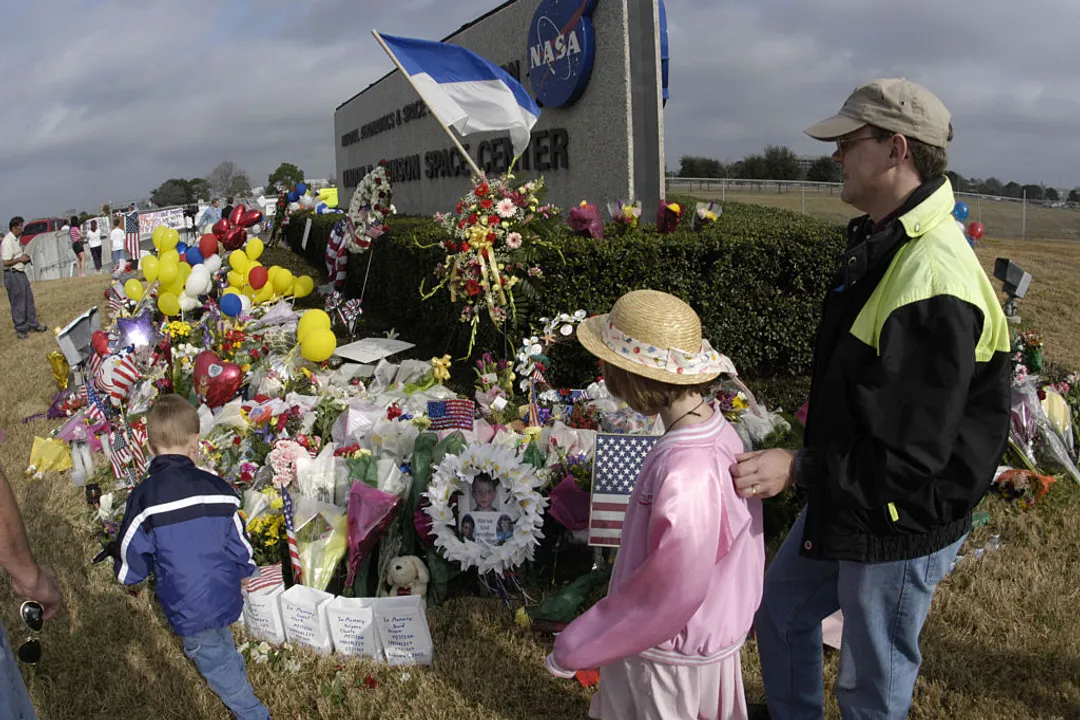
The breakup of Space Shuttle Columbia upon re-entry on February 1, 2003, initiated one of the most extensive and somber recovery efforts in U.S. history. The disintegration of the vehicle high above Texas and Louisiana resulted in debris scattering across a vast, multi-state region, demanding immediate, systematic search operations. The question of recovering the crew became inextricably linked to the recovery of the wreckage itself, as the sheer violence of the breakup meant that the astronauts were lost within the debris field.
# Search Scale
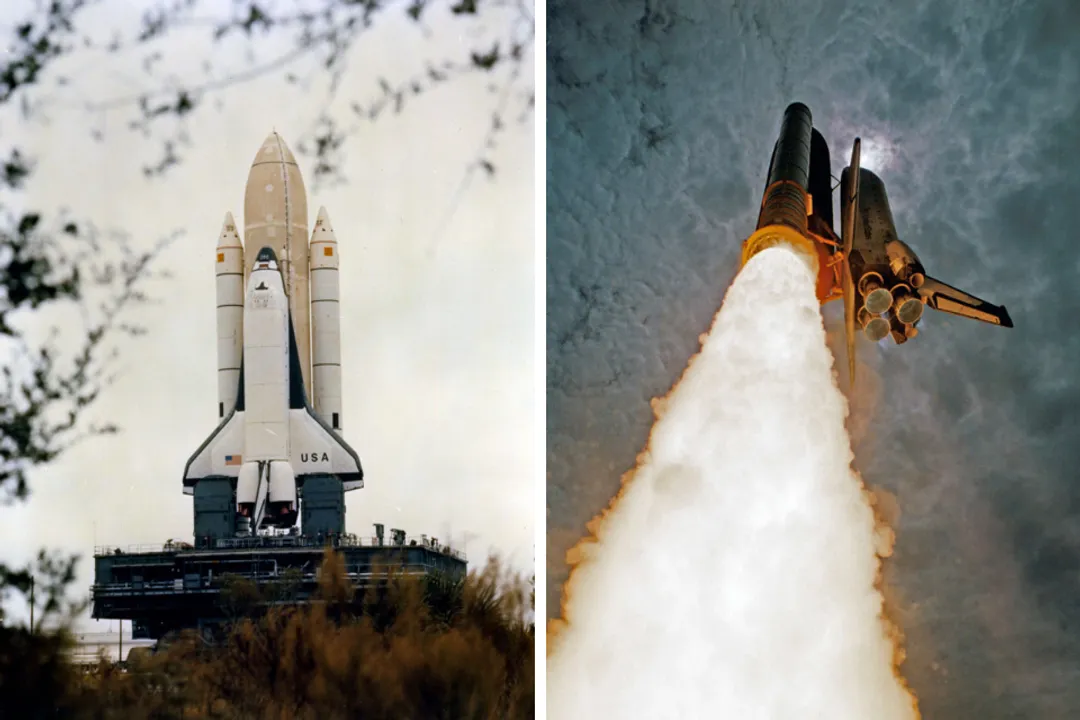
The immediate aftermath saw thousands of federal and local personnel mobilized to scour areas that stretched from parts of Texas into Louisiana. The debris field covered an area estimated to span approximately 2,000 square miles, a staggering expanse across varied terrain, from open ranchland to dense woods. This effort was not a brief sweep; it was a meticulous, painstaking process that lasted for months, continuing long after the initial headlines faded.
The Federal Bureau of Investigation (FBI) played a major role in the subsequent investigation and collection of materials. For years following the disaster, the FBI maintained responsibility for processing and cataloging the recovered pieces. This commitment highlights the dual nature of the recovery: it was both a mission of respect for the lost crew and a crucial forensic investigation into the mechanical failure that caused the catastrophe.
To illustrate the sheer magnitude of the debris recovery, one can look at the statistics compiled over the years of investigation. The effort yielded an incredible quantity of material, much of it tiny or partially destroyed:
| Item Category | Approximate Count | Significance |
|---|---|---|
| Total Pieces Recovered | Over 84,000 | Represents nearly all recoverable parts of the shuttle. |
| Major Structural Components | Hundreds | Essential for determining breakup sequence and cause. |
| Human Remains | Unspecified Count | Collected for forensic identification and return to families. |
This data emphasizes that the search teams were looking for everything from huge wing segments to items no larger than a coin, which is precisely what was needed to understand the accident sequence.
# Body Recovery
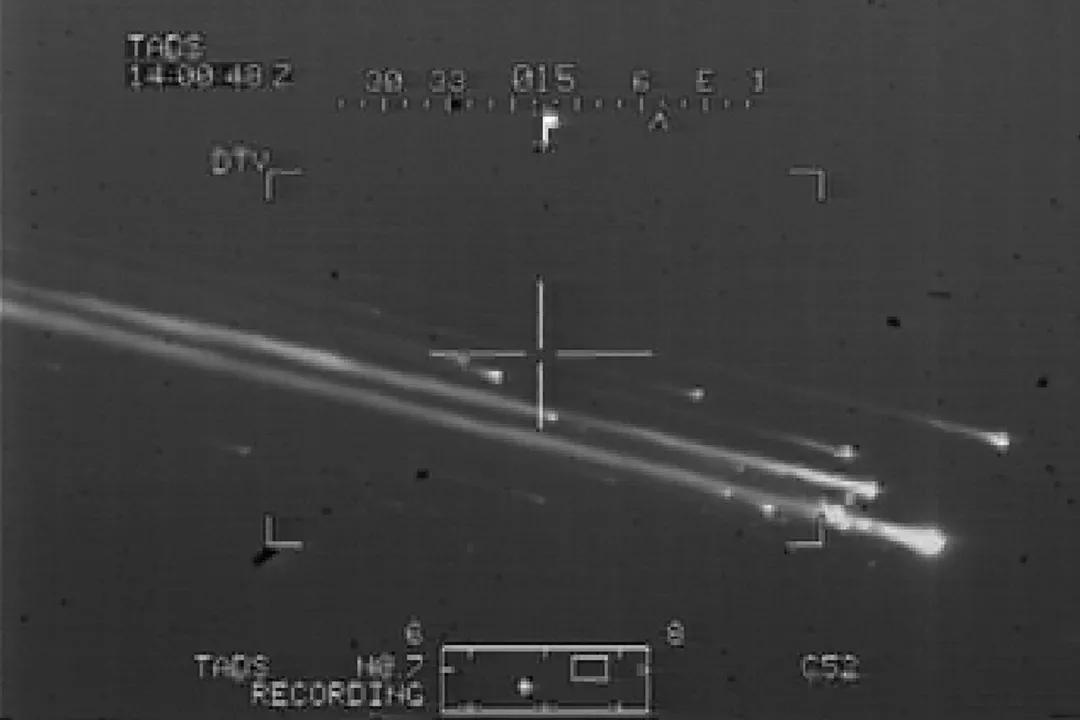
When addressing the recovery of the astronauts following the Columbia disaster, it is critical to understand the physical reality of the breakup. The vehicle disintegrated at extremely high atmospheric speeds, causing the crew cabin to suffer catastrophic structural failure. Because of this, the recovery teams were not looking for intact bodies; rather, they were searching for human remains interspersed among the debris of the shuttle itself.
Search teams, including specialized military and civilian personnel, were explicitly tasked with recovering all human biological material found within the debris field. These teams methodically searched fields, lakes, and dense brush across central and eastern Texas, and western Louisiana. The work was necessarily grim and required a level of forensic care under difficult field conditions.
The sheer volume of wreckage complicated the process. Imagine sifting through thousands of square miles of material, where fragments of the shuttle structure, payload, and human remains were mixed together. The initial recovery phases focused on marking the locations of larger pieces, but the subsequent sifting and processing efforts, handled by experts, aimed to separate the human elements for identification. It is a testament to the dedication of the searchers that they continued this difficult work, driven by the need to provide some measure of closure to the families of the seven crew members: Rick Husband, William McCool, Michael Anderson, Kalpana Chawla, David Brown, Laurel Clark, and Ilan Ramon.
# Artifact Preservation
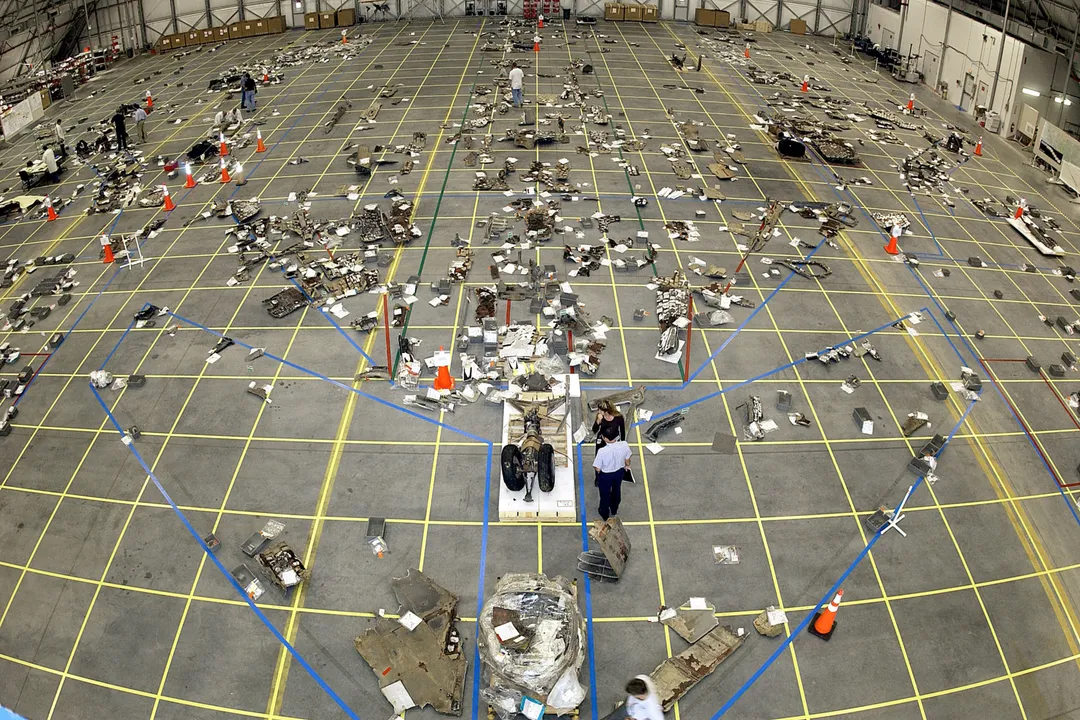
The recovery effort extended far beyond the primary structural components and the remains of the astronauts. The investigation into the cause—foam strike during ascent damaging the Thermal Protection System—required finding materials that could offer clues about the internal environment and sequence of events.
One particularly poignant example of what survived the breakup involves personal artifacts. Among the items recovered were several pages from the mission diary belonging to Israeli astronaut Ilan Ramon. The fact that certain paper items, which one might assume would instantly vaporize or be shredded, survived the intense heat and forces is remarkable. This survival speaks to the complex aerodynamics of the breakup and the precise, localized collection efforts undertaken by the teams on the ground.
Furthermore, the recovery process sometimes involved the civilian population directly. In many instances, residents living near the debris path discovered large pieces of metal or insulation and turned them over to authorities. This community involvement was vital in mapping the full extent of the debris field, demonstrating a partnership between the public and agencies like NASA and the FBI in accounting for every lost piece of the mission. These personal recoveries, like the large piece found by the person posting online, underscore the decentralized nature of the search, which relied on thousands of eyes across the affected states.
# Forensic Accounting
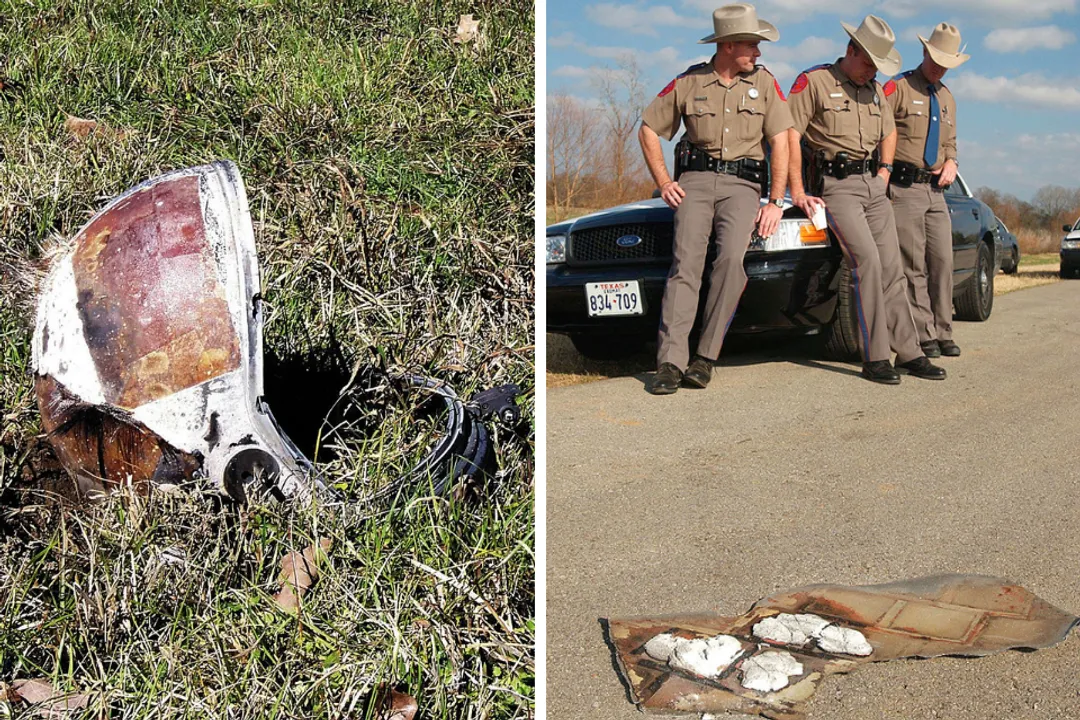
The contrast between the large number of debris pieces recovered—over 84,000 items cataloged by the FBI—and the ability to achieve positive identification of the crew members highlights the forensic challenge. While the shuttle was largely accounted for in terms of hardware, the human cost was addressed through painstaking identification protocols.
This situation presents a difficult analytical point about spaceflight disasters: the very nature of a high-speed atmospheric breakup means that the crew is dispersed along with the craft's systems. In this scenario, identifying the astronauts required specialized forensic anthropology and DNA analysis on the recovered biological fragments, a process that can take significant time, even with advanced techniques. The effort wasn't just about finding "something"; it was about finding enough material to definitively confirm the presence and identity of each individual lost in the catastrophe.
Considering the search zones—wide tracts of land in Texas and Louisiana—the challenge was compounded by decomposition and environmental factors affecting organic material over time. The thoroughness required by NASA and the FBI meant that recovery crews had to revisit sites, sometimes years later, as new debris was unearthed by construction or severe weather, ensuring that no fragment, biological or mechanical, was left undocumented. This long-term dedication to the recovery site is unusual for incidents of this type and speaks to the profound institutional commitment to fully accounting for the loss of human life and hardware.
# Investigation Context
The exhaustive recovery of debris, including human remains, was essential not just for closure but for the official investigation. The Air Force-led Accident Investigation Board (AIB) needed every piece of evidence to reconstruct the flight path, the moments before breakup, and the precise failure mechanism. Small, non-metallic items like the diary pages survived because they were protected within other debris until they settled. In contrast, the fate of the astronauts was sealed by the immediate forces acting upon the cabin structure.
The complexity of the recovery also meant that recovery teams had to make difficult decisions regarding contaminated areas or materials that posed biohazards, adding another layer of procedural difficulty to an already emotionally taxing mission. The success of the investigation, which ultimately determined that Columbia was lost due to damage sustained during launch, relied entirely on the physical evidence recovered from the ground. This evidence base included the fragments of the crew, which served as the final, tragic confirmation of the event's lethality. The effort, therefore, stands as a dual marker: a massive logistical undertaking in recovery and a somber, necessary act of accounting for the seven lives aboard the shuttle.
#Videos
What Happened To The Bodies Of The Columbia Crew? - YouTube
Related Questions
#Citations
Columbia Space Shuttle Disaster: Where Did Debris Land?
Were the human body parts recovered in the Columbia space ...
I was given this for finding a large piece of the Columbia in 2003. I ...
Gut-wrenching way Columbia astronauts learnt they were about to ...
Recovering the Space Shuttle Columbia - FBI
What Happened To The Bodies Of The Columbia Crew? - YouTube
How did pages of Ramon's diary survive the Columbia disaster?
[PDF] Columbia Crew Survival Investigation Report - NASA
NASA reports graphic details of Columbia deaths - ABC News