Are they still finding pieces of Columbia?
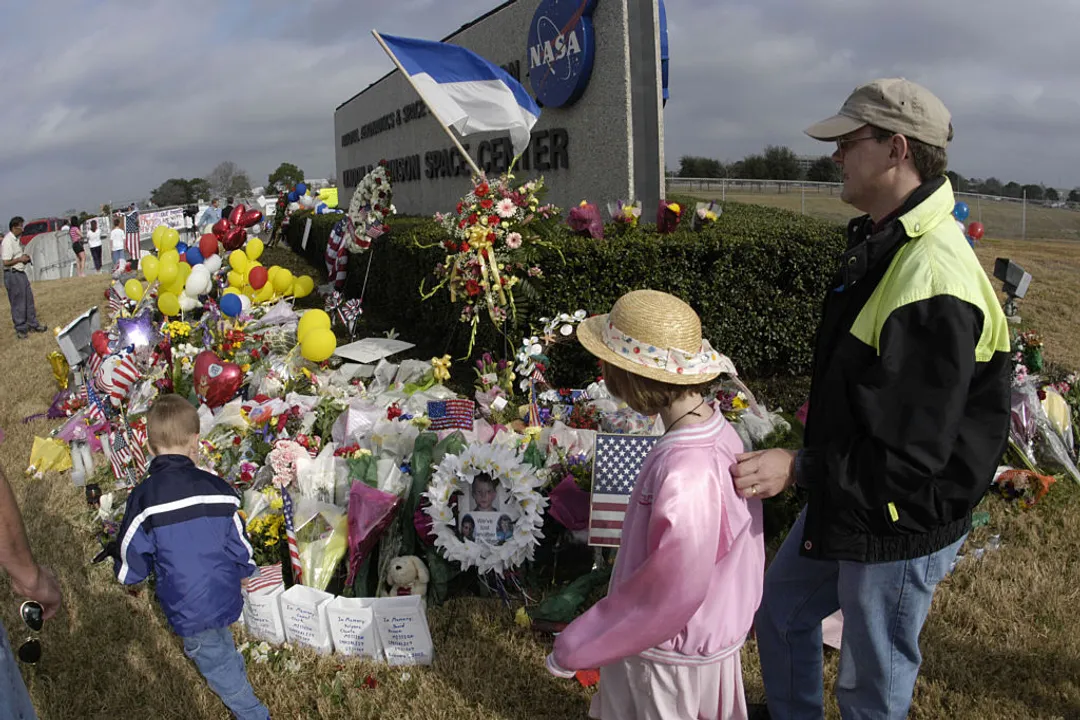
The aftermath of the Space Shuttle Columbia disaster on February 1, 2003, initiated one of the largest debris recovery efforts in NASA history, yet the question of whether pieces are still being found persists years later. [1][5] The disintegration of the orbiter over Texas and Louisiana scattered thousands of pieces across a vast region, and while the intense, organized recovery concluded long ago, the occasional discovery of an unrecognized remnant or a piece that entered the private domain continues to surface. [1][4]
# Initial Search Area
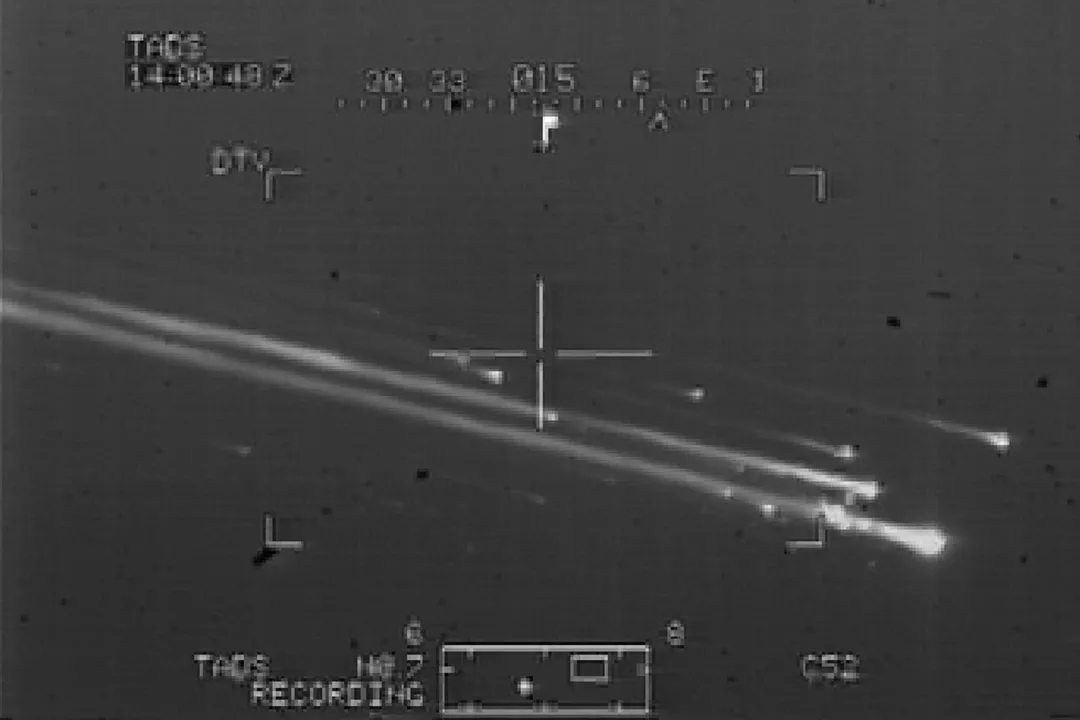
The disaster resulted in debris falling across multiple states, with the main impact zone centered around East Texas and Western Louisiana. [7] Following the tragedy, an extensive search operation was launched that covered a massive area spanning many thousands of square miles, aiming to recover every recoverable piece of the shuttle. [4][7] This recovery effort was not just about retrieving hardware; it was crucial for the accident investigation board to piece together the sequence of events that led to the breakup. [5] Agencies like the FBI were heavily involved in securing and processing the evidence recovered from the field. [5]
The sheer scope of the scatter field meant that some debris traveled significant distances, landing hundreds or even thousands of miles from the main breakup zone. [1] This wide distribution, combined with the fact that many pieces were small or camouflaged upon impact in various terrains, set the stage for sporadic finds long after the initial intensive sweeps concluded. [1]
# Debris Distribution
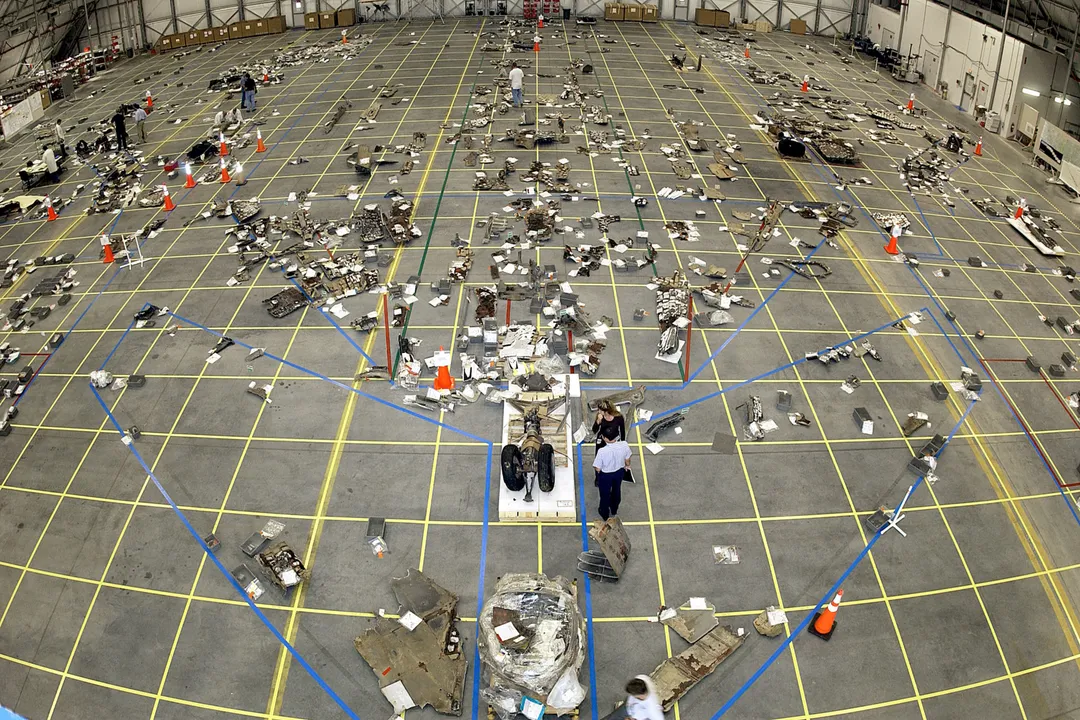
When the Columbia broke up, the debris was not uniform in size or type. It ranged from large, recognizable structural components to small, often burnt or melted fragments. [4] These fragments fell across rural areas, private property, and even into bodies of water. [4]
The recovery process had clear priorities. The primary goal was to find every piece that could shed light on the failure mechanism, making the retrieval of crucial materials paramount. [5] However, the immense scale of the scatter field meant that smaller, less significant pieces were inevitably overlooked during the initial, frantic searches. [1] Furthermore, some items landed in areas difficult to access or were simply mistaken for common debris by those who encountered them first. [4]
For instance, the recovery operation swept large sections of East Texas, covering counties from the Texas-Louisiana border westward. [4] Yet, even with systematic searches, the natural environment—fields, woods, and rough terrain—concealed countless fragments. One account describes someone being given a large piece of debris after finding it, suggesting a direct, albeit informal, transfer of material occurred at some point during or after the main recovery. [2]
The fate of the debris varied significantly. The most critical components and pieces that could provide forensic evidence were cataloged, analyzed, and held under strict control by NASA and federal agencies. [5] Other pieces, particularly those found by civilians, sometimes ended up in different hands, either through official donation or because they were simply picked up from the ground before official recovery teams arrived. [2] This divergence in pathways—official investigation vs. private possession—is a key factor in why pieces might surface decades later, perhaps moving between collections. [1]
# Official Custody
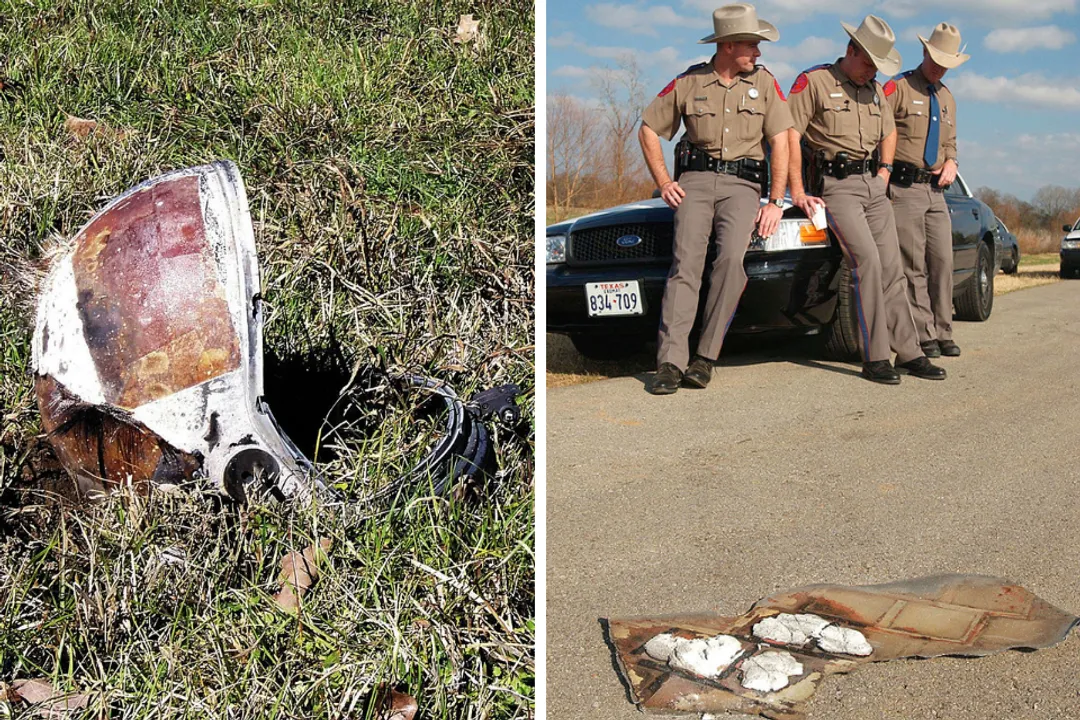
The official investigation into the disaster required meticulous tracking of all retrieved material. [5] The FBI’s role highlights the seriousness with which the debris was treated, often treating the wreckage as evidence in a large-scale accident investigation. [5] This indicates that a significant portion of the material was never intended for public display or private retention immediately following the event. [5]
NASA maintained custody of the bulk of the material relevant to understanding the structural failure, such as sections of the heat shield or internal components. [7] Over time, some of this material has been prepared for historical preservation or public display in museums, offering a tangible connection to the mission. [1] The process of declassifying or transferring these items for public view takes considerable time, allowing investigators to exhaust their need for the material first. [5]
Consider the complexity of cataloging: if thousands of pieces were recovered, even if 95% were accounted for by NASA, the remaining 5% represents hundreds of fragments scattered across the landscape. If these smaller, less identifiable pieces were not formally recorded as part of the investigative collection, they could eventually surface years later when a property changes hands or old storage is cleared. [1]
# Civilian Finds
The human element of the recovery is perhaps the most direct answer to whether pieces are still being found. Many citizens participated in the search, sometimes finding pieces on their own property or in nearby woods. [2][4] The general public’s interaction with the debris field often led to finds that were initially unreported or reported directly to local authorities rather than federal agencies. [4]
One personal account shared online mentions an individual receiving a large piece of debris specifically for finding it. [2] This exchange suggests that not every piece found immediately entered the official chain of custody, or that NASA, years later, might have designated certain non-critical pieces for public acknowledgment or dispersal to finders. [2] If pieces were given to individuals early on, those individuals might only decide to display or sell them much later, leading to a "new" find in the public sphere. [1]
It is also documented that some personal items managed to survive the catastrophic reentry, though these are rare. For instance, discussions have centered on the potential survival of astronaut Ramon's diary pages, which, if recovered, would be highly sensitive items intertwined with the human tragedy. [8] While the fate of any specific diary pages isn't always public knowledge, the possibility of personal artifacts surviving speaks to the highly varied nature of what fell to Earth. [8]
This ongoing interaction with the remnants means that awareness of what constitutes Columbia debris continues in certain communities, leading to occasional, verifiable discoveries even two decades on. [1] When a landowner begins significant construction or deep excavation on property that sits within the general debris path, it is entirely possible to unearth a fragment that was missed in the initial broad sweeps. [4]
# Unrecognized Remnants
A crucial aspect to consider when discussing ongoing finds is the problem of identification. [1] After seventeen years, a small, charred piece of aluminum or composite material found in a remote field is unlikely to be immediately recognizable as part of a space shuttle to the average person. It might look like scrap metal or natural rock residue. [1] Only when juxtaposed against known debris, or examined by someone with specific knowledge, would its origin become clear.
For example, if a piece landed deep in a heavily wooded area and was eventually buried by leaf litter and soil buildup over two decades, it might only be exposed during a particularly severe storm, a tree removal, or landscaping project years later. [4] In such a scenario, the "finding" of the piece is not its initial impact, but its re-emergence into public consciousness or collection. [1]
When considering the sheer volume—NASA recovered approximately 40% of the orbiter [7]—it implies that 60% was either vaporized completely or scattered too widely or too deeply to be found during the initial concentrated efforts. [7] The fragments that comprise that remaining 60% are the candidates for the very slow trickle of "new" finds. While major components are gone forever, these smaller, often less dramatic pieces continue to exist on the ground.
A way to think about the distribution difficulty is to compare the official search grid to the landscape itself. Imagine a grid search across a state the size of Massachusetts or Connecticut combined, but overlaid onto rugged Texas ranchland and swampland. Even with dedicated teams, the gaps between search lines, especially in areas of dense vegetation, create pockets where an object could easily be missed, only to be discovered when the land use changes decades later. [4]
# Community Impact
The disaster profoundly affected the communities where debris fell, leading to a lasting, albeit somber, connection between those residents and the space program. [4] The existence of online groups and forums dedicated to the disaster and its aftermath suggests an active community interest, which can sometimes lead to the sharing of previously unpublicized finds. [6] These digital spaces often serve as informal archives where individuals can post pictures of items they possess, seeking confirmation of their origin. [2]
The fact that people are still posting images of items they possess—like the individual who shared receiving a large piece—indicates that the transfer and rediscovery of material is an ongoing, human-driven process, separate from NASA's centralized effort. [2] These communities sometimes possess an accumulated expertise in identifying debris that exceeds that of the general public. [1]
The contrast between the initial, federally managed evidence recovery and the subsequent, informal dissemination of non-critical fragments creates a unique historical situation. While forensic evidence is secured indefinitely by agencies like the FBI, the smaller, more numerous pieces often slip into a historical grey area, becoming personal mementos or anonymous finds. This means the official record of where every single piece ended up is inherently incomplete, relying on the actions and disclosures of thousands of private citizens over time. [5] This dynamic ensures that the physical remnants of Columbia will likely continue to appear periodically for the foreseeable future, not as part of an official mission, but as echoes of the disaster resurfacing from the landscape.
#Videos
What Happened To The Bodies Of The Columbia Crew? - YouTube
Related Questions
#Citations
Are pieces of the Columbia shuttle still being found? - Quora
I was given this for finding a large piece of the Columbia in 2003. I ...
Columbia Space Shuttle Disaster Dead Bodies: Where Did Debris ...
Space Shuttle Columbia Disaster evidence in Texas | wfaa.com
Recovering the Space Shuttle Columbia - FBI
Space Shuttle Columbia Disaster in Texas - Facebook
Space Shuttle Columbia disaster - Wikipedia
How did pages of Ramon's diary survive the Columbia disaster?
What Happened To The Bodies Of The Columbia Crew? - YouTube