Did SpaceX debris hit anyone?
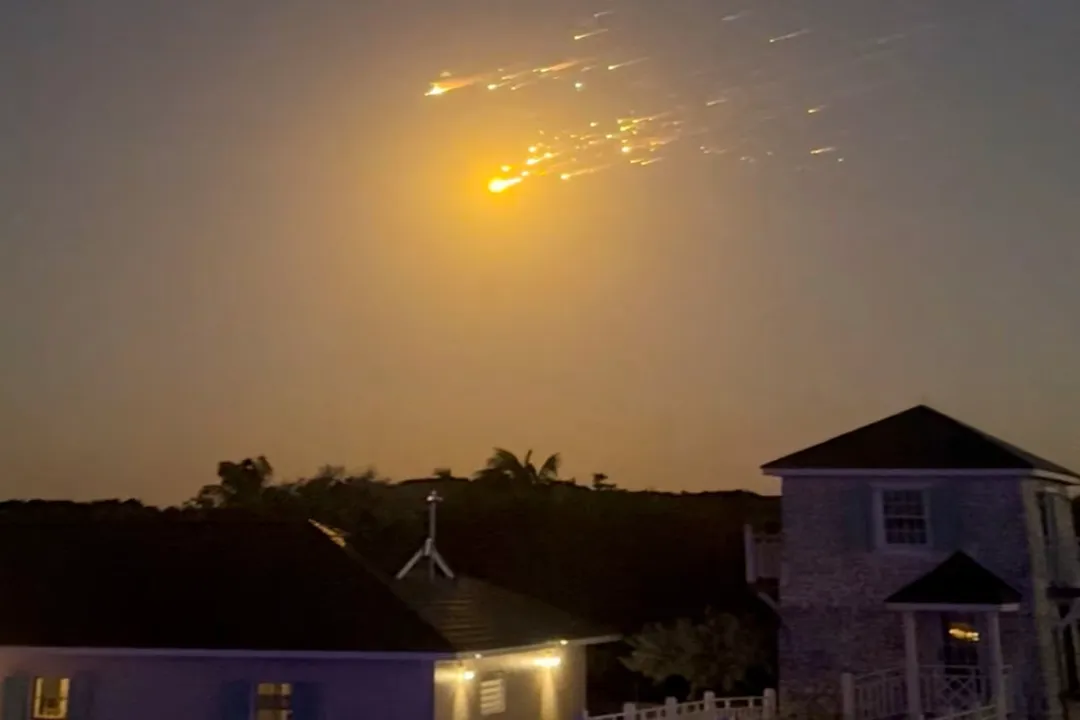
The question of whether physical objects from a SpaceX test flight have struck a person directly remains an area where official confirmation centers on property, rather than injuries. Following recent high-profile test flights of the Starship mega-rocket system, the debris trajectory has become a matter of international attention after pieces of hardware landed far from the launch site. [4][5] When a rocket test ends in an in-flight anomaly or breakup, the resulting debris disperses over a wide area, prompting investigations into where those fragments ultimately landed and what they affected. [9]
# Debris Locations
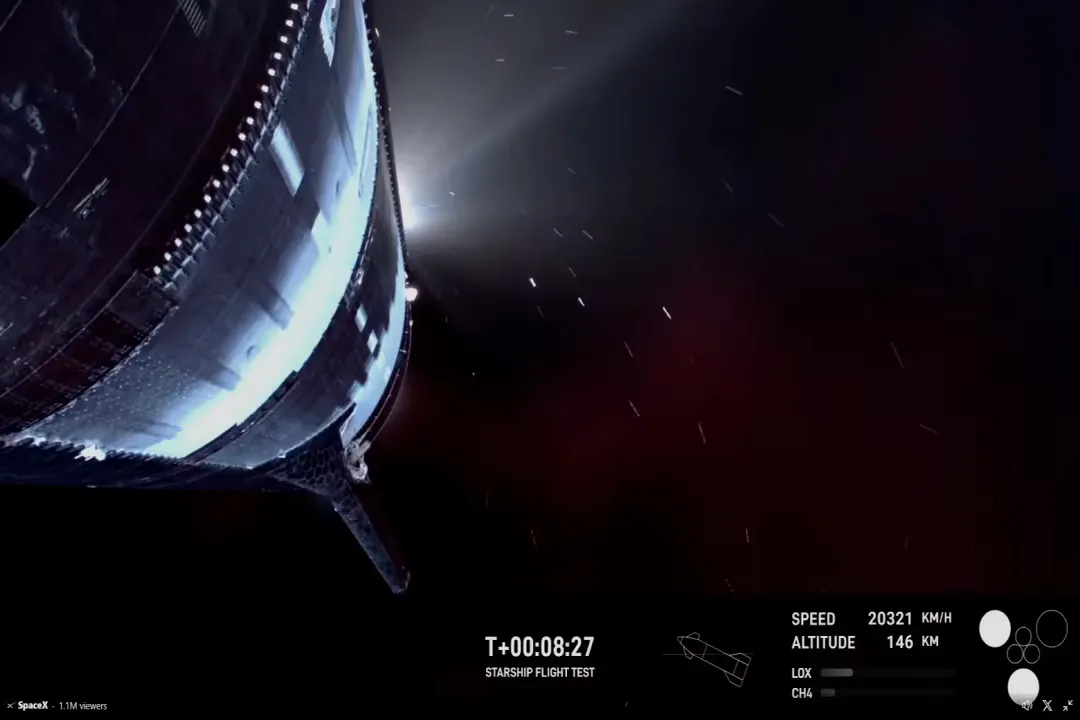
One significant incident involved debris from a Starship test flight that ended with an explosion off the coast of Florida. [9] This event led to the scattering of wreckage across the Atlantic Ocean and onto nearby landmasses. [5] Specifically, reports confirmed that debris from the Starship mission littered sections of islands belonging to the Turks and Caicos territory. [8] This finding elevated the issue from a domestic concern over the designated offshore impact zone to an international one involving sovereign islands hundreds of miles away from the launch site in Texas. [8]
The scatter pattern is a known, though unfortunate, byproduct of testing powerful rockets that experience failures or are intentionally terminated mid-flight. The test that resulted in the debris landing in the Caribbean was one such instance where the vehicle did not complete its intended mission profile. [5] Videos captured the spectacular breakup of the rocket, followed by the subsequent tracking of the uncontrolled descent of various components. [3][6][7]
# Damage Reports
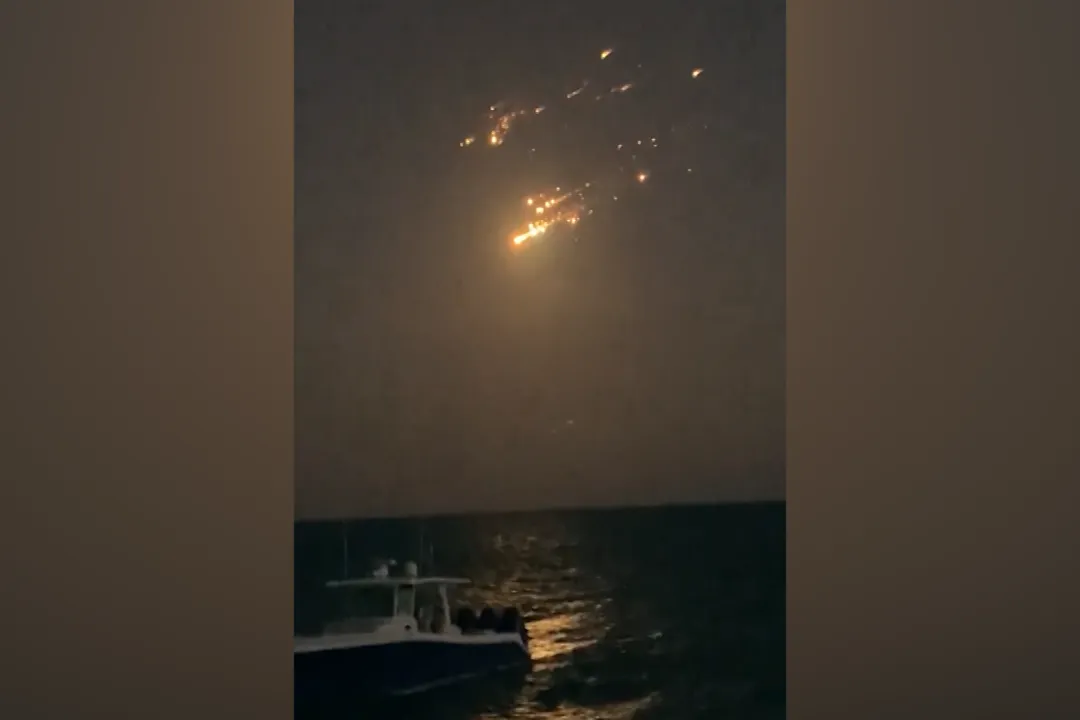
Following the dispersal of rocket components, reports quickly surfaced regarding physical consequences on the ground. Regulators began looking into claims concerning property damage linked to the falling hardware. [2] Local residents in the affected areas, such as on Grand Turk in the Turks and Caicos, voiced concerns after finding pieces of the vehicle on their property. [8] This situation forces a consideration of the actual reach of these tests. Even when launch sites are chosen to maximize overwater flight paths, the dynamic nature of a launch failure means that the debris field can extend significantly outside the intended boundaries. [8]
It is important to note the geographic disparity here. The launch originates from the southern tip of Texas, yet the debris was confirmed to have reached islands in the Caribbean. For a launch operator, while the primary risk mitigation focuses on the immediate vicinity of the launch and the designated splashdown zone, the reality is that atmospheric currents and trajectory deviations can carry lighter or slower-moving components hundreds of miles. This means that responsible planning must account not only for the predictable ocean impact zone but also for the maximum plausible downrange extent toward populated coastlines, even if those coastlines are remote from the launchpad. [8] The fact that physical property damage reports materialized so far from Texas highlights the challenge of ensuring absolute containment during developmental flight tests. [2]
# Regulatory Scrutiny
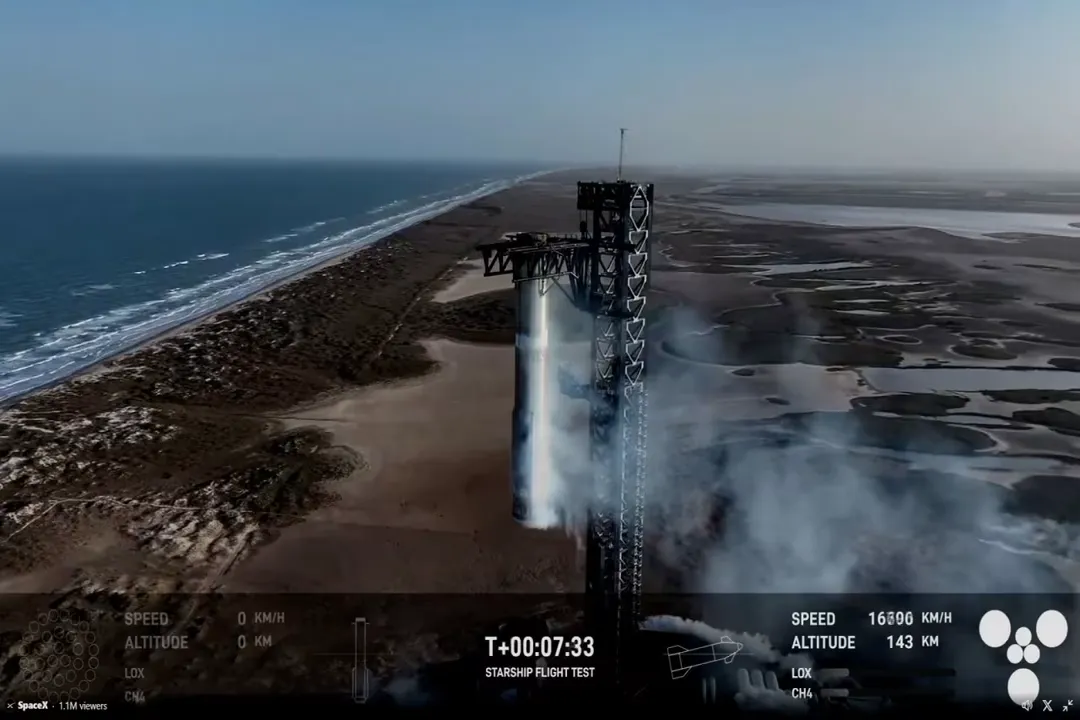
The consequence of confirmed debris landing on inhabited islands, regardless of injury, triggers official oversight. After the test flight that resulted in the debris falling on the islands, the Federal Aviation Administration (FAA) initiated investigations into the reports of property damage. [2][9] Furthermore, in response to the flight anomaly and resulting airspace contamination, the FAA issued ground stops that affected multiple airports in the region. [9] This reaction demonstrates that the impact of these incidents extends beyond the immediate physical fallout to air traffic management and safety protocols surrounding the test area.
The investigation by regulators is crucial because it moves beyond simple recovery. It establishes a chain of accountability for the materials that left the launch site and landed where they were not intended. When large, powerful vehicles like Starship are involved, the sheer kinetic energy behind every piece of hardware means that even small fragments pose a hazard upon impact. [4] The regulatory focus on property damage sets the precedent for compensation and future procedural changes to prevent recurrence.
# Injury Risk Analysis
While the primary confirmed outcome so far involves damaged property, the underlying question addresses personal safety. Did any of the debris strike a person? Based on the publicly available reports cited, there is no confirmed documentation stating that a private citizen was physically struck or injured by falling Starship debris. [2][8] The focus of the official inquiries seems to center on the physical impacts on structures or land. [2]
This distinction is vital. Property damage, while costly and alarming, allows for a clearer path toward remediation and insurance claims. Direct injury, on the other hand, involves much more significant legal and ethical implications for the operator. When considering the physics involved, debris from a vehicle that breaks up at high altitude consists of materials ranging from large, heavy structural remnants to smaller, rapidly cooled pieces. [3][6] The high-velocity impact of larger pieces is what usually causes the severe property damage seen in reports. [2]
One analytical point to consider is the nature of the affected area. The debris landed on islands, which may have sparse populations or dedicated, unpopulated zones where recovery efforts can be managed. If debris had landed in a densely populated urban center near the launch coast, the likelihood of a direct human impact—even if the probability remains statistically low—would drastically increase due to the density of structures and activity. The remoteness of the Turks and Caicos location, while ensuring an international incident, inadvertently placed the debris in an area where human presence was less concentrated than in many other potential downrange zones. [8]
# Trajectory Planning
The ongoing process of developing large reusable rockets necessitates a continuous refinement of predictive models, particularly for failures. The test flights are, by definition, experimental, meaning the precise point of structural failure or intentional termination is hard to predetermine with perfect accuracy. [4] This uncertainty inherently creates a broad risk footprint for debris dispersal. [9]
Moving forward, the effectiveness of SpaceX’s safety planning won't just be measured by the success of the ascent, but by the success of the failure containment—how well they can keep debris within acceptable, unpopulated ocean zones. [4][5] If debris consistently travels to island chains, it suggests that current atmospheric modeling, which dictates the official "ground stop" zones and intended impact areas, may be underestimating the drift or downrange capability of certain vehicle components, especially during catastrophic events. [9]
A second layer of consideration involves the material science of the debris itself. When a rocket explodes or breaks apart, the resulting fragments undergo extreme thermal stress. For authorities investigating potential claims, tracking what landed is almost as important as where it landed. Knowing if the debris impacting private property was a large, cold piece of titanium structure versus a smaller piece of carbon composite that retained significant heat upon descent informs risk assessment regarding secondary hazards, such as fire ignition on dry vegetation or structures, even if no direct impact occurred. [6] The transition from test flights to operational flights relies on closing this gap between predicted and actual debris scatter patterns with much greater precision than has been achieved to date.
#Videos
Several people in the Bahamas witnessed debris from a SpaceX ...
SpaceX rocket explosion leads to ground stops at Florida airports
Related Questions
#Citations
SpaceX rocket explodes, raining debris from sky for second time in a ...
r/space - Regulators are investigating reports of property damage ...
Several people in the Bahamas witnessed debris from a SpaceX ...
SpaceX loses contact with spacecraft during latest Starship mega ...
SpaceX's Starship spacecraft lost after Flight 8 launch - CNN
SpaceX Starship debris littered islands, Turks and Caicos officials say
SpaceX Starship test ends in explosion off Florida's coast