What geographic reality suggests that current atmospheric modeling might be underestimating debris drift during catastrophic events?
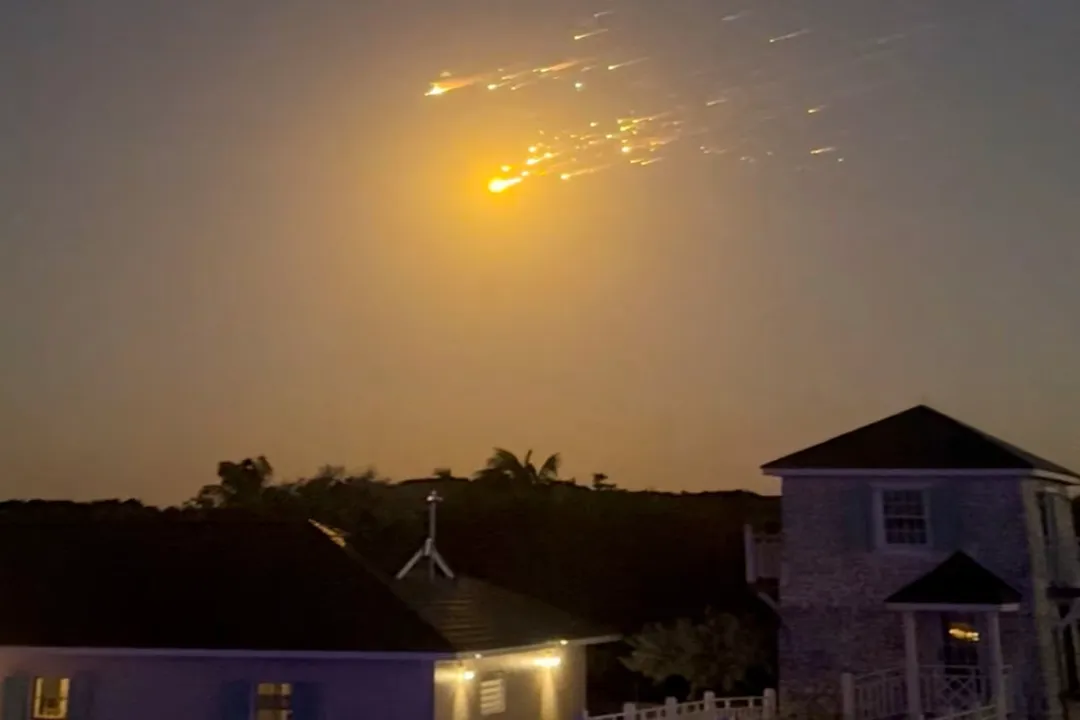
Debris consistently travels to island chains hundreds of miles away from the launchpad
The consistent occurrence of debris traveling significant distances, such as reaching the Turks and Caicos islands from a launch in Texas, points to a discrepancy in predictive capabilities. If debris consistently deviates so far from expectations and lands outside the intended impact areas, it suggests that the atmospheric modeling used to dictate official 'ground stop' zones and predicted impact areas may be underestimating the drift or downrange capability of certain vehicle components, especially when a catastrophic event or breakup occurs mid-flight. Closing this gap between predicted and actual scatter patterns is crucial for transitioning from experimental tests to operational flights.
#Videos
Several people in the Bahamas witnessed debris from a SpaceX ...
SpaceX rocket explosion leads to ground stops at Florida airports