What causes lighter or highly aerodynamic Starship pieces to drift significantly?
Greater atmospheric drag and wind sheer
The dispersion pattern of rocket debris is heavily dependent on the physical characteristics of the fragments following atmospheric breakup. While larger, denser components generally follow trajectories closely aligned with initial projections, the smaller, lighter components—such as fairing material or non-structural parts—behave very differently. These lighter pieces are subject to significantly greater atmospheric drag as they descend. Furthermore, high-altitude winds exert a strong influence, creating wind sheer effects that carry these components much further downrange from the vehicle's main mass center trajectory. This aerodynamic interaction explains why the final debris footprint often extends across hundreds of square miles, sometimes reaching distant inhabited areas.
#Videos
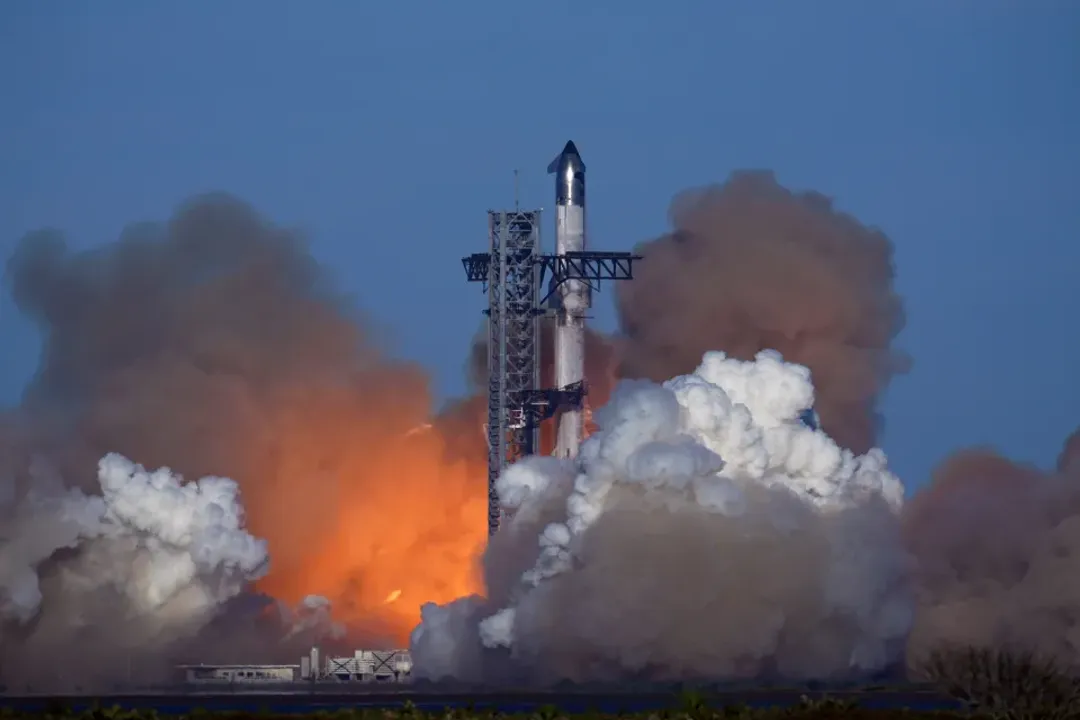
Several people in the Bahamas witness debris from SpaceX ...