Were any bodies recovered from the Challenger disaster?
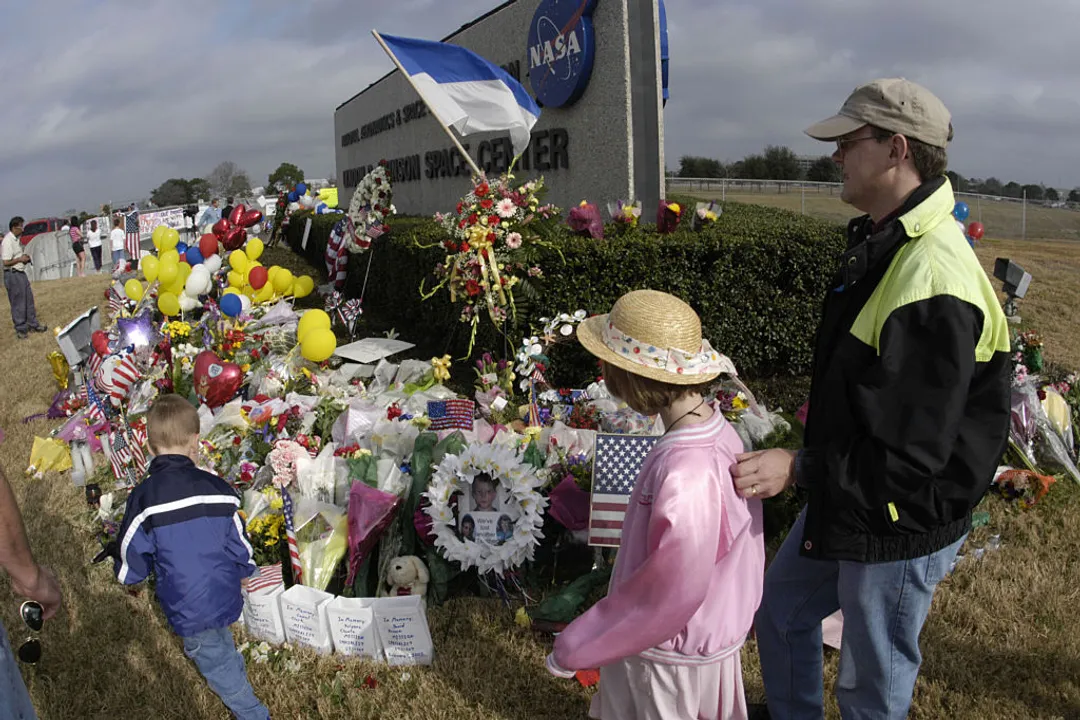
The breakup of the Space Shuttle Challenger on January 28, 1986, resulted in the tragic loss of all seven crew members, and the fate of their remains became a central, sensitive focus following the disaster. [2] The question of recovery was not one of if material from the shuttle would be found, but rather what condition the crew components would be in after the catastrophic disintegration of the orbiter at high speed over the Atlantic Ocean. [1] The answer, which took months to fully confirm, is that yes, human remains were recovered, though not in the form of intact bodies.
# Ocean Search
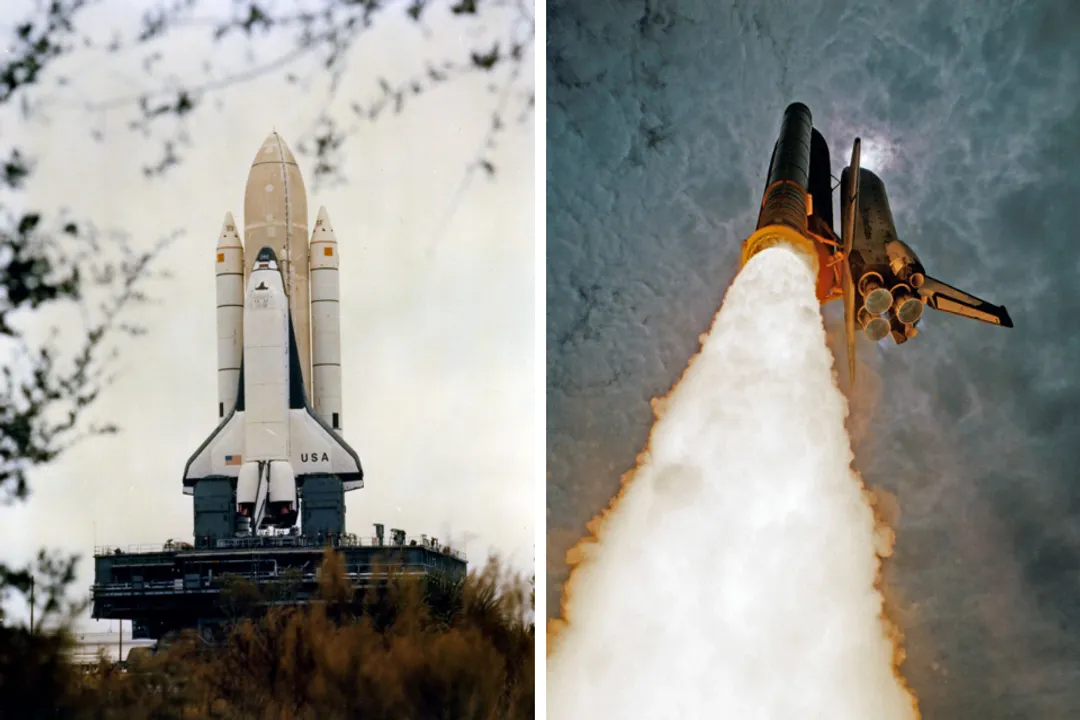
The initial search phase focused on locating the debris field in the Atlantic Ocean, off the coast of Florida, where the shuttle broke apart approximately 73 seconds into its flight. [2] The recovery effort was immense, involving the US Navy and the US Coast Guard, utilizing advanced sonar and deep-sea assets to systematically map the ocean floor where fragments of the orbiter and the solid rocket boosters had fallen. [4] Sonar mapping was crucial in identifying anomalies on the seabed that indicated submerged wreckage. [4]
The debris field itself was vast, spread across many miles of ocean floor, with parts of the wreckage resting at significant depths. [1][4] The recovery process was not simple; the debris was scattered and often buried in the sediment of the deep ocean floor, complicating the lifting operations. [4] As the search continued through the cold early months of 1986, pieces of the structure and, heartbreakingly, human remnants began to surface alongside the hardware. [1]
# Recovery Methods
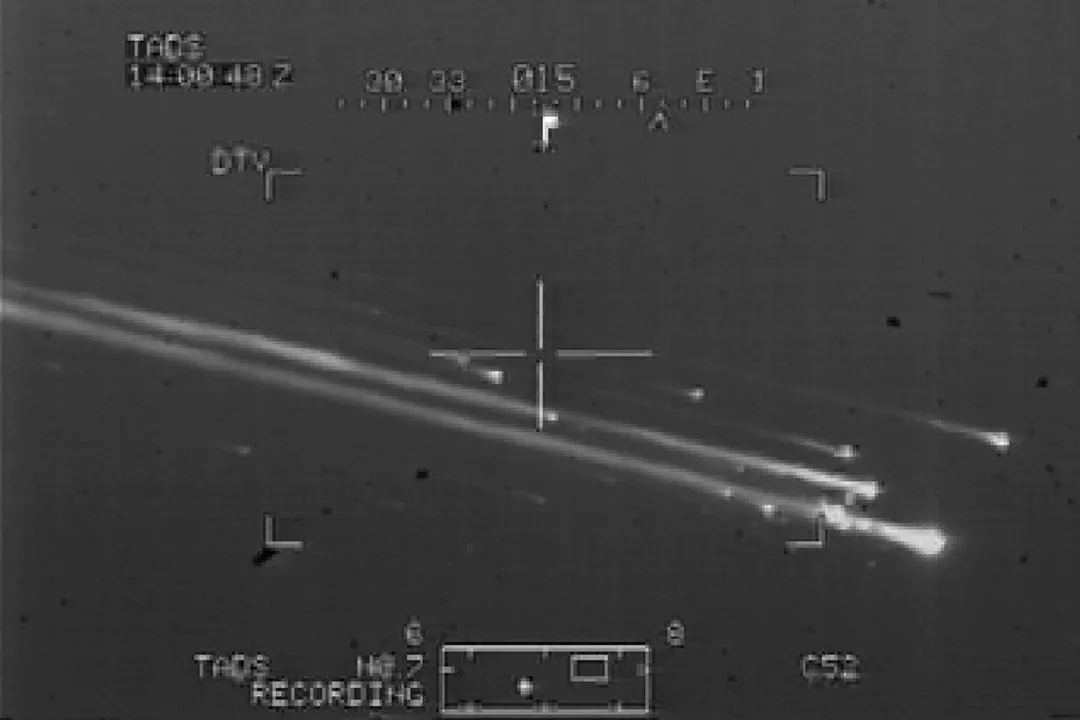
The technical challenges of retrieving material from the ocean bottom were considerable for the time. Specialized deep-sea vehicles and equipment were essential to sift through the seabed and bring up the wreckage. [4] It is worth noting that the technology available in the mid-1980s for precise, deep-sea salvage, while competent, required painstaking, slow operations compared to the remotely operated vehicles (ROVs) common today. [4] This meant that every piece brought to the surface, whether a segment of wing or a personal effect, represented a significant logistical accomplishment executed under immense pressure. [4] The Navy's involvement ensured that the search utilized naval expertise in deep-sea recovery, crucial for an incident that occurred so far offshore. [4]
# Remains Condition
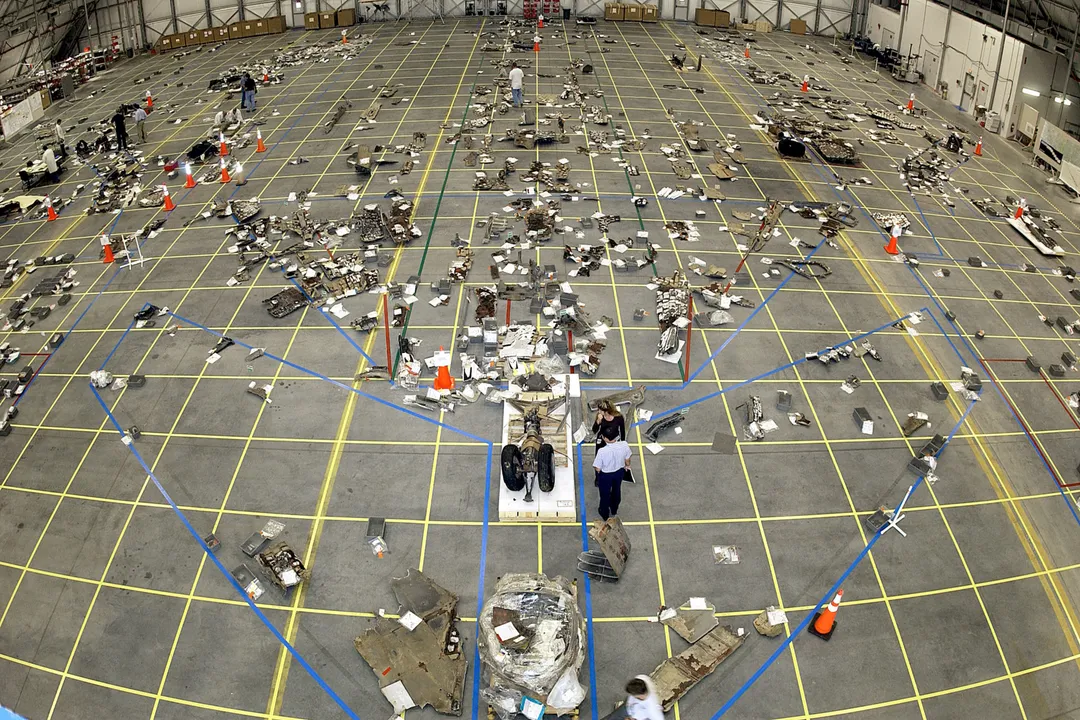
The physical condition of the crew members at the time of recovery was a direct consequence of the forces involved in the breakup. The Challenger disintegrated at a velocity where the aerodynamic stress was overwhelming. [1] As a result, the crew compartment separated from the rest of the vehicle, but the crew themselves were subjected to catastrophic structural failure and rapid deceleration. [1][4]
Consequently, the human remains recovered were often severely fragmented. [1][4] They were not recovered as whole individuals. This reality underscored the violence of the event, making identification an incredibly delicate forensic task. [1] While many people might imagine a recovery mission bringing back intact, identifiable forms, the reality of such a high-speed, high-altitude structural failure meant that only small, identifiable segments were found among the ocean debris. [1] The recovery operation managed to bring up approximately 60 percent of the total human remains, a grim metric that speaks to the forces at play. [1]
# Identification Hurdles
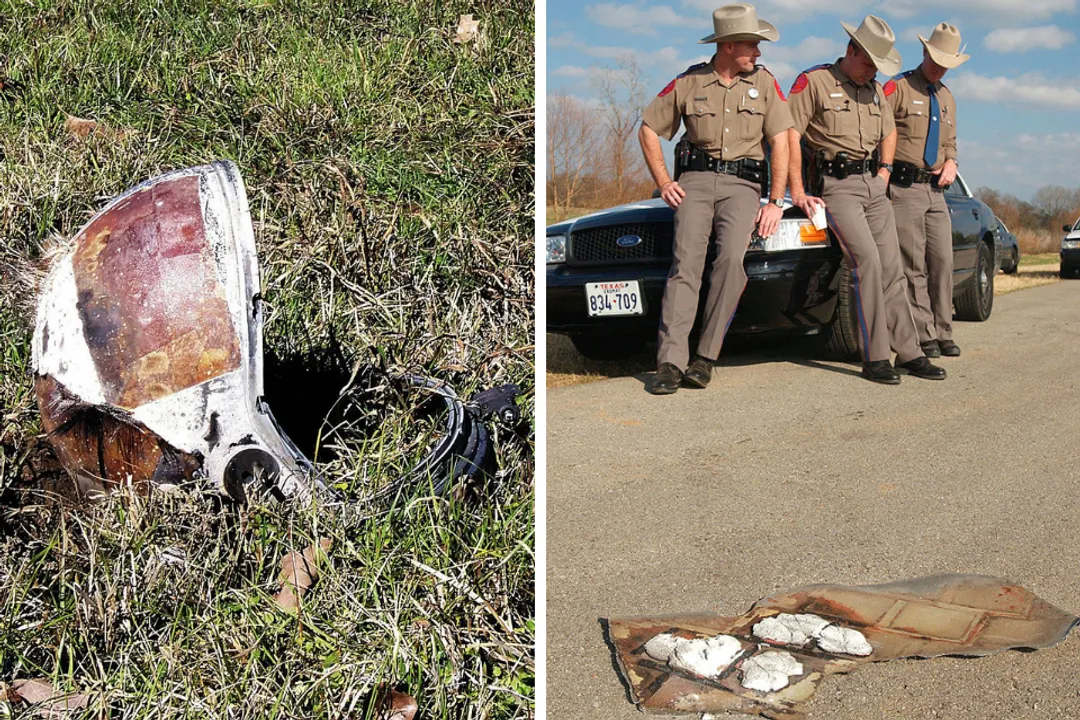
Given the fragmentation, the identification process faced extraordinary scientific and emotional challenges. [3] Forensic specialists relied heavily on sources of identification that could survive the trauma and submersion, primarily dental records and personal effects like jewelry or rings. [1][3] Standard visual identification based on facial features or fingerprints was largely impossible. [4] Every fragment that could possibly belong to a crew member was cataloged and subjected to forensic analysis, including matching bone fragments to dental records—a painstaking process requiring expert consultation. [3][4] The ability to link recovered tissue fragments to specific individuals rested almost entirely on these unique identifiers, demonstrating a high level of forensic expertise applied under extreme circumstances. [3]
# Final Status
By April 1986, nearly three months after the disaster, NASA officially announced that all crew remains had been recovered. [5] This announcement clarified that while the state of the remains was tragic and required extensive forensic work, the physical components belonging to the seven astronauts and mission specialist were no longer missing in the ocean depths. [5] This declaration, made by NASA officials, marked a significant, albeit somber, closure to the search phase of the recovery operation, confirming that the extensive search had concluded with the retrieval of everything possible from the Atlantic floor. [5]
The contrast between the public expectation of finding the shuttle and the grim reality of what was actually recovered—a mixture of shattered metal and biological fragments—provides a sharp lesson in the unforgiving nature of spaceflight failure. While NASA confirmed the recovery of all crew material, the sheer amount of effort dedicated to identification highlights that recovery of the physical presence did not equal the recovery of a recognizable human form. This is a vital distinction: the maritime operation succeeded in gathering the physical evidence from the deep, but the forensic lab bore the immense burden of putting the shattered identities back together for the families. [1][4] The success of the forensic team in positively identifying every crew member, despite the odds presented by the impact and subsequent submersion, remains a quiet testament to the dedication of the teams involved in the aftermath of the catastrophe. [3]
#Videos
What Happened to the Bodies of the Challenger Disaster Crew
What Happened To The Bodies Of The Challenger Crew? - YouTube
Related Questions
#Citations
Is it publicly known what condition the Challenger crew's bodies ...
Space Shuttle Challenger disaster - Wikipedia
What Happened to the Bodies of the Challenger Disaster Crew
How were the bodies of the Challenger crew found? - Quora
ALL SHUTTLE CREW REMAINS RECOVERED, NASA SAYS
Columbia Space Shuttle Disaster Dead Bodies: Where Did Debris ...
What Happened To The Bodies Of The Challenger Crew? - Grunge
Were the Challenger astronauts' bodies found intact? - Brainly