What was the worst NASA disaster?
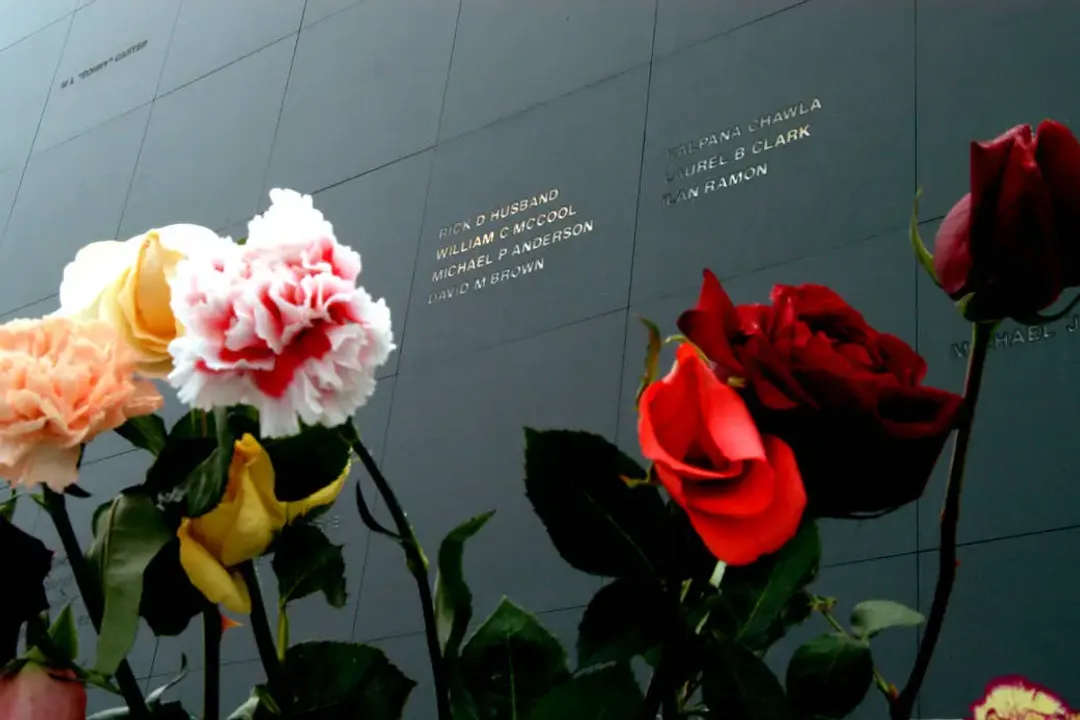
The history of human spaceflight, while marked by incredible achievements, is perpetually shadowed by the inherent dangers of venturing beyond Earth’s atmosphere. When examining the worst NASA disasters, two events involving the Space Shuttle program stand out, each claiming the lives of seven crew members and fundamentally altering the agency’s trajectory: the Challenger disaster in 1986 and the Columbia disaster in 2003. [3][8] While the loss of life in both incidents was tragically identical, the mechanisms of failure and the subsequent investigative findings offered different, painful lessons regarding engineering integrity and organizational safety culture.
# Early Fire
Before the Shuttle era, NASA experienced a chilling reminder of the dangers during the Apollo program. In 1967, the Apollo 1 crew—Virgil "Gus" Grissom, Ed White, and Roger Chaffee—perished in a flash fire that swept through the command module during a launch rehearsal test on the pad. [3] The cabin, pressurized with pure oxygen, ignited due to an electrical spark, killing all three astronauts in moments. [3] While this was a devastating early tragedy, the two subsequent Space Shuttle losses represent the worst single incidents in terms of the sheer number of lives lost in a U.S. space mission, with seven crew members dying in each case. [3][8]
# O-Ring Failure
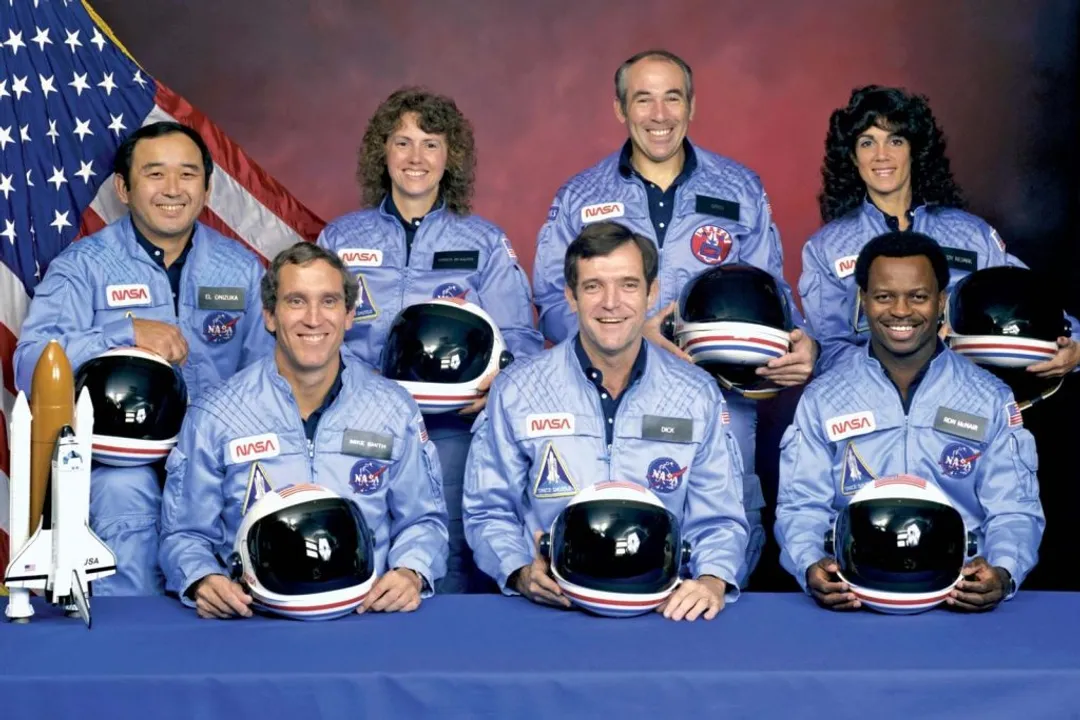
The Space Shuttle Challenger mission, STS-51L, ended just 73 seconds after liftoff on January 28, 1986. [1][2] The cause was traced directly back to a failure in one of the Solid Rocket Boosters (SRBs). [1] Specifically, the critical O-rings, which functioned as seals in the SRB joints to prevent hot gases from escaping, failed to seal properly. [1][2]
The primary contributing factor was the unusually cold weather on launch morning in Florida. [1] These rubber O-rings became brittle in the low temperatures, losing their elasticity and ability to rebound and seal the joint when the solid propellant ignited. [1] This allowed superheated gas to escape, eventually burning through the external tank and the structure connecting the SRB to the Orbiter. [1][2] The resulting aerodynamic forces caused the vehicle to break apart. [2]
The investigation, led by the Rogers Commission, revealed a deeply concerning pattern of communication breakdown within NASA and between the agency and its contractors. [1] Engineers at Morton Thiokol, the company responsible for the SRBs, had strongly recommended against launching in the cold, expressing grave concerns about the O-ring performance, but these warnings were reportedly overruled by management prioritizing the launch schedule. [1] This organizational dynamic, where dissenting technical opinions were suppressed, became a major focus of the ensuing safety review. [1]
# Re-entry Breakup
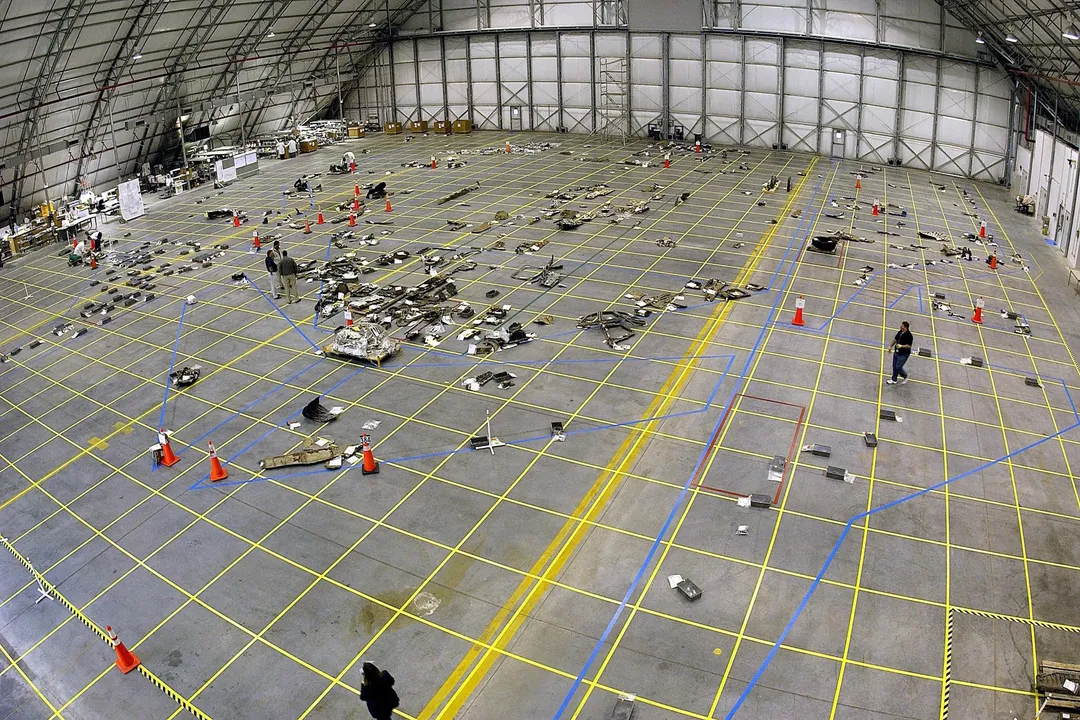
Nearly seventeen years later, the Space Shuttle Columbia, mission STS-107, suffered its catastrophic failure during re-entry into the Earth's atmosphere on February 1, 2003. [9] All seven astronauts aboard were lost. [9] Unlike Challenger's explosive ascent failure, Columbia's destruction occurred as it was nearing the end of its mission. [9]
The root cause was traced back to the launch phase itself, occurring just 81 seconds into the flight. [9] During liftoff, a piece of insulating foam broke off from the massive External Tank and struck the leading edge of the shuttle’s left wing. [9] This impact created a breach in the Thermal Protection System (TPS) on the wing. [9] While the crew and mission control were aware of the foam strike, initial assessments deemed the resulting damage survivable. [9]
However, during the intense heat and aerodynamic stress of re-entry, superheated gas penetrated the compromised wing structure. This led to the structural breakup of the vehicle. [9] The investigation board, the Columbia Accident Investigation Board (CAIB), highlighted a cultural flaw similar to that seen with Challenger: a failure to appreciate the severity of the initial damage and a disconnect between engineering assessment and flight safety decisions. [9]
# Fatal Seven
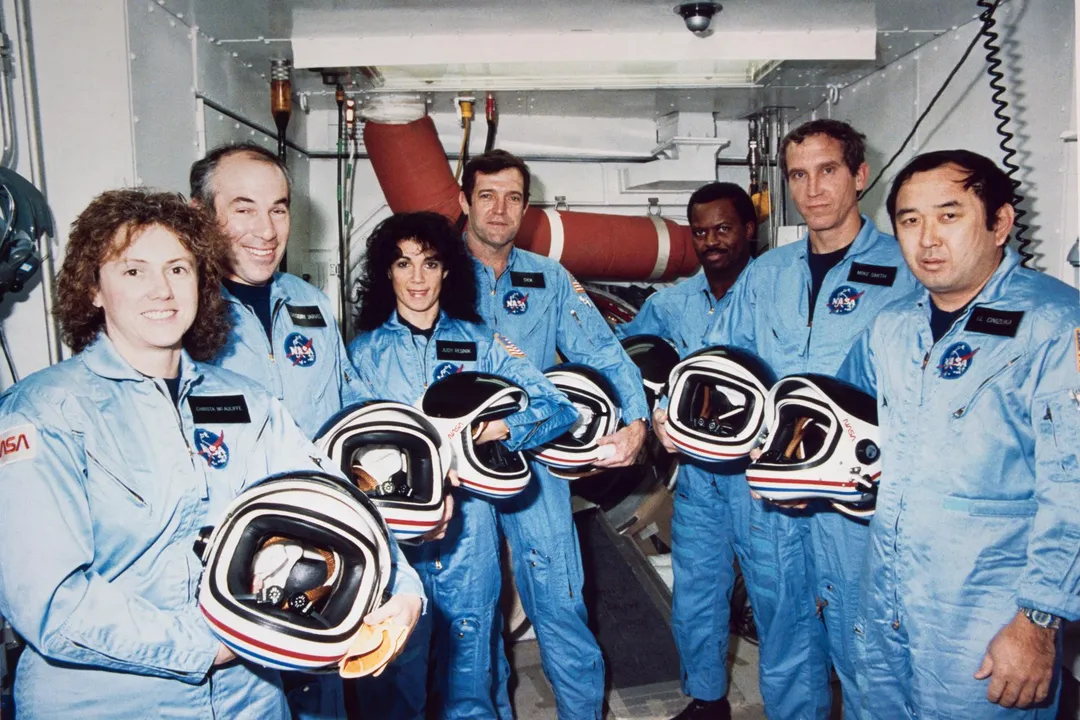
The repeated loss of seven crew members—once in 1986 and again in 2003—serves as a grim numerical marker for NASA’s worst single-event disasters in human spaceflight. [3][8] While Apollo 1 claimed three lives, the Shuttle accidents, happening within the era that was supposed to be routine and reusable, delivered a more profound shock to the public and the agency itself. [3]
The comparison between the two Shuttle losses highlights the vulnerability of complex, novel systems:
| Disaster | Date | Cause Type | Critical Component | Timing |
|---|---|---|---|---|
| Challenger (STS-51L) | Jan 1986 | Component failure due to environment | SRB O-Ring Seal | Ascent (73 seconds) |
| Columbia (STS-107) | Feb 2003 | System damage during launch | External Tank Foam Strike on TPS | Re-entry (after 200 orbits) |
The Challenger failure was an immediate, catastrophic event caused by a known, yet ignored, material weakness reacting to an external stressor (cold). [1] Columbia was a slow-burn failure; the injury occurred at launch, but the fatality manifested hours later during the most high-stress part of the return profile. [9] In both cases, the technical failure stemmed from a failure to adequately design for, or react to, a pre-existing flaw in the flight hardware. [1][9]
# Design Flaw
Analyzing these events reveals a distinction in the nature of the design risk that proved fatal. The Challenger incident centered on a component risk—the O-ring’s material properties under specific thermal conditions were insufficient for the operating envelope NASA was pushing. [1] The solution, though technically complex to implement, was conceptually narrow: fix the seal. The investigations after 1986 focused heavily on improving the physical integrity of the SRB hardware and bolstering the decision-making structure around accepting thermal risk. [1]
The Columbia event, however, demonstrated a systems integration risk. The foam shed was a known phenomenon; the danger lay in how that impact interacted with the Thermal Protection System—a structure designed to keep the ship intact. The system was not robust against impacts that were considered minor by some metrics but proved devastating in combination with re-entry heating. [9] This suggests that even after the first tragedy forced improvements in process safety, the sheer complexity of the Orbiter—a collection of parts designed by different teams over decades—created an environment where small, seemingly isolated incidents could cascade into total loss because the necessary protective layers were not fully integrated or respected across the vehicle’s entire mission profile. [9]
# Culture Cost
The aftermath of both tragedies reveals a measurable organizational toll beyond the human cost. Following Challenger, spaceflight was suspended for over two and a half years, with the first return to flight, STS-26, occurring in September 1988. [1] This period allowed for the redesign of the SRBs and a significant overhaul of safety protocols and management oversight. [1]
Following Columbia, the hiatus was even longer, stretching to over four years before STS-114 launched in July 2005. [9] This extended grounding points to a greater difficulty in resolving the issues surrounding Columbia. While the SRB redesign was a complex engineering task, rebuilding trust around the entire shuttle design—especially the TPS and the management structures that dismissed the initial damage—required more extensive, perhaps more philosophical, changes. [9] This increased downtime suggests that the organizational scars left by the second tragedy were deeper, requiring a longer period to regain the necessary confidence among engineers, managers, and the public to deem the system safe enough for flight once more. The space program always carries immense risk, but the recurring pattern shows that managing the culture of risk assessment is as vital as designing the hardware itself. [1][9]
#Videos
Infamous NASA Disasters That Were Worse Than You Realize
Related Questions
#Citations
Space Shuttle Challenger disaster - Wikipedia
Challenger STS-51L Accident - NASA
7 Accidents and Disasters in Spaceflight History - Britannica
Infamous NASA Disasters That Were Worse Than You Realize
39 years ago today. The Space Shuttle Disaster. A Video Essay
Space Shuttle Columbia Disaster on February 1, 2003 - Facebook
The Worst NASA Accidents: Catastrophic Failures That Led to the ...