What is the mission of ISRO and ESA?
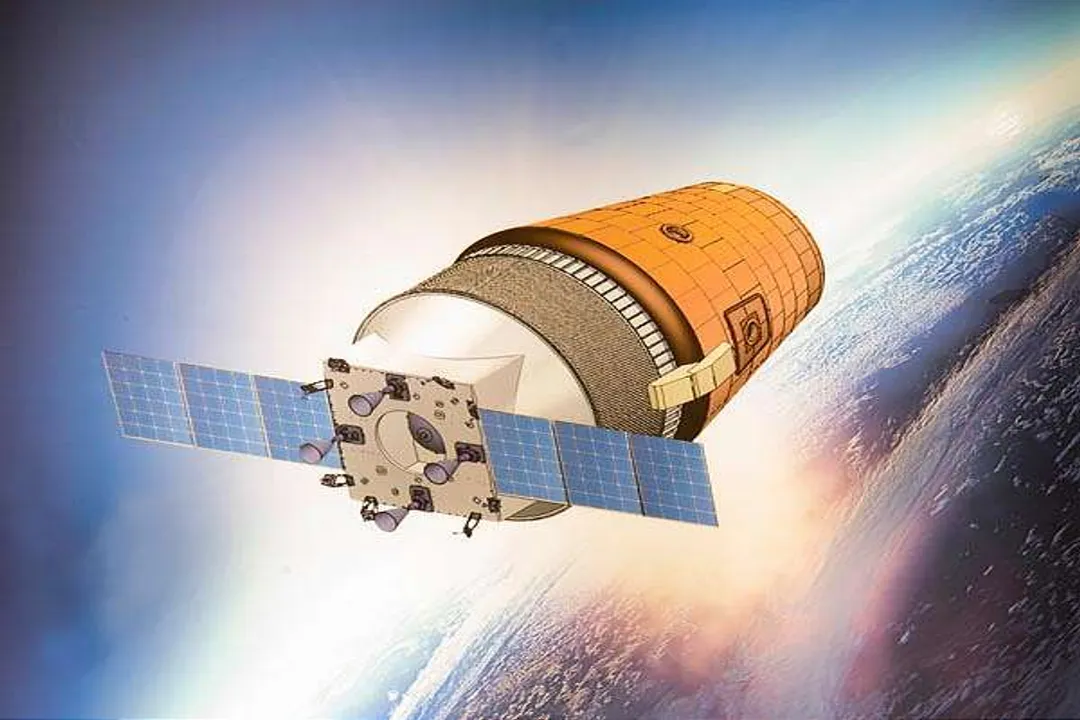
The world of space exploration is often framed by the endeavors of national powerhouses, yet the partnership forming between the Indian Space Research Organisation (ISRO) and the European Space Agency (ESA) highlights a growing reality: complex, ambitious missions now require international pooling of expertise and resources. While both agencies share the overarching goal of pushing the boundaries of scientific knowledge and technological capability, their origins, structures, and immediate priorities lead to distinct approaches, making their recent alignment particularly noteworthy. [1][2]
The Indian Space Research Organisation, a key institution in India’s scientific landscape, operates with a foundational mandate centered on space technology development and its application for the nation's progress. [7] This involves everything from operationalizing communication and Earth observation satellites to executing high-profile planetary missions like the Mars Orbiter Mission and the Chandrayaan series. [7] ISRO’s focus has historically been characterized by achieving significant milestones with resource-conscious, indigenous development, culminating in its ongoing preparation for crewed spaceflight. [7][5]
# Agency Mandates
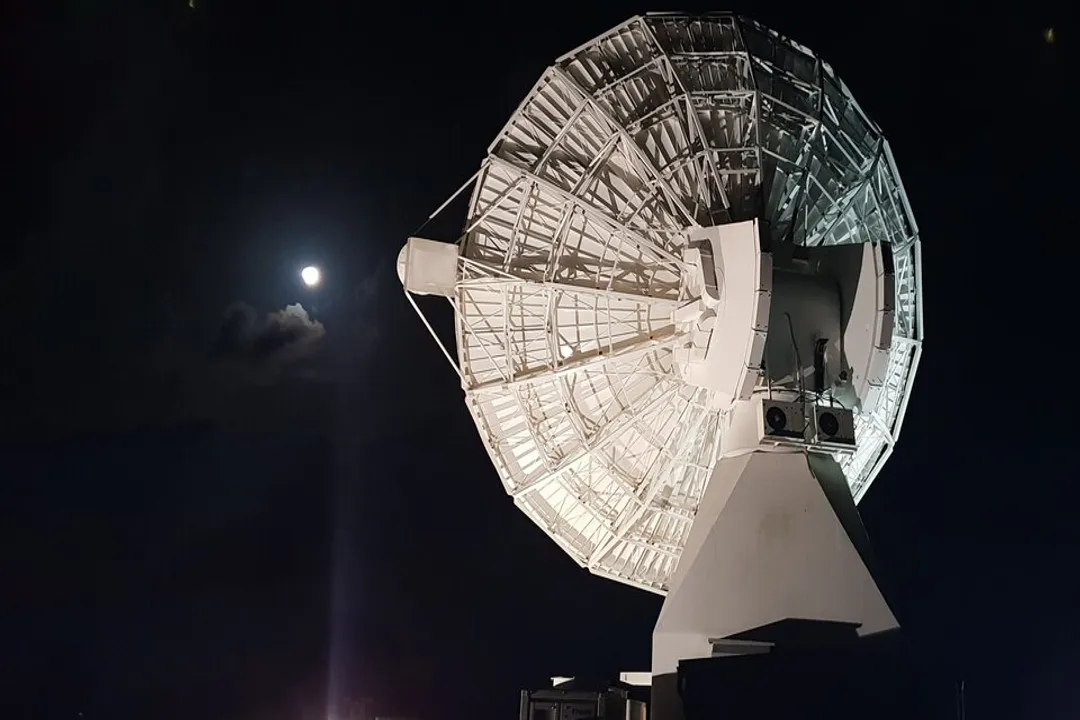
ESA, conversely, functions as an intergovernmental organization representing several European nations. [2] Its mission naturally involves coordinating the diverse scientific and technological capabilities of its member states across various domains, including launch systems, Earth observation, navigation (like Galileo), and deep space science. [2] While ISRO's primary accountability rests with the Government of India, ESA manages a broad portfolio guided by agreements among participating countries, giving it a multinational character that shapes its operational scale and decision-making processes. [2]
This difference in structure offers an interesting analytical point: when ISRO undertakes the development of an entirely new, complex capability—such as a human-rated spacecraft—it typically relies on an internal, centralized drive. ESA, in contrast, often integrates pre-existing, specialized contributions from its constituent national agencies, leading to a different tempo in development, though perhaps a wider breadth of pre-existing expertise to draw upon when seeking partners. [1][2]
# Cooperation Agreement
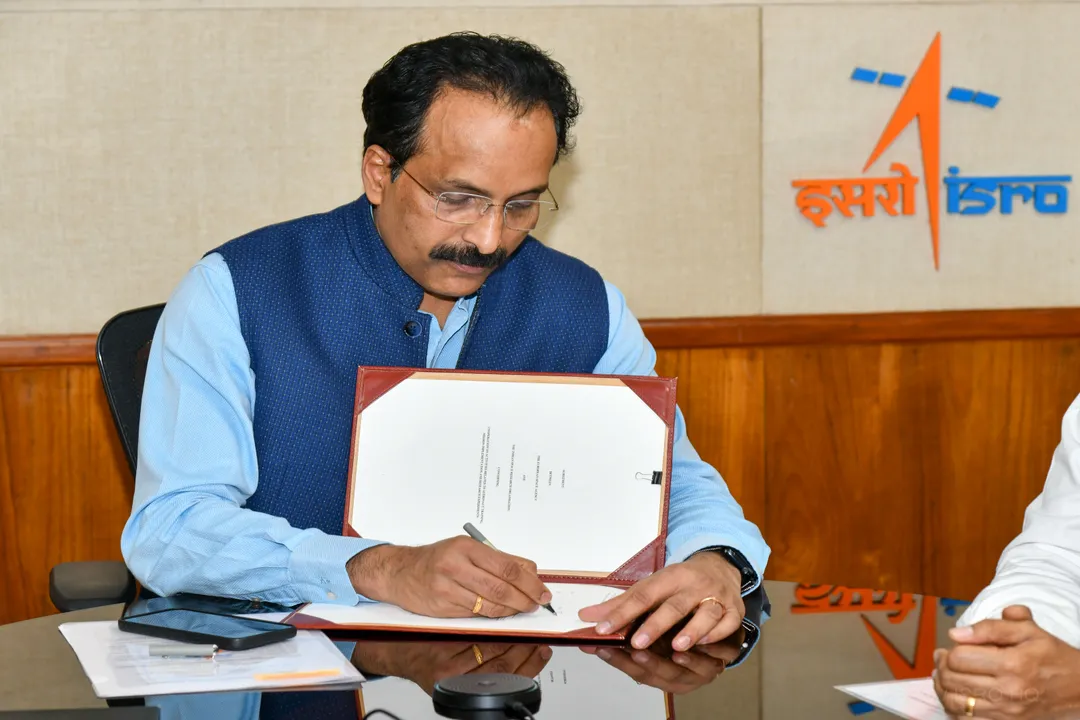
The concrete manifestation of this evolving relationship is the formal Cross-Support Agreement signed between the two agencies. [2][3] This agreement formalizes and streamlines support mechanisms for future space missions undertaken by either party, building upon existing frameworks. [2][3] Such structured agreements move collaboration beyond ad-hoc arrangements into a more predictable environment, essential for long-duration projects like human spaceflight. [1]
A major immediate outcome of this renewed partnership centers squarely on India's ambitious Gaganyaan program, the nation’s first crewed space mission. [1][4][5] ESA has publicly committed to providing support to ISRO for these upcoming human spaceflight endeavors. [1][4] This isn't merely symbolic; it involves tangible, technical assistance that directly addresses areas where European expertise is well-established. [4]
# Astronaut Support
The most visible aspect of ESA's commitment involves the training and preparation of ISRO astronauts. [5] The collaboration ensures that Indian crew members benefit from the rigorous training protocols established by ESA, particularly those related to complex operational environments. [1] This training package is comprehensive, covering critical survival skills and operational readiness for space missions. [1][5]
Specifically, ESA astronauts and trainers will engage with their Indian counterparts to provide expertise in areas such as microgravity training, essential for preparing crews for long-duration stays aboard a spacecraft. [1][5] Furthermore, survival training in terrestrial environments, simulating emergency landing scenarios, is a key component that ESA will contribute. [1] This exchange of specialized training knowledge represents a significant value transfer, enabling ISRO to rapidly mature its astronaut corps capabilities for the Gaganyaan missions. [5]
While ISRO has its own training infrastructure, integrating ESA's established methods, which have been refined over decades across numerous Soyuz and International Space Station (ISS) missions, provides an invaluable shortcut to operational readiness for their first crewed flight. [1][4] This mutual respect for capabilities—ISRO for its launch proficiency and quick development cycles, and ESA for its deep operational experience in human spaceflight safety—is the bedrock of this agreement. [2][3]
# Shared Trajectories
It is worth noting that while Gaganyaan is the immediate focal point, the Cross-Support Agreement is designed to be broad, covering potential exchanges of data, support for specific mission elements, and the sharing of technical documentation where appropriate. [2][3] This suggests that the partnership is not a single transaction focused only on the current Gaganyaan launch window but rather an investment in a long-term working relationship across various space applications, from science probes to potential future orbital activities. [9]
When considering the broader picture of global space infrastructure, this type of bilateral support is becoming increasingly common, reflecting a world where no single agency can independently master every technological domain required for cutting-edge space exploration. [7] ISRO, while striving for self-reliance, recognizes the efficiency gained by leveraging established partner capabilities in specialized niches like crewed mission safety protocols. [1][5] Conversely, ESA gains a strong partner in launch capabilities and a foothold in one of the world’s fastest-growing space economies. [3] The presence of an ISRO astronaut potentially flying on a future commercial or international mission, perhaps trained partly through ESA frameworks, exemplifies how these specialized relationships begin to weave a more interconnected global access to space, moving away from purely national outposts toward shared operational spaces. [4] This level of institutional trust, evidenced by sharing detailed crew safety procedures, speaks volumes about the strategic commitment both parties are making to ensure mission success and crew security, transcending typical academic or purely scientific exchange. [1][2]
The fusion of ISRO’s drive for national technological sovereignty with ESA’s established, multinational operational mastery is setting a powerful precedent for how emerging space powers will integrate into the existing global structure, prioritizing shared safety standards as they venture into new territory like sustained human presence in low Earth orbit. [4][5]
#Videos
ESA to Support India's Gaganyaan Mission with Ground Tracking
Related Questions
#Citations
ESA to support Indian human spaceflight missions
ISRO-ESA Agreement for Cooperation on Activities related to ...
ESA and ISRO Signs the New Cross-Support Agreement for Future ...
ESA to collaborate with ISRO on Gaganyaan missions - Space Daily
Isro and ESA Collaborate on Astronaut Training and Space Missions
ESA to Support India's Gaganyaan Mission with Ground Tracking
ISRO - Wikipedia
ISRO to Conduct Research on Ax-4 to Support Long-Duration Space ...
ISRO, ESA forge partnership to propel human spaceflight ...