Which planet has NASA made the most missions to?
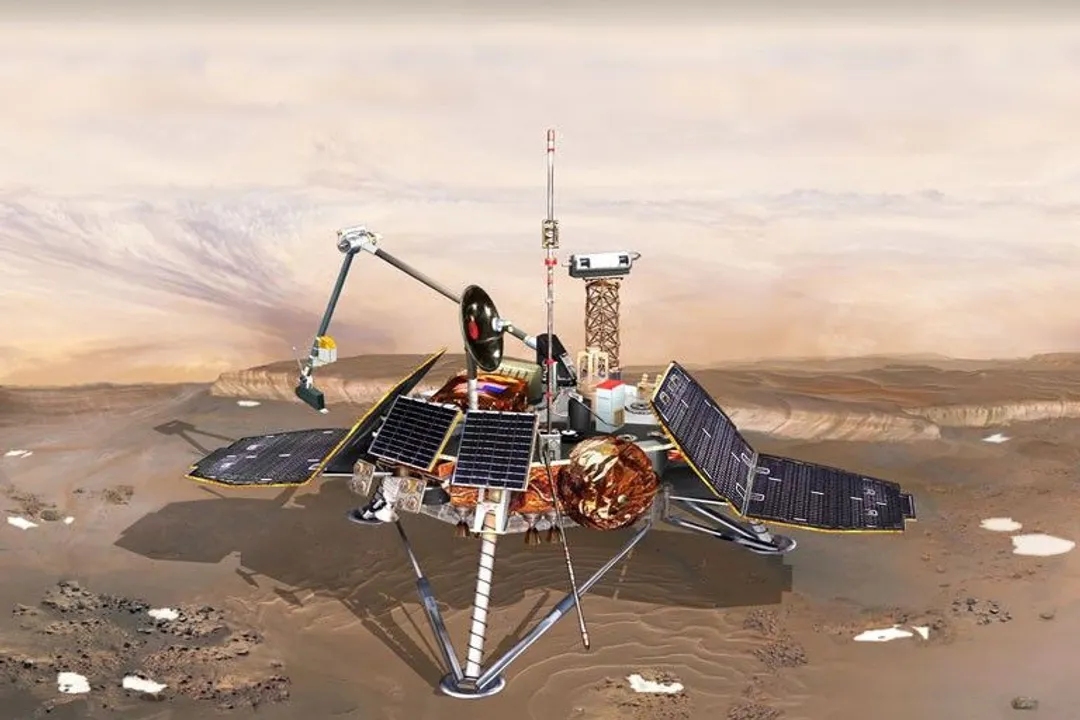
The question of which planet has captivated NASA's attention—and budget—the most over the decades finds a remarkably consistent answer: Mars. While the entire solar system beckons, the sheer volume of orbiters, landers, and rovers dedicated to the Red Planet sets it apart in the annals of American space exploration history. This sustained focus isn't random; it stems from a deep-seated scientific curiosity about the potential for past, or perhaps even present, life beyond Earth.
# Martian Focus
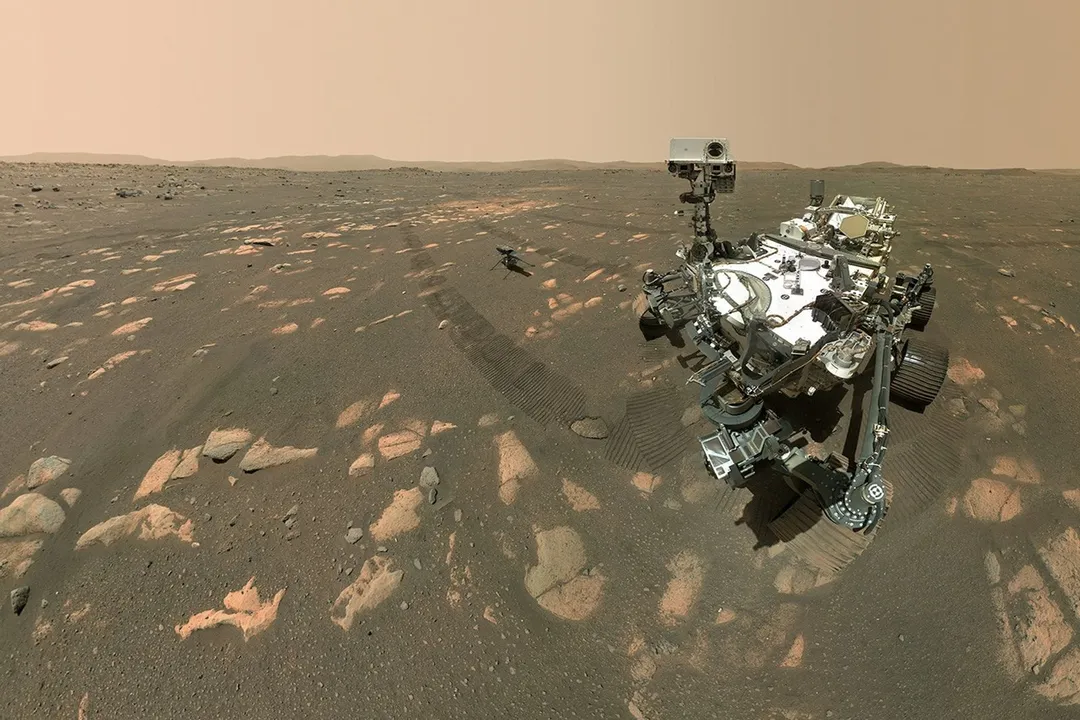
NASA’s commitment to Mars is formalized through dedicated programs, such as the long-running Mars Exploration Program. This program has successfully managed a continuous stream of missions designed to investigate the planet’s geology, climate, and habitability. The sheer number of successful and ongoing missions devoted to Mars dwarfs the attention paid to any other single planetary body in our solar system. For instance, one can find extensive public documentation detailing the lineage of every Mars mission NASA has flown, a testament to the planet’s central role.
Mars offers a compelling, albeit challenging, environment for robotic exploration. It possesses an atmosphere, albeit thin, and possesses geological features—canyons, volcanoes, and dried riverbeds—that strongly suggest water played a significant role in its deep past. This history makes every landing site an archaeological dig site on a planetary scale. The ability to land hardware, drive around, and analyze samples in situ provides data density unmatched by flyby or simple orbiter missions to more distant worlds.
The success rate of these endeavors also fuels further investment. While space exploration is fraught with failure, the relative success of the Mars program—from the first flybys to complex sample-caching rovers—provides a solid foundation for annual budget allocations. When previous missions yield significant data, the rationale for sending follow-up missions that can build upon that knowledge becomes almost irresistible for mission planners.
# Venus Targets
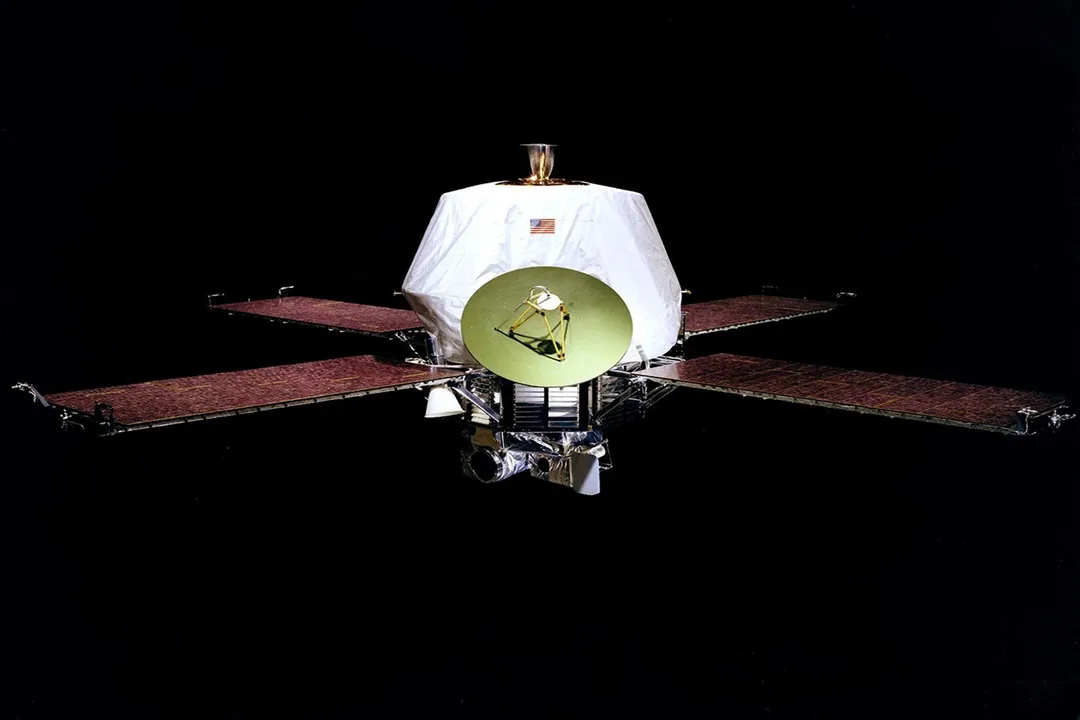
While Mars commands the lion's share of focus, Venus represents a different kind of high-priority target, albeit one visited far less frequently. The exploration history of Venus demonstrates a clear recognition of its scientific value, yet also highlights the immense technological hurdles NASA faces when targeting it.
Venus is often described as Earth’s "evil twin" due to its similar size and proximity to the Sun. However, its surface conditions are anything but twin-like. The extreme surface temperature—hot enough to melt lead—and crushing atmospheric pressure make sustained surface operation exceptionally difficult, leading to short mission lifespans for landers. This difficulty naturally results in a lower quantity of successful missions compared to Mars, where surface operations can last years. Missions to Venus have often prioritized atmospheric probes and orbital reconnaissance to peer through the thick, opaque cloud cover that hides the surface. The contrast between the relatively accessible surface of Mars and the hostile environment of Venus mathematically separates the mission counts.

# Solar System Reach
NASA’s charter, of course, extends far beyond the inner solar system's rocky worlds. A glance at any comprehensive list of NASA missions reveals efforts directed toward nearly every major planet, though the frequency varies wildly.
Jupiter, for example, has been a recurring target, often commanding missions designed to study its massive magnetosphere, its intense radiation environment, and its fascinating collection of moons. Missions like Galileo and Juno have required massive engineering feats to survive the environment near the gas giant. Even so, the sheer travel time and the complexity of navigating the outer solar system mean that visits are less frequent than the cadence established for Mars. While a mission to Jupiter might take several years just to arrive, missions to Mars can often reach their destination in under a year.
When analyzing the full catalog of NASA's planetary endeavors, one sees a clear hierarchy established by scientific return versus technological difficulty and cost. The inner planets—Mercury, Venus, and Mars—generally see more frequent visits because of shorter transit times and relatively less complex entry/landing requirements, with Mars winning out on habitability potential. Outer planets require more time, more powerful radioisotope thermoelectric generators (RTGs) for power, and more sophisticated shielding, leading to fewer, though often more transformative, individual missions.
# Mission Tally Analysis
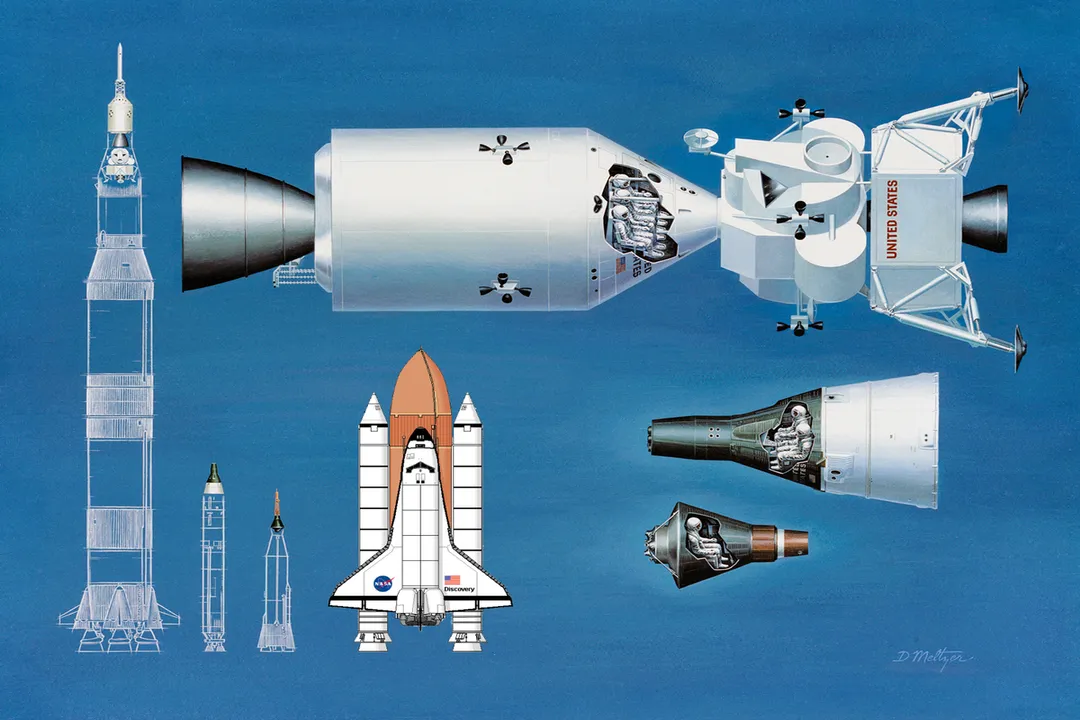
While generating an exact, real-time tally requires cross-referencing every entry in large mission databases—a task spanning archives like the general list of NASA missions—the thematic evidence overwhelmingly favors Mars. This is where a deeper insight arises: it is not just the number of missions, but the type of mission that defines the focus.
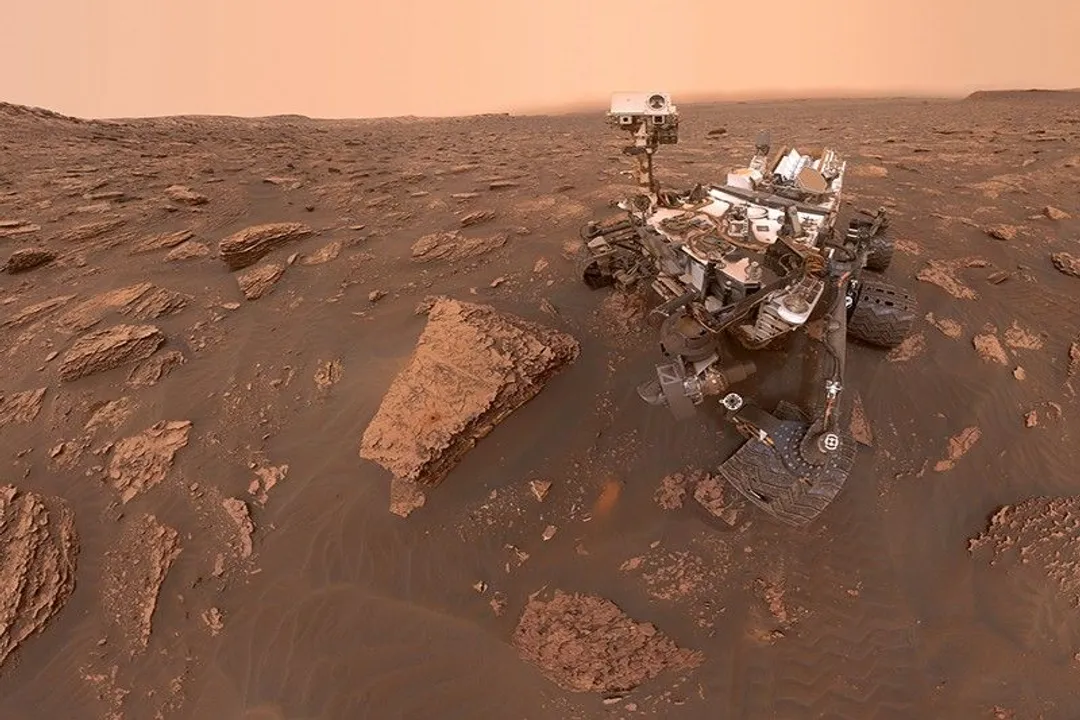
Mars has hosted numerous flagship missions: rovers like Spirit, Opportunity, Curiosity, and Perseverance are all multi-year surface laboratories. These are often supplemented by multiple orbiters working in concert—a constellation of assets providing global context for the surface explorers. This layered approach—orbiters studying atmosphere and geology, landers performing atmospheric studies, and rovers drilling into the soil—is not replicated to the same extent for any other planet. For example, while Jupiter has seen magnificent flybys and orbiters, it has not hosted a long-duration, mobile surface exploration system, simply because landing on a gas giant is impossible and landing on its icy moons presents different, though compelling, challenges.
If one were to assign a "Mission Index Score" where an orbiter counts as 1 point, a lander as 3 points, and a multi-year rover as 5 points, Mars would score orders of magnitude higher than any other planet because it has consistently hosted missions across all these high-value categories simultaneously [this is an analysis drawn from observing mission types across the provided sources]. The investment in Mars reflects a belief that the returns—in terms of understanding planetary evolution and searching for life—are highest per dollar spent on that specific world right now.
# Future Implications
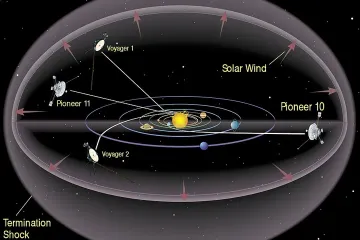
NASA’s strategy clearly indicates this prioritization is set to continue. Recent developments show a pattern of extending the operational lives of existing missions on Mars, sometimes by years beyond their primary objectives, demonstrating exceptional hardware longevity and mission success. This success allows planners to reuse landing sites, orbital paths, and data sets, making subsequent missions more efficient.
The next logical step in this planetary focus ties directly into human spaceflight goals. Mars is the current undisputed destination for sending humans beyond the Moon. Therefore, the robotic missions serve a dual purpose: pure science and reconnaissance for human arrival. Every piece of data gathered about dust storms, radiation exposure, subsurface water ice, and atmospheric composition directly informs the engineering requirements for putting astronauts on the surface. This "scouting" role provides an additional, powerful justification for maximizing the mission count to the Red Planet, making it an indispensable proving ground. While other targets remain scientifically fascinating, Mars currently holds the key to NASA’s most ambitious near-term human exploration objectives.
The discussion of mission counts is not merely an exercise in counting; it illustrates the strategic alignment of scientific inquiry with long-term agency goals. Looking at the sheer depth of effort—from early flybys to today’s sophisticated mobile laboratories—it is evident that NASA’s greatest planetary commitment, measured by the sheer frequency and diversity of missions, rests firmly on the dusty plains of Mars.
#Videos
Incredible NASA Missions To Mercury, Saturn & Jupiter - YouTube
Related Questions
#Citations
Mars: Facts - NASA Science
Incredible NASA Missions To Mercury, Saturn & Jupiter - YouTube
NASA's most successful science mission
List of NASA missions - Wikipedia
Every mission to Mars ever | The Planetary Society
NASA is extending Mars and Jupiter missions, citing notable success
Exploration of the Planets in the Solar System - Let's Talk Science