Which planets has NASA explored?
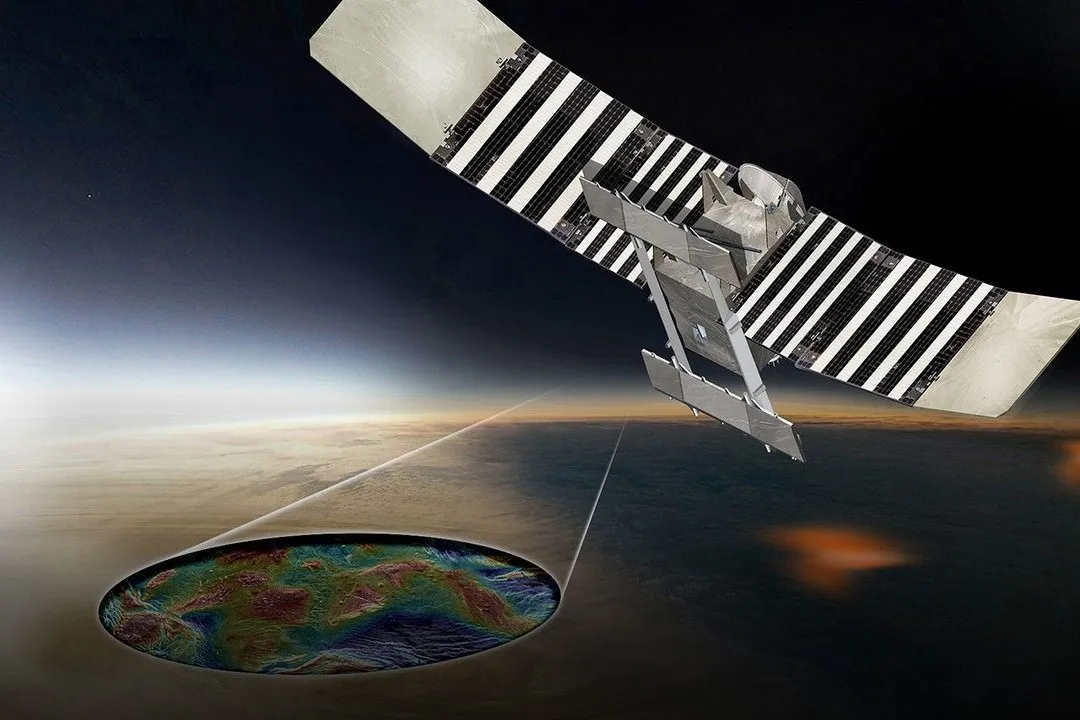
The scope of planetary exploration driven by the National Aeronautics and Space Administration (NASA) is vast, encompassing everything from our immediate celestial neighbors in the Solar System to countless distant worlds orbiting faraway stars. This dual focus defines much of modern space science, with intensive robotic missions characterizing nearby objects while powerful telescopes search the galaxy for new planetary systems. [2] The distinction between visiting a planet up close with a lander or orbiter and confirming the existence of a planet light-years away marks two very different types of exploration, both central to NASA's mandate. [1][6]
# Solar System
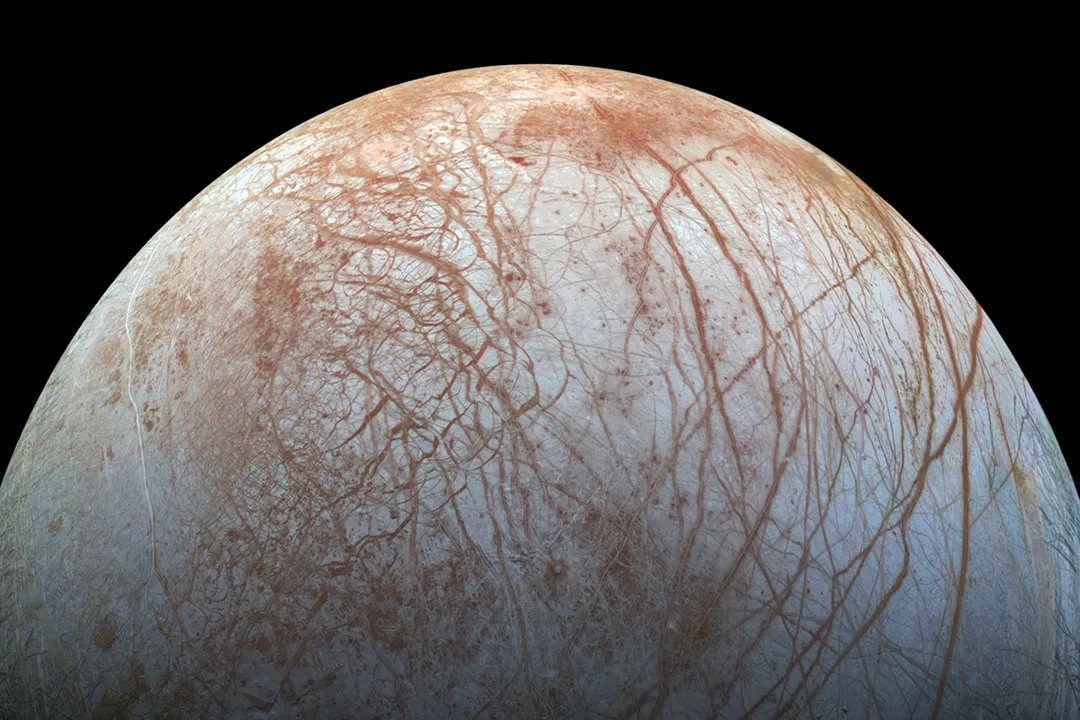
NASA's efforts within our own cosmic backyard have yielded some of the most tangible results, involving spacecraft physically orbiting, flying by, or landing on other worlds. [2][7] While Earth is our home, the agency has directed numerous missions toward the other major bodies in our Solar System. For instance, Mars has been the subject of intense, sustained investigation, featuring orbiters, landers, and rovers designed to search for signs of past or present water and habitability. [2]
The inner, rocky planets have received varied attention. While Venus has been studied extensively through various orbiters and atmospheric probes over the decades, a full suite of missions hasn't been dedicated to every terrestrial world simultaneously, unlike the long-running Mars program. [2] On the other end of the spectrum, the gas and ice giants—Jupiter, Saturn, Uranus, and Neptune—have primarily been targets of flyby or long-term orbital surveys, allowing for detailed atmospheric and magnetic field mapping by flagship missions. [2] Saturn, for example, hosted the groundbreaking Cassini mission for years, providing unprecedented data about the ringed planet and its moons. [2]
When looking at the inventory of explored Solar System bodies, it's interesting to contrast the depth of study. We have sent sophisticated landers to the surface of Mars and probes into the atmospheres of Venus, yet our understanding of the outer ice giants, Uranus and Neptune, still heavily relies on the single Voyager flybys, supplemented more recently by specialized orbiters like Galileo at Jupiter or Cassini at Saturn. [2] This difference in mission cadence suggests a prioritization based on proximity, potential for life, or technological feasibility at the time of planning. [9]
# Distant Worlds
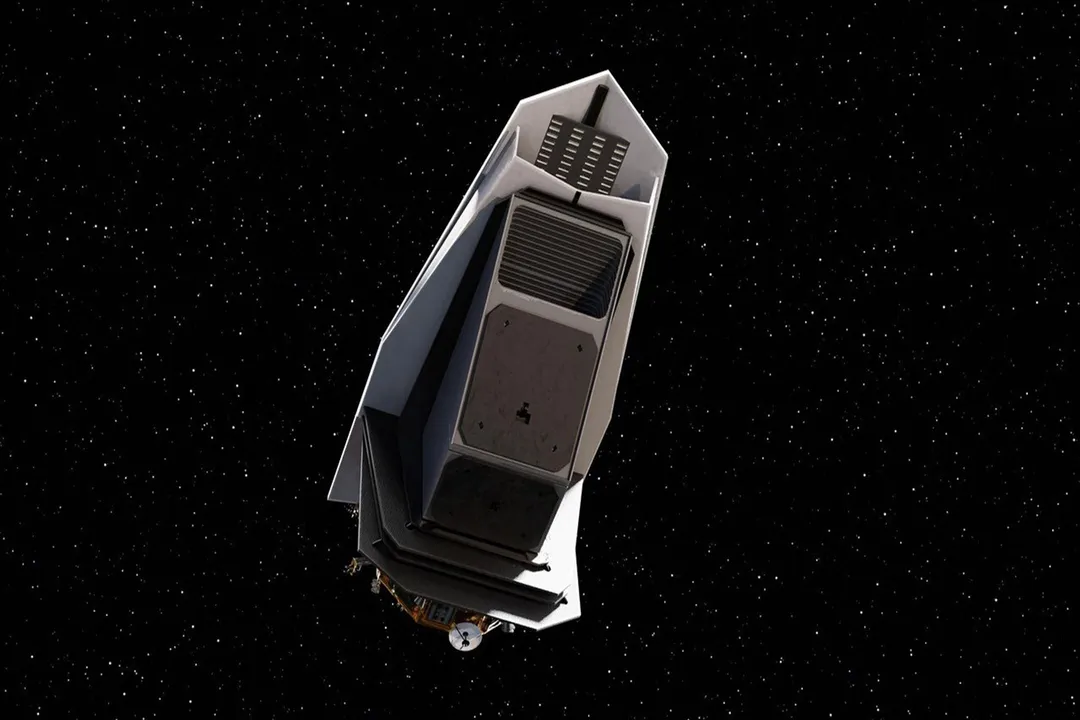
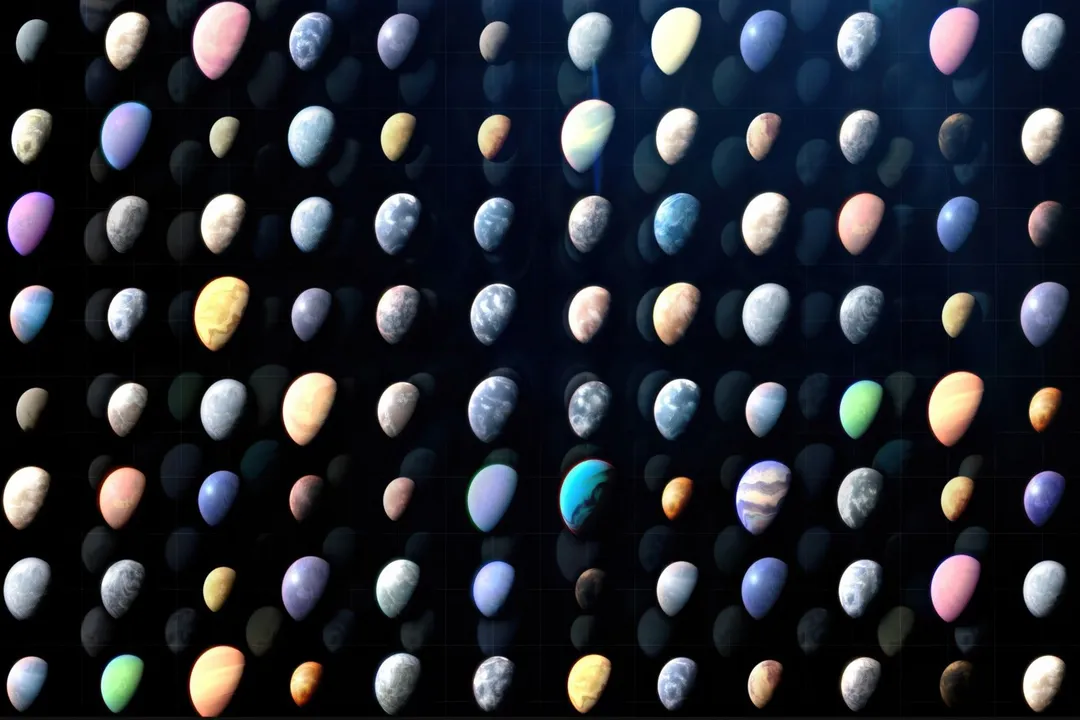
Shifting focus far outward, NASA has become the leading cataloger of planets orbiting stars other than the Sun—the exoplanets. [1] This realm of discovery is characterized not by physical landing, but by painstaking remote sensing and data analysis from powerful space-based observatories. [5] The sheer scale of this exploration is staggering; NASA officially reports reaching a tally of over 6,000 confirmed exoplanets. [3][5]
This monumental number is a testament to the success of specialized survey missions. The Kepler Space Telescope, followed by missions like TESS (Transiting Exoplanet Survey Satellite), observed tiny dips in starlight caused by a planet passing in front of its host star—a method known as the transit technique. [1][5] Every confirmed detection adds to the Exoplanet Archive, which serves as the central repository for this astronomical data, allowing scientists worldwide to access confirmed planet properties. [4]
It is crucial to understand that "exploring" an exoplanet is fundamentally different from exploring Mars. For our Solar System neighbors, exploration involves direct in-situ measurement of surface conditions, magnetic fields, and immediate atmospheric composition. [2] For exoplanets, exploration means using light curves, radial velocity measurements, and transit spectroscopy to infer mass, size, orbital period, and atmospheric components. [1][5] While we know the number of confirmed exoplanets is over six thousand, our knowledge of any single exoplanet's surface conditions remains highly theoretical, based on modeling its density and stellar environment. [4] This represents the next great chapter in exploration: characterizing these distant worlds rather than just counting them. [5]
# Mission Scope
NASA's planetary exploration is executed through a diverse portfolio of spacecraft, often managed through centers like the Jet Propulsion Laboratory (JPL). [9] These missions fall into broad categories: orbiters, landers, rovers, and flyby probes, each designed for specific scientific goals. [2] The agency's catalog of missions, ranging from the historic Apollo program to current endeavors, demonstrates this variety. [6]
The sheer variety of missions undertaken means that data collection isn't limited to just the major planets. Small bodies like asteroids and comets are also crucial targets for understanding the formation history of the entire Solar System, requiring unique, often high-speed, flyby trajectories or dedicated sample-return missions. [7] While some missions might be partnerships with other agencies or organizations like The Planetary Society, NASA is often the driving force behind these large-scale planetary endeavors. [6][7]
Thinking about the distribution of these missions across the Solar System reveals an interesting pattern in strategic investment. Missions targeting the terrestrial planets (Mercury, Venus, Mars) often prioritize the search for past habitability or resource utilization, while those aimed at Jupiter and Saturn focus heavily on understanding ocean worlds like Europa and Enceladus, which may harbor subsurface liquid water. [2] The resources dedicated to these different types of worlds illustrate evolving scientific priorities over the decades, shifting from basic reconnaissance to complex astrobiological investigation. [9]
# New Frontiers
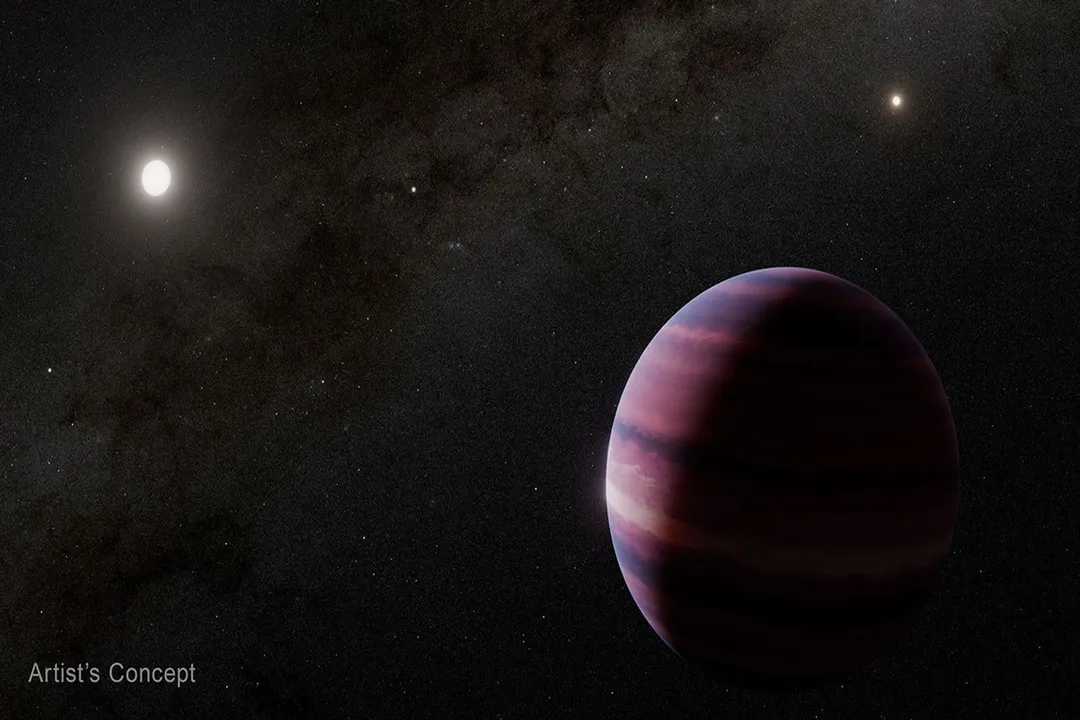
The successful confirmation of thousands of exoplanets is intrinsically linked to the incredible precision achieved by space telescopes. [3] The data being compiled in archives like the one managed by IPAC provides a comparative framework for understanding planetary demographics across the Milky Way. [4] For example, comparing the known population of gas giants in our own Solar System to the often-closer, more massive planets found orbiting other stars (often called "Hot Jupiters") highlights how unique—or perhaps common—our specific planetary arrangement might be. [1][5]
One analytical consideration in this field is the bias inherent in current detection methods. Because transit surveys rely on a planet crossing directly in front of its star from our perspective, we are overwhelmingly more likely to find planets with short orbital periods or very large sizes relative to their star. [1] This means the catalog of 6,000 planets is certainly skewed toward worlds much different from Earth or even Jupiter. The actual galaxy likely contains far more Earth-sized planets in long orbits that remain undetected by current primary techniques. [5] It is this gap—the sample bias—that drives the need for the next generation of extremely sensitive instruments designed to find smaller worlds in more Earth-like orbits. [1]
This duality—the physical visitation of our Solar System versus the remote census of exoplanets—defines the modern NASA exploration portfolio. We are simultaneously placing boots (or wheels) on our immediate neighbors while cataloging an entire galaxy of worlds, setting the stage for future telescopic characterization of truly Earth-like environments. [6]
Related Questions
#Citations
Exoplanets - NASA Science
NASA's Tally of Planets Outside Our Solar System Reaches 6000
NASA Exoplanet Archive
We've officially found 6000 exoplanets, NASA says - Space
Space Exploration Missions | The Planetary Society
A map of every space exploration mission - Reddit
NASA Jet Propulsion Laboratory (JPL) - Robotic Space Exploration ...