What devices are used to explore planets?
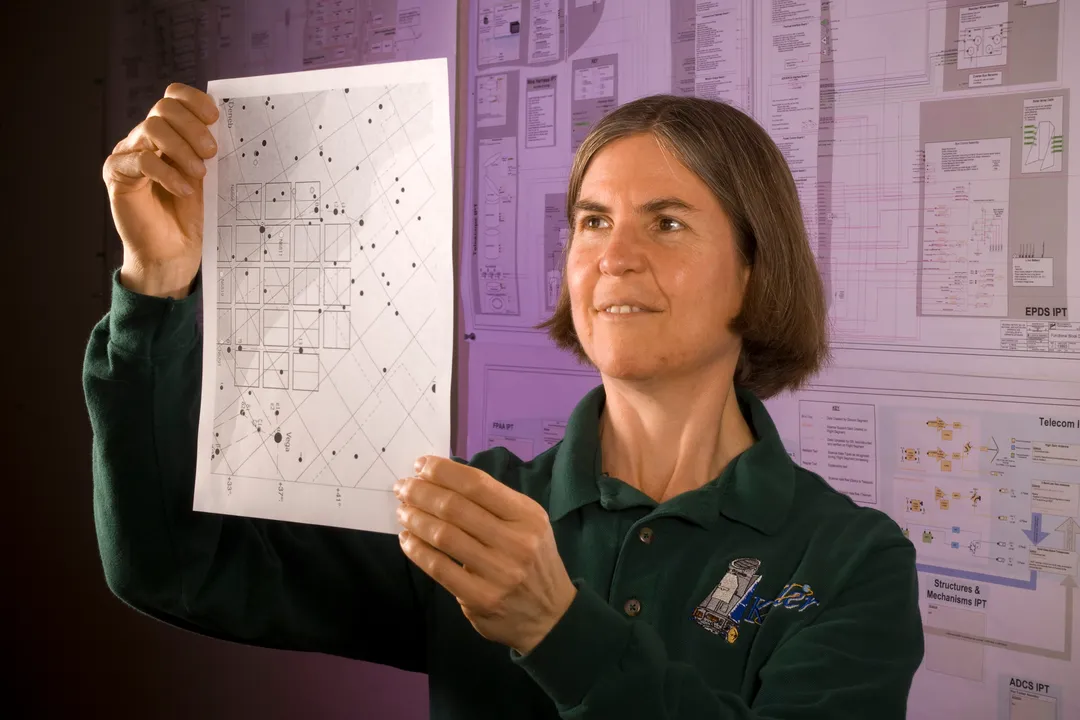
The methods we use to study worlds beyond Earth range from powerful glass and metal structures on our own planet to complex robots venturing deep into the solar system. Every piece of hardware, whether it’s stationed on a mountain top or bolted to a lander on the Martian surface, serves the fundamental purpose of collecting data about distant celestial bodies, painting an ever-clearer picture of our cosmic neighborhood. [4][6] The investigation of planets is not a single enterprise but a layered approach, starting with remote observation and culminating in direct, physical contact.
# Telescopic Viewing
When many people think of planetary observation, they picture a backyard telescope, and indeed, these instruments are the starting point for much public and preliminary scientific work. [3] Amateur astronomers frequently use telescopes equipped with eyepieces for direct visual observation, but for higher-quality imaging, cameras replace the eyepiece. [3] These setups often involve specialized filters to isolate specific wavelengths of light, which helps cut through Earth’s atmospheric distortion to reveal surface features or atmospheric details on planets like Jupiter or Saturn. [3]
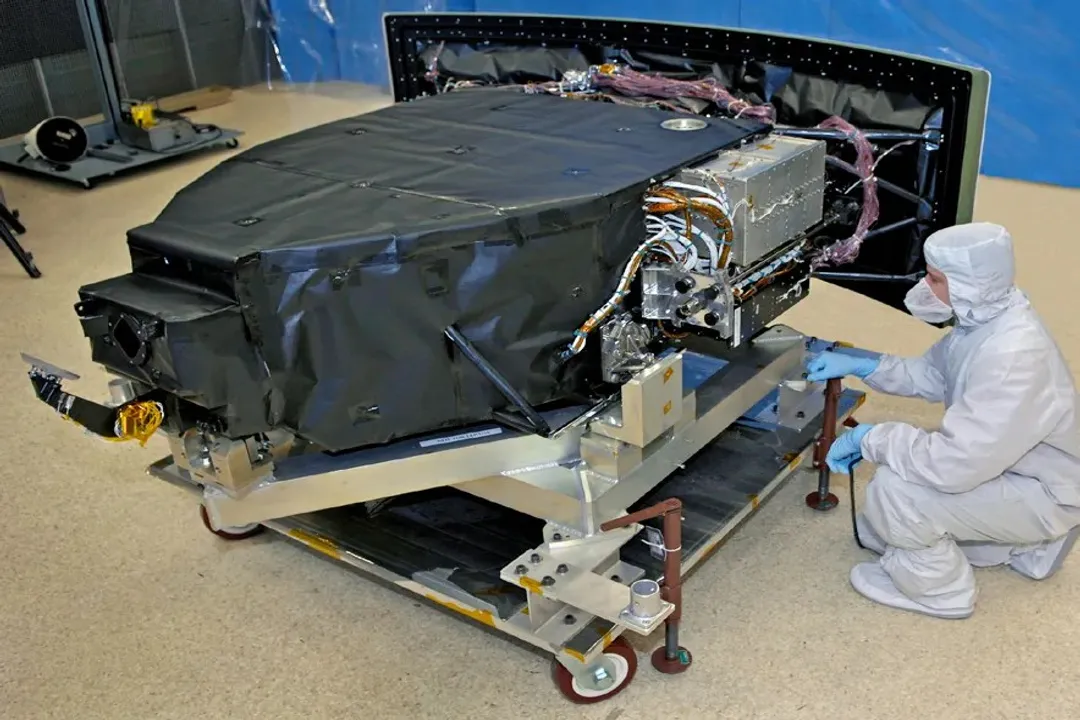
For professional study, the scale and sophistication increase dramatically. Professional instruments are fundamentally astronomical devices, many of which are large reflecting telescopes that gather light using mirrors. [2] These sophisticated tools can be ground-based, situated in optimal, dry, high-altitude locations to minimize atmospheric interference, or they can be space-based observatories, which bypass the atmosphere entirely. [2][8] For instance, the venerable Hubble Space Telescope houses specialized scientific instruments, including various cameras and spectrographs, designed to capture light across a broad spectrum, from ultraviolet to near-infrared, allowing scientists to analyze the chemical composition of planetary atmospheres light-years away. [8] While terrestrial telescopes can be fitted with adaptive optics to correct for atmospheric blurring, space telescopes eliminate this variable, providing unparalleled clarity for distant targets. [2]
A fascinating comparison arises when considering aperture size. A large Earth-based telescope gathers an immense amount of light, allowing for detailed study of faint, distant objects, but it is always constrained by the atmosphere. Conversely, a specialized instrument package sent aboard a probe orbiting Mars, while having a much smaller physical aperture, benefits from being in situ—it makes direct measurements without atmospheric filtering or the time delay associated with studying an object millions of miles away from Earth. [1][4] This trade-off means that a small, dedicated sensor near the target can often provide more definitive chemical analysis than even the largest Earth-bound scopes.
# Robotic Probes
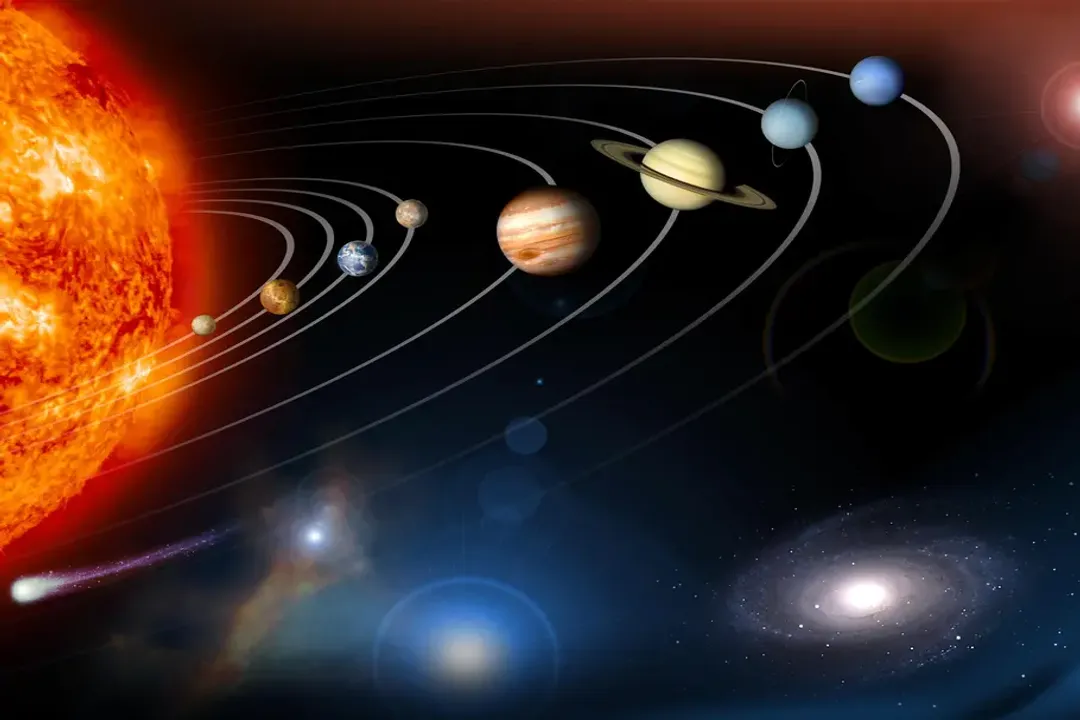
Moving from remote sensing to direct investigation requires sending mechanical proxies—spacecraft designed for specific tasks. Planetary investigation has historically followed a pattern involving four primary mission types, each relying on a distinct set of onboard devices. [5]
# Flyby Missions
The earliest form of close-up planetary study involved the flyby mission. These spacecraft, such as Mariner or Voyager, are essentially high-speed mail carriers: they zip past the target planet once, gathering as much data as possible during a brief window before continuing their trajectory out of the solar system or toward another target. [5] The devices critical to a flyby must be capable of rapid data acquisition, often including wide-angle cameras and instruments designed to measure the planet's magnetic field and radiation environment as the craft passes through its sphere of influence. [9] The mission is constrained by the need to capture all desired data during a short pass, meaning instruments must be quick and efficient.
# Orbital Surveyors
For sustained, long-term study, an orbiter is deployed. These spacecraft are inserted into a stable orbit around the planet, allowing them to survey the entire globe over many months or years. [5] Orbiters carry a suite of remote-sensing devices, including high-resolution imaging cameras, radar systems to penetrate clouds or map subsurface ice, and various types of spectrometers to map mineralogy and atmospheric composition from above. [9] The longevity of an orbiter mission demands that its instruments be power-efficient and highly reliable, as in-space repair is usually impossible. [1]
# Surface Landers
To truly understand a world's geology and environment, scientists send landers. These devices are designed to touch down softly on the surface and remain stationary, acting as an automated, long-term weather and seismic station. [5] A lander’s instrument suite focuses on surface and near-surface analysis. This typically includes meteorological packages to record atmospheric pressure, temperature, and wind speed, as well as seismometers to detect "planet-quakes". [9] Perhaps one of the most crucial devices on a lander is the instrument designed for in situ chemical analysis, often involving sophisticated ovens or spectrometers that heat samples to determine their elemental makeup. [6][9]
# Mobile Rovers
The most dynamic surface exploration is conducted by rovers, which are essentially mobile laboratories equipped with wheels. [5] Roaming vehicles carry many of the same instruments as landers but add the capability for reconnaissance and targeted sample collection across varied terrain. Devices like robotic arms equipped with drills, scoops, and close-up imagers allow operators to select specific rocks or soils for detailed examination. [9] Advanced rovers often include miniature laboratories, such as X-ray spectrometers or alpha particle X-ray spectrometers (APXS), to determine the elemental composition of targets with high precision. [6] This ability to drive to scientifically interesting locations, like ancient streambeds or mineral deposits, makes rovers the ultimate tool for detailed geological investigation. [5]
# Instruments of Measurement
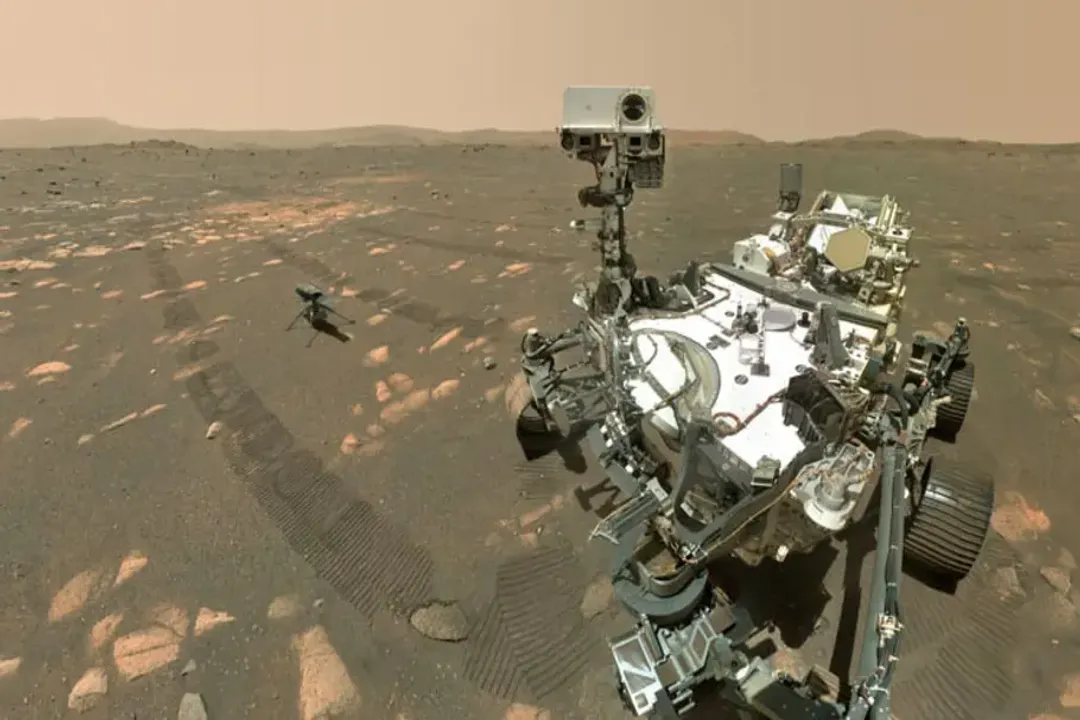
Regardless of whether the probe is orbiting or sitting on the surface, the devices it carries fall into categories based on the type of data they are programmed to collect. The fundamental division in technique separates remote sensing from direct physical sampling. [6]
# Remote Sensing Tools
Remote sensing involves gathering information from a distance, relying on various forms of electromagnetic radiation. This category heavily features imaging systems and spectral analyzers. [6]
- Cameras and Imagers: These range from simple visual cameras to multispectral and hyperspectral imagers. The latter captures images across dozens or hundreds of narrow light bands, providing data that allows scientists to create detailed maps of mineral distribution across a planet’s surface, effectively seeing the chemical fingerprint of the rocks from orbit. [8][9]
- Spectrometers: These instruments separate light into its constituent colors (wavelengths) to identify the materials that emitted, absorbed, or reflected that light. They are used to determine the chemical makeup of atmospheres, clouds, and surface minerals. [8]
- Lidar and Radar: Light Detection and Ranging (LIDAR) systems use laser pulses to measure distance, crucial for creating precise three-dimensional topographic maps of a planetary surface. [9] Radar systems, conversely, can penetrate dust and clouds, and even shallow subsurface layers, to detect buried ice or map larger geological features. [9]
# Direct Sampling Devices
For the deepest understanding of planetary processes, especially concerning the potential for past or present life, direct interaction with the material is necessary. [7]
- Meteorological Sensors: These collect data on the immediate ambient environment—temperature, pressure, humidity, and wind speed. This information is vital for understanding current atmospheric dynamics and long-term climate trends. [9]
- Magnetometers: These measure the strength and direction of magnetic fields. They help scientists understand a planet’s internal dynamo and how its atmosphere interacts with the solar wind, a key factor in determining if a world can retain an atmosphere over geologic time. [9]
- Mass Spectrometers: While often used remotely, specialized versions are housed within landers and rovers. These instruments chemically break down a sample and then measure the mass-to-charge ratio of the resulting ions, providing highly accurate elemental and isotopic composition data. [6] This is key for distinguishing between materials formed by abiotic geological processes and those potentially created by biology. [7]
It is a constant engineering challenge to miniaturize these sophisticated analytical instruments to survive the harsh conditions of space, including extreme temperatures and radiation, while still retaining the sensitivity required for meaningful scientific discovery. [1][7] When designing a mission to search for biosignatures, for example, scientists must account for potential false positives, meaning the instruments must be capable of analyzing materials in multiple ways to rule out non-biological origins for any detected chemical complexity. [7]
# Data Transmission and Autonomy
The equipment gathering the data is only half the story; transmitting that data back to Earth is equally critical. All instruments rely on a robust communication system, which is itself a specialized piece of hardware. [1] The energy required to beam a signal across millions of miles places severe constraints on the rate at which data can be sent back. Given the significant travel time for light and radio waves—a signal to Mars can take minutes, while a signal to the outer solar system takes hours—mission operations must be heavily automated. [4] This means the onboard devices must have enough computational power to perform initial quality checks, decide which data packets are most valuable to send immediately, and manage power distribution without real-time input from Earth controllers. [1] This inherent time delay forces mission planners to design instrument sequencing with a degree of machine autonomy, a necessary design feature that is often overlooked when discussing the data-gathering hardware itself. [4]
To put the variety of collected data into perspective, one might look at the different data types obtained by surface versus orbital assets.
| Device Category | Typical Location | Primary Data Type | Scientific Goal |
|---|---|---|---|
| High-Resolution Imager | Orbiter/Rover | Visual Imagery, Color Maps | Topography, geology, weather tracking [9] |
| Spectrometer | Orbiter/Lander | Light/Radiation Signatures | Chemical/Mineralogical composition [8] |
| Seismometer | Lander | Ground Vibration Data | Internal structure, planetary size [9] |
| Meteorological Suite | Lander/Rover | Pressure, Temperature, Wind | Atmospheric dynamics, weather forecasting [9] |
The evolution of these tools reflects our growing ambition. Early probes relied heavily on simple cameras and radio science to map bulk properties, [5] whereas current missions are attempting to detect trace gases or measure complex organic molecules, demanding instruments capable of sensitivity far exceeding anything sent previously. [7] The devices used to study the planets are thus a reflection of our current technological maturity, perpetually pushing the boundaries of what is physically possible to build and launch. [1]
Related Questions
#Citations
Chapter 12: Science Instruments
List of astronomical instruments - Wikipedia
What equipment do you need to see and photograph the planets
What equipment and information do space telescopes use to know ...
4 Ways We Have Explored Our Planets
What techniques do scientists use to explore space? - Quora
Inventing Tools for Detecting Life Elsewhere - www.caltech.edu
Common Tools Used to Gather Data in Space - CosmoBC