What characterizes the dual focus of NASA's modern space science exploration?
Answer
Robotic missions for nearby objects and telescopes for distant systems.
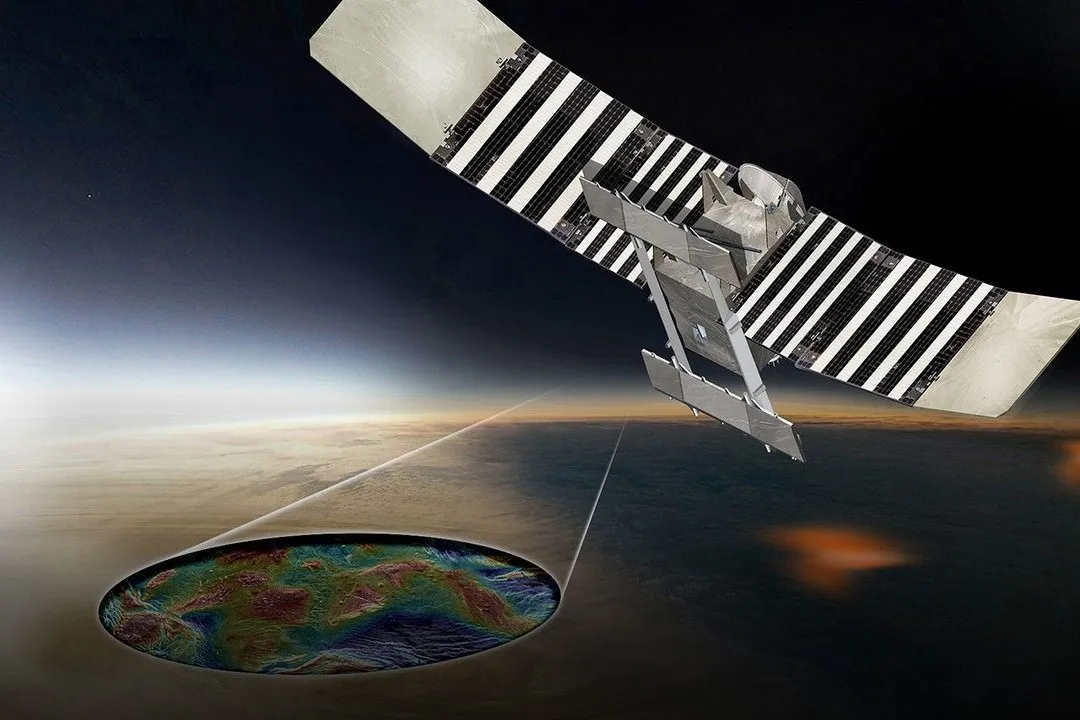
NASA's modern space science is defined by a dual approach: utilizing intensive robotic missions to study immediate Solar System neighbors and employing powerful telescopes to search for planetary systems orbiting faraway stars.
Related Questions
What characterizes the dual focus of NASA's modern space science exploration?What is the primary goal of the sustained investigation missions directed toward Mars?What single mission series primarily informs our current understanding of Uranus and Neptune?As officially reported by NASA, what is the minimum confirmed count of exoplanets?What method do missions like Kepler and TESS primarily use to confirm exoplanets?How does the exploration of a Solar System body differ fundamentally from that of an exoplanet?Which groundbreaking mission provided unprecedented data about Saturn and its moons?Where is the central repository for confirmed exoplanet data located and accessible?What bias is inherent in transit-based exoplanet detection surveys?What scientific goal requires high-speed flyby trajectories or dedicated sample-return missions focused on small Solar System bodies?