Which planet is made up of ice and dust?
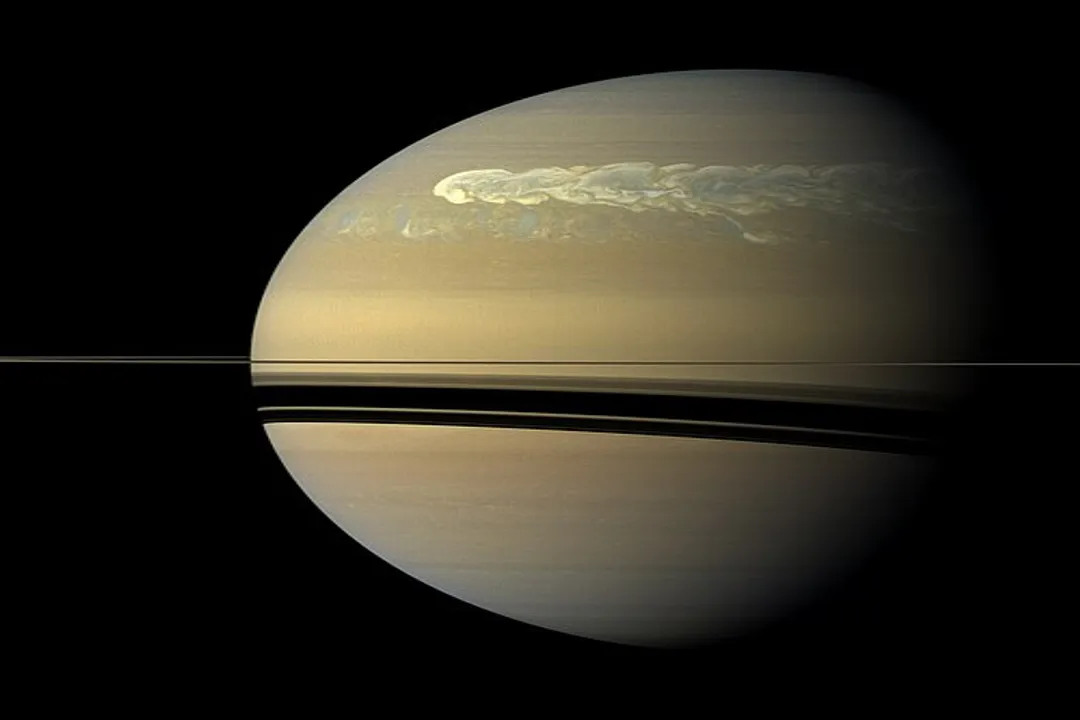
The search for a planet composed significantly of ice and dust immediately guides us outward from the Sun, past the rocky inner worlds, toward the vast, cold expanse where volatile compounds freeze solid. While several outer Solar System bodies feature components of ice and dust, the term most precisely describes the composition of the Ice Giants: Uranus and Neptune. Saturn, while primarily a gas giant, possesses perhaps the most spectacular ice and dust feature: its elaborate ring system.
# Ice Giants
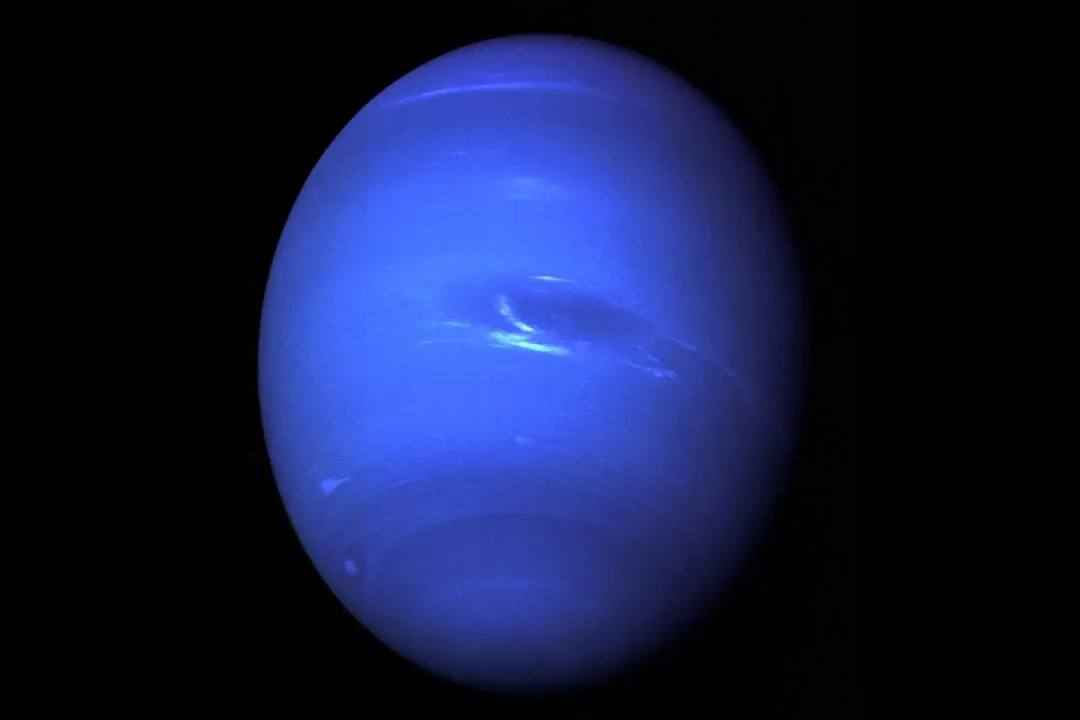
Uranus and Neptune earn their classification as ice giants because their structure differs notably from the gas giants, Jupiter and Saturn, which are dominated by hydrogen and helium. Instead of being vast balls of gas, the interior of Uranus and Neptune is characterized by a much greater proportion of heavier elements locked up in what scientists term "ices".
# Planetary Mantle
For both Uranus and Neptune, this interior "ice" is not frozen solid in the way we experience it on Earth. It is a hot, dense fluid surrounding a small, central rocky core. This fluid layer is primarily a mix of volatile ices: water, methane, and ammonia. Because of the immense pressures and temperatures within these planets—far exceeding anything found on Earth—these materials exist in exotic, dense states, behaving more like superheated, dense fluids than brittle solids.
Uranus, tilting on its side as it orbits, presents a particularly extreme case of an ice giant, though its fundamental composition mirrors Neptune's layering of a rocky core surrounded by the mantle of compressed ices. While the bulk of the planet is these hot ices, the outer atmospheres contain trace amounts of these same chemicals, which can contribute to their pale blue or greenish-blue hues.
# Saturn's Structure
Saturn, often called the "jewel of the solar system" due to its stunning appearance, presents a different scenario when discussing ice and dust content. It is classified as a gas giant, meaning its primary constituents are much lighter elements, mainly hydrogen and helium, similar to Jupiter. However, even deep within Saturn, trace elements such as methane and ammonia exist, which could exist in icy forms under certain pressure/temperature regimes.
# Ring Composition
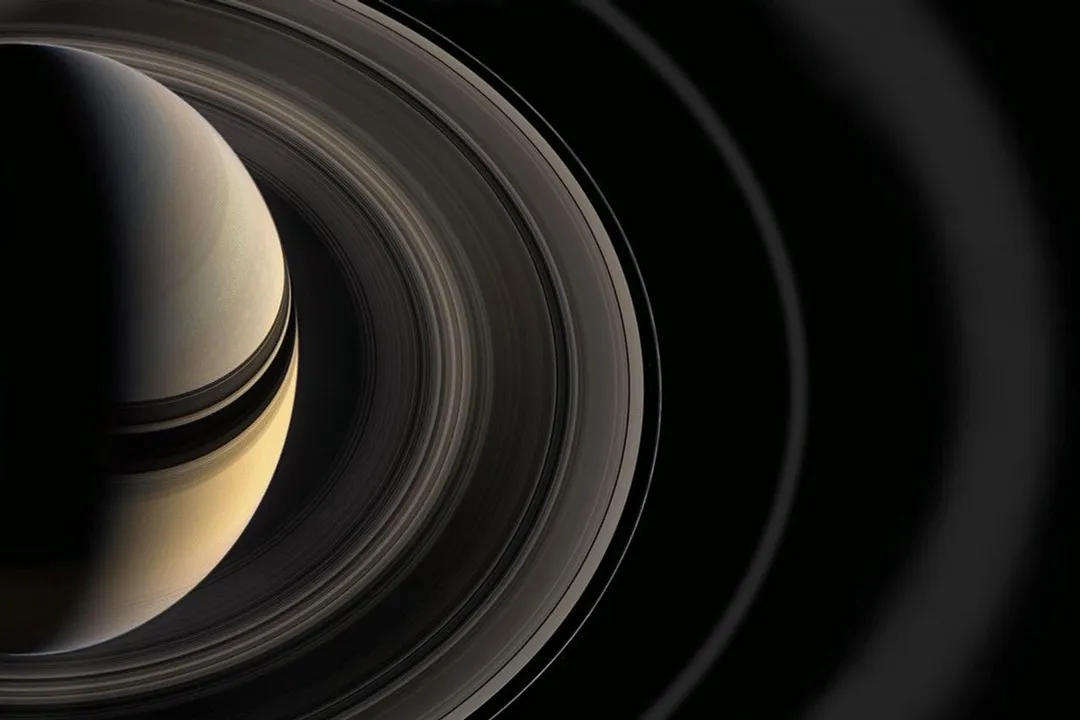
The feature that most closely ties Saturn to the "ice and dust" description is its spectacular ring system. These rings are composed of billions of individual particles orbiting the planet. The vast majority of this material is water ice. These icy chunks range dramatically in size, from microscopic particles barely bigger than dust grains up to small boulders. Some descriptions note that the rings are made of ice mixed with rocky or dusty material, while others focus primarily on the ice content.
This distinction between the composition of the planet itself and the composition of its associated features is a useful point of comparison. While Uranus and Neptune are primarily composed of dense, hot ices deep inside, Saturn carries a massive structure orbiting it defined by cold, pure ice and dust.
# Comparative Ices
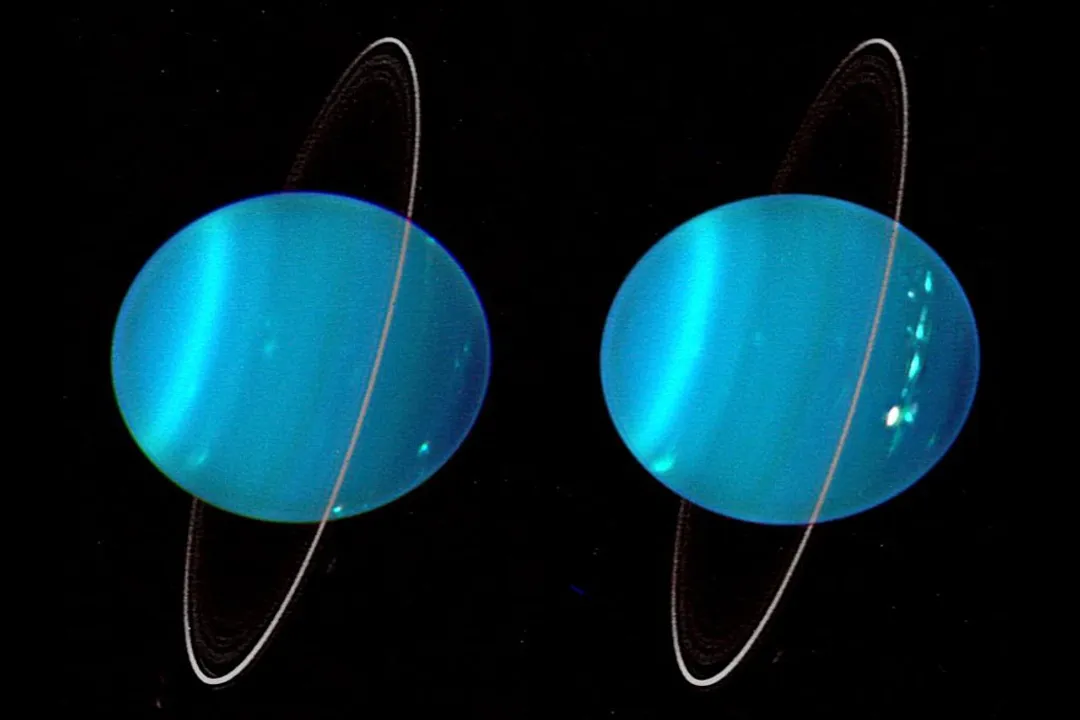
When we look at the outer solar system giants, we see a recurring theme of volatile compounds that are solids closer to the Sun but remain gaseous or liquid far out where it is cold. The term "ice" in planetary science is broad, encompassing not just frozen water but also frozen methane and ammonia, substances that remain gaseous in the atmospheres of Jupiter and Saturn but condense into ices on Uranus and Neptune.
Consider a simplified breakdown of the expected bulk structure for the three planets that feature large amounts of these frozen volatiles:
| Planet | Primary Bulk Composition | Dominant "Ice" Component | Major Ice/Dust Feature |
|---|---|---|---|
| Saturn | Hydrogen, Helium | Trace Ices (Methane, Ammonia) | Massive, bright rings |
| Uranus | Ices (Water, Methane, Ammonia) | Primary Bulk Material | Faint, dark rings |
| Neptune | Ices (Water, Methane, Ammonia) | Primary Bulk Material | Faint, dark rings |
| [1][2][3][5][6][9] |
It is interesting to note that while the rings of Saturn are extremely bright and reflective because they are mostly water ice, the ring systems of Uranus and Neptune are far fainter because their constituent particles are much darker, suggesting a higher proportion of rock or dust mixed with the ice, or that the ice itself is contaminated. This difference in reflectivity alone, a factor of albedo, drastically changes how we perceive these planets from afar, with Saturn dazzling and the other two remaining comparatively muted.
# Faint Outer Rings
Uranus and Neptune, despite being ice giants themselves, also possess ring systems, though they are far less famous than Saturn's. Neptune's rings, for example, are composed of dusty material and irregular clumps of ice, some of which are concentrated into arcs. Similarly, Uranus has a system of narrow, dark rings made of icy and dusty material.
While the bulk of Uranus and Neptune is that fluid layer of hot, dense ices, their outer rings are comprised of colder, true ices mixed with dust particles orbiting at a safer distance from the planet's upper atmosphere, where solar radiation and micrometeorites might also play a role in darkening the surface material over eons. The stability and material of these fainter systems are a key area for continued study, especially with newer telescopic views, because their dark nature suggests they haven't been recently replenished by impacts that would reveal fresh, bright ice surfaces. If we were to speculate on which planet is most defined by ice overall, it would be Uranus or Neptune based on internal structure, but which planet shows us the most obvious ice and dust together is arguably Saturn, purely because of the sheer visibility of its massive icy debris field.
Related Questions
#Citations
Saturn: Facts - NASA Science
Saturn - Wikipedia
Uranus planet | Canadian Space Agency
Ringed #Saturn is nicknamed the jewel of the solar system. Without ...
The Outer Planets: Rings
Saturn - Planet Trail - Les Gets
Neptune, planet of wind and ice - The Planetary Society