Which planet is full of dust?
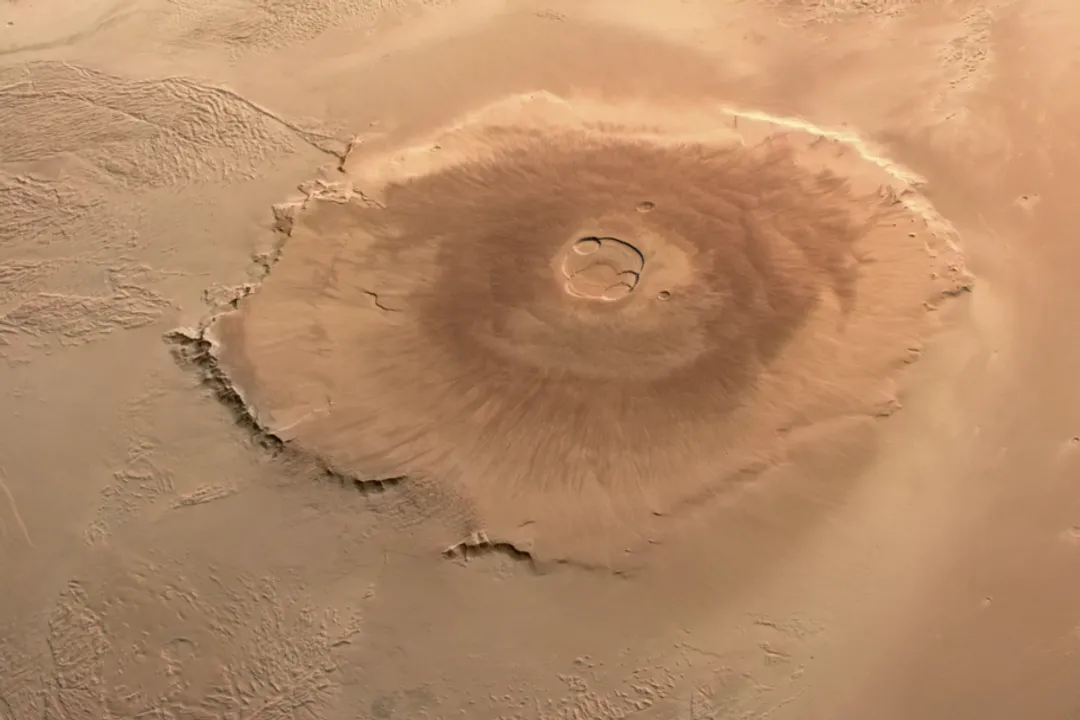
The planet most famously synonymous with being completely enveloped in dust is undeniably Mars. From orbit, this world often presents a hazy, reddish-orange tint, a direct consequence of the fine, pervasive dust covering nearly every part of its surface. [3][6] It is this iron oxide dust, commonly known as rust, that gives the Red Planet its distinctive hue. [3] While other bodies in our solar system feature dust—even our own Earth has suspended particulate matter—the scale and intensity of dust activity on Mars set it apart as the undisputed champion of solar system dustiness.
# Martian Surface
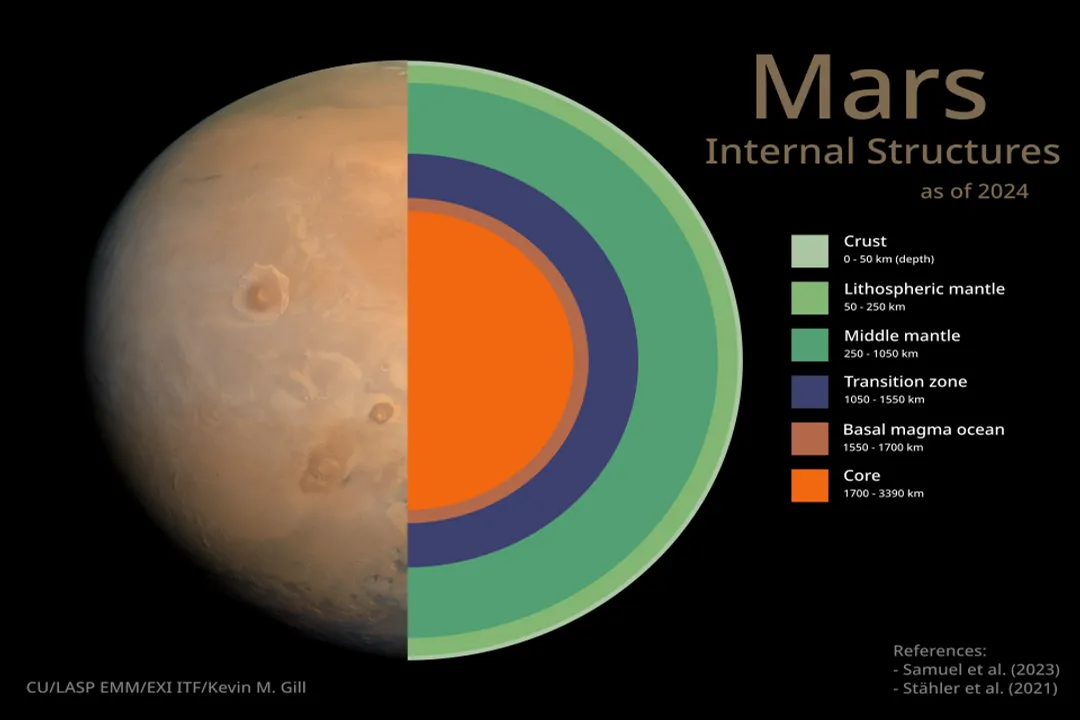
The Martian surface is characterized by vast plains covered in this fine regolith. [3] The dust particles themselves are incredibly small, often much finer than silt, making them easily lofted into the thin atmosphere by even modest winds. [6] This fine grain size allows the dust to travel great distances and remain suspended for extended periods. You can observe localized manifestations of this phenomenon in the form of dust devils, whirling columns of dust that spin across the plains, much like miniature tornadoes, but composed entirely of dry, reddish particles. [3] These are common sights in the Martian environment, constantly churning up the surface layer.
# Storm Scale
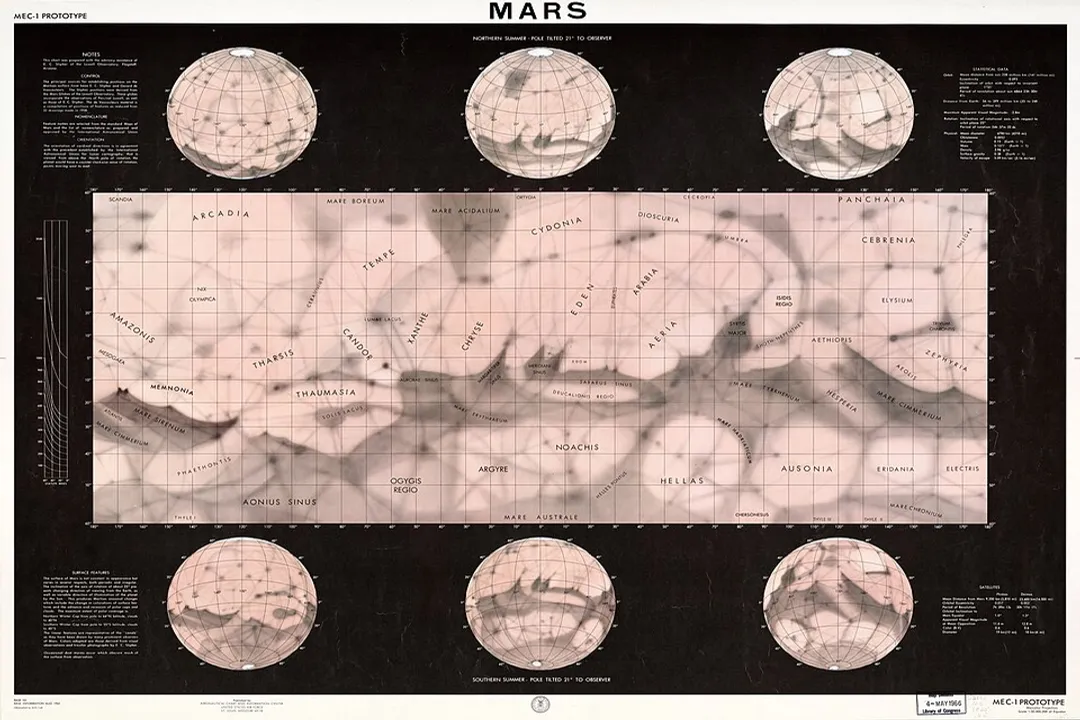
What truly earns Mars its dusty reputation, however, are its extraordinary dust storms. [5] These aren't mere localized events; Mars is known for hosting the largest, most violent dust storms in the entire solar system. [5] In certain years, the atmospheric disturbance builds to such a degree that the dust rises high enough and spreads widely enough to completely obscure the entire planet from view. [2][5] The sheer energy required to initiate and sustain a dust event that blankets a world several times the size of the one we inhabit speaks to atmospheric dynamics that far exceed typical terrestrial weather patterns. [7] Such planet-encircling events can last for months, locking the surface in a perpetual, dim twilight. [2]
This intense activity is not constant, suggesting a strong seasonal or periodic component to the atmospheric dynamics. [4] Observations show that after these massive storms dissipate, the dust eventually settles back down across the surface, creating a cycle where the planet gradually clears over time. [4] For missions operating on the surface, this cyclical behavior dictates planning; there are natural "clear windows" where solar energy production is maximized, contrasted with periods where dust opacity severely limits power generation and visibility. [4]
# Dust Makeup
Understanding what the dust is made of helps explain why it behaves the way it does. Martian dust is primarily composed of silicate minerals, heavily altered by oxidation, meaning it is rich in iron oxide. [6] This makes it chemically distinct from much of the particulate matter found on Earth. Terrestrial dust, while sometimes originating from deserts, often incorporates more biological material, volcanic ash, or pollution byproducts. [6] Martian dust, being ancient and formed under drastically different environmental conditions, is essentially sterile mineral grit, which contributes to its ability to remain suspended and electrostatically charged when lofted. [6]
If we look beyond the planet itself, this dusty nature extends into the wider solar system, though in a different configuration. For instance, scientists have identified a massive, hidden dust ring existing primarily within the orbit of Mars, surrounding the Sun. [8] This ring is thought to be fed by material ejected from asteroids or comets over time. [8] While this interplanetary dust is not on the planet, its presence underscores that the region surrounding Mars is intrinsically linked to particulate matter dynamics.
# Planetary Dust
When comparing Mars to other worlds, the contrast is sharp. Neptune, for example, is known for its deep, dynamic atmosphere, but its observable features relate more to intense winds and storms in its gaseous layers, rather than a surface blanketed in silicate dust like Mars. [1] Earth remains wet and biologically active, meaning our dust events are typically shorter-lived and compositionally different. [6] The unique combination of a thin atmosphere, low surface gravity, and extremely fine, oxidized surface material creates the perfect conditions for Mars's dramatic, planet-swallowing dust storms. [5][7]
# Mission Hurdles
For the robotic emissaries sent to study the Red Planet, this ubiquitous dust presents ongoing engineering challenges. [4] Rovers like Perseverance must contend with dust accumulation on their solar arrays—though this is less of an issue for nuclear-powered rovers—and, more critically, the abrasive nature of the particles themselves. [4] The fine dust can clog mechanical parts, degrade seals, and generally reduce the efficiency of instruments designed to look through the atmosphere. [3] Engineers must design mechanisms specifically to deal with the dust, such as specialized brushes or methods to vibrate components clear of buildup. [4]
When a massive storm hits, communication blackout is a real risk. Since radio signals must pass through the obscuring cloud, the thickness of the dust layer directly correlates with the signal attenuation, sometimes forcing mission control centers to suspend regular contact until visibility improves. [2] This reliance on atmospheric clarity means that while the dust defines the planet aesthetically and geologically, it simultaneously imposes strict, unavoidable operational constraints on direct human or robotic interaction with the surface. [4] Therefore, while Neptune spins with its blue swirls, [1] Mars remains perpetually shrouded, a planet whose identity is inseparable from its storms of fine, rusty grit.
#Videos
Mars Dust Storm News - YouTube
Related Questions
#Citations
Neptune: Facts - NASA Science
The massive dust storm on Mars has completely changed ... - Reddit
Mars - Wikipedia
Mars Dust Storm News - YouTube
Mars is a dusty place – but every two years, the dust ... - Facebook
What are Dust Storms Like on Other Planets? | The Space Store
We may finally know what causes Mars' gigantic, planet-wide dust ...
Astronomers Have Detected an 'Impossible' Dust Ring at The Heart ...