Which company collaborated with ISRO?
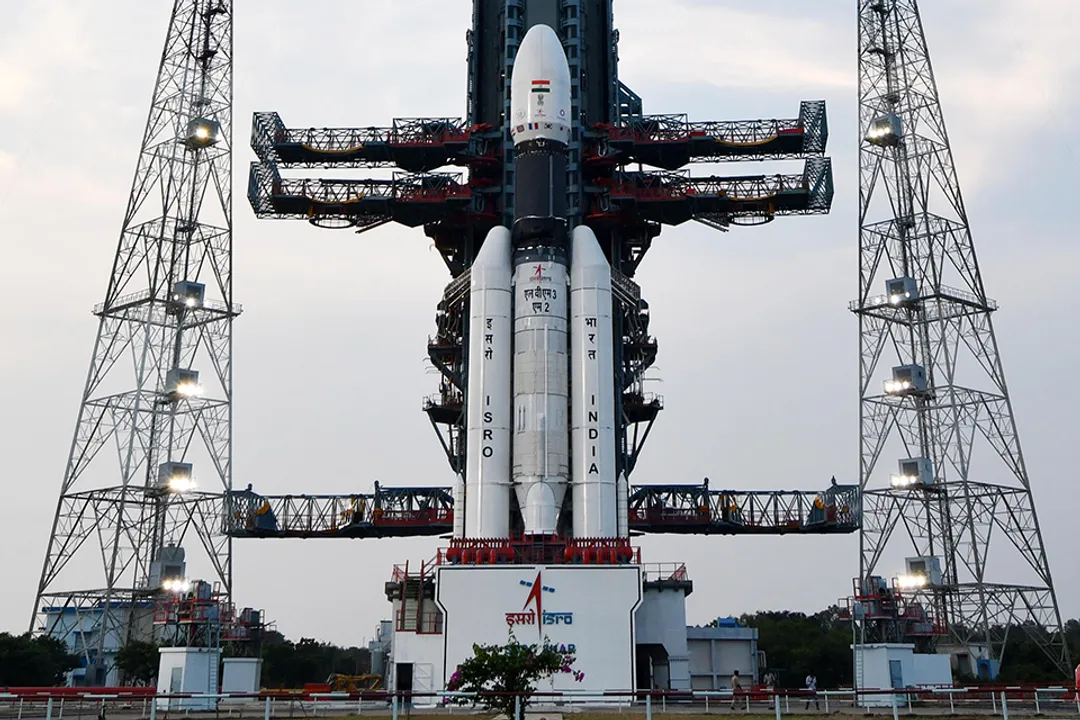
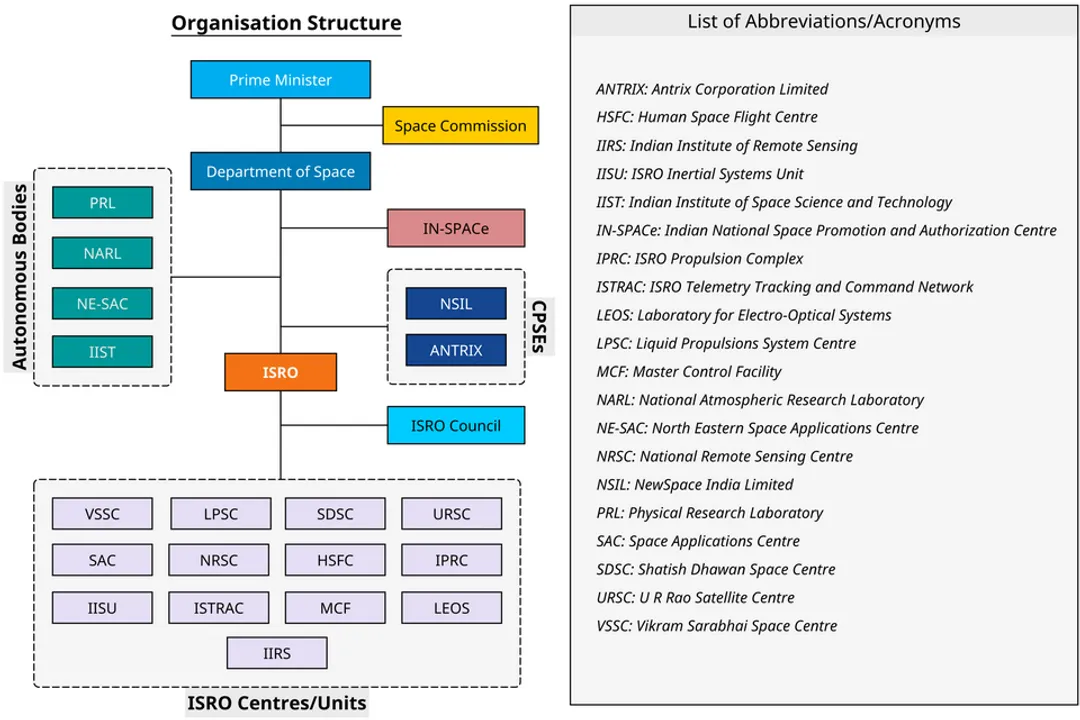
The Indian Space Research Organisation (ISRO) has long been recognized globally for its impressive feats achieved often with leaner budgets, yet the success of India's space program is not a singular effort. It is built upon an increasingly extensive and specialized network of partners, both domestic and international, spanning decades of operations. While ISRO is the principal research and development arm of the Department of Space, its capabilities are significantly amplified by contributions from a vast industrial base and strategic global alliances.
# Global Alliances
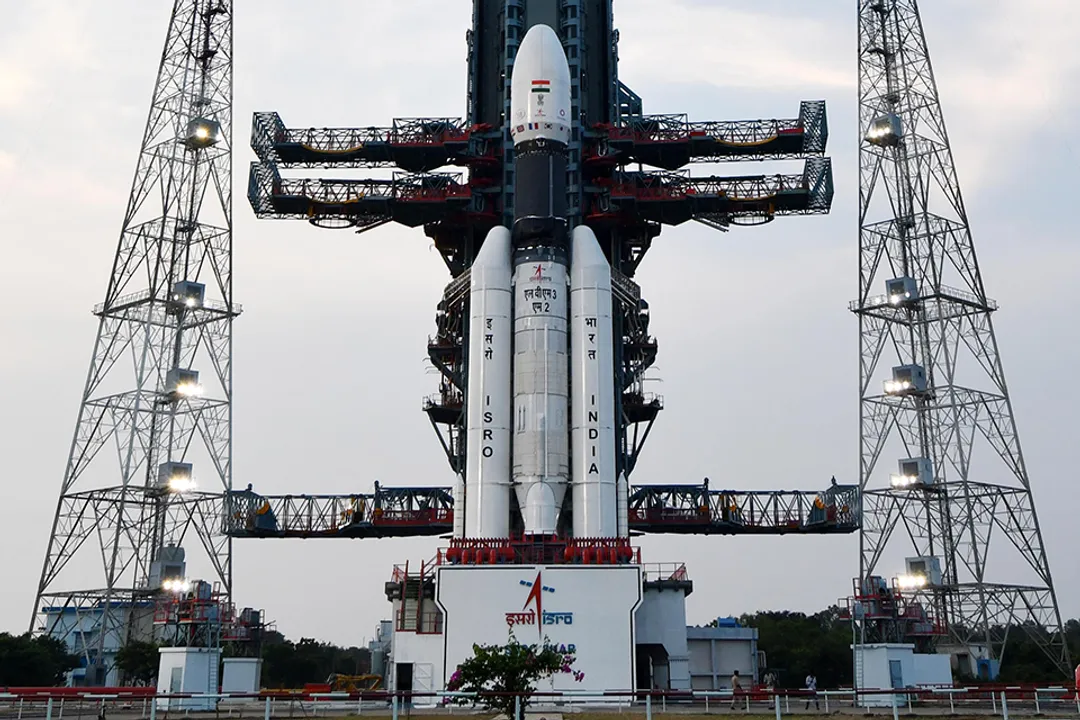
Cooperation with international space agencies has been a consistent feature of ISRO’s history, contributing to major scientific endeavors. These partnerships often involve sharing high-cost infrastructure or complementing scientific instruments for deeper exploration.
# Earth Science
One prominent example of Indo-US collaboration is the NASA-ISRO Synthetic Aperture Radar (NISAR) mission. This joint Earth-observing project leverages advanced radar imaging technology to track subtle changes on the Earth's surface, down to less than a centimeter. In this arrangement, NASA contributes the L-band radar, data handling systems, and GPS receivers, while ISRO provides the spacecraft bus, the S-band radar, and the launch vehicle, including the launch services. This synergy allows for comprehensive data collection across multiple frequencies, fulfilling scientific priorities identified for ecosystems, crust deformation, and cryospheric sciences.
# Human Spaceflight
The pursuit of human spaceflight, culminating in the Gaganyaan mission, also relies on international expertise. ISRO has entered into a Statement of Intent with the European Space Agency (ESA) to advance cooperation in this area, initially focusing on Low Earth Orbit (LEO) and later the Moon. This partnership is set to explore the interoperability of rendezvous and docking systems for future spacecraft. Furthermore, the collaboration includes activities surrounding astronaut training, analogue space missions, and the potential for ESA astronauts to fly on the planned Bharatiya Antariksh Station (BAS). This builds on prior experience, as ESA also provided ground station support for the Axiom Ax-4 commercial mission, which involved an Indian astronaut.
# Private Launch
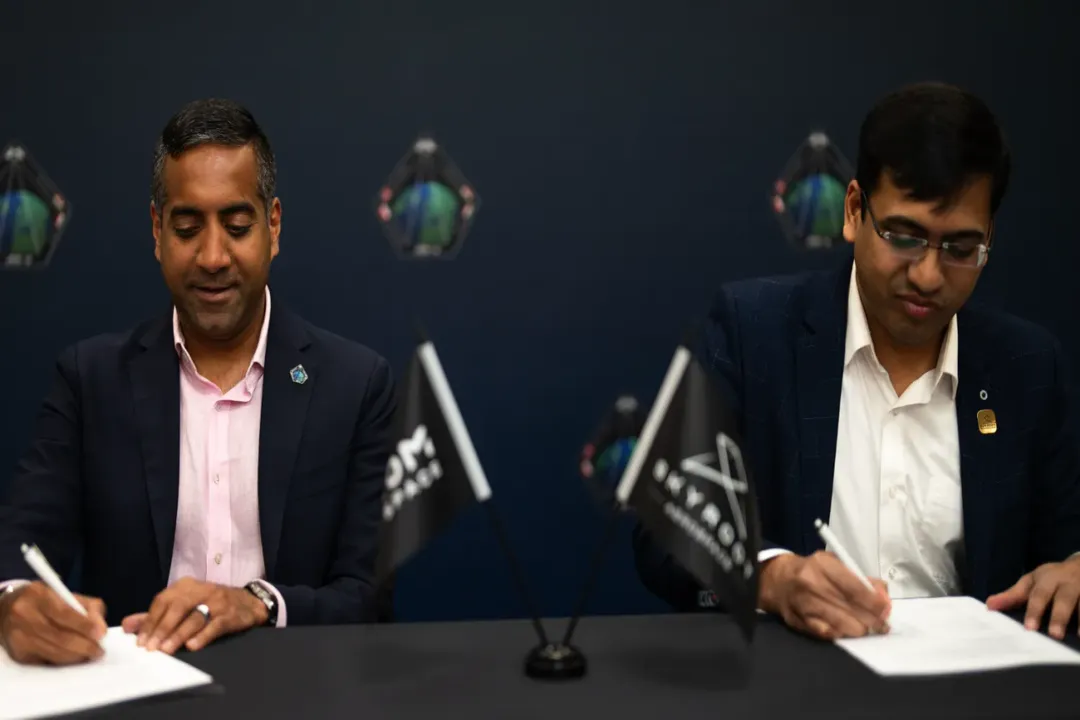
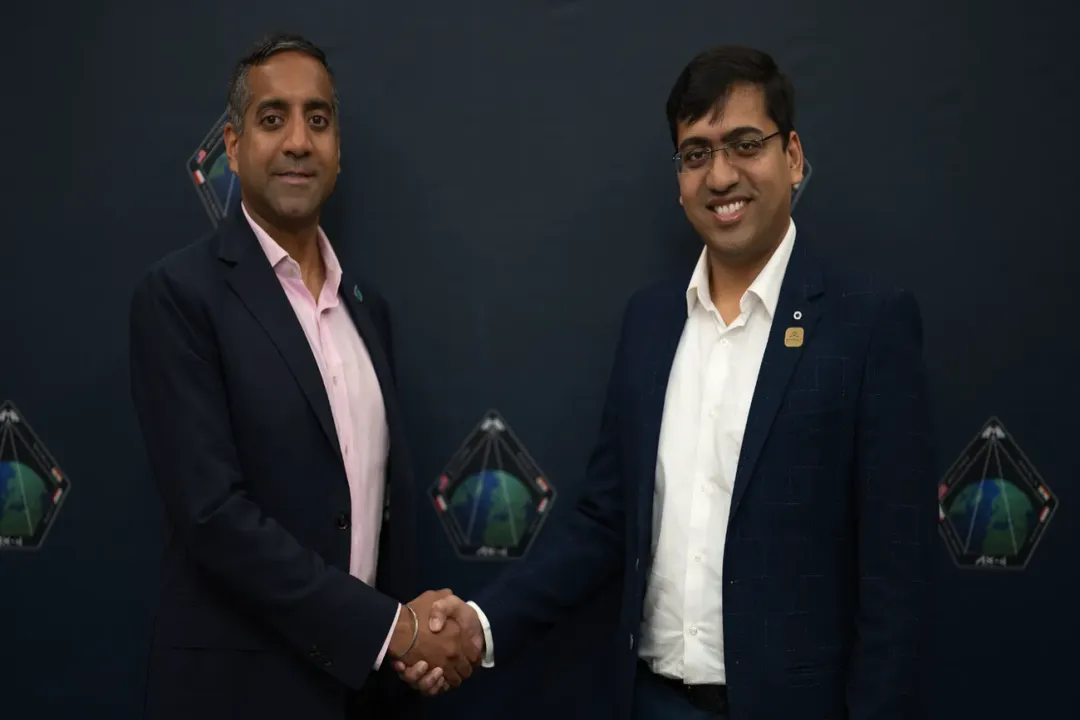
The Indian space sector has seen a significant shift towards opening doors for private industry participation, a move ISRO is actively supporting through initiatives like the IN-SPAC-E structure. A key milestone in this new era is the memorandum of understanding (MoU) signed between ISRO and private launch service provider Skyroot Aerospace. Skyroot holds the distinction of being the first private space-tech company to formalize a partnership with ISRO. This agreement aims to explore collaborations to improve access to LEO. Skyroot, which successfully launched the sub-orbital Vikram-S rocket, is preparing for its orbital-class launch vehicle, Vikram-1. Such MoUs facilitate integrated launch and orbital solutions, making access to space more reliable and on-demand for a growing ecosystem of users, including research institutes and other startups.
# Core Hardware
For decades, the backbone of ISRO’s launch vehicle and satellite programs has been a network of specialized Indian manufacturing partners, many of whom have been involved since the very early days of the program. This deep industrial base covers mechanical, electrical, and materials supply chains, ensuring significant indigenous content in critical hardware.
# Mechanical Components
In the realm of rocketry and propulsion, firms like Godrej Aerospace have played a foundational role, manufacturing the Vikas engine (used in PSLV) and working on cryogenic and semi-cryogenic engine components since 1985. Similarly, Walchandnagar Industries Limited (WIL) has been producing motor casings for virtually every major launch vehicle program since the SLV-3 in 1973. Larsen & Toubro Limited (L&T) has contributed for nearly 50 years, even installing and commissioning the Deep Space Network Antenna at ISTRAC. A unique contribution comes from ASACO, which manufactures the PSLV Stage Four Engine (PS4) exclusively.
On the satellite side, AVASARALA Technologies Limited has been responsible for manufacturing heat pipes and providing complete thermal systems for numerous satellite series, including INSAT and CARTOSAT. In optics, Paras Defence and Space Technologies Limited (PDSTL) has supplied components for missions like Chandrayaan-2 and Aditya-L1.
# Electronics and Avionics
The avionics and communication systems are supported by established public sector units and private specialists. Keltron, a Kerala government undertaking, supplies between 40 to 50 avionics packages for each PSLV and GSLV flight. The Electronics Corporation of India Limited (ECIL) has been developing satellite ground station antennas since 1967. Newer private firms are also integral; Ananth Technologies Limited (ATL) contributes a wide range of onboard systems, including telemetry, OBCs, and RF boards, and has been involved in nearly 100 spacecraft. Data Patterns initially focused on checkout systems for launch pads but has expanded to develop standard off-the-shelf Nanosatellite bus products.
# Enabling Technology
Beyond the direct physical components, recent collaborations show a strategic expansion into enabling technologies and ecosystem support, creating a multiplier effect for the wider Indian space tech sector.
# Infrastructure Support
Schneider Electric exemplifies the ongoing, mission-critical support provided by industrial partners. They have offered their advanced automation technology at the Satish Dhawan Space Centre (SDSC SHAR) for over 15 years, enabling operations for historic missions like Chandrayaan-3 and GSLV-F16. Their role is centered on precision and operational excellence for launch and satellite missions.
# Digital Ecosystem
The collaboration with Microsoft in January 2023 signifies a distinct shift toward digital and data-centric partnership, focusing on nurturing the next generation of space companies. Through an MoU, ISRO directed identified space-tech startups to the Microsoft for Startups Founders Hub. This grants these early-stage companies free access to critical resources like Azure cloud services, GitHub Enterprise, and productivity tools. ISRO Chairman S Somanath noted this would greatly benefit startups in the analysis and processing of vast amounts of satellite data using AI and Machine Learning.
This recent focus on cloud access and data processing mentorship represents a critical evolution in ISRO’s partnership model. Historically, collaborations focused on building tangible hardware elements—a rocket motor case, a specific antenna, or a solar panel substrate. The partnership with Microsoft, however, is centered on scaling capabilities rather than manufacturing physical flight hardware, effectively de-risking the early stages of data-intensive space applications for entrepreneurs. It is noteworthy that while established firms like WIL have manufacturing contracts spanning decades, newer partners like Microsoft are engaging through technology incubation centers (S-TICs) and entrepreneurial hubs, positioning themselves as key enablers of the NewSpace economy.
The breadth of ISRO’s network, ranging from an early partner like BHEL receiving technology transfer for space-grade lithium-ion cells, to the specific MoU with Skyroot for launch services, shows a mature yet dynamically opening ecosystem. It reflects a strategy where ISRO secures national infrastructure through long-term supplier bonds while simultaneously leveraging global tech giants and venture support to accelerate innovation in the commercial space domain. This dual approach—sustaining proven supply chains while seeding future capabilities—is likely key to ISRO achieving its ambitious goals, such as developing its own space station and advancing deep space exploration.

# Key Supplier Categories
The sheer diversity of the industrial base needed to support a national space agency is evident when looking at the required subsystems across missions like Chandrayaan and Aditya-L1.
| Sector | Key Partner Examples | Contribution Example |
|---|---|---|
| Propulsion/Mechanical | Godrej Aerospace, MTAR, WIL, L&T | Vikas Engine components, Motor Casings, Launch Pad infrastructure |
| Electronics/Comms | Keltron, ATL, Data Patterns, BEL | Avionics Packages, OBCs, NavIC Receiver Technology Transfer |
| Materials/Chemicals | TAML, ANABOND | Solar Panel Substrates, Engineering Adhesives |
| Ground Systems | ECIL, L&T | Satellite Ground Station Antennas, Deep Space Network Antenna installation |
The dependency on these Tier-1 and Tier-2 suppliers is deep; for instance, Walchandnagar Industries has supplied over 134 core boosters for PSLV/GSLV Mk II and 16 for GSLV Mk III. This volume speaks to the scale of integration happening at ISRO facilities, which is supported by these external, specialized manufacturers. The increasing integration of private players, such as Alpha Design Technologies assembling satellites like GSAT-30 in a consortium, signals a gradual transfer of integration experience from ISRO centers to qualified industry partners.
# International Missions
The international reach extends beyond just technology sharing or launch support. The Chandrayaan-1 mission, for example, carried instruments from NASA, the European Space Agency (ESA), and others, demonstrating an early pattern of international scientific payload inclusion. This sharing of mission space for mutual scientific benefit continues to be a vital aspect of global space diplomacy and capability expansion.
Related Questions
#Citations
50 ISRO Partners Involved in its Complete Success
Schneider Electric joins hands with the Indian Space Research ...
NASA partnership with the Indian Space Research Organisation ...
ISRO - Wikipedia
Axiom Space Partners with India-based Skyroot Aerospace to ...
ISRO and Microsoft collaborate to support space-tech startups in India
European Space Agency announces new cooperation with Indian ...