What space company pays the most?
The aerospace industry buzzes with excitement, driven by both established giants and aggressive newcomers pushing the boundaries of space exploration and technology. For professionals eyeing a career in this dynamic field, the compensation package is often a key consideration. Determining which specific company pays the absolute most is challenging, as definitive, real-time salary databases for every private space venture are not publicly standardized. However, we can map out the landscapes of high earning potential by looking at national averages, the types of roles that command top dollar, and the factors influencing total compensation across the sector. [1][9]
# Average Earnings Baseline
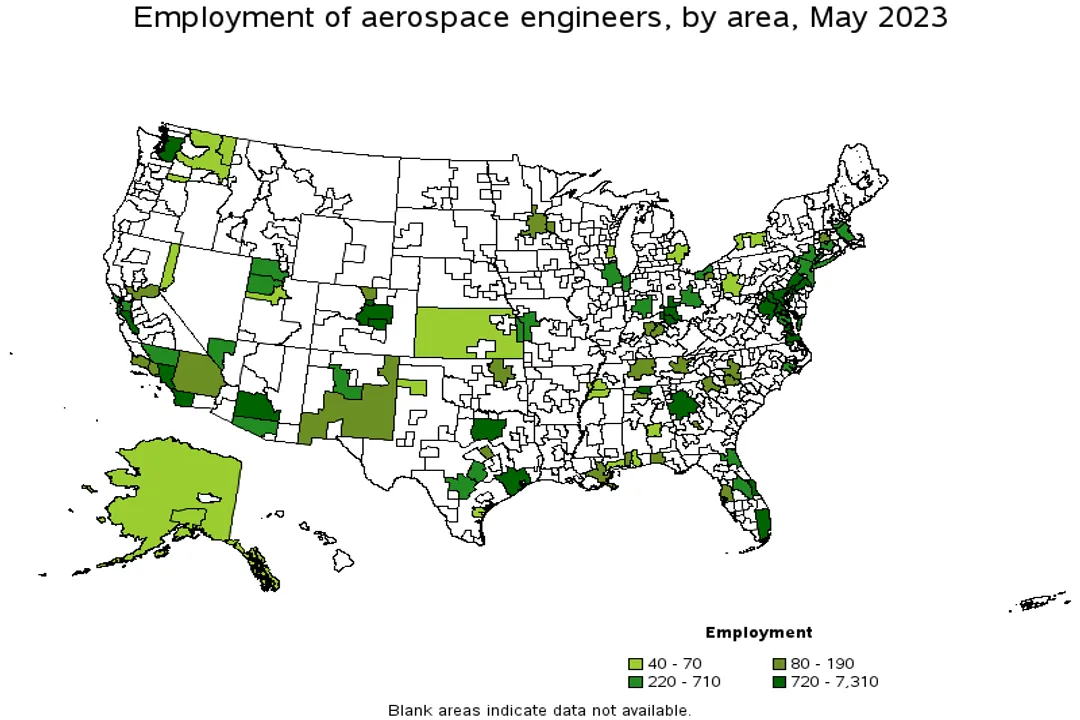
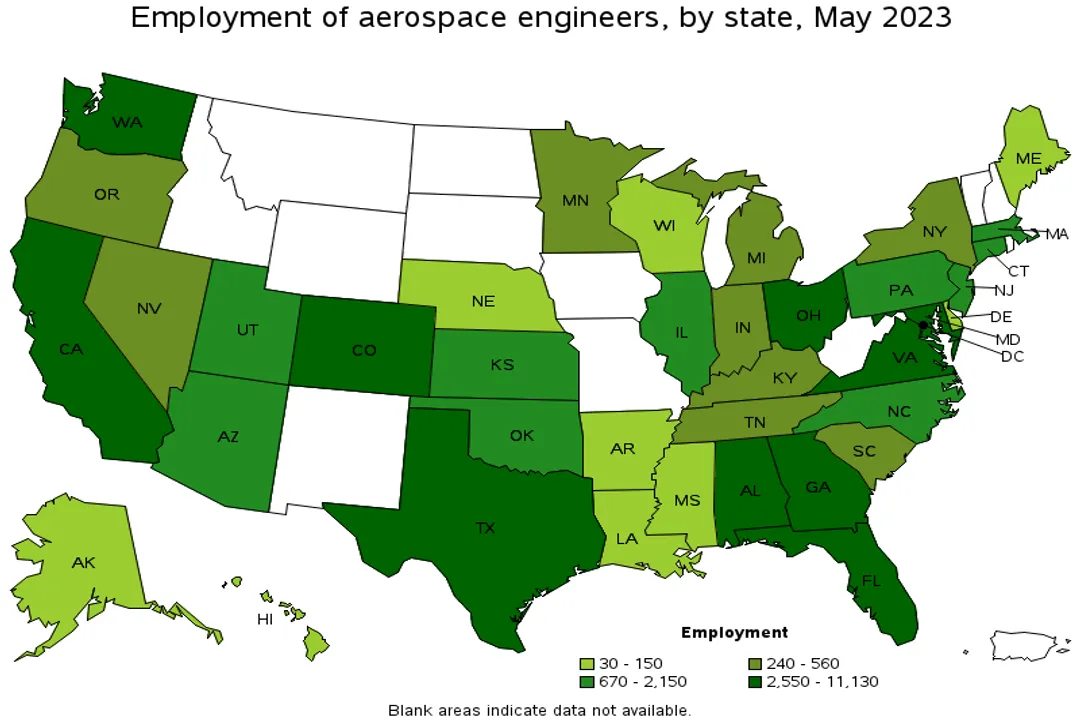
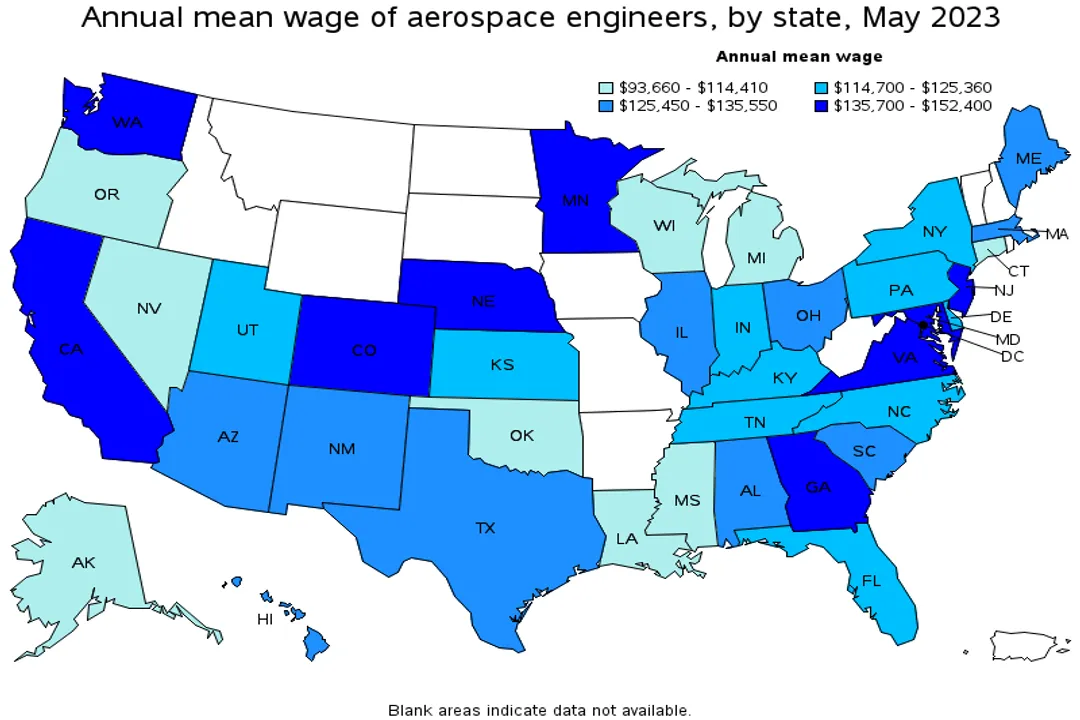
Understanding the industry's upper bounds requires first establishing a baseline. According to the Bureau of Labor Statistics (BLS) data from May 2023, the mean annual wage for aerospace engineers across the United States was $132,250. [3] This figure aggregates data across all employers—from defense contractors to pure space exploration firms—and provides a solid starting point for comparison. [3]
When looking at salary aggregator sites, the picture becomes slightly more granular, though still broad. For instance, a general search for Aerospace Engineer salaries might show a wide range, with some sources indicating median salaries hovering around 120,000 depending on the reporting period and methodology. [9][10] For someone aiming for higher compensation, this national mean suggests that the highest-paying roles or companies will likely sit substantially above this baseline, often pushing into the 200,000 range for base salaries, even before factoring in bonuses or stock. [4]
# High Paying Roles
Compensation isn't uniform; it heavily depends on the specific engineering discipline and level of experience. Certain high-demand, specialized roles within aerospace and defense frequently top the lists for highest pay. [5] While the title "Aerospace Engineer" is broad, specialized titles are what often unlock the premium salaries. [2]
For example, certain advanced engineering positions, such as those focused on highly specialized systems, mission design, or senior-level structural analysis, command significantly higher rates. [5] Job postings for Aerospace Engineers on platforms like ZipRecruiter sometimes list competitive compensation bands for experienced professionals, reflecting the market's need for deep expertise in areas like propulsion, avionics integration, or orbital mechanics. [2]
A look at the top 15 highest-paying jobs in the broader aerospace and defense sector reveals that roles requiring advanced clearance or management oversight, often found in established defense-focused companies that also participate in space programs, tend to be the most lucrative. [5] This suggests that the highest paying positions might not always reside in the newest, purely commercial space startups, but rather in organizations where long-term government contracts underpin significant compensation structures. [5]
This observation leads to an interesting distinction: the highest base salary might be found in companies dealing with classified or long-duration defense projects, whereas total compensation (including equity) in newer, high-growth space ventures might offer a different risk/reward profile.

# Compensation Structure Nuances
To accurately gauge who pays the most, one must look beyond the base salary number often published on job boards. In the technology and aerospace sectors, the Total Compensation (TC)—which includes base pay, stock options, restricted stock units (RSUs), and annual bonuses—is the true measure of earning power. [4] Data from platforms tracking compensation at tech-centric engineering roles often breaks down TC, showing that equity components can sometimes equal or even exceed the base salary for senior or highly specialized engineers. [4]
If a company is privately held and growing rapidly, the potential value of its equity could theoretically make its Total Compensation package the highest, even if the base salary trails an established competitor whose compensation is entirely cash and guaranteed. [4] Therefore, evaluating a potential employer requires understanding their compensation philosophy: are they cash-heavy (traditional) or equity-heavy (growth-oriented)?
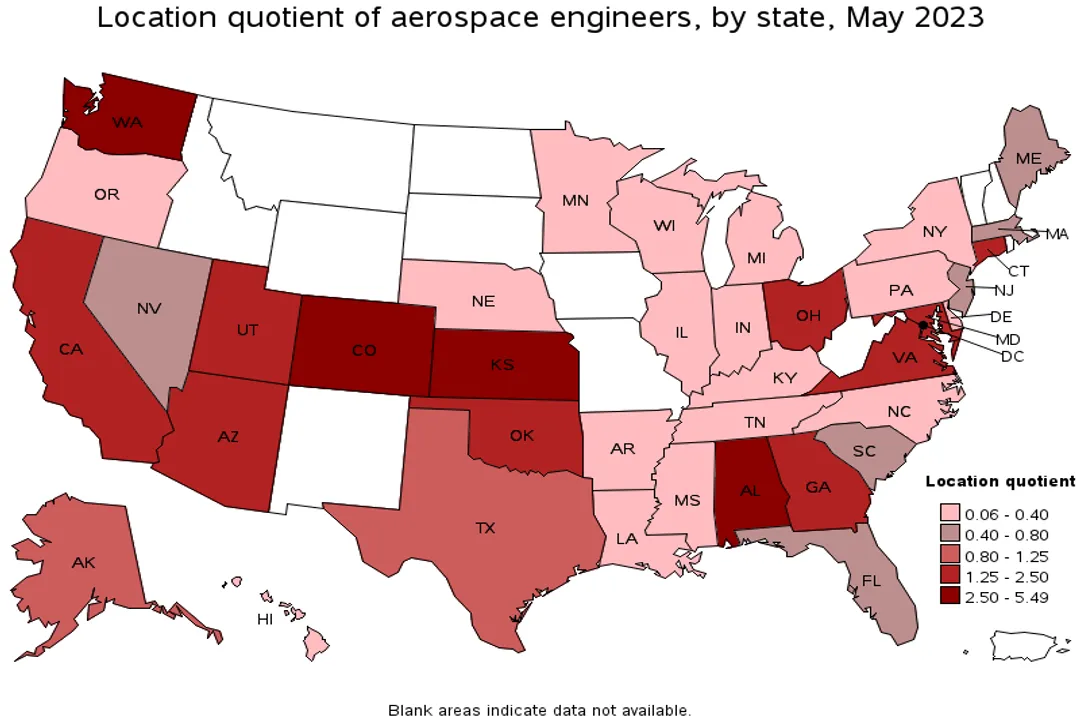
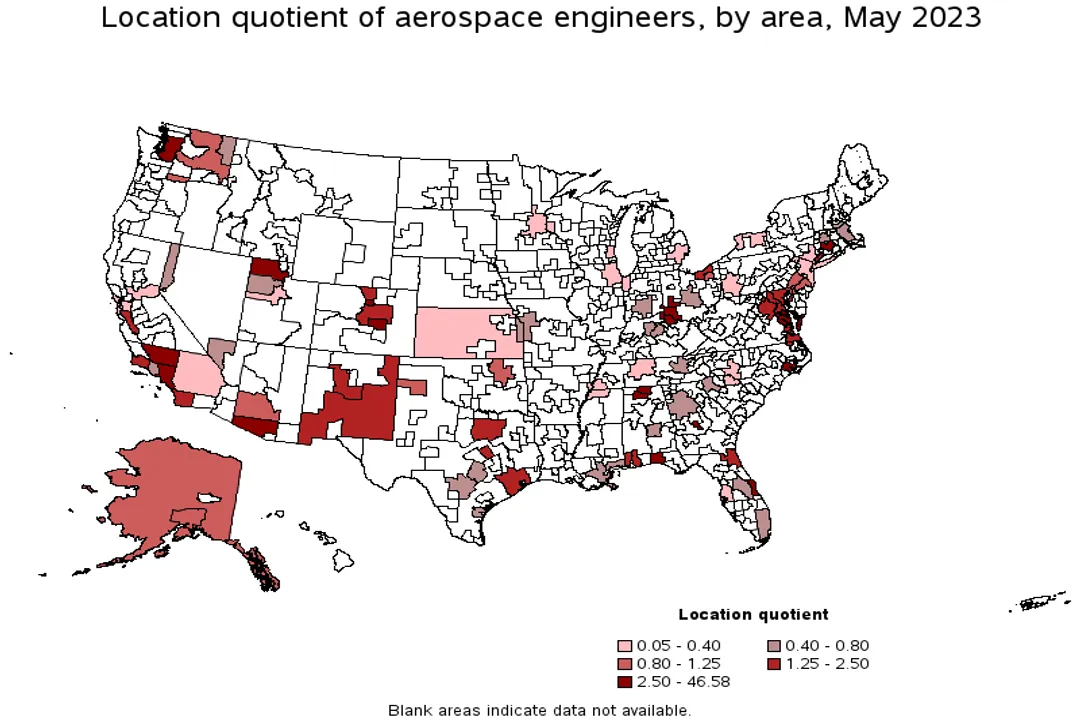
This geographic variable also complicates a simple "who pays best" comparison. Salary expectations and actual remuneration can vary significantly based on location. [6] For instance, data comparing countries shows that while the US generally offers high pay for aerospace professionals, other nations with strong aerospace industries, like Switzerland or Australia, might present different compensation structures and cost-of-living adjustments that affect real earning power. [6] Even within the US, a senior engineer working in a high-cost area like California or Seattle will command a higher salary than a peer with identical experience in a lower-cost region, reflecting local market pressures. [10]
# Strategies for Top Earnings
Aiming for the upper echelon of aerospace pay, such as salaries exceeding $200,000 per year, requires a proactive career plan. [7] One path discussed among professionals is achieving principal or director-level engineering roles within large, established corporations, which often have defined salary bands for such senior contributions. [7][10] These positions demand deep experience, often including leading complex projects from concept through flight readiness. [8]
Alternatively, some engineers consider starting their own businesses as a route to potentially unlimited income. [7] While this path carries significant financial risk and the initial income might be zero or negative, successfully consulting or creating a niche space technology product company could eventually yield compensation far exceeding what a traditional employer might offer. [7] This business route is less about finding the highest-paying employer and more about becoming the highest-paying entity for your own specialized skills. [7]
The consensus among industry discussions suggests that longevity and specialization within high-demand niches are critical factors for maximizing salary within a traditional employment structure. [1][8] Companies that are heavily involved in cutting-edge areas—whether that is advanced materials, complex autonomy systems, or next-generation launch vehicles—are often competing fiercely for the best talent, which drives salaries upward. [8][9]
One practical consideration for candidates looking to maximize their offer is to focus on the total rewards statement, not just the base salary. When negotiating, understanding the vesting schedule of any offered equity, the size of performance bonuses, and the value of professional development budgets can reveal which offer truly represents the best long-term financial commitment from an employer. [4] It is an insightful strategy to quantify the cash value of non-salary benefits like 401(k) matching or tuition reimbursement, as these can sometimes add several thousand dollars to the effective yearly income. [10]

# Employer Types Compared
While naming the single highest-paying company is difficult without proprietary data, we can categorize the likely top payers. Generally, the market suggests a competition between:
- Established Prime Contractors/Defense Leaders: These firms often have large, stable budgets, long-term government contracts requiring high-level security clearances, and established salary bands that place senior engineers very high on the pay scale. [5]
- Venture-Backed Space Leaders: Newer companies that have secured substantial private funding often use high Total Compensation packages, heavily weighted toward stock options, to lure top talent away from established industry players. [4] Their base salaries might be competitive, but the equity upside is the attraction.
- Specialized Tech Firms: Companies whose core work involves high-end software or hardware development for the space industry (rather than building the launch vehicle itself) often benchmark their pay against the highest tiers of the general tech sector, which can lead to exceptionally high compensation for software architects or AI/ML specialists working on flight systems. [4][5]
In summary, the company paying the most is likely one that requires the rarest combination of skills—say, an expert in guidance navigation and control with extensive flight hardware experience working on a high-priority, well-funded program, whether that program is defense-related or part of a major commercial satellite constellation rollout. [1][2] The pay isn't just tied to the industry, but to the criticality of the role within that industry. [8]
Related Questions
#Citations
Best companies to work for as an aerospace engineer? - Reddit
The 19 Highest Paying Aerospace Engineer Jobs in 2025
Aerospace Engineers - Bureau of Labor Statistics
Aerospace Engineer Salary - Levels.fyi
The Top 15 highest-paying jobs in aerospace & defense - Ladders
11 Highest Paying Countries for Aerospace Engineers
How to get a good salary ($200,000+ a year) as an aerospace ...
15 Jobs in the Space Industry (With Duties and Salary) | Indeed.com
Aerospace Engineer: Average Salary & Pay Trends 2025 - Glassdoor
Aerospace Engineering Salary In The USA 2024: An Overview