How many successful missions has SpaceX done?
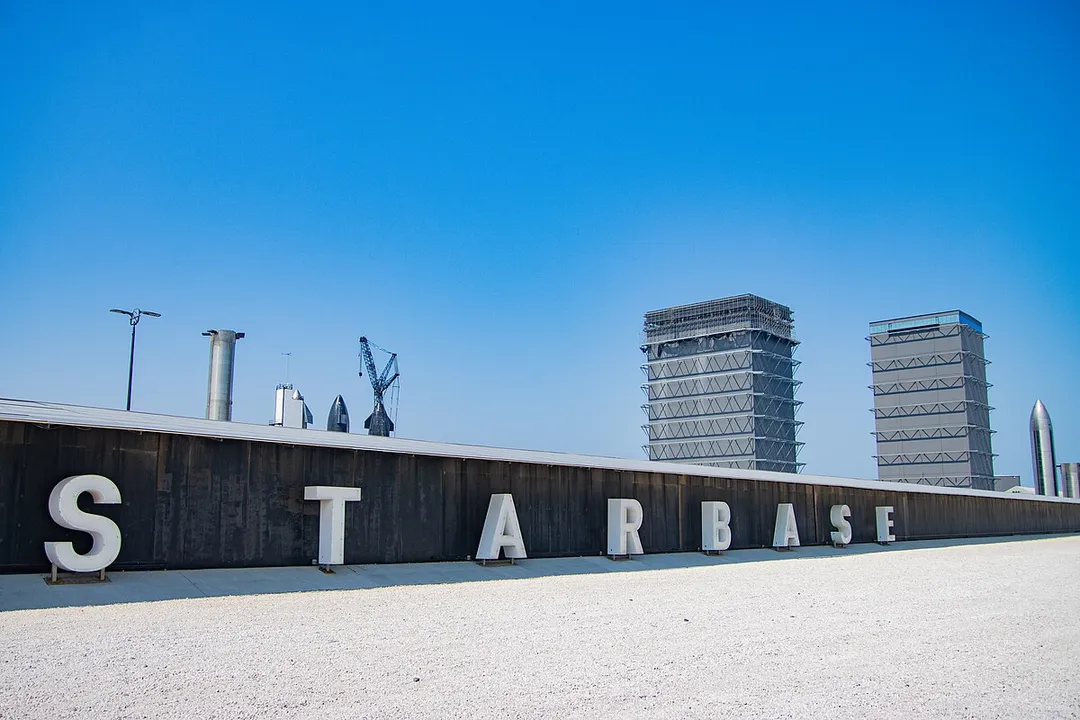
The sheer volume of orbital launches emanating from SpaceX facilities has made tracking the exact cumulative total of successful missions a moving target, reflecting an unprecedented operational tempo in the aerospace industry. While a precise, single, real-time number is elusive without direct access to live launch manifests, examining the publicly reported milestones from late 2023 and early 2024 provides a clear picture of the scale of their success. [4][5][10] SpaceX operates on a cadence that constantly redefines what is considered 'frequent' in spaceflight, making historical milestones quickly obsolete. [1]
# 2023 Achievements
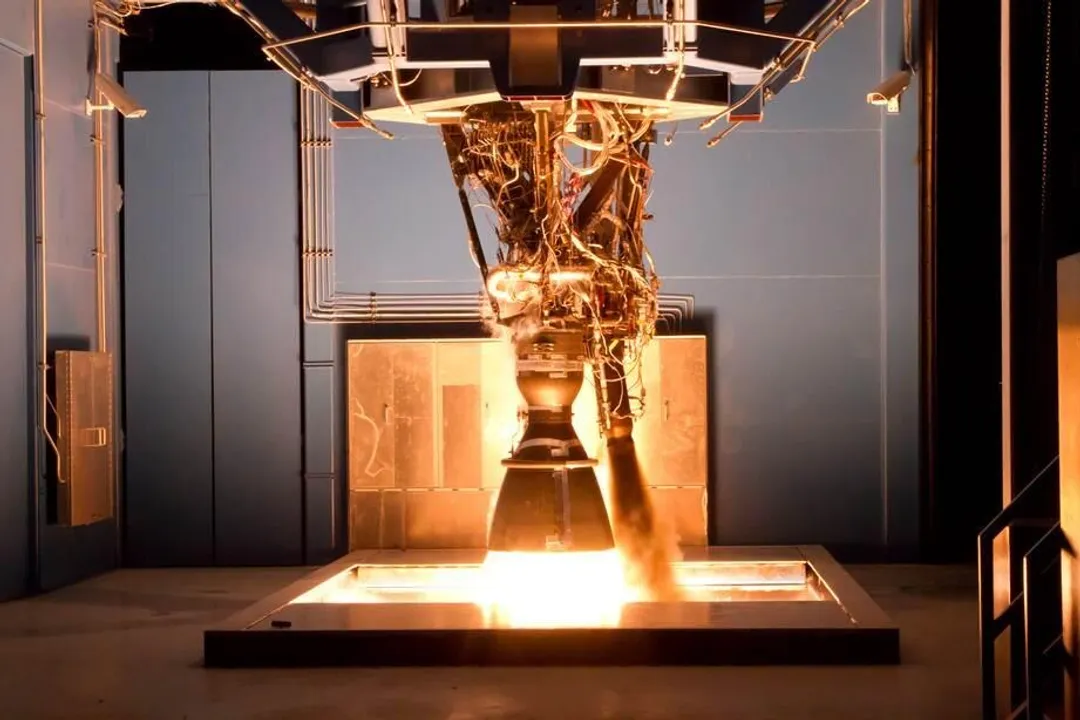
The year 2023 proved to be a significant benchmark for the company's mission performance. In a notable achievement, SpaceX set a new annual record by completing 96 successful rocket launches throughout that calendar year. [7][9] This feat demonstrated an incredible density of operations, moving from traditional aerospace schedules—where one launch per month was common for many players—to launching rockets multiple times per week. [9] This record-setting pace placed immense pressure on ground operations, integration teams, and range availability, all of which had to mature rapidly to support the schedule. [1]
Further highlighting the accelerating pace, one snapshot indicated that SpaceX had successfully completed its 100th mission to date within that specific year, suggesting a final tally for 2023 might have slightly exceeded the commonly cited 96 figure, or that the 100th mark mentioned in a social media update referred to a running total that briefly included a mission from the very start of the year before the final record was set. [3] For context, the company's success rate on the Falcon 9 and Falcon Heavy vehicles is remarkably high, with the Falcon 9 being a workhorse for numerous demanding tasks. [4]
Analyzing the 96 launches recorded for 2023, if we take an even distribution across the 365 days, it averages out to a launch roughly every 3.8 days. [9] This steady rhythm, which can often accelerate during peak periods, is a core metric of their operational success, far surpassing the cadence of any other national or private launch provider historically. [1]
# Recent Tally Context
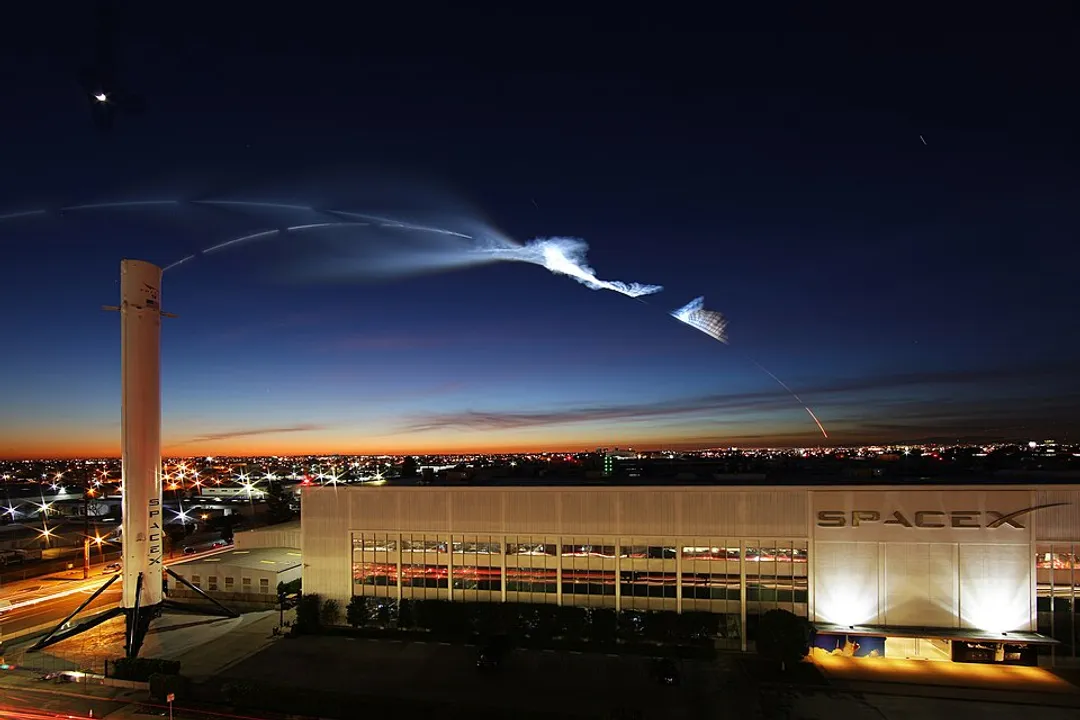
To understand the current scope, one must look at cumulative data points provided by tracking sites. While the specific count fluctuates daily with every successful flight, data points gathered near the start of 2024 showed the total number of successful missions well over the 300 mark, with specific tracking websites already logging over 350 cumulative successful orbital launches. [10] These totals include all successful orbital missions conducted by both the Falcon 9 and the heavier Falcon Heavy rockets. [4]
When comparing official listings, such as those on SpaceX’s mission page, against third-party statistical aggregators, one observes that the definition of a "successful mission" generally implies that the primary payload—whether a crew capsule, a large satellite, or a batch of Starlink satellites—achieved its intended orbit, and the vehicle performed as expected. [2][6][10] The list of Falcon 9 and Falcon Heavy launches provides the granular detail necessary to confirm these totals, categorizing each attempt by date, payload, and outcome. [4]
This continuous cataloging allows for the observation that success is not just about reaching orbit, but about the reliability of the complex recovery procedures. A key differentiator for SpaceX is the routine success of booster landings following these missions, which often share the same success metrics as the payload delivery itself. [4]
# Mission Types and Diversity
The concept of a "successful mission" is broad because SpaceX handles several distinct customer classes, each with unique requirements for launch precision and vehicle configuration. [2]
# Crewed Flights
Missions carrying astronauts to the International Space Station (ISS) aboard the Crew Dragon spacecraft represent the highest bar for mission assurance. Success here is defined not only by orbital insertion but by the flawless execution of docking procedures and the subsequent safe return of the crew. [1] Every successful crew rotation mission adds significant prestige to the overall mission count, as these are inherently complex, high-stakes endeavors. [2]
# Cargo and Commercial Payloads
A vast majority of successful flights involve launching government science payloads, commercial communications satellites, or, most frequently, batches of Starlink satellites. [2][6] These missions test the vehicle's performance under different weight distributions and orbital inclinations. For example, a standard Starlink mission demands an extremely high number of successful first-stage landings because the vehicle is often tasked with landing hundreds of miles downrange from the launch site to enable high-cadence reuse. [4]
# Falcon Heavy Missions
The Falcon Heavy, composed of three Falcon 9 first-stage boosters strapped together, has its own record of successes. While launched less frequently than the standard Falcon 9, its successful deployment of heavy payloads to high-energy orbits, such as geosynchronous transfer orbit (GTO), solidifies the vehicle family's heavy-lift capability. [4] A successful Heavy launch is often characterized by the simultaneous recovery of the two side boosters and the central core, a threefold recovery success that significantly compounds the overall operational achievement. [1]
# Understanding Success Rates
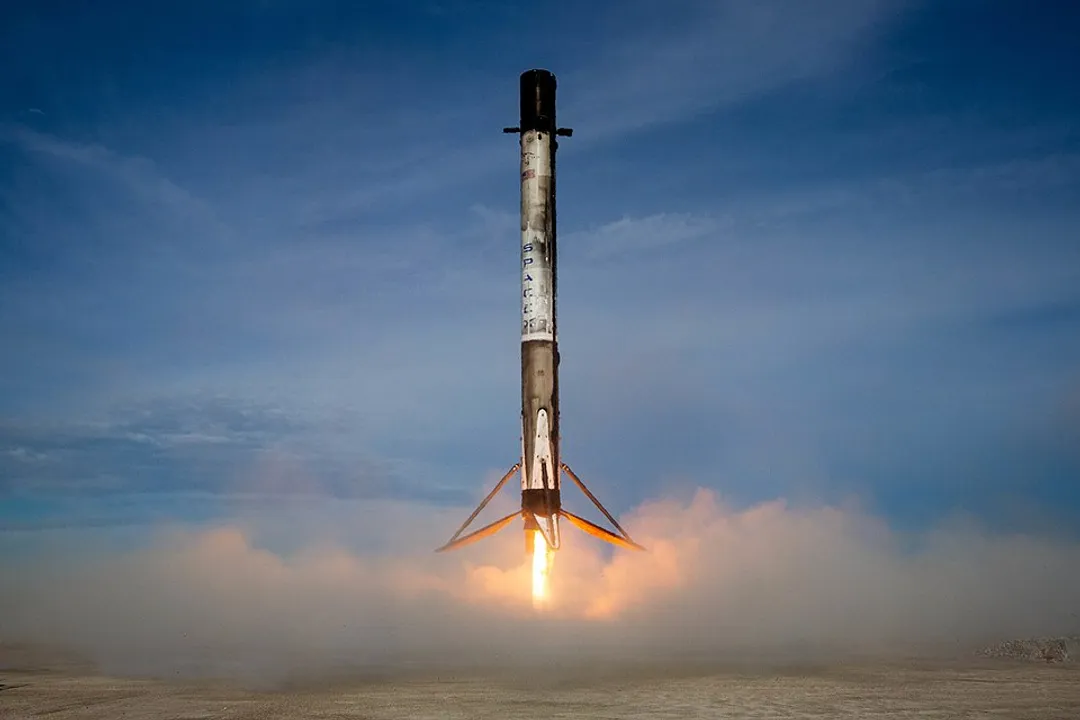
While the cumulative number of successful missions is large, the rate of success is arguably more important for long-term planning and insurance underwriting. The Falcon 9 has maintained an exceptional orbital success rate, often quoted as being in the high 90 percent range across its entire operational history. [4]
When calculating the success rate, one must decide what constitutes a failure. If a mission successfully delivers its primary payload into the correct orbit, but the booster is lost, is that a mission success? Typically, for customer contracts, the primary goal is payload delivery, meaning the mission is often deemed a success despite the loss of the booster. [10] However, for SpaceX's internal metrics regarding reusability goals, the loss of a booster is a major setback. Therefore, the company's operational success has evolved to prioritize two simultaneous metrics: payload to orbit and booster recovery. [4]
This distinction leads to an interesting analysis of operational scaling. The focus is shifting from merely achieving a successful launch to achieving reusable success rapidly. Consider the logistics: launching a vehicle every few days requires complex ground support equipment and rapid inspection/refurbishment capabilities. [9] The high number of successful missions is therefore a testament not just to the rocket's engineering, but to the maturity of the entire ground-to-flight ecosystem that supports it. [5]

# Operational Insights: The Reuse Multiplier
The impressive mission counts are deeply intertwined with the success of booster reuse. A single Falcon 9 booster can fly dozens of times. [4] If, for example, a company flies 100 missions in a year, and 80 of those flights used previously flown boosters, the actual physical hardware used is far less than 100 vehicles. [10] This multiplier effect means the total number of successful launches significantly outpaces the number of unique rocket bodies built, which is a key economic driver for SpaceX. [1] When evaluating the "total successful missions," it is worth keeping in mind that many of these successes represent the reuse of hardware, which is a secondary mission success in its own right.
# The Path Ahead
Looking forward, the established success pipeline from the Falcon program underpins the development and testing of the next-generation vehicle, Starship. [1] The consistent, high-frequency successes of the Falcon family provide the financial means and the operational experience necessary to test a much larger, fully reusable system. [5] Every successful launch contributes data, revenue, and engineering experience that flows directly into the larger ambitions of the company. [2] Tracking the cumulative success count is, therefore, tracking the financial and technical foundation being laid for the next major phase of human spaceflight.
The trajectory strongly suggests that future mission counts will continue to rise, driven primarily by the massive deployment cadence required for the Starlink constellation, making the simple tally of "successful missions" a benchmark that will likely need to be measured in the hundreds per year rather than per year overall, as seen in the 2023 records. [5][9]
#Videos
SpaceX Cleared for 100 Launches a Year from California - YouTube
Related Questions
#Citations
SpaceX - Wikipedia
Mission - SpaceX
SpaceX has successfully completed its 100th mission to date this ...
SpaceX's big year: The new records Elon Musk's space company set ...
SpaceX sets new rocket record with 96 successful launches in 2023
SpaceX Cleared for 100 Launches a Year from California - YouTube
SpaceX sets new rocket record with 96 successful launches in 2023
Statistics - SpaceXNow