How many tests were done by the NASA to qualify the Omega Speedmaster?
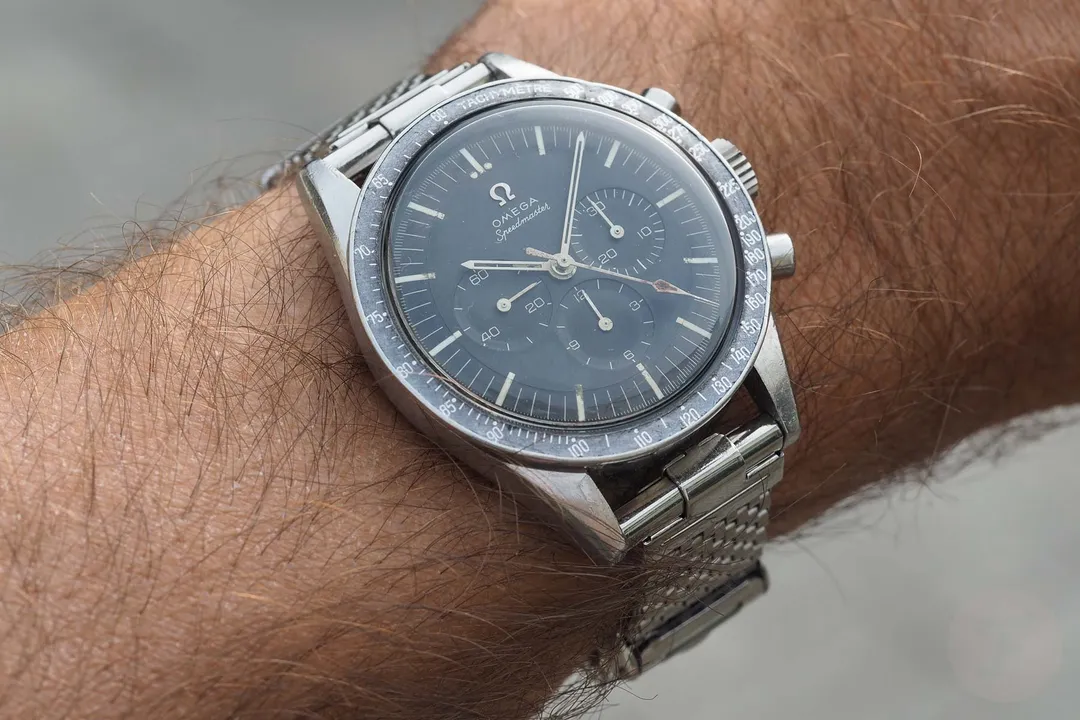
The Omega Speedmaster’s ascent to the title of "Moonwatch" is a story steeped in engineering scrutiny, a testament to its mechanical fortitude under the harshest conditions imaginable. When NASA needed a reliable, manually wound chronograph for their manned spaceflight program—specifically for the Gemini missions and subsequently Apollo—they didn't rely on brand reputation or marketing claims. They initiated a deliberate, secretive, and brutally demanding qualification process in 1964 to find a timepiece that could genuinely withstand the rigors of space. While the exact, total number of individual tests performed during the entire qualification program isn't publicly cataloged as a simple integer, the sheer variety and severity of the required environmental challenges reveal why the Speedmaster became legendary.
# Qualification Start
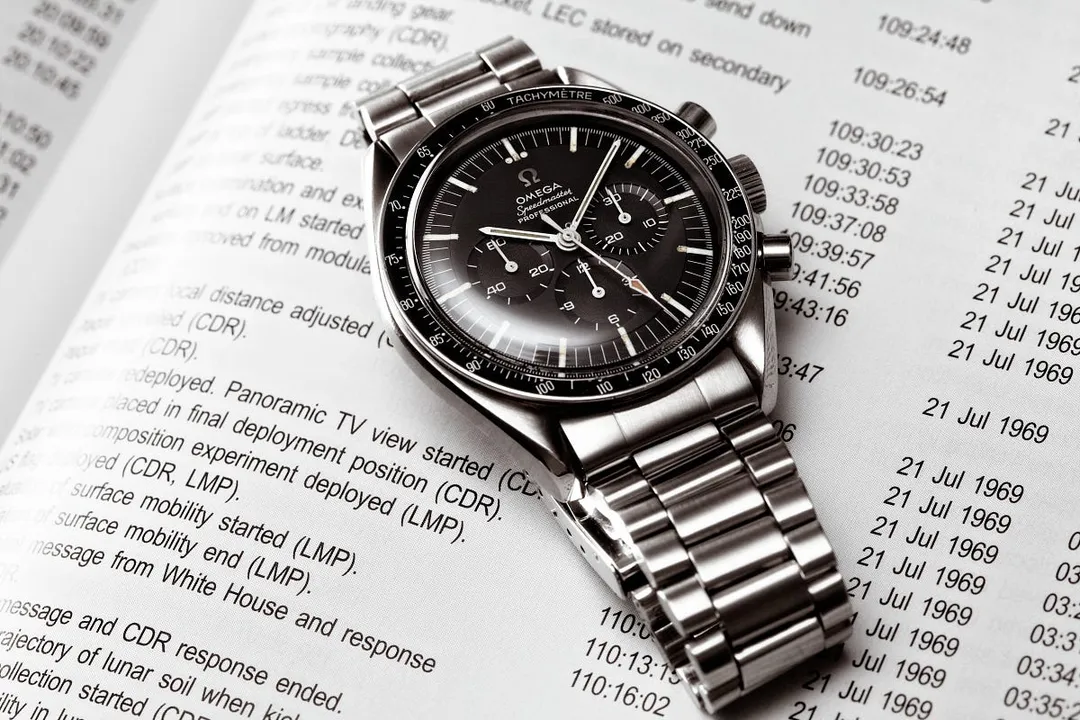
The selection process began when NASA engineers, tasked with ensuring astronaut safety and mission success, realized they needed a commercially available, off-the-shelf timing device that met stringent performance metrics. Unlike purchasing specialized equipment, the selection for this specific instrument was quite open, requiring manufacturers to submit their watches for evaluation. This open competition meant that established names, including Rolex, were part of the initial submissions. The crucial stage for the Speedmaster began in 1964 under the supervision of James R. Ragan, an engineer at NASA’s Mission Control Center in Houston.
NASA’s criteria weren't vague; they demanded a watch capable of functioning perfectly throughout the entire spectrum of operational environments an astronaut might encounter, from launch forces to the vacuum of space and back again. This meant subjecting the candidate watches to a battery of increasingly severe tests designed to mimic, and often exceed, the expected real-world stresses.
# Stress Regimen
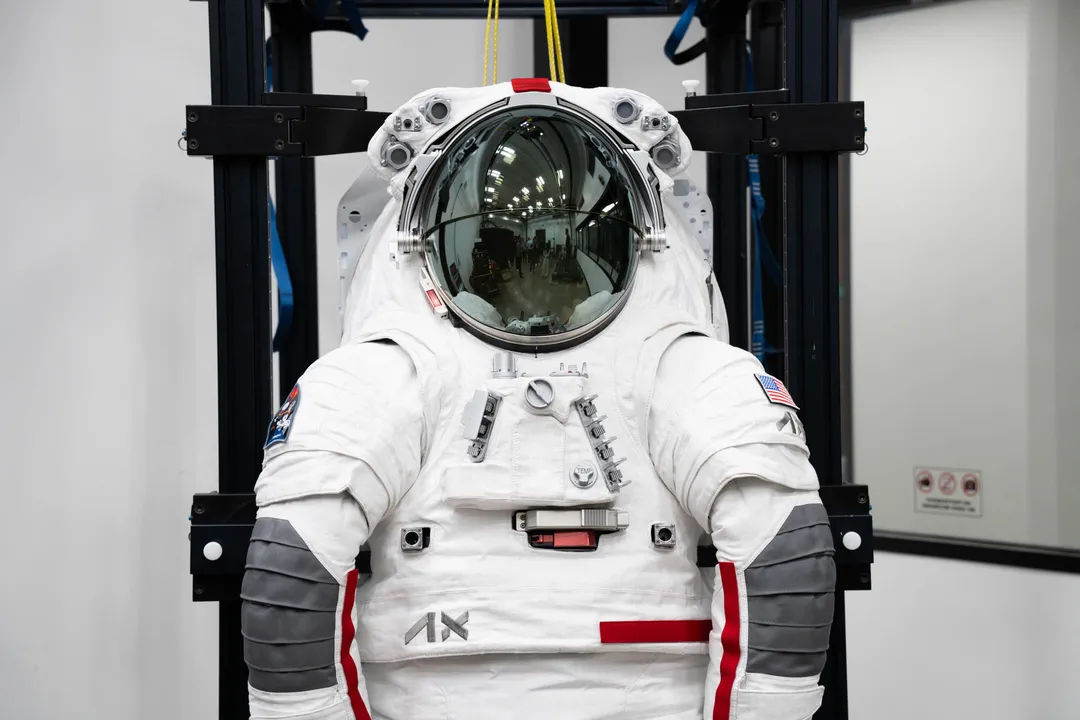
The qualification tests focused on recreating the extreme physical and atmospheric realities of spaceflight. The watches were not subjected to just one or two stresses; they faced a sequence of punishing environmental simulations that few terrestrial instruments could endure. The testing regime covered several critical physical parameters.
The main categories of stress applied to the chronographs included:
- Thermal Vacuum Tests: This simulated the dramatic temperature swings between the cold darkness of space and the intense heat of direct sunlight, often reaching hundreds of degrees in either direction. The watch had to operate flawlessly under vacuum conditions combined with these extremes.
- Acceleration Tests: Simulating the intense G-forces experienced during a rocket launch required the watches to withstand high G-loads.
- Shock Tests: The watches were subjected to powerful physical jolts, representing the stresses of launch and potential impacts during operations.
- Vibration Tests: Mimicking the constant, high-frequency shaking from rocket engines running for extended periods was another crucial hurdle.
- High and Low Pressure Tests: These tests confirmed the watch case’s integrity against significant pressure differentials, safeguarding the internal movement from the vacuum of space or cabin pressurization changes.
- Humidity Tests: A test to ensure that variations in moisture and temperature would not cause the movement to seize or corrode.
- Magnetic Field Exposure: The watch needed to maintain accuracy despite exposure to powerful magnetic fields, which can severely interfere with mechanical timekeeping elements.
It is important to note that the sources detail these types of tests, which served as the qualification standard. The successful candidate had to pass every single one of these categories to be officially declared "flight qualified for space".

# Sole Survivor
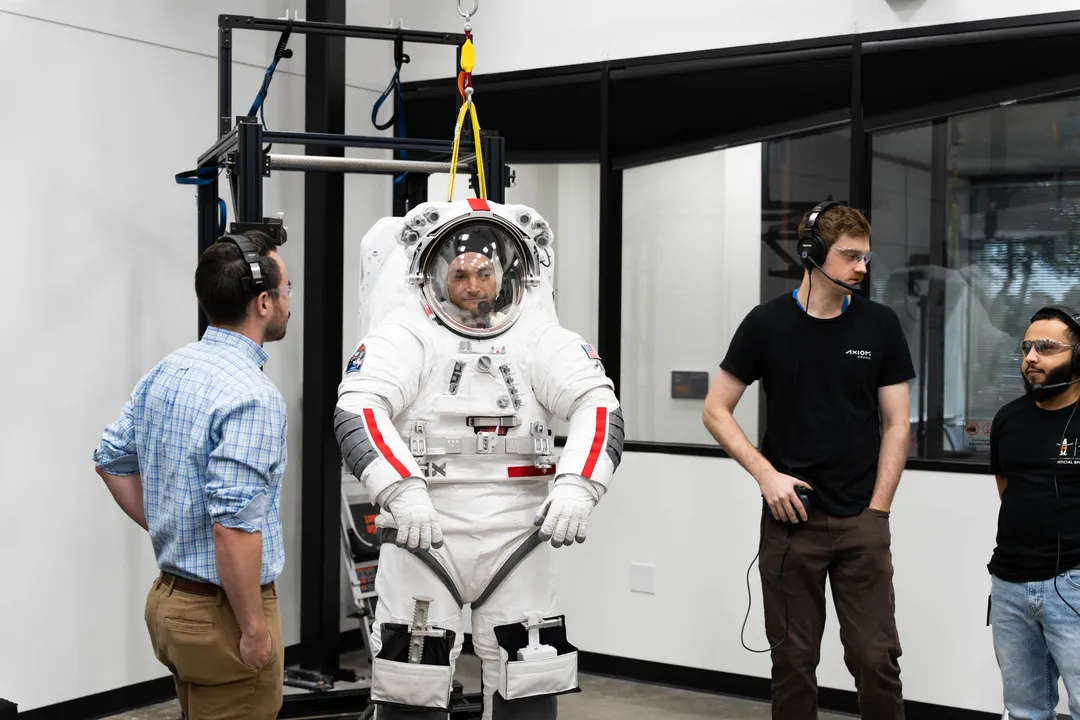
When the smoke cleared and the testing apparatus powered down, only one watch remained fully functional: the Omega Speedmaster. While the other contenders failed at various stages—some stopped working due to the heat, others due to shock or pressure changes—the Speedmaster continued to measure time accurately. This outcome was not a stroke of luck but a direct result of the specific design choices made by Omega, particularly the robust movement within its casing, which proved inherently suited to the NASA environment. The designation received by NASA was "Flight Qualified by NASA for all Manned Space Missions".
A fascinating point of comparison emerges when considering the sequence of testing. While the sources list the required types of tests, the cumulative effect of being subjected to these stresses sequentially—thermal shock, then vibration, then magnetic exposure, and so on—is what truly stressed the material composition and assembly tolerances. The watch wasn't just tested at maximum heat; it was tested after being exposed to a magnetic field, for instance.
This methodical approach reveals a key insight into NASA’s vetting process: they were not looking for a watch that performed well under one specific condition, but one that maintained its operational integrity across a spectrum of failure modes. To put this in perspective, consider a hypothetical watchmaker attempting to pass these tests today. If a watch could pass the thermal vacuum test (a known major hurdle) but failed the magnetic field test, it would be immediately disqualified, regardless of its success elsewhere. The pass/fail threshold was absolute across all listed categories.
# Reliability Standard

The qualification itself set a gold standard for mechanical reliability that went far beyond standard chronometer certification. Where a COSC certification focuses primarily on timekeeping accuracy across temperature variations, NASA’s requirements addressed survivability and functionality under extreme physical duress. The fact that the Speedmaster was the only watch to survive the entire battery of tests is the most telling metric of its qualification success.
This success has an interesting corollary for the modern enthusiast. When examining the original tests, one realizes that the watch was largely selected based on its mechanical, self-contained attributes, as opposed to any electronic aid. The Speedmaster, relying on a purely mechanical movement, proved resilient where other instruments might have succumbed to electromagnetic interference or battery failure. In an environment where a primary system failure can be catastrophic, the simplicity and proven robustness of the mechanical solution offered an indispensable redundancy. The watch was not merely an accessory; it was an approved piece of essential crew equipment, something that required the highest level of trust from mission control.
If we were to assign value based on survival, the true quantification isn't the number of tests but the zero failure rate against the specified environmental envelope. For example, if a test involved holding a watch at -180°F for two hours, and then immediately plunging it into a vacuum chamber, the "test" is a combination of duration, temperature, and pressure. The cumulative time spent under high-stress parameters likely stretched into many dozens of hours across multiple test chambers, far exceeding the minimal requirements of standard civilian certifications. The engineering effort required to maintain the timing function while undergoing these physical beatings is the essence of the qualification story, more so than any single count of procedures.

# Final Endorsement
The Speedmaster’s qualification in 1965 cemented its status, leading to its deployment on Gemini missions and eventually on the Moon during Apollo 11. Its continued use over subsequent decades, evolving with updated movements like the modern Calibre 3861, shows that the foundational qualities—the ability to survive the rigors that NASA defined—remain central to its appeal. The enduring legacy isn't just that it was used in space, but that it was tested rigorously against the worst-case scenarios an astronaut could face and emerged victorious, earning its place as the first, and for a long time, the only watch officially approved for all manned U.S. spaceflights.
Related Questions
#Citations
1965: The Speedmaster is qualified by NASA for the space program
THE MOONWATCH CERTIFICATION BY NASA - Watchfid
Omega Speedmaster: The Space Watch Tested by NASA
Celebrating 60 Years Of Speedmaster Flight Qualification At NASA
Omega Speedmaster - Wikipedia
Dispatch: Omega Celebrates 60 Years Of NASA Qualification
Flight-Qualified for Space: The Story Behind NASA's Choice of the
The Reason NASA Astronauts Relied on the Omega Speedmaster
NASA Testing Regime for the Omega Speedmaster Moonwatch