How many hours in a day is NASA?
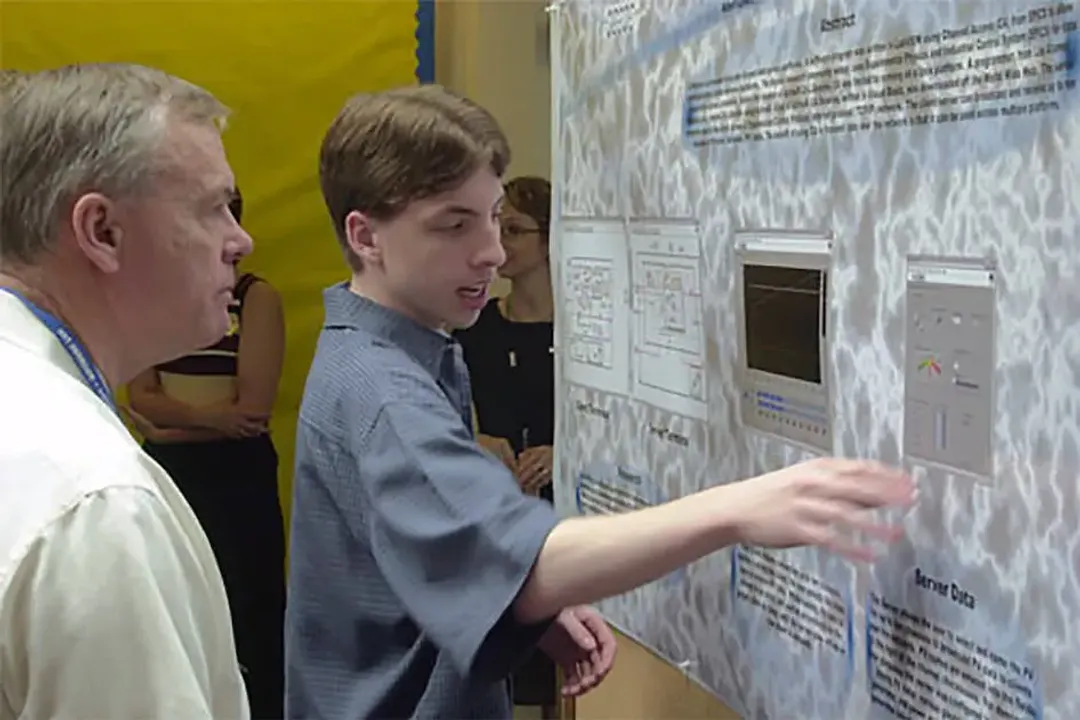
The concept of "a day at NASA" is less a single clock setting and more a collection of highly specialized time structures that depend entirely on whether the personnel are on the ground managing missions or orbiting the Earth aboard the International Space Station (ISS). For the vast majority of the agency’s employees—the engineers, scientists, administrators, and technicians—a day generally follows established patterns rooted in federal employment standards, though dedication often stretches those boundaries.
# Ground Work
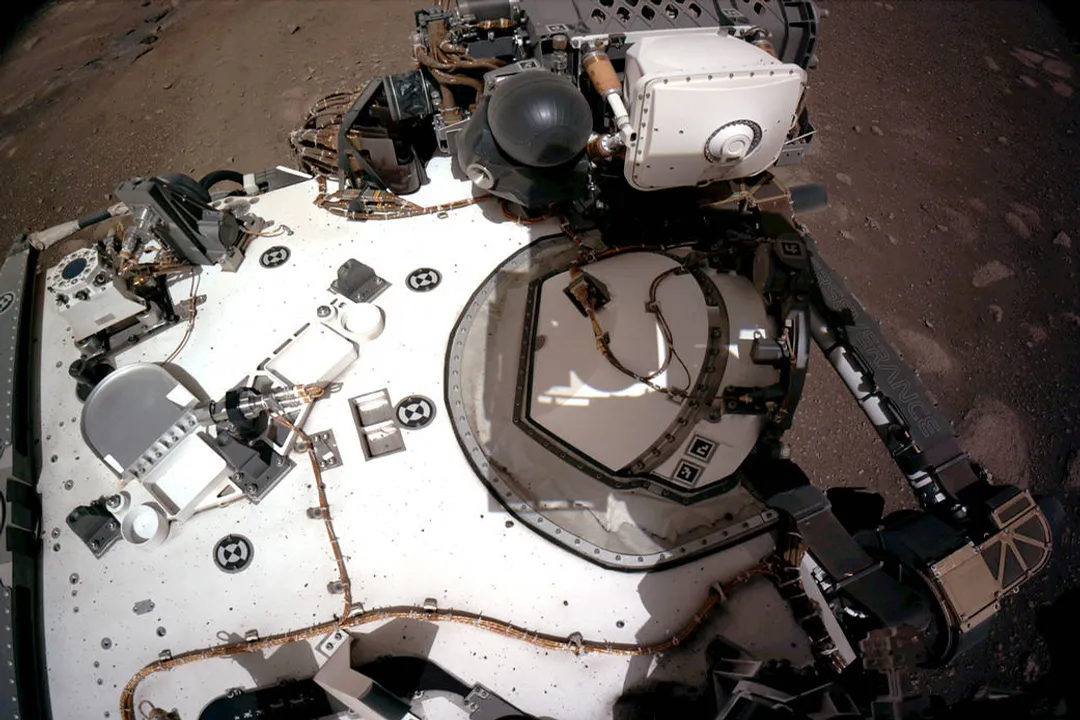
For engineers, the working week often aligns with standard expectations for technical roles, though the phrase "standard hours" can be flexible when facing a launch deadline or a critical anomaly review. While a typical administrative guideline might reference a standard schedule for federal employees, project demands frequently dictate longer stints. If an engineer is working to resolve a complex issue on a rover or preparing software for a flight test, 50 or 60-hour weeks are not uncommon, especially as deadlines approach. This dedication reflects the high-stakes nature of aerospace work where success hinges on meticulous detail, meaning downtime is often sacrificed for verification and testing.
The environment for those just entering the field, such as interns, tends to be more structured, especially in formalized programs designed for maximum exposure and learning during concentrated periods, like summer placements. These individuals are often expected to adhere strictly to the typical daytime work schedule of their assigned center or office.
# Training Schedules
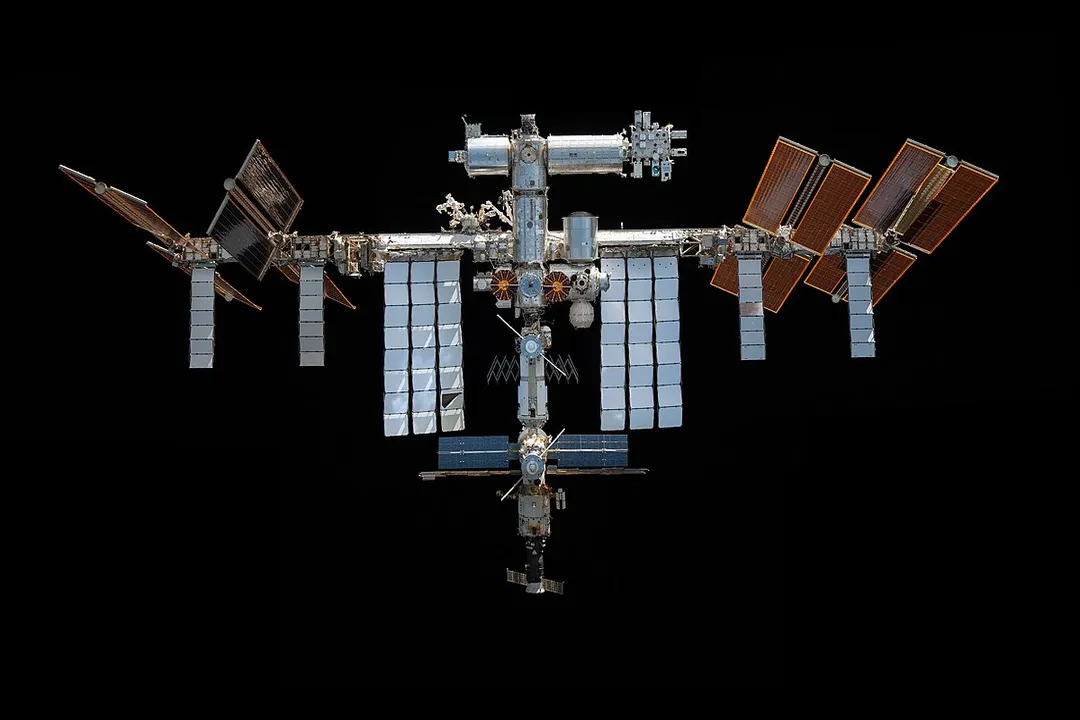
The working day for an astronaut in training looks markedly different from that of an engineer in an office cubicle. Astronaut candidates endure a grueling schedule designed to test both mental acuity and physical endurance, often dictated by the needs of upcoming missions rather than a simple 9-to-5 structure. This training can involve intense periods of activity, sometimes lasting the entire day, broken up only by necessary breaks for meals and rest. When preparing for a specific expedition, the daily schedule becomes a tightly choreographed sequence of simulations, system practice, language immersion, and physical conditioning. A significant portion of their time on Earth is spent mastering procedures that must become second nature when they are millions of miles away.

# Orbital Existence
Perhaps the most fascinating deviation from the 24-hour norm occurs for the crew aboard the ISS. The station circles the planet at roughly 17,500 miles per hour. This incredible velocity means the crew witnesses an entire sunrise or sunset approximately every 45 minutes. In a standard 24-hour period, the ISS completes about 16 orbits, meaning the crew sees 16 sunrises and 16 sunsets.
To avoid having their internal body clocks completely destroyed by this rapid cycling of light and dark, NASA and its international partners have implemented a standardized schedule based on Coordinated Universal Time (UTC), also known as Greenwich Mean Time (GMT). This choice is fundamental; it keeps mission control centers across the globe synchronized without having to constantly convert time zones, a logistical nightmare for complex, real-time operations.
A typical workday for an astronaut on the ISS is structured around this UTC clock. While the schedule varies, a standard duty day runs from about 6:00 UTC to 19:30 UTC, allowing for about 10.5 hours of scheduled work. This includes time dedicated to science experiments, station maintenance, exercise, and communication with ground teams. After the main workday concludes, astronauts typically have a period for personal time before lights out, generally around 21:30 UTC.
Consider this contrast: An engineer on Earth operating on a standard 8-hour shift experiences perhaps a single solar cycle during their core working hours, allowing the natural environment to dictate internal cues. In contrast, an astronaut working that same 8-hour block within their structured 10.5-hour duty period experiences the equivalent of nearly eleven full dawns and dusks. The maintenance of biological rhythms in this environment requires strict adherence to scheduled sleep times, often aided by light-blocking eye masks and careful management of ambient light within the station modules.
# Time Standards
The adoption of UTC for space operations serves a critical administrative purpose that extends far beyond simple scheduling. Because the ISS is a collaborative venture involving multiple countries—including the United States, Russia, Japan, Canada, and the European Space Agency—using a single, globally recognized time reference eliminates ambiguity inherent in time zone shifts. Imagine trying to coordinate a sensitive robotic arm operation requiring simultaneous input from Houston, Moscow, and Tsukuba, each operating under their local time; using UTC ensures that "14:00" means the exact same physical moment for everyone involved in the chain of command. This standardization ensures that the operational day remains consistent even as the experienced day blinks by every 90 minutes.
# Workload Perspective
When looking at the total hours dedicated to the agency's mission, the sheer volume of work across different roles demonstrates NASA's overarching commitment. If we take the typical engineer working 55 hours a week and compare that to an astronaut's scheduled duty day of 10.5 hours over a 6-day work week (63 hours total scheduled work time), we see that the orbital team is allocated slightly more time for scheduled tasks than the ground crew has for regular work hours. However, this doesn't account for the unpredictable, high-intensity hours ground teams put in during emergencies or key events like launch countdowns, which can push their weekly totals much higher than the astronaut's routine. The common thread, regardless of location or role, is the expectation of extremely high commitment to the mission objectives, whether that involves debugging code on a mainframe or manually testing life support systems in a vacuum chamber simulation.
Related Questions
#Citations
Hours of Duty - HQPR 3600.1 - NASA
How many hours does a NASA engineer work per day/week ... - Quora
How long is an astronaut's day in training at Houston? : r/nasa - Reddit
NASA Internship Programs
A day in space: Here's what an astronaut's daily routine looks like
International Space Station - Wikipedia