What is the main goal of the Mars Rover mission?
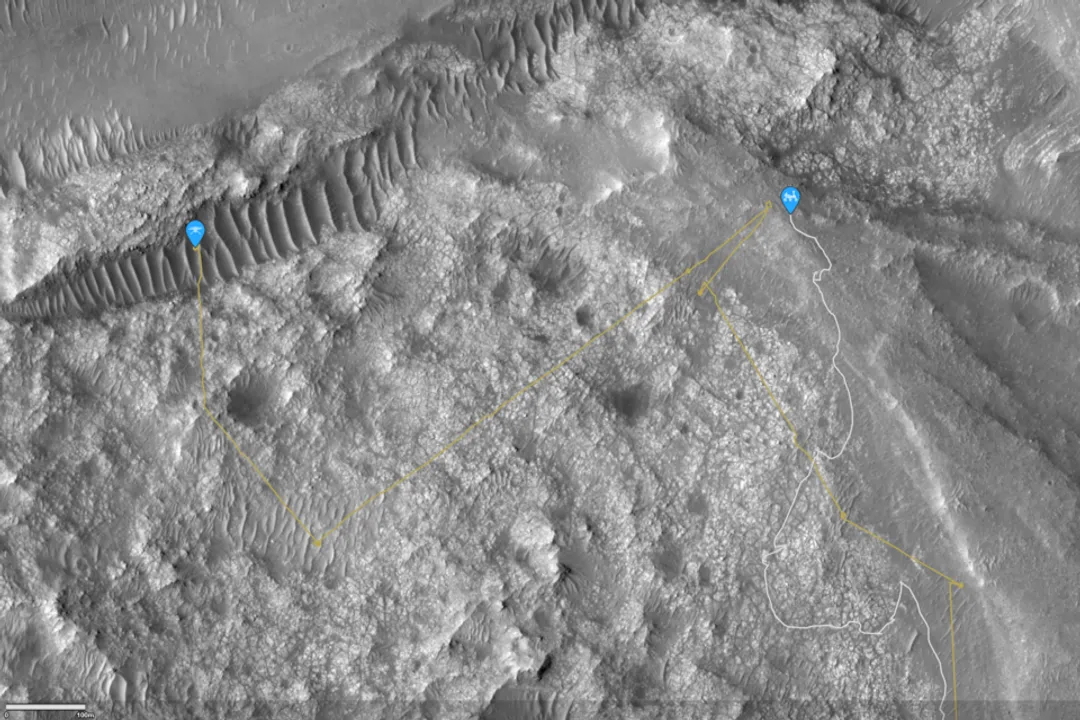
The central motivation driving the current generation of Mars rovers, particularly NASA's Perseverance mission, is an attempt to answer a profound question: Did life ever exist on Mars? While older missions laid the groundwork by assessing habitability, the primary, high-stakes objective of the Mars 2020 mission is to actively search for definitive signs of ancient microbial life. [1][6] This involves a focused search for biosignatures—evidence that life once existed—in locations scientifically determined to have once held water. [1]
The scope of these robotic explorers is multifaceted, moving beyond just the search for life to include thorough characterization of the Martian environment itself. For the Perseverance rover, this translates into detailed analysis of the planet’s geology and a deep dive into its past climate. [1][6] Understanding what Mars was like billions of years ago, when it held surface water, is inextricably linked to understanding its potential for harboring life, both past and present. [7]
# Ancient Life Search
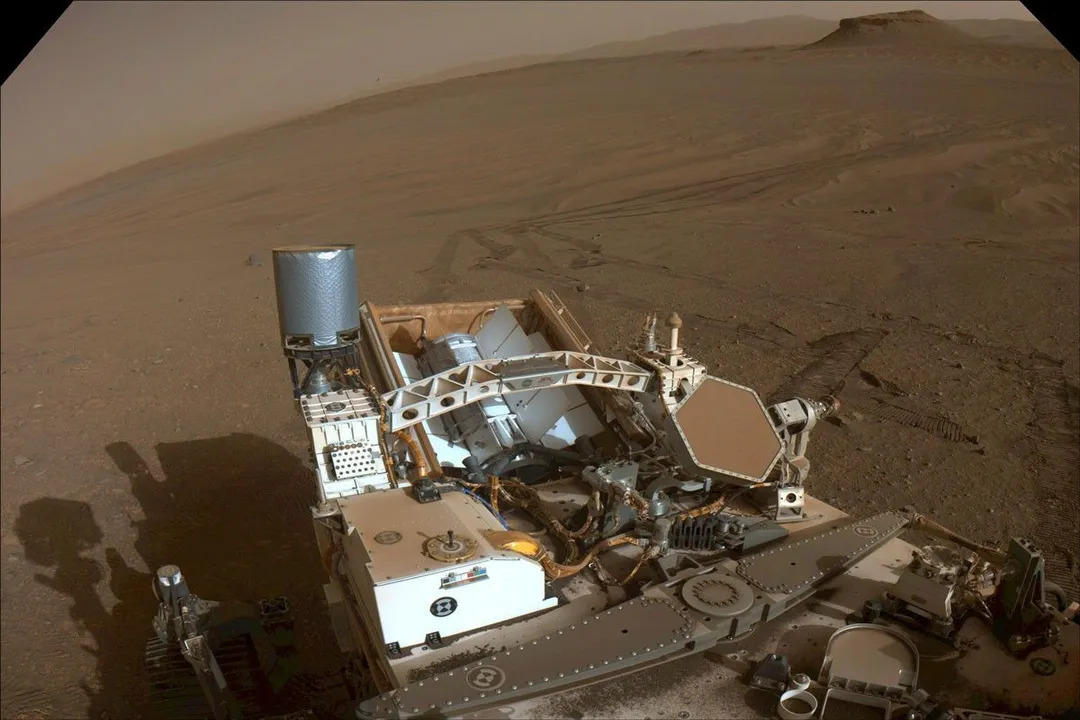
The mission parameters for Perseverance center on astrobiology, making the search for biosignatures its top priority. [6] This isn't about finding current life; the harsh surface radiation and thin atmosphere make that unlikely on the surface today. Instead, the focus is firmly in the past, targeting areas like the Jezero Crater, an ancient river delta where water once flowed into a lake. [1][3] Such watery environments on Earth are known incubators for microbial life, making the sedimentary rocks there prime targets for investigation. [5]
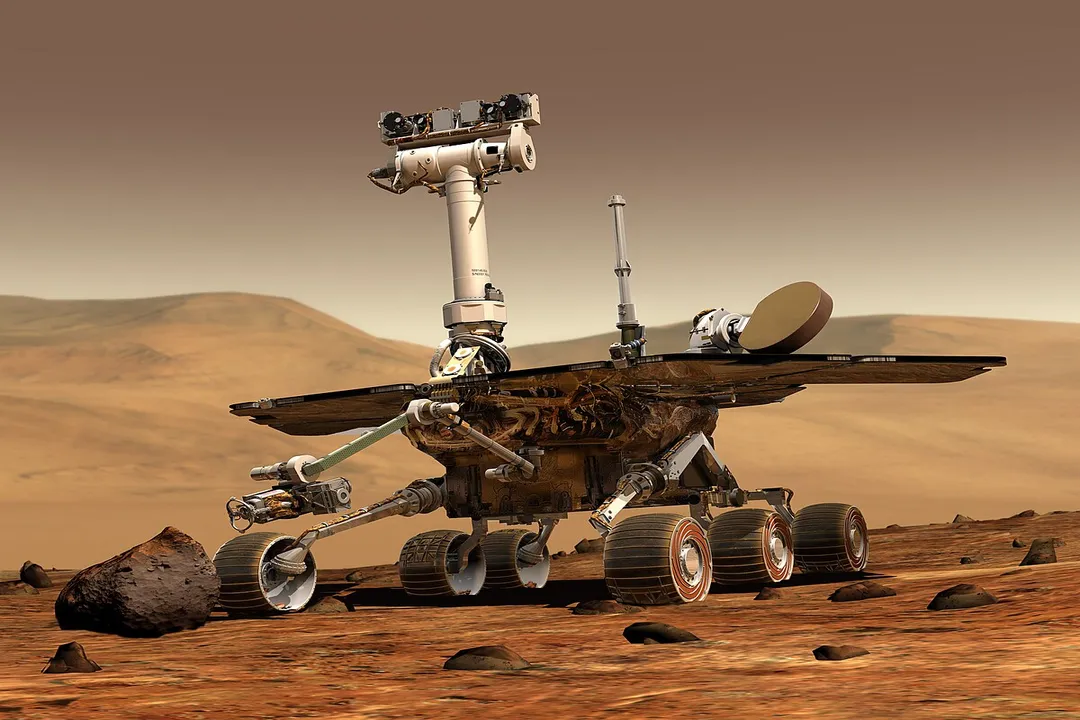
Past rovers, such as Spirit, Opportunity, and Curiosity, were also instrumental in this overarching quest. Curiosity, for instance, was tasked with determining if Mars ever had an environment capable of supporting microbial life, finding evidence that ancient Mars was habitable. [7] Perseverance builds directly upon this foundation, taking the next critical step: actively seeking the evidence of that life, not just the habitable conditions. [1][6] While Spirit and Opportunity provided crucial context regarding Martian geology and water history, the current generation is explicitly geared toward biosignature collection. [7][8]
The specific instrumentation aboard Perseverance reflects this scientific focus. Instruments like SHERLOC and PIXL work in tandem to map the chemistry and mineralogy of rock and soil samples with incredible precision, looking for organic molecules and textures that might indicate biological processes. [1] The selection of Jezero Crater itself suggests confidence in finding preserved records, as deltas are excellent natural traps for fine-grained sediments that could shield delicate organic matter from degradation over eons. [3]
# Geologic History
Understanding Mars requires more than just looking for life; it demands a deep appreciation for how the Red Planet evolved. Characterizing the planet’s current and past climate, as well as its geology, remains a core goal for all successful rover missions. [1][6] If we can reconstruct the timeline of when water flowed, when the atmosphere thinned, and how volcanic activity shaped the terrain, we gain context for the life story—or lack thereof—that might be preserved in the rocks. [7]
Perseverance is specifically observing processes like weathering and erosion, providing data that can be used to model the ancient Martian climate. The rover is examining rocks that formed in wet environments and those that formed after the water disappeared. [1] This comparative analysis helps scientists piece together the environmental transition Mars underwent from a warmer, wetter world to the cold desert it is today. [6]
When comparing missions, one sees an evolution in geologic focus. Early missions sought out mineralogical evidence of water interaction across wide regions, like the landing sites of Spirit and Opportunity. [7][8] Curiosity focused intensely on a single location, Gale Crater, to build a detailed vertical history through its sedimentary layers. [7] Perseverance is doing something similar in Jezero, but its ability to drill and cache samples introduces an entirely new dimension to geologic study by preserving samples for Earth-based analysis later. [1] It is a transition from broad reconnaissance to targeted, high-fidelity collection.
# Sample Return
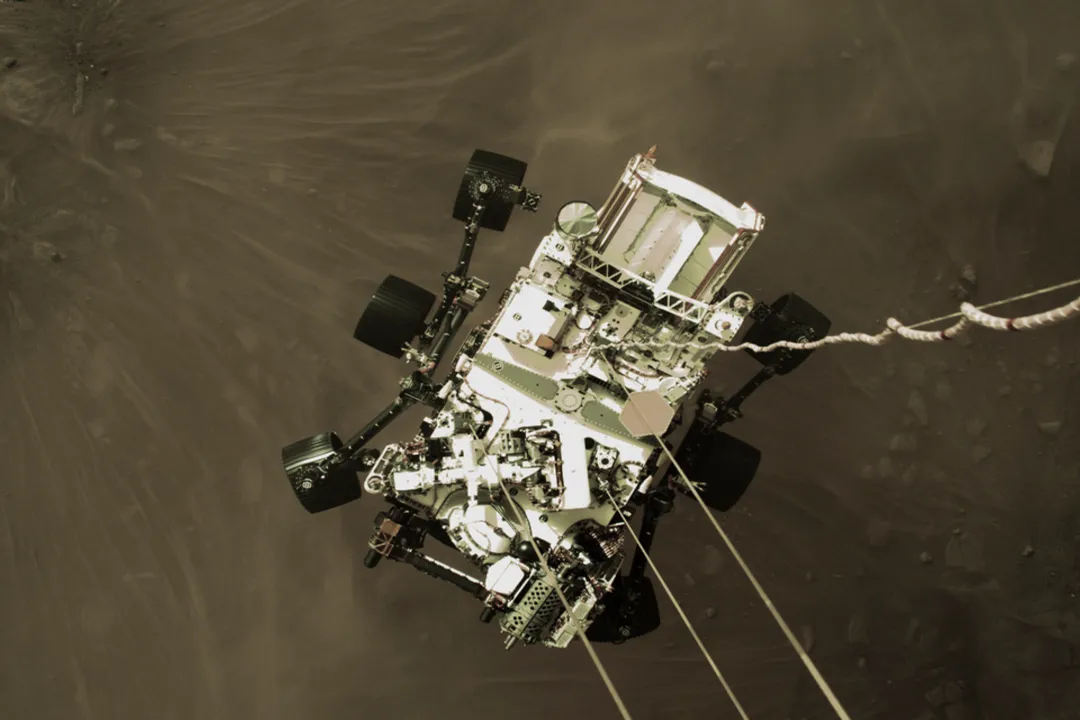
Perhaps the most logistically complex and scientifically significant objective of the Perseverance mission is not just making discoveries on Mars, but preparing to bring a piece of Mars back to Earth: the establishment of the first Mars Sample Return campaign. [1][5][6] The rover’s primary directive regarding this objective is to collect scientifically compelling rock and atmospheric samples and seal them in sterilized tubes for a future mission to retrieve. [1][5]
The decision to cache samples rather than analyzing everything on the spot stems from the limitations of in-situ analysis. While instruments on the rover are advanced, the capabilities available in Earth-based laboratories—using instruments orders of magnitude larger and more sensitive—simply cannot be replicated on a lightweight, mobile platform millions of miles away. [3] The scientists have identified precisely the types of samples—igneous, sedimentary, and possibly those with organic preservation potential—that warrant this expensive and complicated return trip. [6]
The rover itself carries a cache of sample tubes, and it is strategically depositing some of these tubes on the Martian surface in what is termed a "depot" or "caching depot". [1] This serves as a critical test case for the return architecture. If Perseverance were to fail before depositing samples in a dedicated, easily retrievable location, the Sample Return mission would have to land and use its own drill system to collect the necessary materials, adding substantial risk and complexity. [5] Perseverance effectively becomes the first stage of a multi-stage international effort. Considering the sheer engineering difficulty of landing a heavy sample return vehicle, the methodical caching process undertaken by Perseverance acts as a crucial, ground-level qualification test for the entire subsequent phase of exploration.
# Technology Demonstration
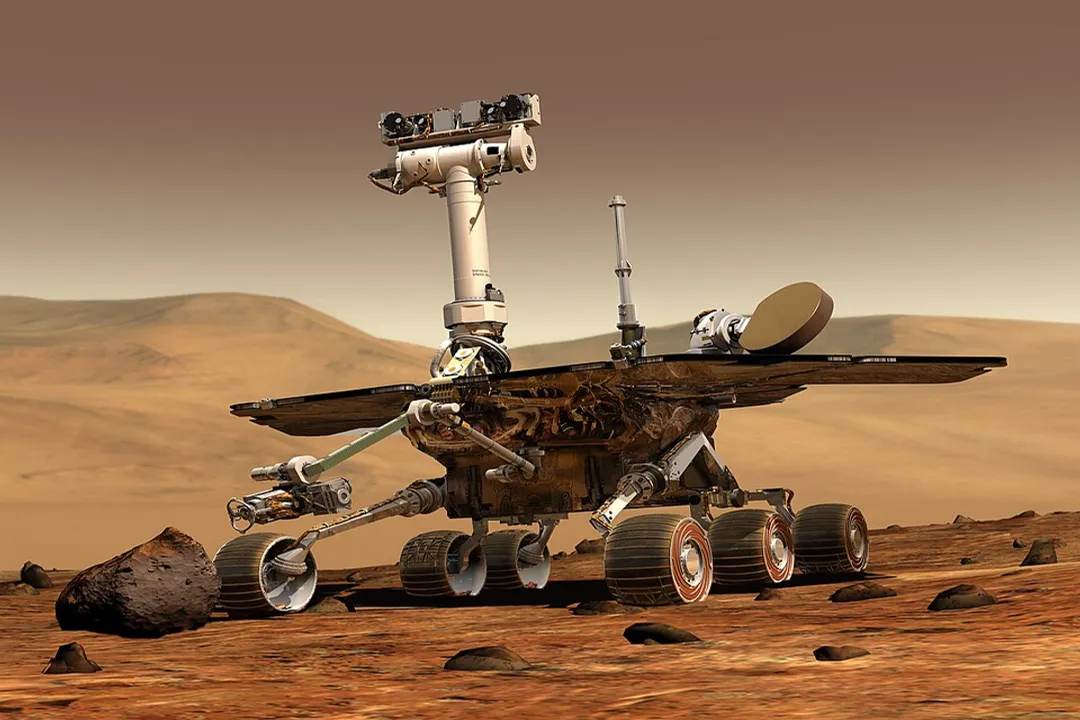
While the search for life and sample collection take center stage, a vital, practical goal of the Mars 2020 mission is proving technologies essential for future human exploration. [1] This objective ensures that the steps taken for robotic science also pave the way for sending humans to the surface.
The most notable example of this technology demonstration is the MOXIE instrument, which stands for Mars Oxygen In-Situ Resource Utilization Experiment. [1][3] MOXIE's function is to draw in the thin Martian atmosphere, which is overwhelmingly composed of carbon dioxide, and chemically convert it into breathable oxygen. [3] This experiment is not just for curiosity; producing oxygen directly on Mars—in-situ—is a game-changer for crewed missions. Transporting all necessary consumables, especially propellant oxidizer and breathable air, from Earth is prohibitively expensive and heavy. If MOXIE proves that we can reliably "live off the land" by generating oxygen from the atmosphere, the mass budget for future human missions shrinks dramatically, making round trips significantly more feasible. [1]
Another technology tested is Terrain-Relative Navigation (TRN), which allowed Perseverance to autonomously identify hazards and pinpoint its landing site with unprecedented accuracy within Jezero Crater. [2] While this is a one-time event for the landing, mastering this level of autonomous precision is vital for landing heavier payloads needed for crew habitats or larger science platforms in the future. Furthermore, the rover carries the Ingenuity Mars Helicopter, which demonstrated powered, controlled flight on another world, proving aerial reconnaissance is possible and paving the way for future aerial scouts that can cover ground much faster than a rover. [1][2] These technological milestones transform the Mars surface from a distant outpost to a potential forward operating base.
#Videos
How does a Mars Rover work? (Perseverance) - YouTube
Related Questions
#Citations
Perseverance Science Objectives
Perseverance (rover) - Wikipedia
The Scientific Goals of the Mars Rover - The Leonardo
How does a Mars Rover work? (Perseverance) - YouTube
Scientific goals of the Mars 2020 mission
Mars Rovers | Overview, Objectives & Names - Study.com
Mission Overview: NASA's Perseverance Mars Rover