What is the purpose of Mars Perseverance?

The fundamental objective of NASA’s Mars Perseverance rover mission is nothing less than answering one of humanity’s oldest scientific inquiries: Did life ever exist on Mars? Launched as the centerpiece of the Mars 2020 campaign, Perseverance builds directly upon decades of preceding robotic work, which established that ancient Mars once possessed liquid water and conditions that could have supported microbial life. Perseverance’s role is to move from assessing habitability conditions to actively seeking the actual signs of past life itself.
This grand quest is organized around several interlocking purposes, supported by its high-tech suite of instruments and its specific landing location. The mission's science objectives are fourfold: identifying past environments capable of supporting microbial life, actively seeking biosignatures within those environments, preparing critical technologies for future human exploration, and, perhaps most uniquely, collecting and caching Martian rock and regolith samples for eventual return to Earth.
# Site Selection
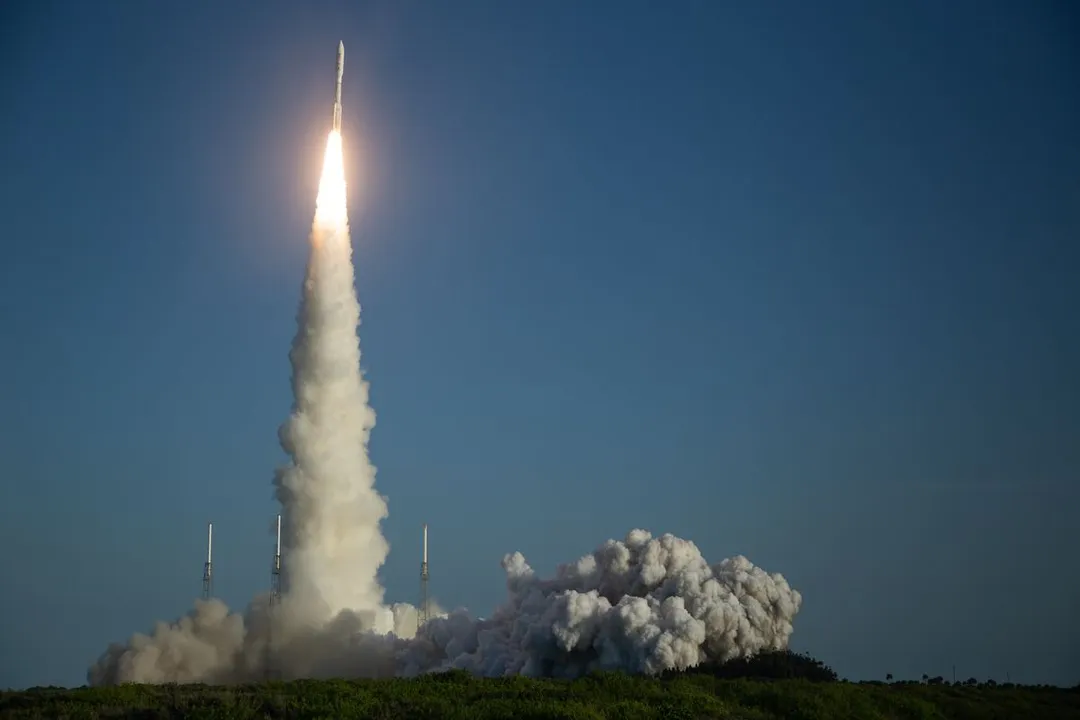
The selection of the landing spot was not arbitrary; it was the primary driver dictating the rover’s entire scientific mandate. Perseverance touched down in Jezero Crater, an area carefully chosen because orbital data indicated it was flooded with water over $3.5$ billion years ago, forming a vast lake fed by an active river delta. River deltas, on Earth, are prime locations for preserving delicate signs of ancient microbial activity, making this site a geological jackpot for astrobiology.
Scientists noted that Jezero Crater tells a complicated story of a dynamic, wet past, with evidence suggesting water filled and drained from the site multiple times. Furthermore, the site selection process, which involved an exhaustive study of over 60 candidates, prioritized areas containing carbonates, minerals known to be excellent preservers of organic materials. Early exploration confirmed the geological richness, with the discovery of various types of igneous rock alongside sedimentary layers, indicating a complex history involving volcanic activity followed by the presence of a standing lake. The precision of Perseverance’s landing, facilitated by Terrain Relative Navigation (TRN), allowed the rover to touch down very close to these high-priority science targets, shaving what could have been a year off the initial traverse time.
# Seeking Life
If ancient Martian microbes existed, their preserved remains, or biosignatures, would likely be locked within specific rock types. Perseverance carries specialized instruments to conduct this delicate forensic work at a microscopic scale, capabilities that surpass its predecessors like Curiosity.
The mission’s search for life relies heavily on instruments mounted on the $2.1$ meter-long robotic arm. The SHERLOC (Scanning Habitable Environments with Raman and Luminescence for Organics and Chemicals) instrument uses an ultraviolet laser to scan materials and detect organic compounds—the chemical building blocks of life as we know it. It works in concert with PIXL (Planetary Instrument for X-Ray Lithochemistry), which uses X-ray fluorescence to determine the fine-scale elemental composition of the Martian surface materials.
The rover's mast-mounted SuperCam suite complements these tools by using lasers to zap rocks from a distance, analyzing the resulting vapor to assess chemical composition and look for organic compounds remotely. These targeted investigations are crucial; for example, the discovery of evidence in certain sedimentary fans that would have been highly habitable—and ideal for preserving signs of ancient life—demonstrates the direct fulfillment of the mission’s core purpose. The very name of the rover, Perseverance, reflects the dedication required not just to reach Mars, but to conduct this subtle, detailed search for traces of non-Earth life.
# Caching Samples
The most ambitious and forward-looking purpose of Perseverance is the caching of samples for a future mission to bring back to Earth—the Mars Sample Return campaign, a joint effort with the European Space Agency (ESA). While previous rovers have brought limited data back, the detailed analysis required to definitively confirm ancient life often requires equipment too large or complex to send to Mars. Getting these samples into terrestrial laboratories is the only way to achieve the necessary scientific reproducibility and depth of analysis.
Perseverance has demonstrated the ability to drill, extract core samples of rock and regolith (Martian soil), and hermetically seal them inside sterile titanium tubes. This process is incredibly sophisticated; the Sample Handling Assembly (SHA) acts as a precise robotic assistant, managing volume assessment, imaging, sealing, and storage within the rover's belly. The rover’s design includes a secondary, hidden arm solely dedicated to this assembly process, making it the most complicated mechanism ever sent to space by NASA up to that point.
The sample architecture is designed with redundancy in mind. Perseverance carries dozens of sample tubes internally, but as a critical backup, it has also deposited multiple tubes on the surface at a designated depot, known as "Three Forks". This strategic redundancy acknowledges the inherent risks of deep-space robotic missions; by caching samples in two locations, the scientists increase the probability that future retrieval missions, scheduled years later, will be able to recover the scientifically compelling materials gathered.
If we consider the sheer logistical challenge, the purpose of sample caching is arguably the most complex engineering feat of the entire mission. It requires not just precise drilling but a sustained operation over years across varied terrain to select the most representative geological record, from ancient lakebed sediments to rim rocks that represent deeper Martian history. The commitment to this goal is reflected in the sheer variety of samples collected, including igneous rock, sedimentary rock, silica-cemented carbonates, and even Martian atmosphere.
# Future Preparation
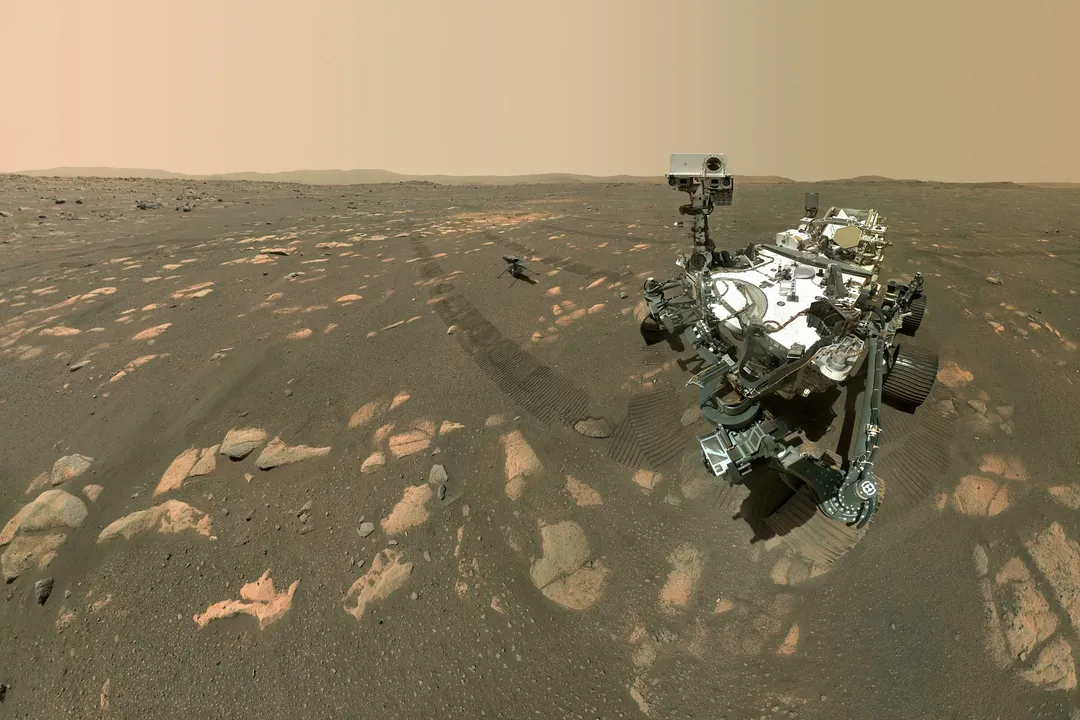
Beyond the search for ancient life, a secondary, yet vital, purpose of the rover is to directly test technologies necessary for the success of future human expeditions to Mars. This preparation spans multiple domains, from resource utilization to environmental awareness.
A significant technology demonstration involves the Mars Oxygen ISRU Experiment (MOXIE). This device is designed to actively convert the thin Martian atmosphere, which is predominantly carbon dioxide, into breathable oxygen (). Scaling this up would provide two indispensable resources for human missions: breathable air for the crew and, critically, rocket propellant for the ascent vehicle used to return astronauts to Earth. MOXIE has already demonstrated this feasibility by successfully producing oxygen from the Martian .
Understanding the environment is equally important for astronaut safety. The Mars Environmental Dynamics Analyzer (MEDA) is a suite of sensors measuring temperature, wind, pressure, humidity, and dust characteristics. This continuous weather monitoring helps scientists characterize the environment that future astronauts will encounter. Furthermore, the RIMFAX (Radar Imager for Mars' Subsurface Experiment) is a ground-penetrating radar designed to map subsurface structure, seeking evidence of buried water ice or salty brine deposits, which represent potential in-situ resources for a permanent outpost.
The very power source chosen for Perseverance reflects a preparation for long-duration missions. Unlike the solar-powered Spirit and Opportunity rovers, which ultimately failed due to dust accumulation blocking their solar panels, Perseverance runs on a Multi-Mission Radioisotope Thermoelectric Generator (MMRTG). This nuclear power source converts the heat from decaying plutonium-238 into electricity, providing consistent power regardless of dust storms, night, or seasonal variations in sunlight. This reliable energy supply is a foundational requirement for the power-intensive systems future human crews will rely on.
# Technology Demonstration
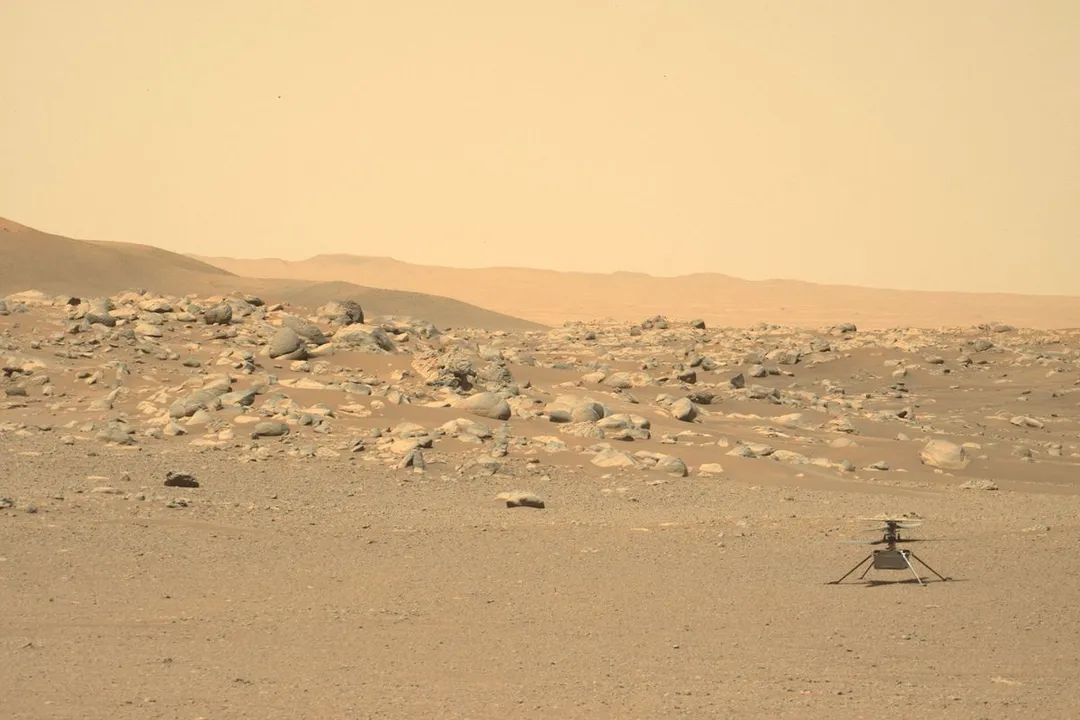
Perseverance also served as the transport and support system for a revolutionary technology test: the Ingenuity Mars Helicopter. While Ingenuity carried no primary science instruments itself, its purpose was purely technological—to prove that powered, controlled flight is possible in the thin Martian atmosphere.
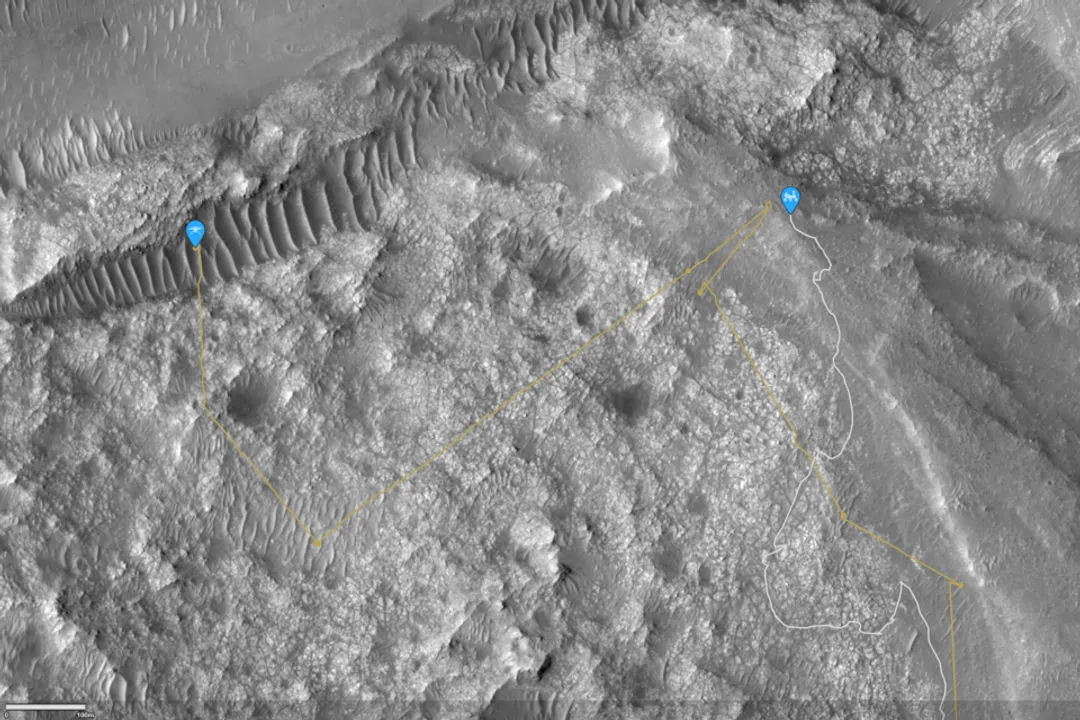
Ingenuity successfully achieved a historic "Wright Brothers moment" shortly after landing, performing a short but controlled ascent and descent. Though initially planned for only five flights, the little rotorcraft vastly exceeded expectations, completing 72 sorties over nearly three years before its mission ended. This success validated the concept of aerial scouting, offering a pathway for future, much larger rotorcraft missions (like Dragonfly to Titan) to quickly scout vast, complex terrain far more rapidly than a ground rover ever could. Ingenuity’s aerial perspective provided invaluable intelligence, sometimes even helping Perseverance navigate or view its own hardware wreckage from above.
# Engineering Context
The design of Perseverance itself is an embodiment of operational purpose, built to enhance scientific return while minimizing risk. It shares a basic body plan with its predecessor, the Curiosity rover, using about $85%$ "heritage hardware" to save time and development costs. However, its purpose dictated specific improvements: the wheels were made thicker and more durable to resist the damage sustained by Curiosity’s wheels.
Furthermore, the rover is equipped with advanced audio recording capability—the first working microphones on Mars—whose purpose is both public engagement (letting the world hear the Martian wind) and genuine science, by helping to model the properties of the thin atmosphere. Even the engineering cameras were upgraded; where older rovers often took multiple black-and-white images that needed stitching, Perseverance's engineering cameras capture high-resolution, 20-megapixel color images in a single snapshot, reducing data-handling overhead and increasing immediate situational awareness for the ground team.
The decision to pursue this mission—costing roughly $2.7$ billion dollars—was rooted in the strategic realization that the next giant leap in Martian understanding requires physical, returned samples, making the sample caching system the raison d'être of the entire system, a fact recognized by the Planetary Science Decadal Survey that recommended prioritizing a sample return campaign. The rover’s mission is explicitly designed as the crucial, irreplaceable first step in that long, multi-mission campaign to unlock Mars’ deepest secrets in Earth laboratories. This robot is thus not merely an explorer, but a highly sophisticated collection agent, gathering evidence that, billions of years after their formation, might finally confirm whether life once flickered on the Red Planet.
Related Questions
#Citations
Mars 2020: Perseverance Rover - NASA Science
Perseverance (rover) - Wikipedia
Mars: Perseverance Mission - New Mexico Museum of Natural History
Mars Perseverance - Saint Louis Science Center
Perseverance, NASA's newest Mars rover | The Planetary Society
Perseverance rover — Everything you need to know - Space