Has perseverance found any signs of life?
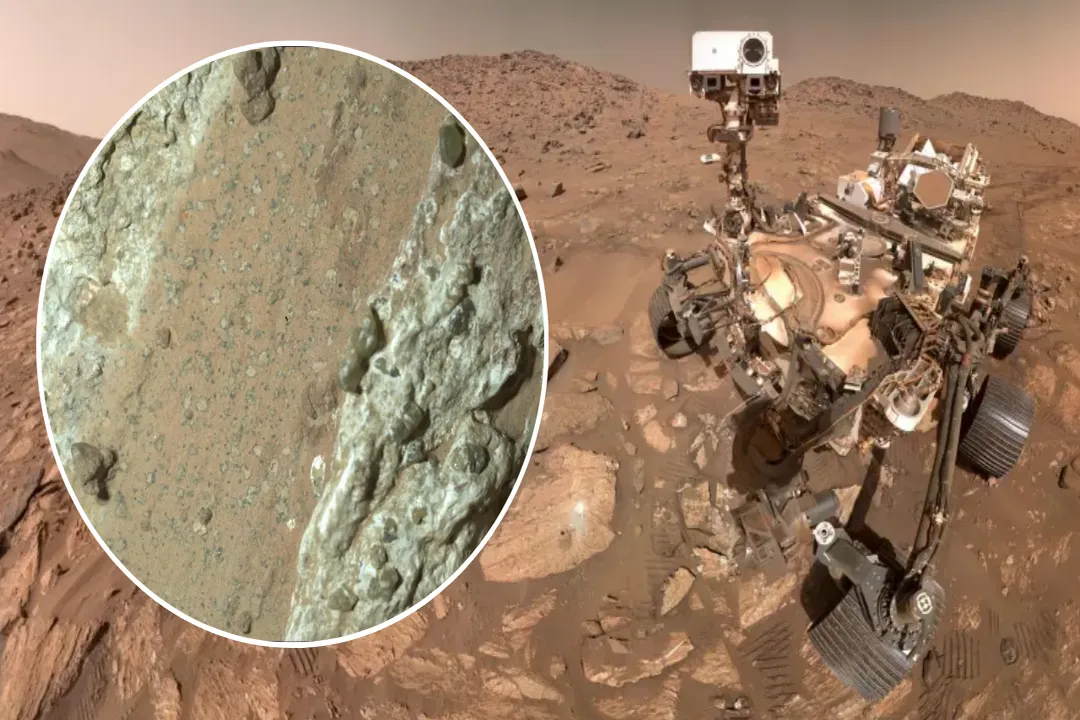
The announcement that NASA’s Perseverance rover may have stumbled upon compelling evidence of ancient life on Mars has captured the imagination of scientists and the public alike. This potential biosignature, detected within the ancient sediments of the Jezero Crater, represents perhaps the most significant hint yet in humanity’s long search for extraterrestrial biology. [8] While the initial excitement is palpable, the scientific process demands a measured approach, distinguishing between a potential clue and definitive proof of Martian microbes. [2]
The current wave of optimism centers on specific rock samples collected by the rover, which exhibit chemical characteristics that, on Earth, are strongly associated with biological processes. [1] These findings suggest that if life did exist when Mars was warmer and wetter billions of years ago, Perseverance might have just drilled into its fossil record. [5]
# Jezero Delta
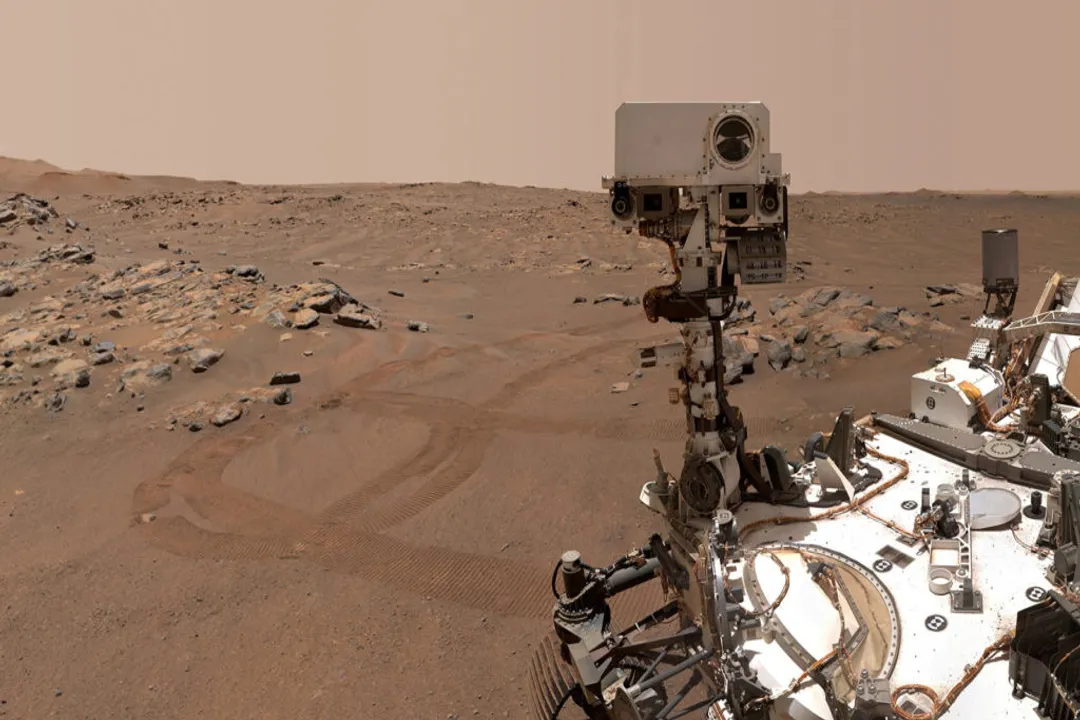
The setting for this tantalizing discovery is critical to understanding its potential significance. Perseverance landed in Jezero Crater, a basin believed to have once held a large lake fed by a river delta. [2] River deltas are exceptional places to look for signs of ancient life because they are natural traps for sediments and organic molecules washing down from the surrounding landscape. [8] Over eons, these trapped materials can become mineralized, preserving delicate chemical information within the rock structure. [7]
When Perseverance drills into these layered sedimentary rocks, it is essentially reading Martian geological history, layer by layer. [5] The rover is not looking for current, living organisms, but rather the subtle, chemical ghosts of past microbial communities. [2] This location contrasts with earlier missions; where previous rovers like Curiosity explored lake beds like Gale Crater, the Jezero delta offers a more complex, dynamic depositional environment that may have been better suited for preserving these types of organic materials. [8] Think of it this way: Gale Crater showed us Mars had water; Jezero is tasked with showing us if that water supported life. [1]
# Organic Clues
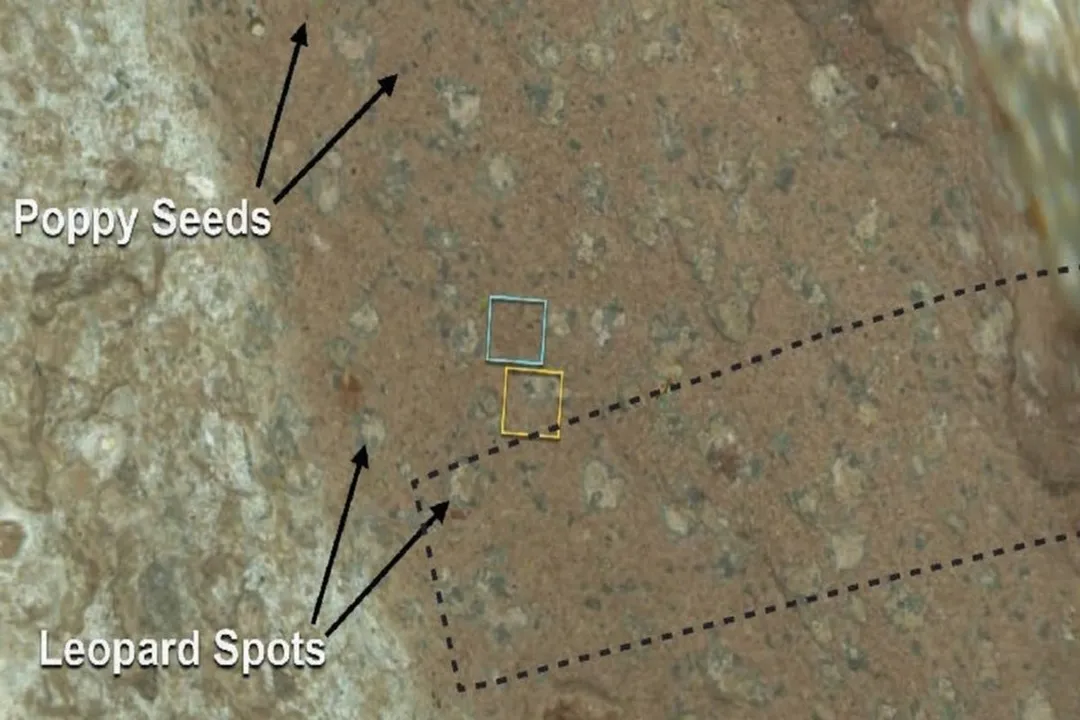
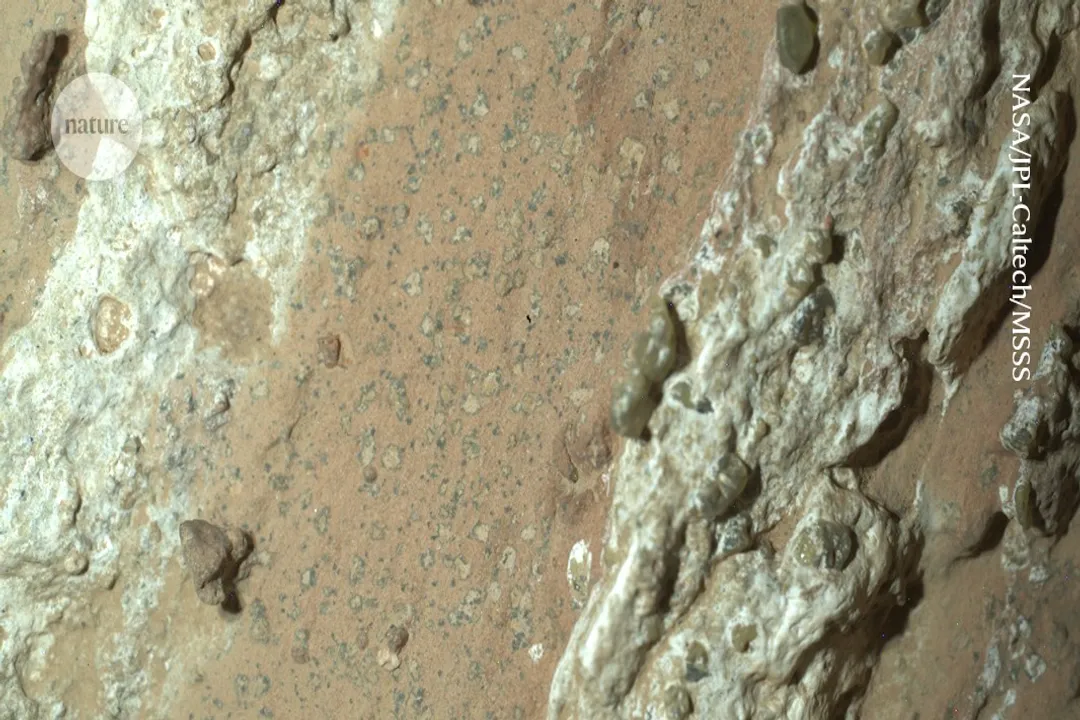
The specific finding NASA highlighted involves the detection of complex organic molecules within the rock core samples. [1] Organic molecules—those containing carbon—are the building blocks of life as we know it. However, this is where scientific caution becomes essential. Organic molecules can be created through entirely non-biological, geological processes, such as volcanic activity or hydrothermal vents, meaning their mere presence does not confirm biology. [2][9]
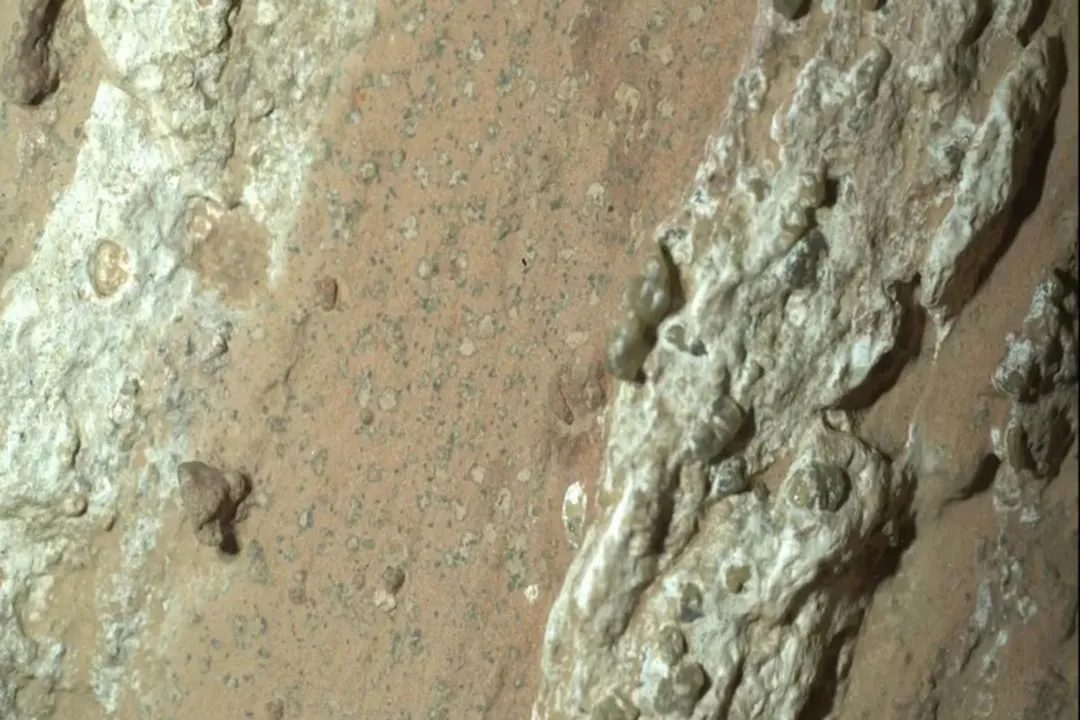
What makes the Perseverance finding so intriguing is the context and type of organic matter found in conjunction with specific minerals. [8] The potential biosignature likely refers to the chemical signatures within certain mudstones or similar fine-grained rocks that were studied by the rover’s SHERLOC instrument. [1] These rocks are often the best natural containers for shielding delicate organic compounds from harsh radiation over billions of years. [7] If these organic compounds exhibit specific ratios or structures—often referred to as chirality, though the sources don't detail the specific chemical markers—it strengthens the argument for a biological origin over an abiotic one. [9]
The scientific community is unified in treating these results as strong hints rather than proof. For instance, a paper published in Nature discussing the findings frames them within the context of astrobiology's next steps, emphasizing that while the data is provocative, definitive confirmation awaits further analysis on Earth. [9] This careful nomenclature—using terms like "potential biosignature" or "strongest hints yet"—reflects the high bar for declaring life has been found off-world. [1][8]
# Measured Response
The level of excitement, particularly noted in public forums and social media discussions, often outpaces the careful language used by NASA scientists. [4][6] This tension between public enthusiasm and scientific restraint is a common feature of high-stakes planetary science. The reality is that current instruments aboard the rover, no matter how advanced, are not capable of performing the complex, multi-stage laboratory analyses necessary to absolutely rule out non-biological origins for these organic markers. [2]
One must appreciate the sheer difficulty of the task: proving life existed billions of years ago on another planet using remote sensing instruments. [7] On Earth, proving a fossil is biological often involves looking at cellular structures or isotopic ratios that require powerful microscopes and mass spectrometers housed in dedicated laboratories. [9] Perseverance is doing the best it can with its onboard toolkit, identifying promising targets for future investigation. [1]
Considering the history of Mars exploration, this caution is warranted. Early excitement over methane spikes or ambiguous mineral formations has, in many cases, been resolved by subsequent data pointing toward purely geological explanations. [2] However, the current situation feels different because the samples are being canned for return, effectively pausing the debate until they can be subjected to Earth-based scrutiny. [1][5]
# Sample Return Goal
The true verdict on whether Perseverance has found signs of life rests not on the data beamed back today, but on the samples currently being sealed into titanium tubes aboard the rover. [1] The Mars Sample Return (MSR) campaign, a collaborative effort between NASA and the European Space Agency (ESA), is designed specifically to address this question. [5]
These sealed tubes are the most valuable cargo currently traversing the solar system. They contain pristine rock and atmosphere samples gathered from the most scientifically promising locations Jezero Crater has to offer. [1] Imagine the difference: while the rover can confirm what organic molecules are present, a lab on Earth can measure the precise isotopic ratios of carbon, hydrogen, and nitrogen within those molecules. [9] If the isotopes of carbon are heavily skewed toward the lighter isotope, —a telltale sign of metabolic activity—that evidence would be nearly irrefutable proof of past biology. [2]
This commitment to sample return highlights a crucial aspect of deep-space science: sometimes the most important action an explorer can take is preparation for the next step, even if that step takes another decade. [5] The entire enterprise hinges on successfully retrieving these tubes, a series of complex landings and ascents scheduled for the early 2030s. [1] This waiting period—where we have the strongest hint yet but must wait years for confirmation—is a powerful reminder that the pursuit of astrobiological knowledge requires immense patience. [8]
If we consider the overall context, the current findings are a monumental success regardless of the final biological determination. Perseverance has confirmed that Jezero Crater was a habitable environment billions of years ago, rich in the necessary ingredients and sustained conditions for life to arise. [7] Even if every organic molecule turns out to be abiotic, the rover has characterized an ancient Earth-like lakebed with unprecedented detail. [8]
# Habitability Evidence
The overarching theme is one of habitability. The data confirms that Mars, during the Noachian or early Hesperian period, possessed liquid water, energy sources, and the elemental building blocks needed for life. [5][7] The discovery of organic molecules simply adds the crucial "time capsule" element to that confirmed habitability.
When examining the context of this search, we can view the data through a simplified progression model, which I believe helps frame the current achievement:
| Stage | Goal | Perseverance's Current Status | Confirmation Source |
|---|---|---|---|
| 1. Water Presence | Did Mars have persistent liquid water? | Confirmed (Jezero Crater geology) [7] | Rover instruments, orbital data |
| 2. Habitability | Were the right chemical ingredients present? | Strong evidence of organics/minerals [1][8] | Onboard chemistry analysis |
| 3. Biosignatures | Are there complex molecules favoring biology? | Potential biosignatures detected [2][5] | Onboard analysis of rock cores |
| 4. Biologic Proof | Can we rule out abiotic origins? | Pending (Requires Earth analysis) [9] | Mars Sample Return Mission |
This table illustrates that we are currently in Stage 3, eagerly awaiting the ability to reach Stage 4. The current findings are not a declaration of success, but a massive validation of the mission’s approach and the selection of the landing site. [1] If we look at prior missions, they mostly confirmed Stage 1, perhaps touching on Stage 2 in certain contexts. Perseverance's ability to actively select, drill, and cache samples displaying these complex characteristics marks a tangible step forward in extraterrestrial forensic science. [8]
The successful caching of these materials demonstrates not just scientific progress, but an engineering triumph. The rover has performed complex drilling operations and hermetically sealed the samples, protecting them from terrestrial contamination and the harsh Martian surface environment until their eventual retrieval. [1] This meticulous collection process, ensuring the integrity of the evidence for future analysis, is perhaps the most concrete action taken so far in the search for Martian life. [5]
Ultimately, the question of whether Perseverance has found life is still open, but the rover has unquestionably found the strongest evidence yet that the conditions for life existed and that the chemical residue may have been successfully preserved for us to analyze. The next chapter in this story will be written not on Mars, but in terrestrial laboratories decades from now.
Related Questions
#Citations
NASA Says Mars Rover Discovered Potential Biosignature Last Year
Did NASA's Perseverance rover find evidence of ancient life on Mars ...
NASA's Perseverance rover discovers 'clearest sign of life' on Mars
NASA's Perseverance rover finds strongest hint yet of past life on ...
Rover may have found evidence of ancient life on Mars
NASA finds signs of ancient life on Mars - Facebook
New findings by NASA Mars rover provide strongest hints yet ... - PBS
Did Mars harbour life? One of the strongest signs yet is spotted in a ...